
Endovascular Thrombectomy for Stroke Success Rate in Chennai
بحاجة لنصيحة شخصية؟
خبراؤنا الطبيون جاهزون للإجابة عن أسئلتك وإرشادك خلال خيارات العلاج.
خبراؤنا الطبيون جاهزون للإجابة عن أسئلتك وإرشادك خلال خيارات العلاج.
Understanding the success rate of Endovascular Thrombectomy for Stroke is crucial for patients and families considering this critical intervention. Outcomes are influenced by various factors, including the timing of treatment, stroke severity, and individual patient health. Chennai stands as a significant center for advanced neurological care.
In Chennai, Endovascular Thrombectomy for Stroke outcomes are evaluated through aggregated clinical data and robust treatment-level analysis. These insights highlight that success rates can vary significantly based on the specific interventional approach, the stage of stroke progression, and the patient's overall health status.
For Endovascular Thrombectomy for Stroke, "success" typically encompasses several key indicators. It includes the effective re-establishment of blood flow in the blocked artery (reperfusion), significant improvement in neurological function, and ultimately, enhanced patient survival and long-term functional independence. Both immediate procedural success and sustained recovery are considered vital.
Success rates vary depending on treatment approach and patient factors.
| Treatment Category | Typical Use Case | Success Rate Range (%) | What Success Indicates |
|---|---|---|---|
| Early Window Thrombectomy (<6 hours) | Immediate intervention for acute ischemic stroke | 45%–65% | Significant neurological improvement, reduced disability (functional outcome) |
| Extended Window Thrombectomy (6-24 hours) | Selected patients with favorable imaging profiles | 30%–50% | Potential for functional recovery in later presentations |
| Technical Reperfusion Success | Primary angiographic outcome of procedure | 80%–95% | Blood flow restored to blocked artery, foundation for recovery |
The Endovascular Thrombectomy for Stroke survival rate by age in Chennai, much like global trends, shows variations. Younger patients generally exhibit higher rates of functional recovery and lower mortality post-procedure compared to older individuals. This aligns with internationally observed clinical data, where age is a recognized independent predictor of outcome.
| Age Group | Expected Functional Independence Rate (%) |
|---|---|
| Under 65 years | 50%–70% |
| 65–80 years | 35%–55% |
| Over 80 years | 20%–40% |
Endovascular Thrombectomy for Stroke recovery rate in Chennai is increasingly comparable to international benchmarks. Leading centers such as AIIMS, Tata Memorial Centre, and major institutes follow evidence-based protocols. When similar patient selection criteria, advanced technology, and skilled medical teams are in place, outcomes often align closely with global averages, reflecting high standards of care.
| Region/Country | Typical Functional Recovery Rate (mRS 0-2) (%) |
|---|---|
| India (including Chennai) | 40%–60% |
| United States | 45%–65% |
| United Kingdom | 40%–60% |
| Germany | 45%–65% |
| Canada | 40%–60% |
| Australia | 40%–60% |
These success rates are indicative and can vary significantly based on individual patient health, stroke characteristics, and the specific treatment approach utilized. Individual results are not guaranteed.
The stage wise Endovascular Thrombectomy for Stroke survival rate in Chennai is notably influenced by these factors, emphasizing personalized care.
Making informed decisions about Endovascular Thrombectomy for Stroke involves understanding comprehensive outcome data. Patients are encouraged to discuss all aspects of care with their medical team for personalized insights and guidance.
For more detailed information and personalized guidance, consult with a qualified healthcare professional.
India offers premium medical procedures at affordable prices. Discover our most popular treatments, delivered by the country's finest doctors.
Meet our team of highly qualified and experienced medical professionals dedicated to providing the best healthcare services.
Sr. Consultant-Neurology & Epilepsy
Neurology & Epilepsy
New Delhi
15+ Years
Experience
Artemis Hospital
Hospital
1500
Fees

Sr. Consultant – Women Imaging
Radiology (Specializing in Women's Imaging)
Haryana
15+ Years
Experience
Artemis Hospital
Hospital
1500
Fees
Consultant - Pediatric Rheumatology
Pediatric Rheumatology
New Delhi
13+ Years
Experience
Artemis Hospital
Hospital
1500
Fees
Director & Chief
Neurointerventional Surgery
New Delhi
15+ Years
Experience
Artemis Hospital
Hospital
1500
Fees

Director - Neurology
Neurology
New Delhi
18+ Years
Experience
Apolo Delhi
Hospital
1500
Fees

Consultant - Neurology & Movement Disorders
Neurology
New Delhi
15+ Years
Experience
Artemis Hospital
Hospital
1500
Fees

Additional Consultant - Neuro Interventional Surgery
Neurointerventional Surgery
New Delhi
20+ Years
Experience
Artemis Hospital
Hospital
1500
Fees
Admin Head - Emergency
Emergency & Trauma Services
New Delhi
25+ Years
Experience
Artemis Hospital
Hospital
1500
Fees
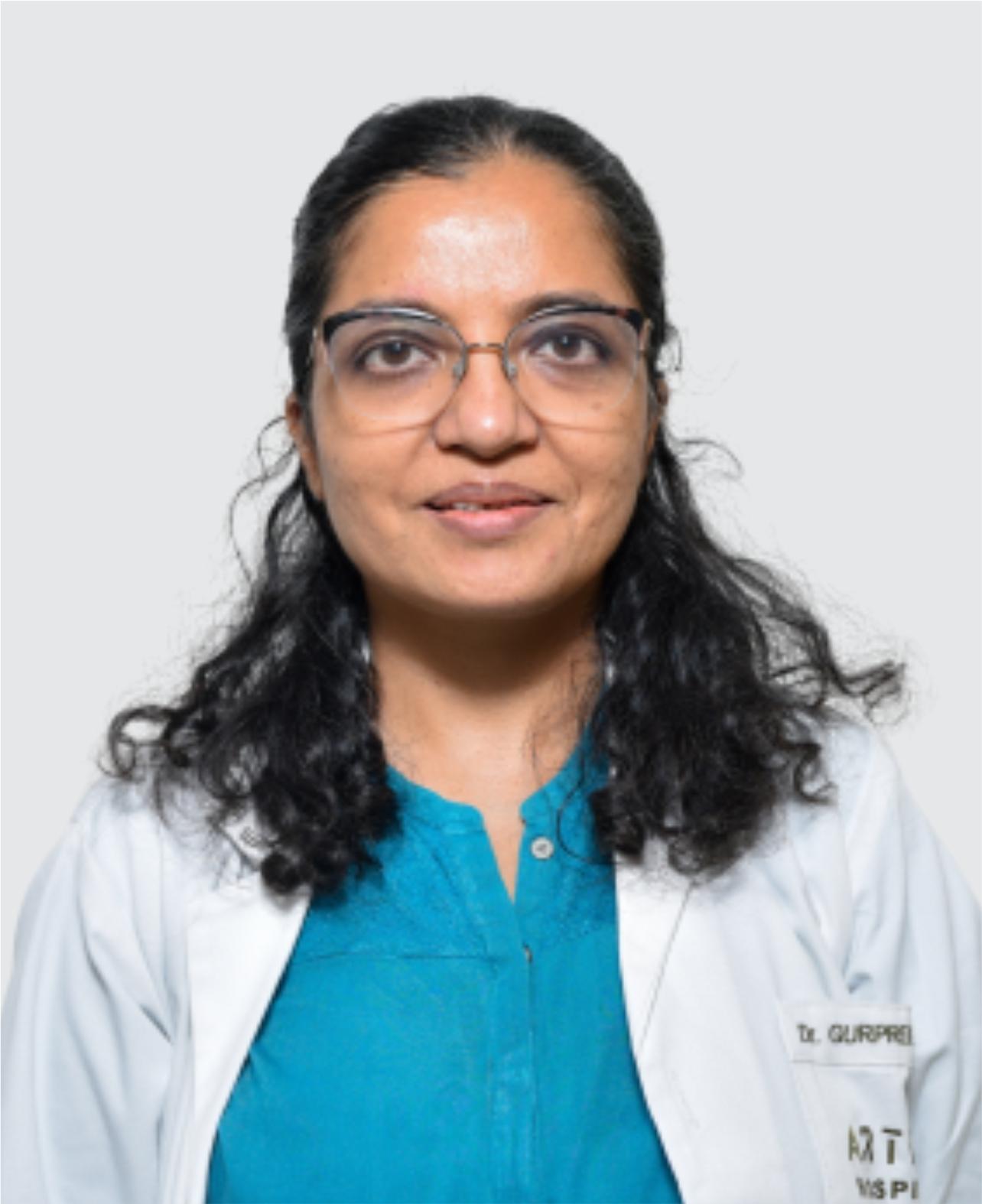
Head Imaging & Chief DNB Program
Radiology
New Delhi
19+ Years
Experience
Artemis Hospital
Hospital
1500
Fees
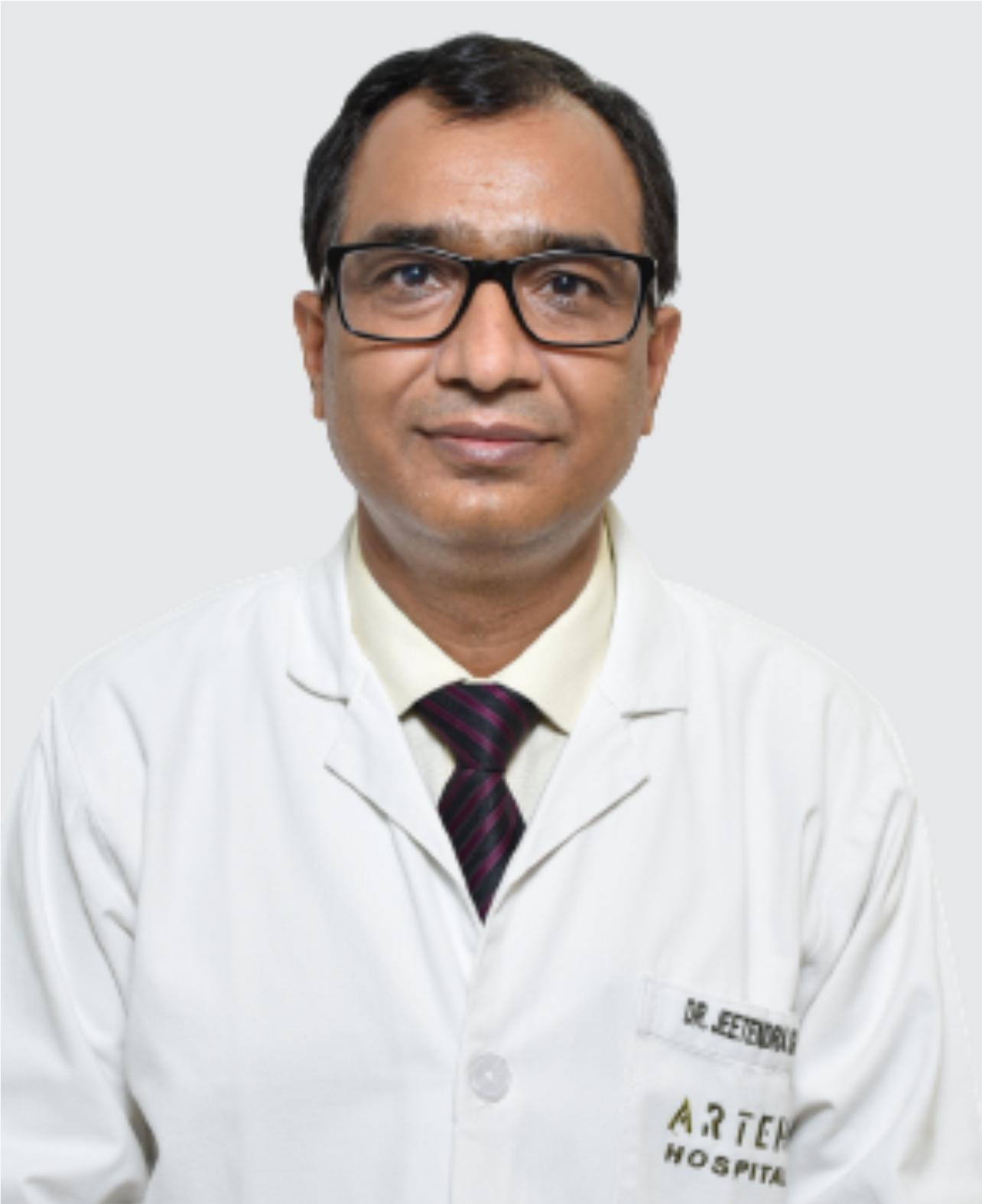
Chief - Critical Care (Unit II) & Chief- Medical Quality
Critical Care & ICU
New Delhi
15+ Years
Experience
Artemis Hospital
Hospital
1500
Fees
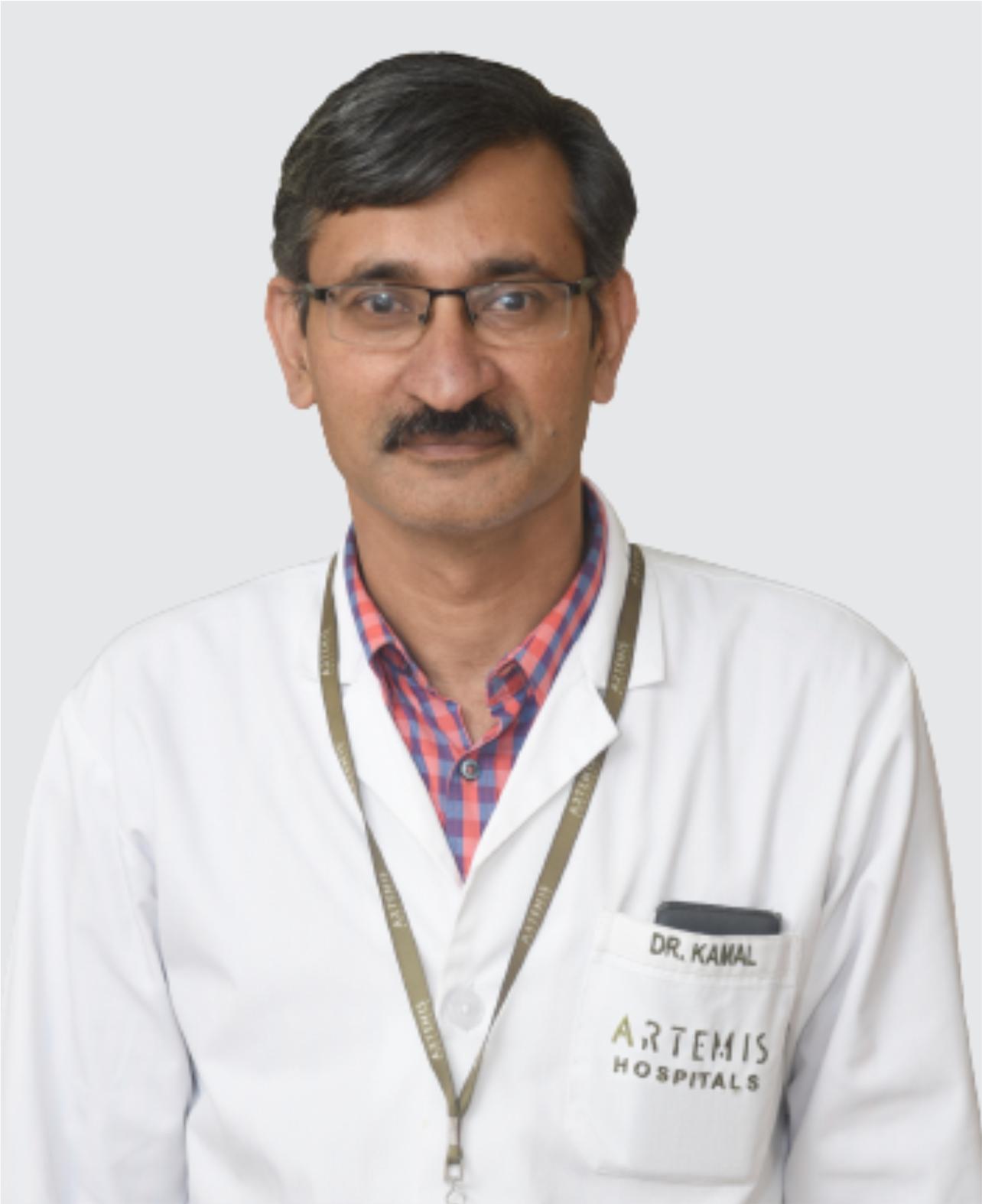
Sr. Consultant - Radiation Oncology
Radiation Oncology
New Delhi
15+ Years
Experience
Artemis Hospital
Hospital
1500
Fees
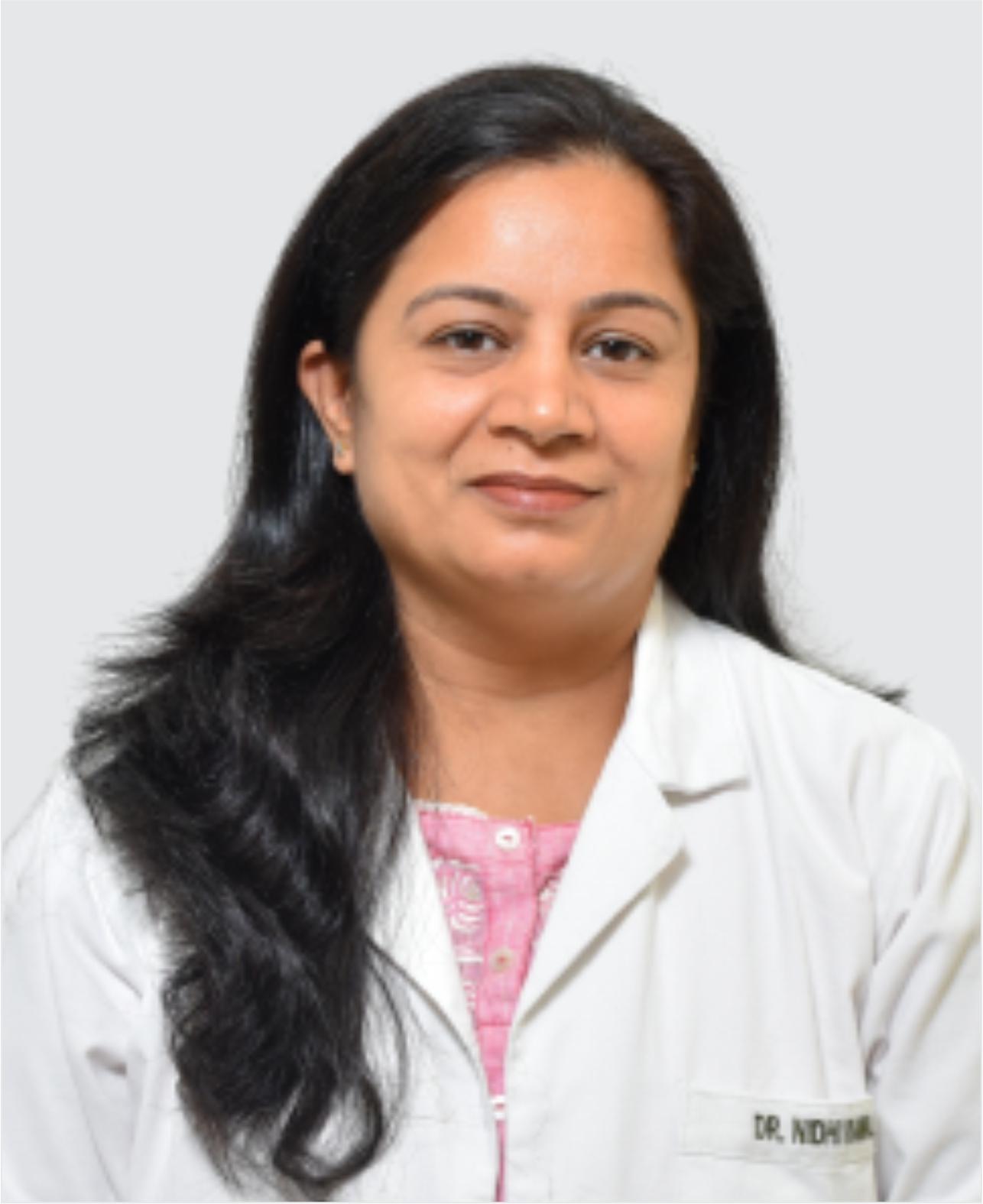
Chief - Paediatric Cardiology
Paediatric Cardiology
New Delhi
18+ Years
Experience
Artemis Hospital
Hospital
1500
Fees
Chairperson - Nuclear Medicine & Radio-Theranostics
Nuclear Medicine
New Delhi
15+ Years
Experience
Artemis Hospital
Hospital
1500
Fees
Sr. Consultant
Radiology
New Delhi
12+ Years
Experience
Artemis Hospital
Hospital
1500
Fees
Sr. Consultant
Radiology
New Delhi
12+ Years
Experience
Artemis Hospital
Hospital
1500
Fees
Senior Medical Oncologist
Medical Oncology, Haemato-medical Oncology
New Delhi
15+ Years
Experience
Max Hospital,Gurgaon
Hospital
1500
Fees
Principal Director - Pulmonology
Pulmonology
New Delhi
40+ Years
Experience
Max Hospital,Gurgaon
Hospital
1500
Fees
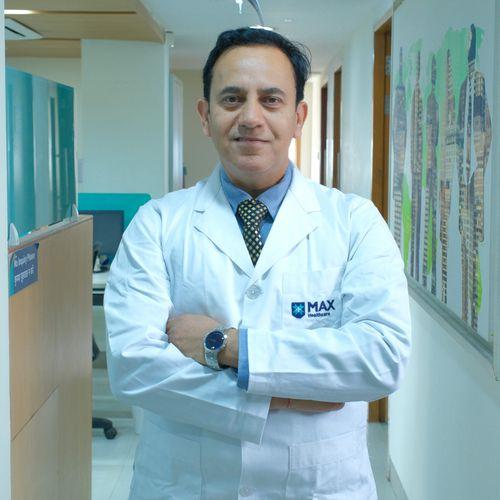
Senior Consultant, Neurology
Neurology
New Delhi
12+ Years
Experience
Apolo Delhi
Hospital
1500
Fees
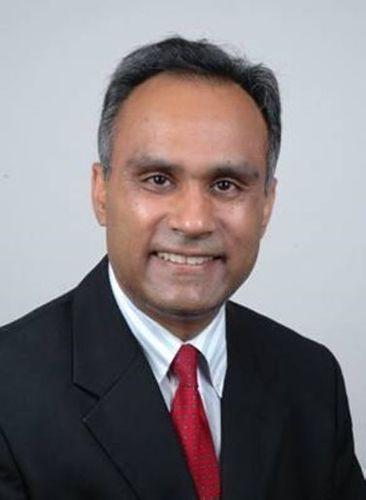
Associate Director
Pulmonology
New Delhi
20+ Years
Experience
Apolo Delhi
Hospital
1500
Fees
Director - Pulmonology
Pulmonology
New Delhi
34+ Years
Experience
Apolo Delhi
Hospital
1500
Fees
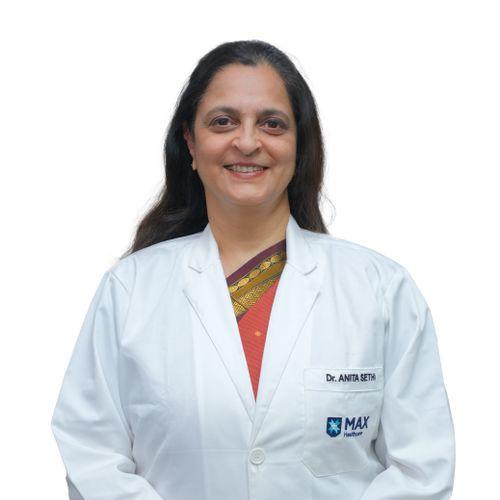
Director
Neurology
New Delhi
28+ Years
Experience
Apolo Delhi
Hospital
1500
Fees
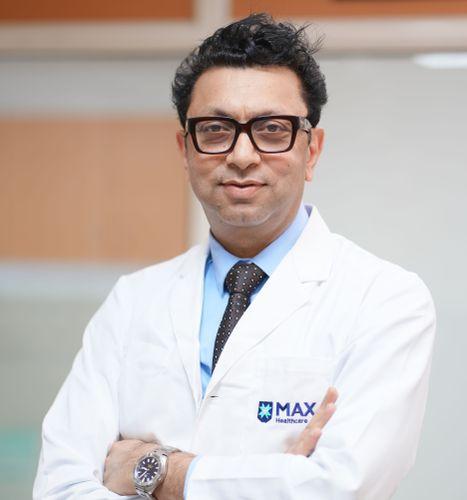
Senior Consultant - Neurology
Neurology
New Delhi
12+ Years
Experience
Apolo Delhi
Hospital
1500
Fees
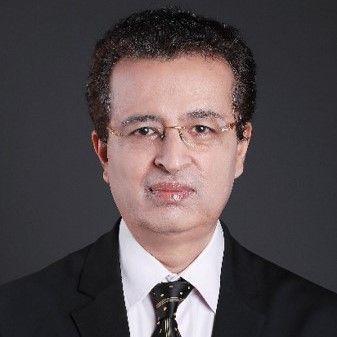
Director
Neurology
New Delhi
30+ Years
Experience
Apolo Delhi
Hospital
1500
Fees
Associate Director
Pulmonology
New Delhi
22+ Years
Experience
Apolo Delhi
Hospital
1500
Fees
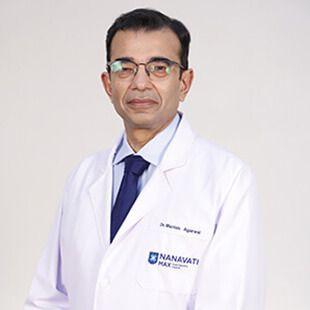
Director - Oncology
Oncology
New Delhi
22+ Years
Experience
Apolo Delhi
Hospital
1500
Fees
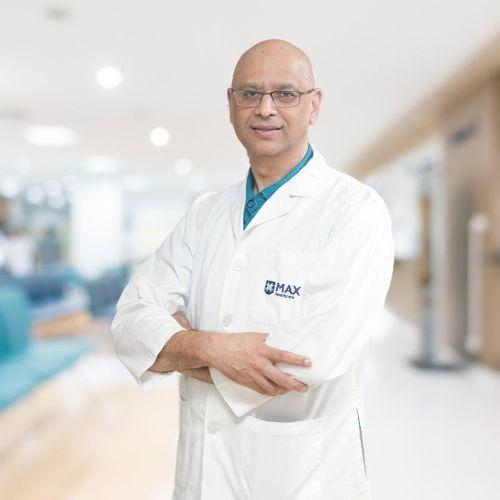
Director - Neuro Sciences
Neurology
New Delhi
18+ Years
Experience
Apolo Delhi
Hospital
1500
Fees
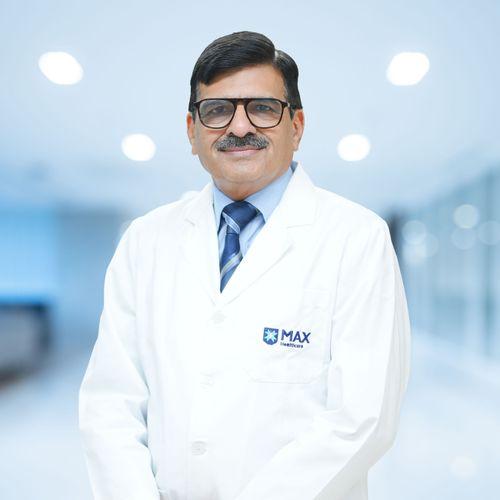
Director
Neurosciences
New Delhi
14+ Years
Experience
Apolo Delhi
Hospital
1500
Fees
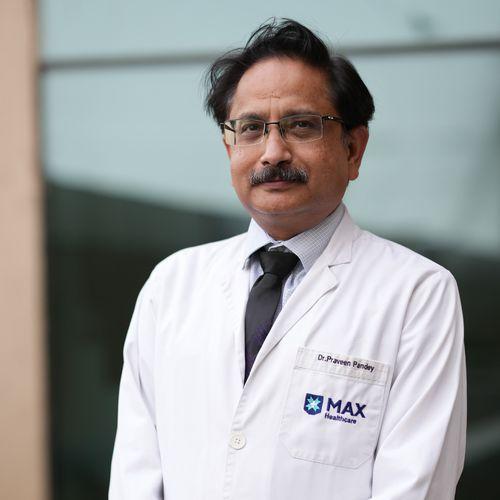
Director
Neuroscience
New Delhi
17+ Years
Experience
Apolo Delhi
Hospital
1500
Fees
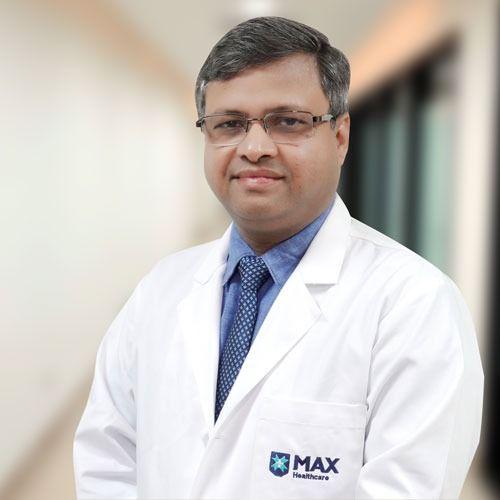
Director
Neurology
New Delhi
20+ Years
Experience
Apolo Delhi
Hospital
1500
Fees
احصل على خيارات علاجية شخصية من أفضل مستشفيات الهند. خبراؤنا الطبيون جاهزون لمساعدتك في كل خطوة.