
Interventional Radiology Procedures Treatment in Hyderabad for Ethiopia
بحاجة لنصيحة شخصية؟
خبراؤنا الطبيون جاهزون للإجابة عن أسئلتك وإرشادك خلال خيارات العلاج.
خبراؤنا الطبيون جاهزون للإجابة عن أسئلتك وإرشادك خلال خيارات العلاج.
For patients from Ethiopia considering specialized medical care, the thought of undergoing interventional radiology procedures abroad can bring understandable concerns. Seeking effective, less invasive options requires careful evaluation of available expertise and facilities to ensure the best possible outcome.
Many international patients, particularly from Ethiopia, choose Hyderabad for its reputation in advanced medical treatment. The city offers a well-developed healthcare infrastructure, making it a preferred destination for those seeking high-quality care outside their home country without compromising on accessibility or advanced technology.
Trust in Hyderabad's medical institutions stems from its array of internationally accredited hospitals and highly skilled interventional radiologists. Patients can expect a coordinated care environment, ensuring smooth processes from initial consultation through to post-procedure follow-ups, all within the city's specialized medical centers.
Hyderabad provides a robust and supportive environment for interventional radiology patients.
Interventional radiology (IR) involves a range of minimally invasive procedures performed by specially trained radiologists using image guidance. These procedures utilize advanced imaging techniques like X-rays, CT, ultrasound, and MRI to guide small instruments, such as catheters or wires, directly to the treatment site within the body. This approach allows for precise diagnosis and treatment of various conditions without large surgical incisions. IR procedures often result in less pain, fewer risks, shorter hospital stays, and quicker recovery times compared to traditional open surgery, addressing issues in nearly every organ system.
Treatments for conditions affecting blood vessels, including angioplasty and stenting for blockages, embolization for bleeding or aneurysms, and varicose vein treatments.
Minimally invasive treatments for cancer, such as tumor ablation (destroying tumors with heat or cold), transarterial chemoembolization (TACE), and radioembolization (TARE/SIRT) for liver cancers, and biopsies.
Procedures like percutaneous nephrostomy for kidney blockages, ureteral stenting, and treatment of prostate enlargement using prostatic artery embolization (PAE).
Includes procedures for liver, bile duct, and pancreatic conditions, such as biliary drainage, gastrostomy tube placement, and management of gastrointestinal bleeding.
Treatments for back pain and fractures, including vertebroplasty and kyphoplasty for spinal compression fractures, and nerve blocks.
The specific approach for an interventional radiology procedure depends on the patient's condition, the type of treatment, and the location within the body.
Patients typically receive local anesthesia at the entry site, often combined with conscious sedation to ensure comfort throughout the procedure. General anesthesia may be used for more complex or lengthy interventions.
Using real-time imaging (fluoroscopy, ultrasound, CT), the interventional radiologist carefully guides a fine needle or catheter through a small incision, usually less than a centimeter, to the target area. This precision minimizes damage to surrounding healthy tissue.
Once the instruments are in place, the specific treatment is delivered. This could involve deploying a stent to open a blocked vessel, injecting medication directly into a tumor, or using thermal energy to ablate abnormal tissue. The imaging guidance ensures accurate placement and monitoring of the treatment effect.
After the procedure, the catheter or needle is removed, and pressure is applied to the entry site to prevent bleeding. The small incision usually requires only a bandage. Patients are then monitored for a few hours or overnight, depending on the complexity of the intervention, before discharge.
Recovery from interventional radiology procedures is generally faster and less painful than open surgery due to their minimally invasive nature. Most patients can return to light activities within a few days. Specific recovery times vary based on the procedure, individual health, and the extent of the treated condition. Patients are typically advised to avoid strenuous activities for a week or two. Follow-up appointments are scheduled to monitor healing, assess treatment effectiveness, and address any concerns. Pain management is usually straightforward, involving over-the-counter or mild prescription medication.
The success rates for interventional radiology procedures are generally high, often ranging from 80% to over 95%, depending on the specific procedure and the patient's condition. For instance, procedures like embolization for uterine fibroids or angioplasty for arterial blockages often show excellent long-term outcomes. Results can vary based on the complexity of the disease, the patient's overall health, and adherence to post-procedure care. Long-term expectations are usually discussed in detail before treatment, with many patients experiencing significant improvement in symptoms and quality of life.
Considering Interventional Radiology? Connect with Hyderabad's leading specialists for a consultation.
The cost of interventional radiology procedures in Hyderabad is influenced by several factors. These include the specific type and complexity of the procedure, the technology used, the choice of hospital (e.g., multi-specialty vs. specialized clinic), the experience level of the interventional radiologist, and the duration of the hospital stay. Pre-operative investigations and post-operative care also contribute to the overall expense.
Interventional radiology procedures in Hyderabad can range approximately from INR 80,000 to INR 6,000,000, depending on the intervention.
Patients from Ethiopia often find Hyderabad a financially attractive option for advanced medical care. Here is a general comparison of Interventional Radiology procedure costs:
| Procedure Type | Hyderabad (USD) | USA (USD) | UK (USD) | Singapore (USD) |
|---|---|---|---|---|
| Angioplasty/Stenting (peripheral) | $2,500 – $6,000 | $15,000 – $35,000 | $10,000 – $20,000 | $8,000 – $18,000 |
| Tumor Ablation (e.g., Liver) | $4,000 – $12,000 | $20,000 – $50,000 | $12,000 – $28,000 | $10,000 – $25,000 |
| Uterine Fibroid Embolization (UFE) | $3,500 – $8,000 | $18,000 – $40,000 | $11,000 – $25,000 | $9,000 – $20,000 |
| Prostatic Artery Embolization (PAE) | $4,000 – $9,500 | $20,000 – $45,000 | $13,000 – $27,000 | $10,000 – $22,000 |
| Biliary Drainage/Stenting | $3,000 – $7,000 | $16,000 – $38,000 | $9,000 – $18,000 | $7,500 – $16,000 |
Exploring interventional radiology options in Hyderabad can open doors to effective, minimally invasive care tailored to your specific health needs.
Ready to explore advanced interventional radiology treatments in Hyderabad? Request a detailed treatment plan today.
India offers premium medical procedures at affordable prices. Discover our most popular treatments, delivered by the country's finest doctors.
Meet our team of highly qualified and experienced medical professionals dedicated to providing the best healthcare services.

Sr. Consultant – Women Imaging
Radiology (Specializing in Women's Imaging)
Haryana
15+ Years
Experience
Artemis Hospital
Hospital
1500
Fees
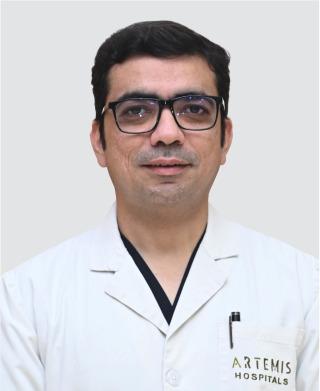
Director & Chief
Neurointerventional Surgery
New Delhi
15+ Years
Experience
Artemis Hospital
Hospital
1500
Fees

Sr. Consultant – Women Imaging
Radiology
New Delhi
15+ Years
Experience
Artemis Hospital
Hospital
1500
Fees
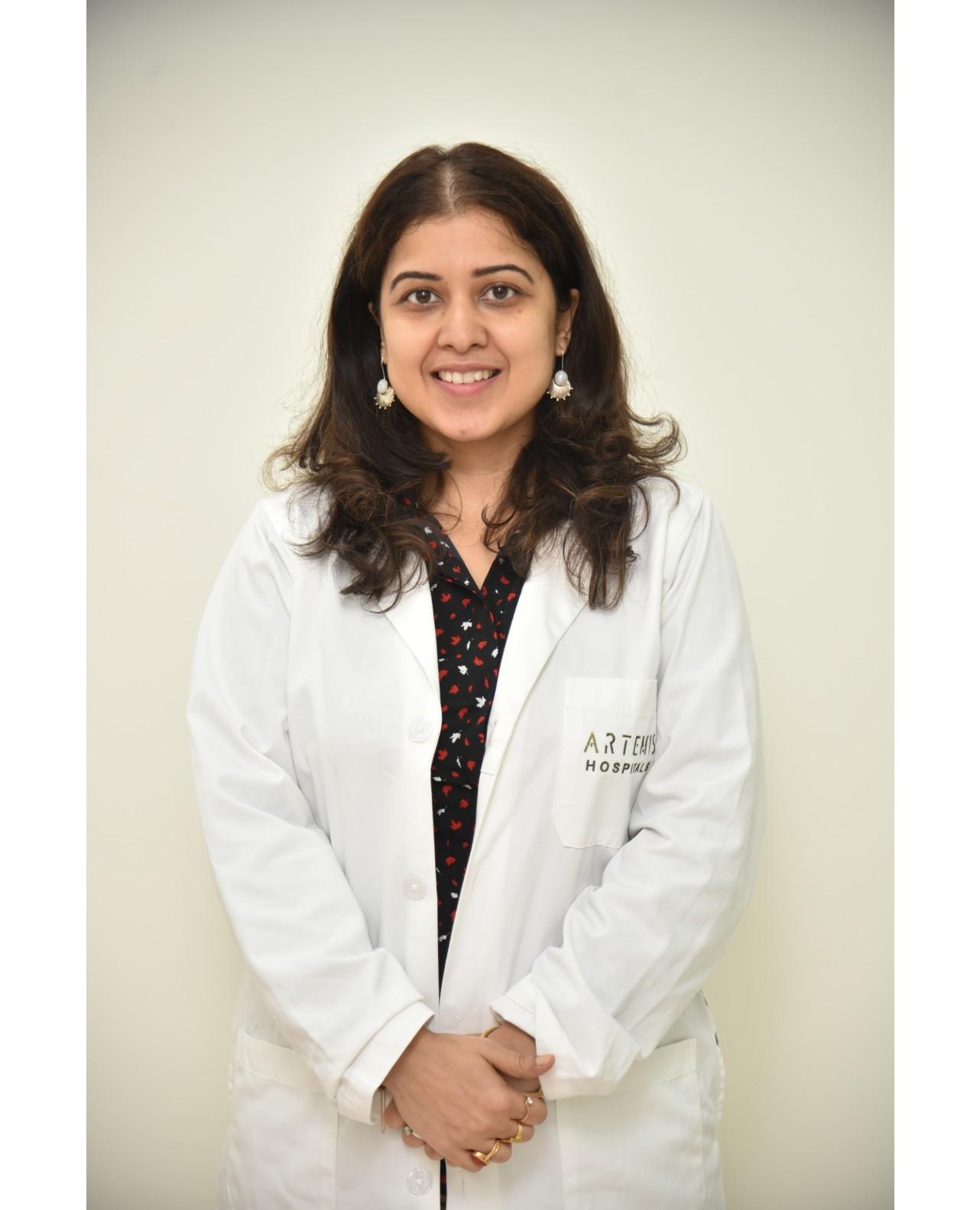
Co-Head Psychological Services
Mental Health and Behavioural Sciences
New Delhi
15+ Years
Experience
Artemis Hospital
Hospital
1500
Fees

Additional Consultant - Neuro Interventional Surgery
Neurointerventional Surgery
New Delhi
20+ Years
Experience
Artemis Hospital
Hospital
1500
Fees
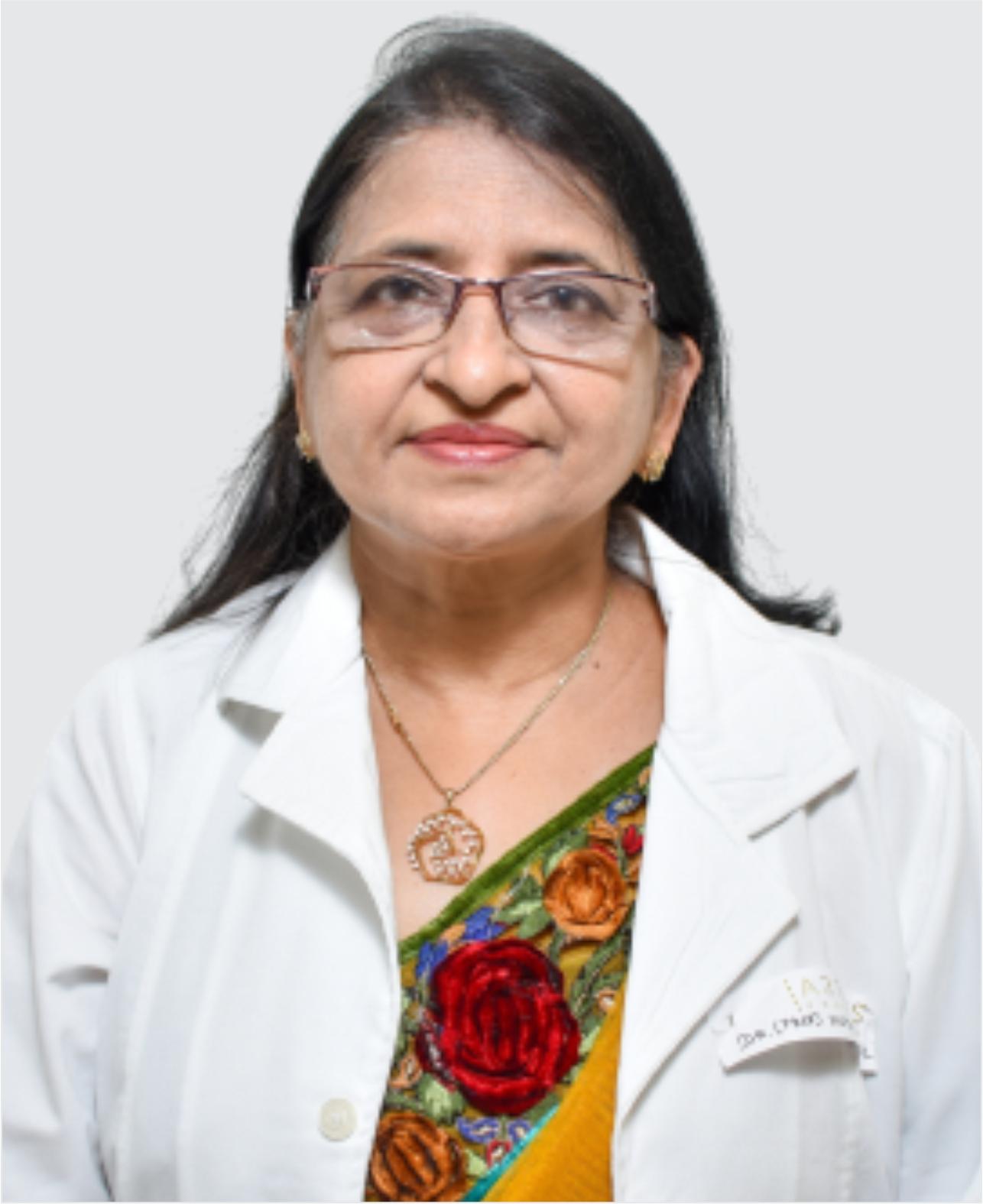
Head of Department - Gynae Endocrinology & DNB Program Director - Obs & Gynae
Gynaecological Endocrinology, Maternity, Obstetrics & Gynaecology
New Delhi
35+ Years
Experience
Artemis Hospital
Hospital
1500
Fees

Senior Consultant - ENT
ENT and Head & Neck Surgery
New Delhi
24+ Years
Experience
Artemis Hospital
Hospital
1500
Fees

Consultant (Head & Neck Surgery) - Surgical Oncology
Head and Neck Surgical Oncology
New Delhi
10+ Years
Experience
Artemis Hospital
Hospital
1500
Fees

Chairperson - Gynae Oncology
Gynaecological Oncology
New Delhi
16+ Years
Experience
Artemis Hospital
Hospital
1500
Fees
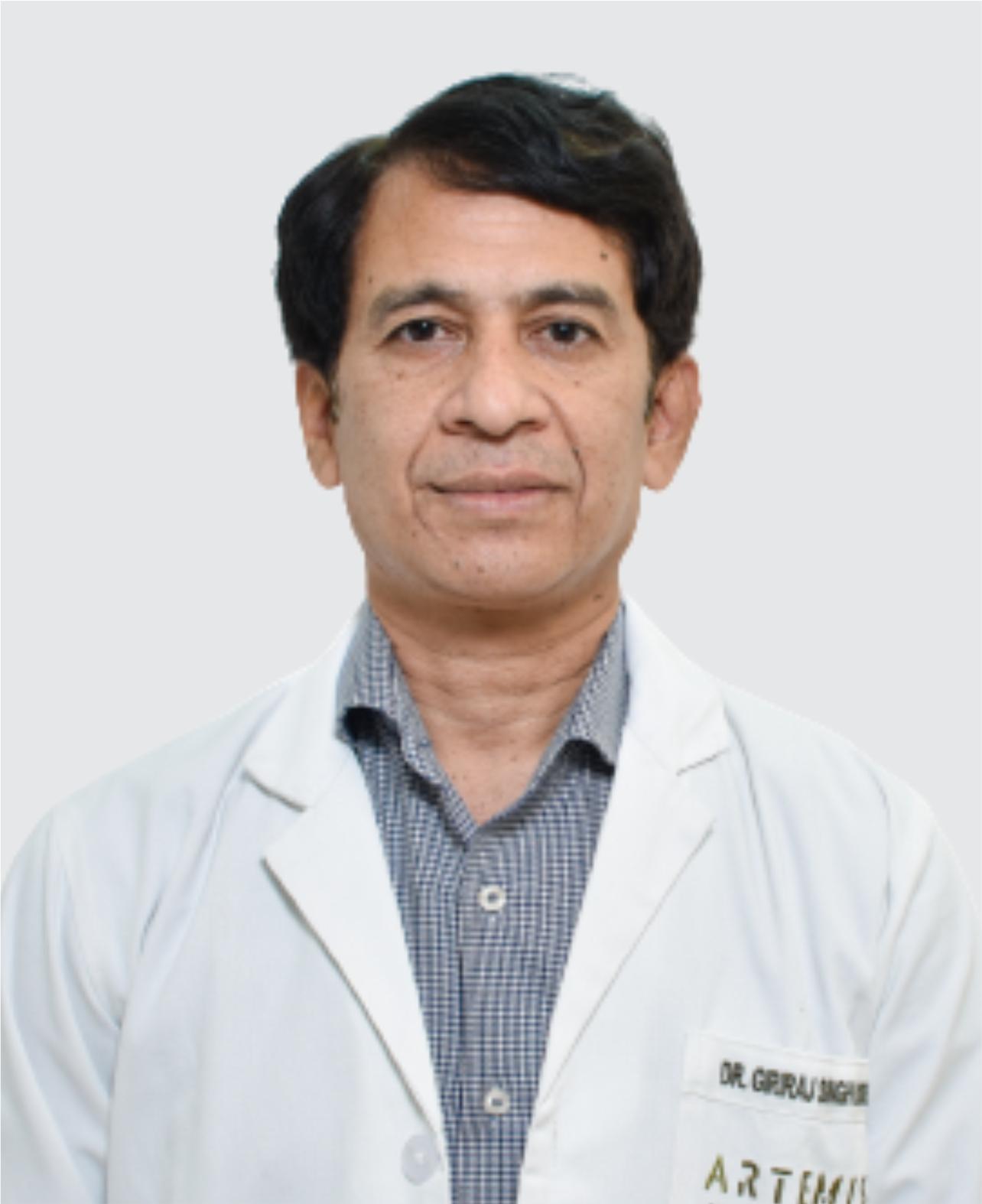
Chief - Liver Transplant & Sr. Consultant - GI & HPB Surgery
Liver and Biliary Sciences, Organ Transplant
New Delhi
15+ Years
Experience
Artemis Hospital
Hospital
1500
Fees
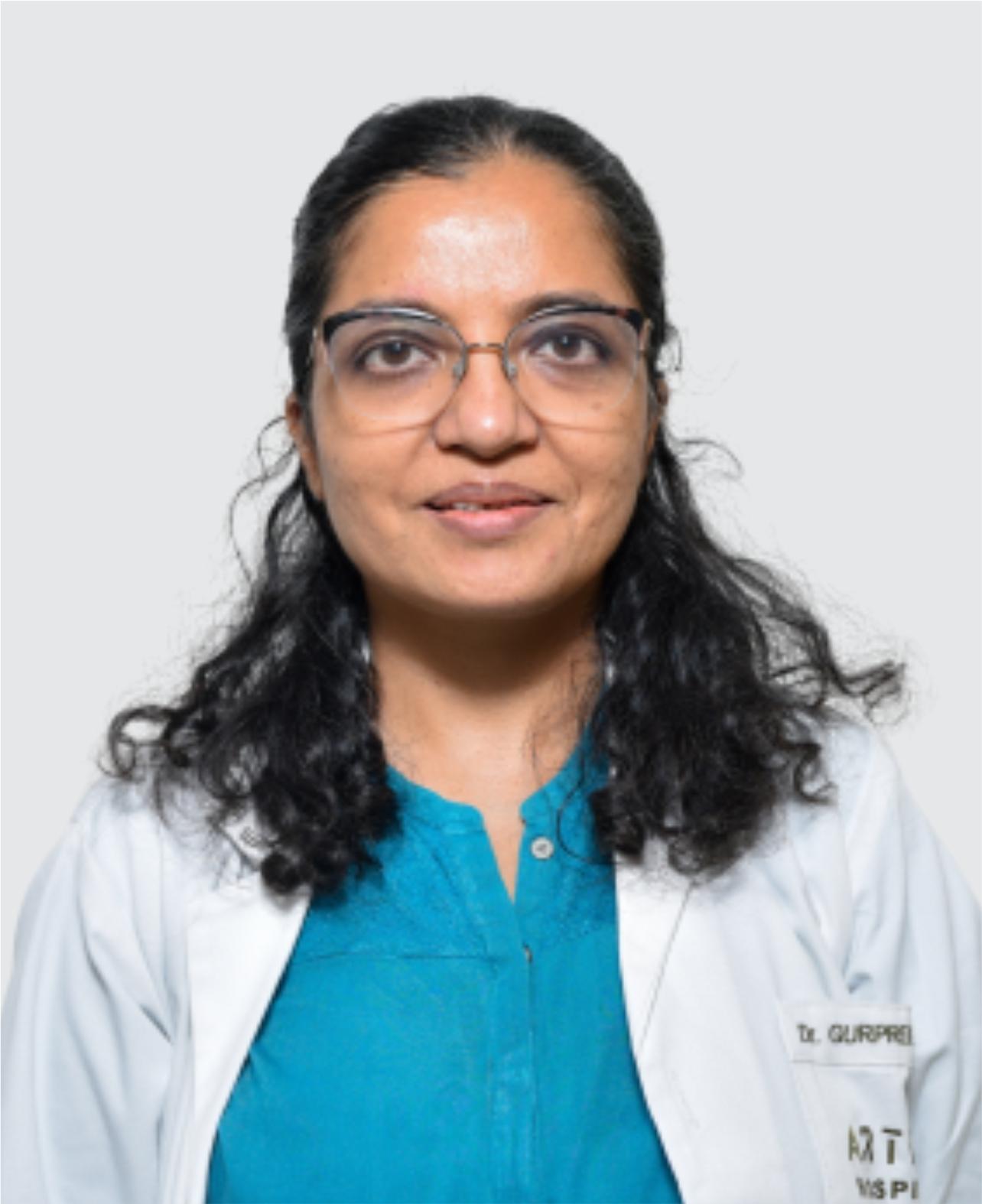
Head Imaging & Chief DNB Program
Radiology
New Delhi
19+ Years
Experience
Artemis Hospital
Hospital
1500
Fees
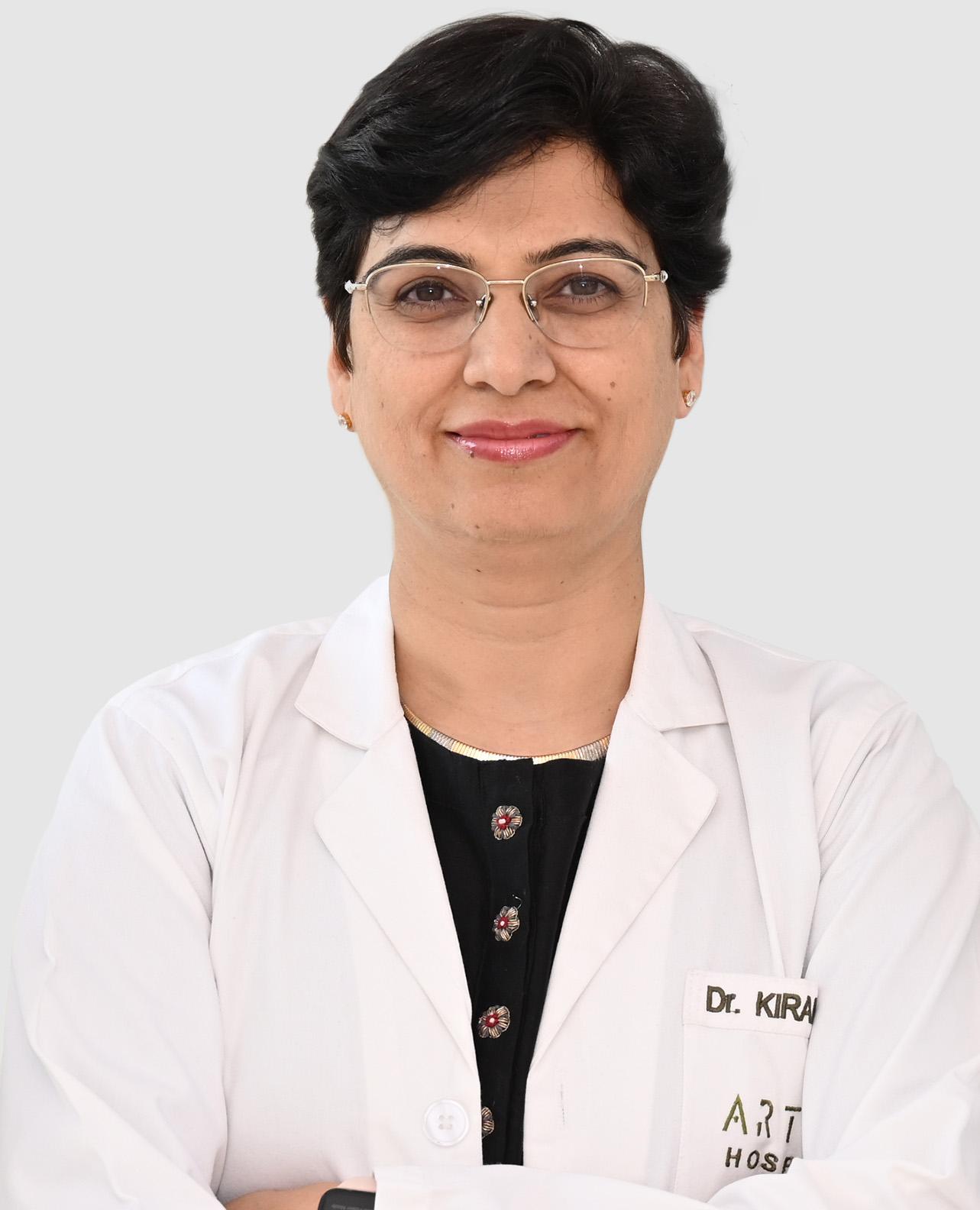
Unit Head - Reproductive Medicine (Unit II)
IVF, Reproductive Medicine, Obstetrics & Gynecology
New Delhi
20+ Years
Experience
Artemis Hospital
Hospital
1500
Fees
Sr. Consultant - Obs & Gynae
Maternity, Obstetrics & Gynaecology
New Delhi
15+ Years
Experience
Artemis Hospital
Hospital
1500
Fees

Unit Head - Obs & Gynae
Maternity, Obstetrics & Gynaecology
New Delhi
19+ Years
Experience
Artemis Hospital
Hospital
1500
Fees
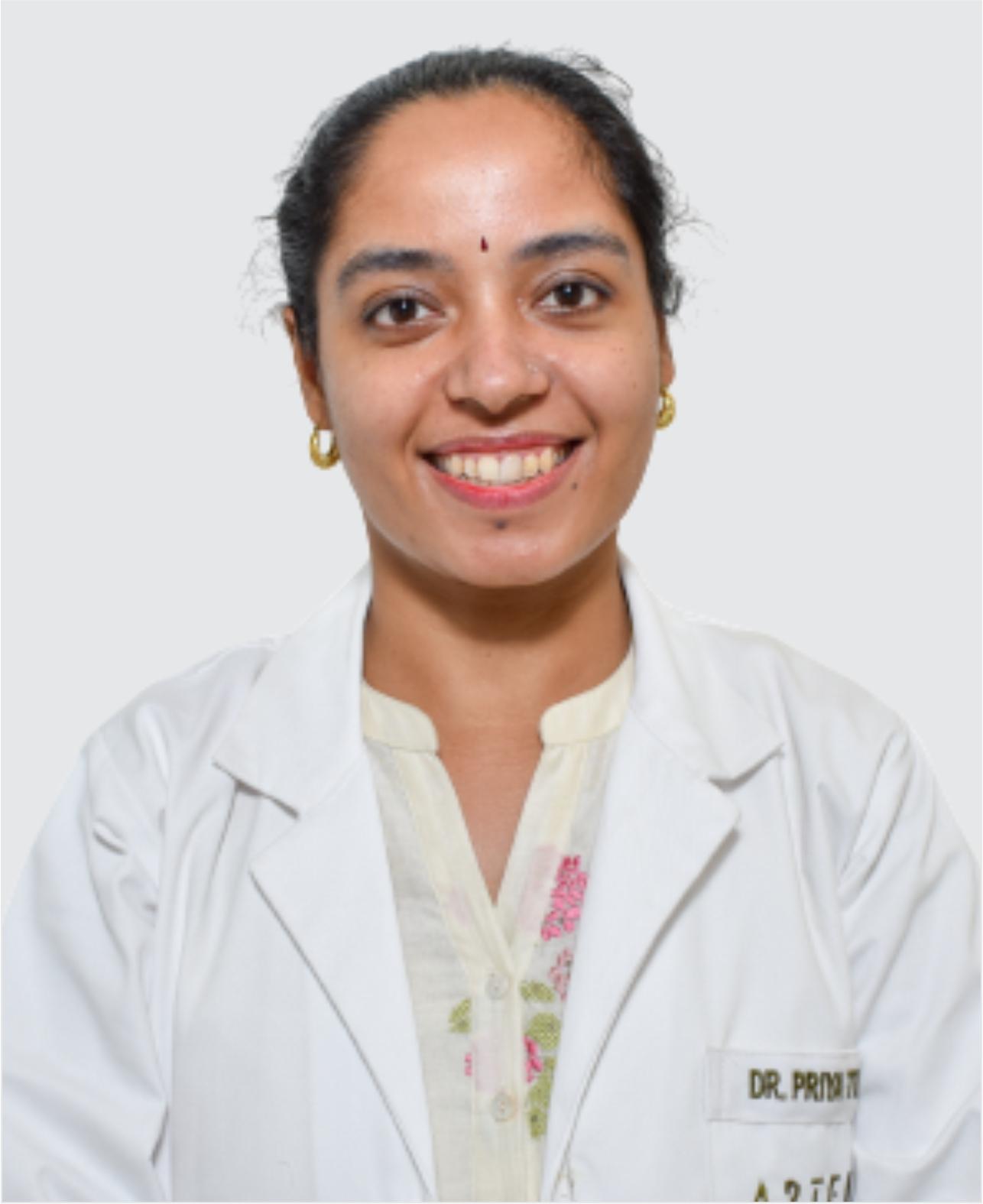
Sr. Consultant
Radiology
New Delhi
12+ Years
Experience
Artemis Hospital
Hospital
1500
Fees
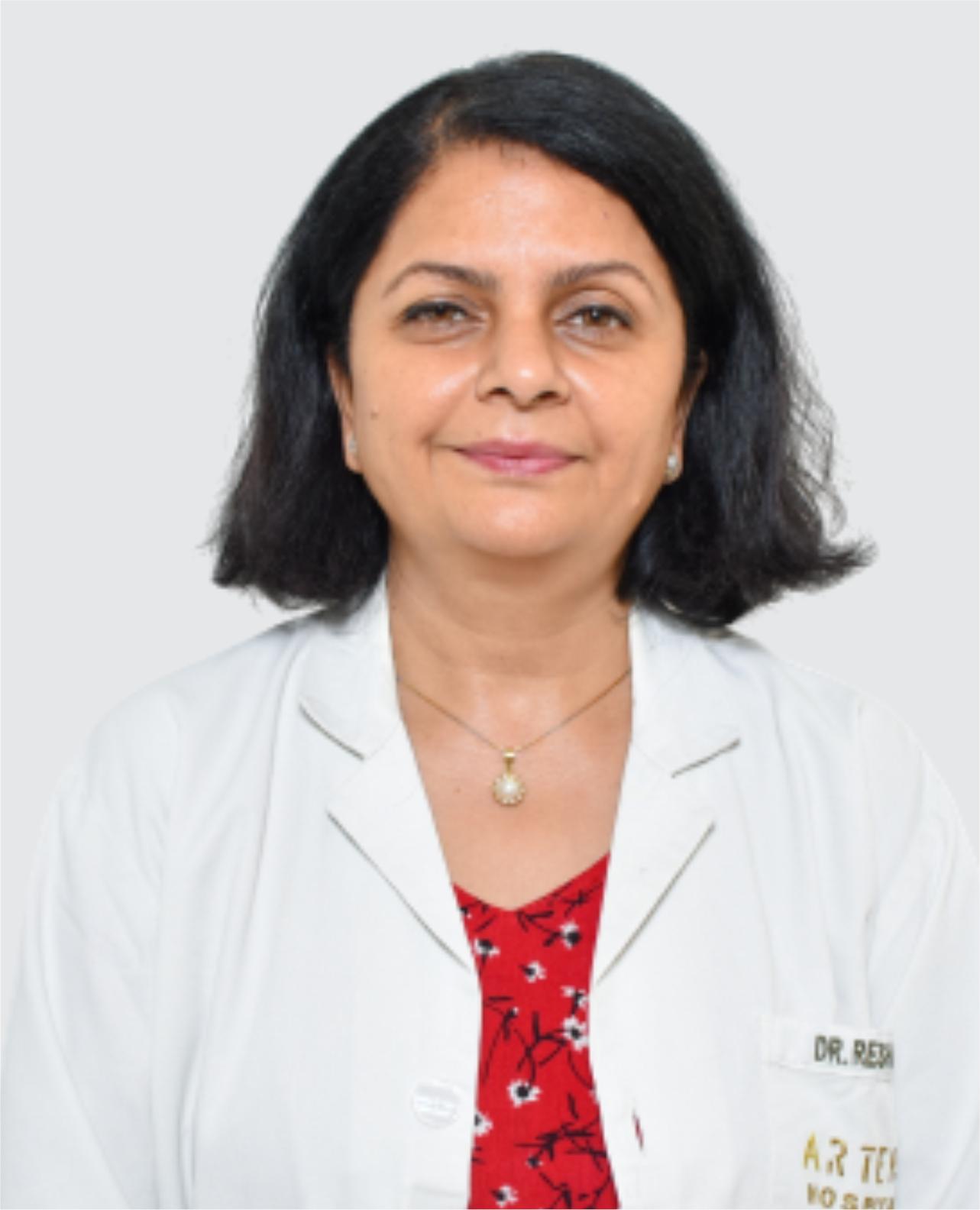
Director
Obstetrics and Gynaecology
New Delhi
19+ Years
Experience
Artemis Hospital
Hospital
1500
Fees
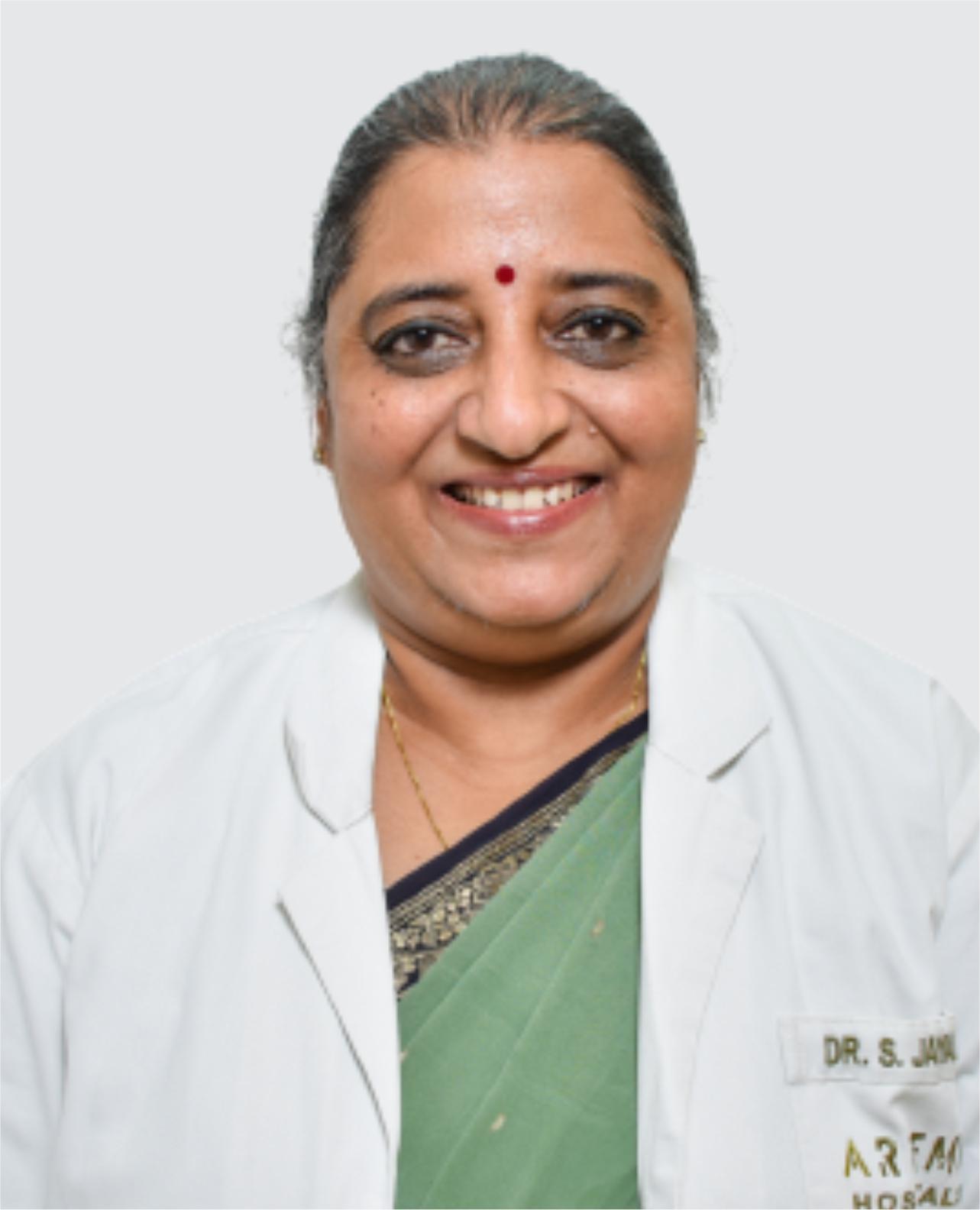
Head - Radiation Oncology & CyberKnife Centre (Unit II)
Oncology
New Delhi
23+ Years
Experience
Artemis Hospital
Hospital
1500
Fees
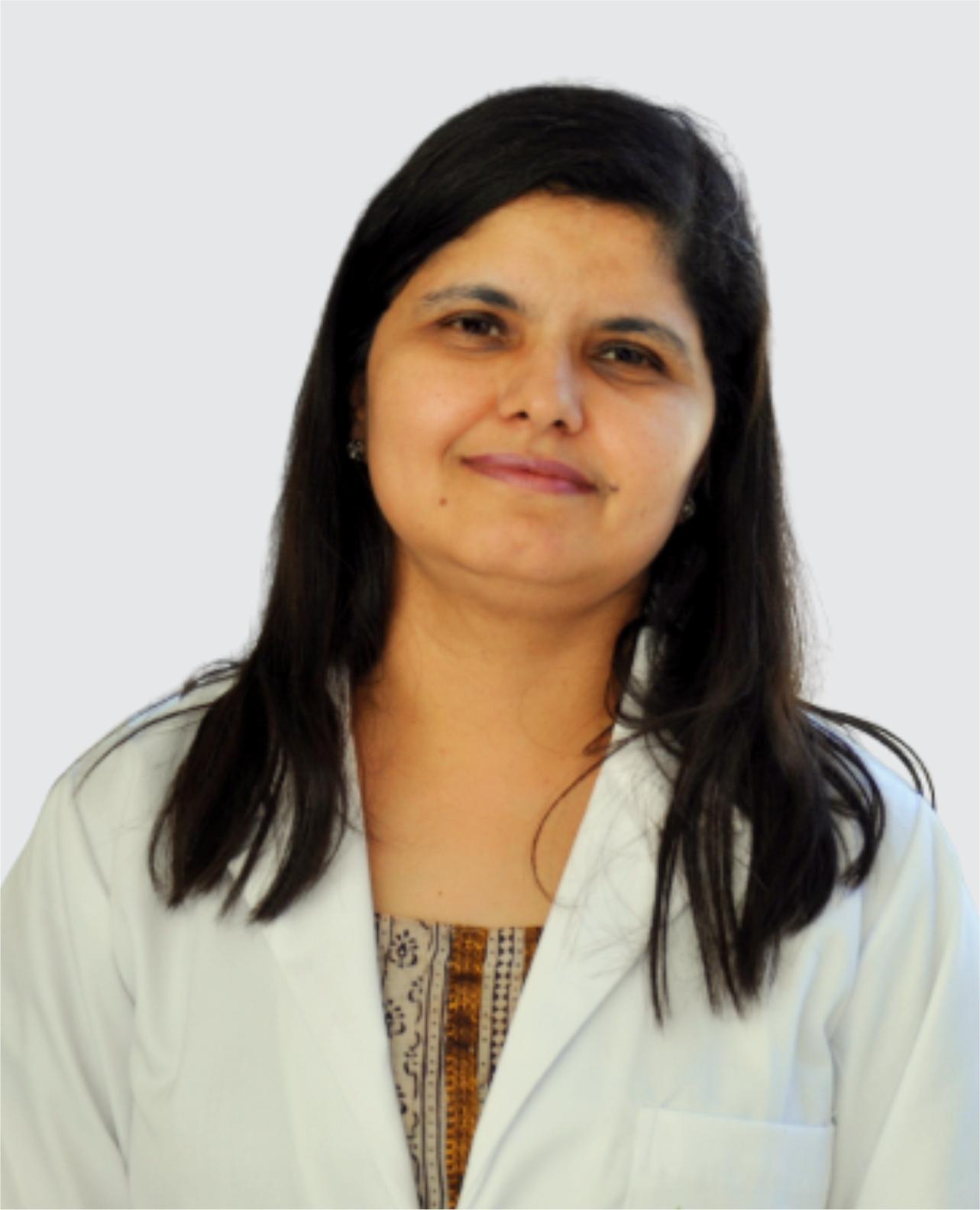
Unit Head & Sr. Consultant - Internal Medicine
Internal Medicine
New Delhi
14+ Years
Experience
Artemis Hospital
Hospital
1500
Fees
Sr. Consultant - Gynaecology & Obstetrics
Gynaecology & Obstetrics
New Delhi
15+ Years
Experience
Apolo Delhi
Hospital
1500
Fees
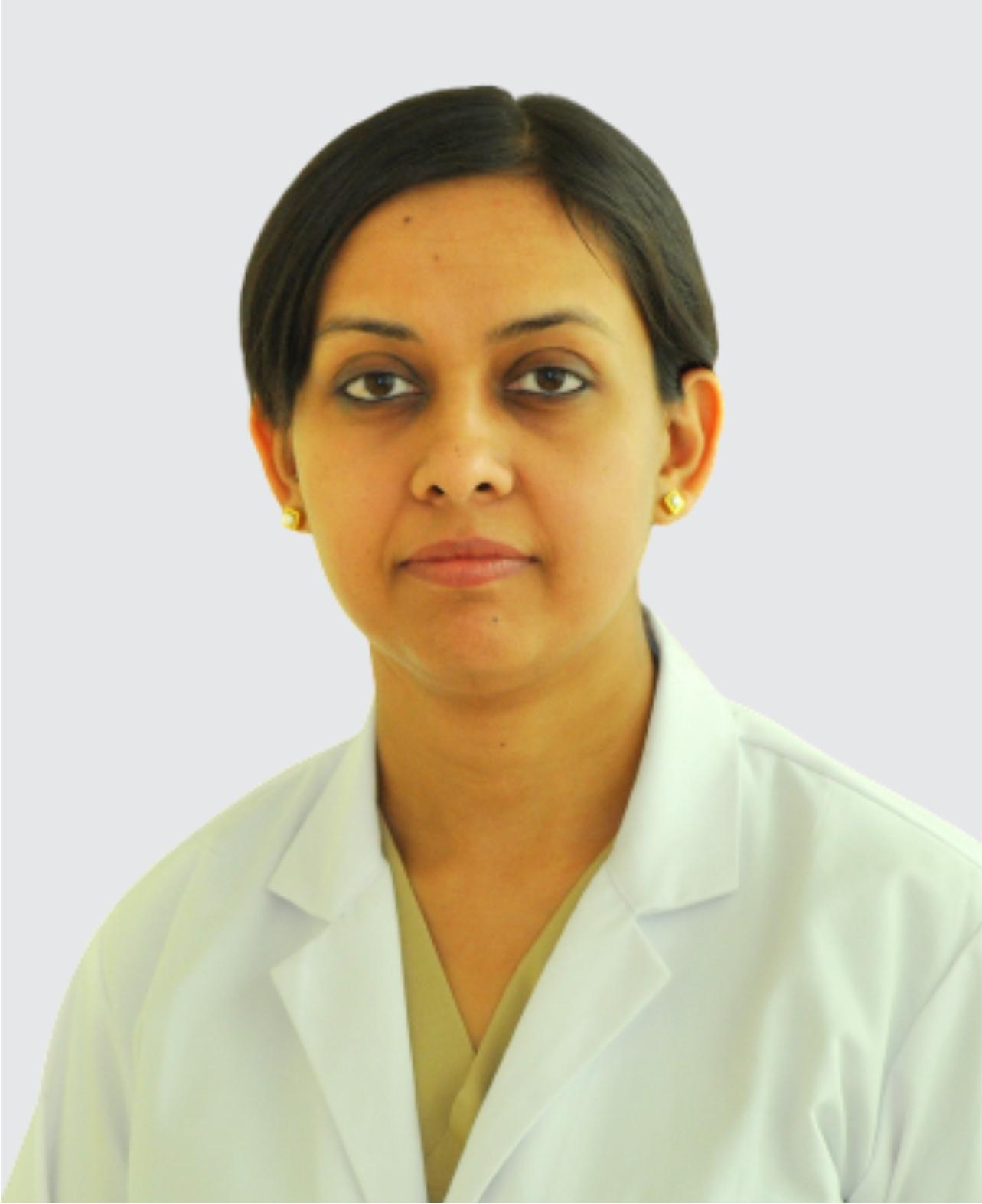
Director
Obstetrics & Gynaecology
New Delhi
15+ Years
Experience
Artemis Hospital
Hospital
1500
Fees
Classified Consultant
Obstetrics & Gynaecology, Maternity, Women's Health
New Delhi
8+ Years
Experience
Artemis Hospital
Hospital
1500
Fees
Consultant
Obstetrics & Gynaecology
New Delhi
8+ Years
Experience
Artemis Hospital
Hospital
1500
Fees
Director, Medical Oncology
Medical Oncology and Haematology
New Delhi
26+ Years
Experience
Max Hospital,Gurgaon
Hospital
1500
Fees
Vice Chairman, Cardiac Sciences, Cardiology, Interventional Cardiology, Cardiac Electrophysiology-Pacemaker & Director & HOD (Interventional Cardiology) at Max Super Speciality Hospital, Shalimar Bagh, Delhi
Interventional Cardiology
New Delhi
26+ Years
Experience
Max Hospital,Gurgaon
Hospital
1500
Fees
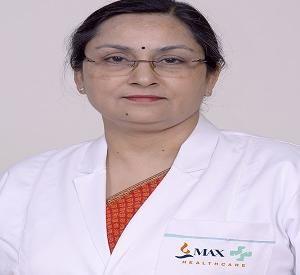
Vice Chairman - Nephrology
Nephrology & Renal Transplant Medicine
New Delhi
17+ Years
Experience
Max Hospital,Gurgaon
Hospital
1500
Fees
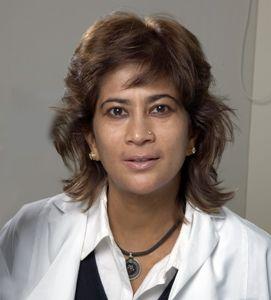
Principal Director - Max Lab & Blood Bank Services
Laboratory Medicine, Transfusion Medicine, Pathology
New Delhi
32+ Years
Experience
Max Hospital,Gurgaon
Hospital
1500
Fees
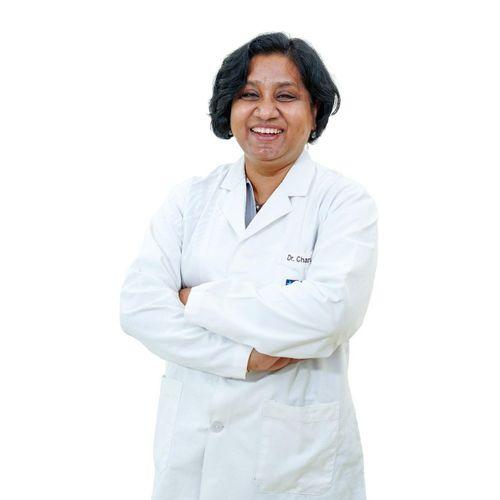
Principal Director - Radiation Oncology
Radiation Oncology
New Delhi
23+ Years
Experience
Max Hospital,Gurgaon
Hospital
1500
Fees
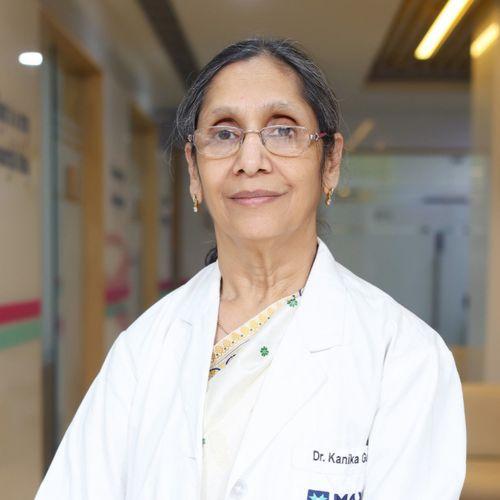
Principal Director – Surgical Oncology (Gynae & Robotic Surgery)
Gynecologic Oncology, Robotic & Laparoscopic Surgery, Gynae Cancer Care, Surgical Oncology
New Delhi
39+ Years
Experience
Max Hospital,Gurgaon
Hospital
1500
Fees
Principal Director & HOD
Paediatrics (Ped)
New Delhi
30+ Years
Experience
Max Hospital,Gurgaon
Hospital
1500
Fees
Principal Director (Obstetrics & Gynaecology) & Head of Unit
Obstetrics, Gynaecology, Gynaecologic Laparoscopy, High-Risk Pregnancy, Endoscopy Surgery
New Delhi
44+ Years
Experience
Max Hospital,Gurgaon
Hospital
1500
Fees
Principal Director - Obstetrics & Gynaecology
Obstetrics And Gynaecology, Robotic Surgery, Gynaecologic Laparoscopy
New Delhi
33+ Years
Experience
Max Hospital,Gurgaon
Hospital
1500
Fees
Sr. Consultant
Obstetrics & Gynaecology
New Delhi
20+ Years
Experience
Apolo Delhi
Hospital
1500
Fees
Associate Director
Pulmonology
New Delhi
20+ Years
Experience
Apolo Delhi
Hospital
1500
Fees
Sr. Consultant
Obstetrics And Gynaecology
New Delhi
15+ Years
Experience
Apolo Delhi
Hospital
1500
Fees
Senior Consultant - Obstetrics and Gynaecology
Obstetrics and Gynaecology
New Delhi
24+ Years
Experience
Apolo Delhi
Hospital
1500
Fees
Associate Director
Pulmonology
New Delhi
22+ Years
Experience
Apolo Delhi
Hospital
1500
Fees
Director - Obstetrics & Gynaecology
Obstetrics & Gynaecology
New Delhi
18+ Years
Experience
Apolo Delhi
Hospital
1500
Fees
Senior Consultant
Obstetrics & Gynaecology
New Delhi
22+ Years
Experience
Apolo Delhi
Hospital
1500
Fees
Senior Consultant - Obstetrics & Gynaecology
Obstetrics & Gynaecology
New Delhi
23+ Years
Experience
Apolo Delhi
Hospital
1500
Fees
Senior Consultant
Obstetrics and Gynaecology
New Delhi
24+ Years
Experience
Apolo Delhi
Hospital
1500
Fees

Senior Consultant
Cardiac Sciences, Interventional Cardiology
New Delhi
25+ Years
Experience
Apolo Delhi
Hospital
1500
Fees
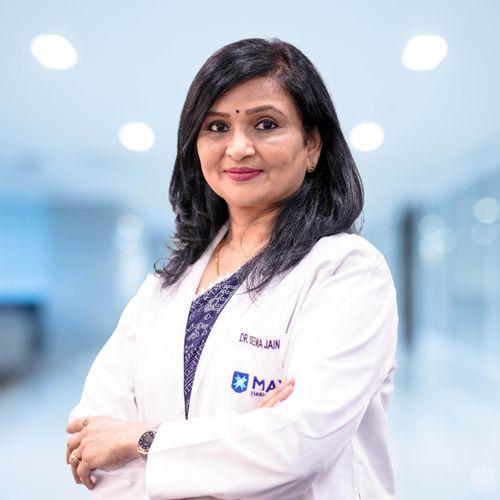
Director
Obstetrics & Gynaecology
New Delhi
20+ Years
Experience
Apolo Delhi
Hospital
1500
Fees
Director
Obstetrics & Gynaecology
New Delhi
22+ Years
Experience
Apolo Delhi
Hospital
1500
Fees
Senior Consultant
Obstetrics and Gynaecology
New Delhi
15+ Years
Experience
Apolo Delhi
Hospital
1500
Fees
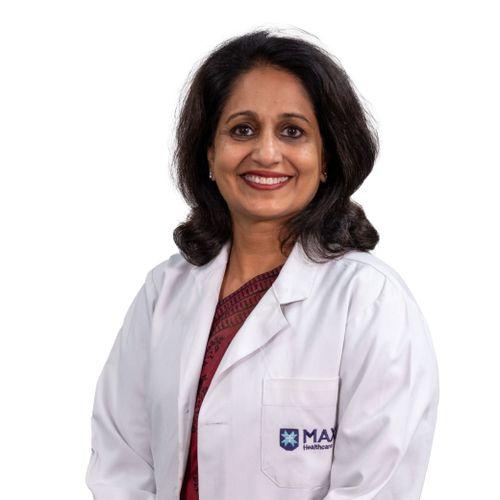
Director
Obstetrics & Gynaecology
New Delhi
18+ Years
Experience
Apolo Delhi
Hospital
1500
Fees
Director & Chief of Service - Obstetrics & Gynaecology
Obstetrics & Gynaecology
New Delhi
24+ Years
Experience
Apolo Delhi
Hospital
1500
Fees
Director
Obstetrics & Gynaecology
New Delhi
18+ Years
Experience
Apolo Delhi
Hospital
1500
Fees
احصل على خيارات علاجية شخصية من أفضل مستشفيات الهند. خبراؤنا الطبيون جاهزون لمساعدتك في كل خطوة.