
بحاجة لنصيحة شخصية؟
خبراؤنا الطبيون جاهزون للإجابة عن أسئلتك وإرشادك خلال خيارات العلاج.
خبراؤنا الطبيون جاهزون للإجابة عن أسئلتك وإرشادك خلال خيارات العلاج.
For patients from Bangladesh considering advanced medical care, facing a diagnosis that requires interventional radiology procedures can bring a mix of hope and uncertainty. Understanding the available options, particularly abroad, becomes a priority to ensure the best possible health outcomes.
Many international patients, including those from Bangladesh, increasingly choose Pune for specialized treatments. The city offers a balanced environment of modern medical facilities, skilled specialists, and a supportive atmosphere that aids the entire treatment journey, making coordination seamless.
Pune’s hospitals are recognized for their clinical excellence in interventional radiology, equipped with advanced technology and experienced medical teams. This ensures a high standard of care, with facilities for smooth follow-ups and comprehensive recovery support within the city.
Pune provides a well-regarded destination for interventional radiology procedures, offering accessible and quality medical attention.
Interventional radiology procedures are minimally invasive, image-guided techniques used to diagnose and treat a wide range of conditions across nearly every organ system. These procedures typically involve making a small incision, often just a pinhole, through which thin catheters or wires are guided to the target area using real-time imaging like X-rays, ultrasound, or CT scans. This approach often results in less pain, fewer risks, and shorter recovery times compared to traditional open surgery. Specialists in interventional radiology work closely with other medical teams to provide targeted and effective treatment solutions.
Angiography and Angioplasty/Stenting: Used to visualize and treat blockages or narrowing in blood vessels, improving blood flow.
Embolization: Procedures designed to block blood vessels, often used to stop bleeding, shrink tumors, or treat conditions like uterine fibroids or enlarged prostates.
Biopsy: Image-guided collection of tissue samples from organs such as the liver, lung, or kidney for diagnostic analysis.
Tumor Ablation: Techniques like radiofrequency ablation, microwave ablation, or cryoablation that use heat or cold to destroy cancerous tumors without open surgery.
Vertebroplasty and Kyphoplasty: Treatments for spinal compression fractures, involving injecting bone cement into the fractured vertebra to stabilize it and reduce pain.
Draining Procedures: Placement of catheters to drain fluid collections or abscesses from various parts of the body.
The specific method for performing interventional radiology procedures depends on the condition being treated and the patient's individual treatment plan.
Most interventional radiology procedures begin with local anesthesia applied to the skin, often supplemented with conscious sedation to ensure patient comfort. The interventional radiologist then makes a small skin incision, usually just a few millimeters, to access the target area.
Using advanced imaging guidance, such as fluoroscopy (real-time X-ray), ultrasound, or CT, a fine needle or catheter is precisely navigated through blood vessels or tissues to the specific site requiring treatment. Contrast dye may be injected to visualize blood vessels or other structures more clearly during the procedure.
Once the catheter or instrument is in position, the therapeutic intervention is performed. This could involve delivering medication, deploying a stent, ablating tissue, or taking a biopsy sample. Throughout the procedure, the medical team closely monitors the patient's vital signs and comfort levels. After the intervention, the instruments are carefully withdrawn, and the tiny incision is typically covered with a small dressing, often requiring no stitches.
Recovery from interventional radiology procedures is generally quicker and less complex than open surgery due to their minimally invasive nature. Most patients experience mild discomfort at the access site, which can be managed with standard pain relief. Depending on the procedure, patients may be observed for a few hours or overnight before discharge. Specific post-procedure instructions will be provided, including restrictions on strenuous activities, advice on wound care, and medication management. Follow-up appointments are crucial to monitor healing and assess the success of the treatment, ensuring a smooth return to daily activities.
Seeking expert advice for Interventional Radiology procedures? Connect with leading specialists in Pune today.
Interventional radiology procedures generally boast high success rates, largely due to the precision afforded by image guidance and the expertise of the specialists. Outcomes can vary depending on the patient's overall health, the specific condition being treated, and the stage of the disease. For many conditions, these procedures offer effective symptom relief, disease control, and improved quality of life. Long-term expectations are carefully discussed during consultations, tailored to each patient's unique medical profile and treatment goals.
The cost of interventional radiology procedures in Pune can vary based on several factors, including the specific type of procedure, the complexity of the case, the hospital chosen, the experience of the treating specialist, and the technology utilized. Other elements such as pre-operative evaluations, post-operative care, and length of hospital stay also influence the overall expenses.
For a general range, interventional radiology procedures in Pune can typically start from approximately INR 1,50,000 and go up to INR 5,00,000 or more, depending on the intervention.
Patients from Bangladesh often find Pune to be a highly cost-effective option for interventional radiology when compared to medical centers in Western countries, without compromising on quality of care.
| Location | Estimated Cost (USD) |
|---|---|
| Pune, India | $1,800 - $6,000 |
| United States | $10,000 - $35,000 |
| United Kingdom | $8,000 - $25,000 |
| Singapore | $7,000 - $20,000 |
Considering Interventional Radiology procedures in Pune? Reach out to us for personalized guidance and hospital comparisons.
Our team is here to provide all necessary guidance and support as you consider interventional radiology procedures in Pune, offering clarity and assistance every step of the way.
India offers premium medical procedures at affordable prices. Discover our most popular treatments, delivered by the country's finest doctors.
Meet our team of highly qualified and experienced medical professionals dedicated to providing the best healthcare services.

Sr. Consultant – Women Imaging
Radiology (Specializing in Women's Imaging)
Haryana
15+ Years
Experience
Artemis Hospital
Hospital
1500
Fees
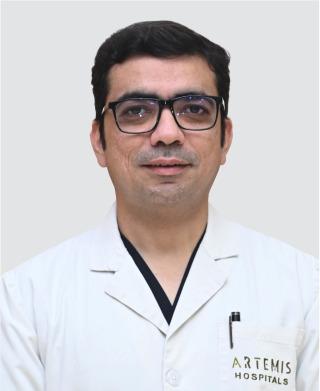
Director & Chief
Neurointerventional Surgery
New Delhi
15+ Years
Experience
Artemis Hospital
Hospital
1500
Fees

Additional Consultant - Neuro Interventional Surgery
Neurointerventional Surgery
New Delhi
20+ Years
Experience
Artemis Hospital
Hospital
1500
Fees
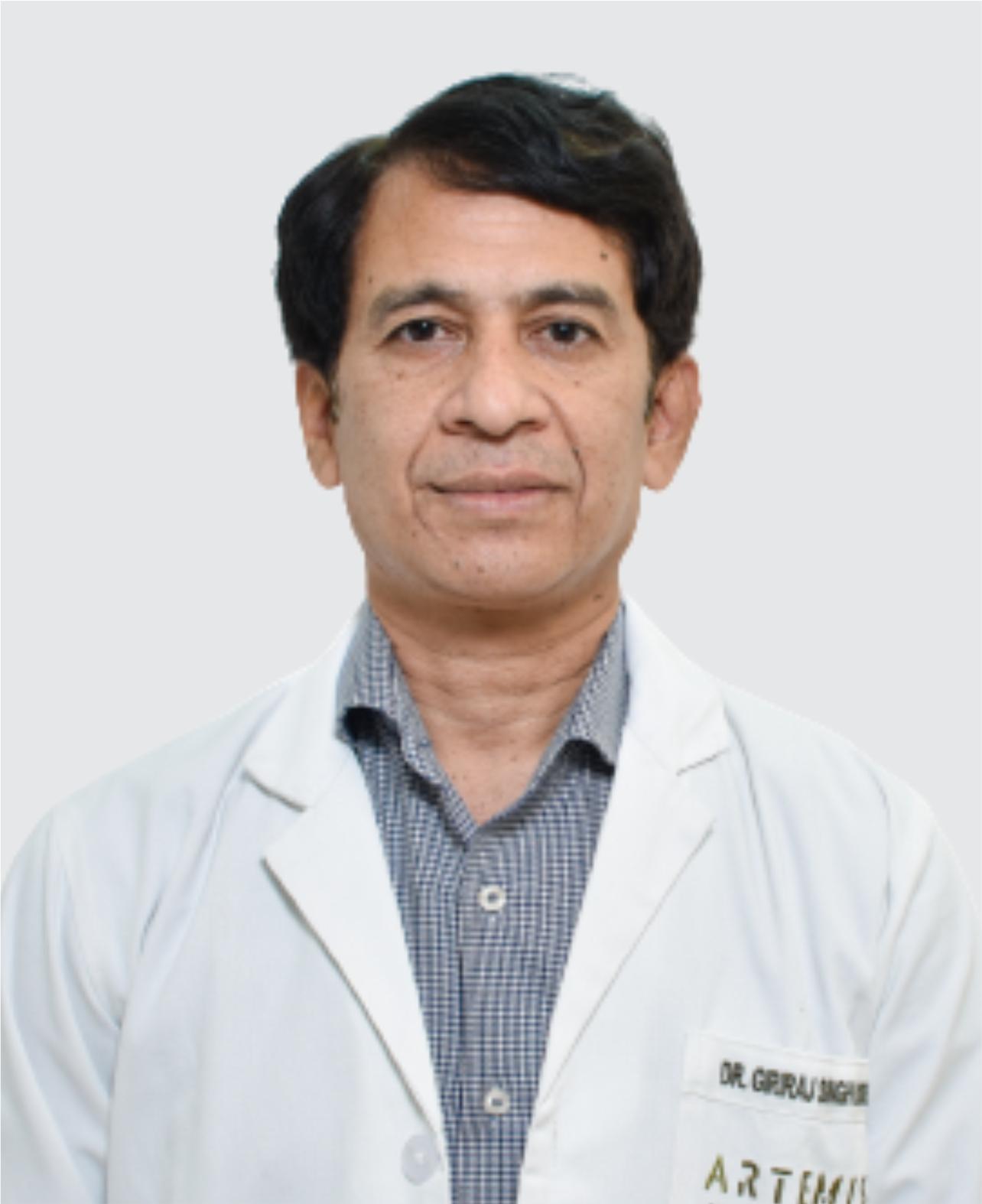
Chief - Liver Transplant & Sr. Consultant - GI & HPB Surgery
Liver and Biliary Sciences, Organ Transplant
New Delhi
15+ Years
Experience
Artemis Hospital
Hospital
1500
Fees
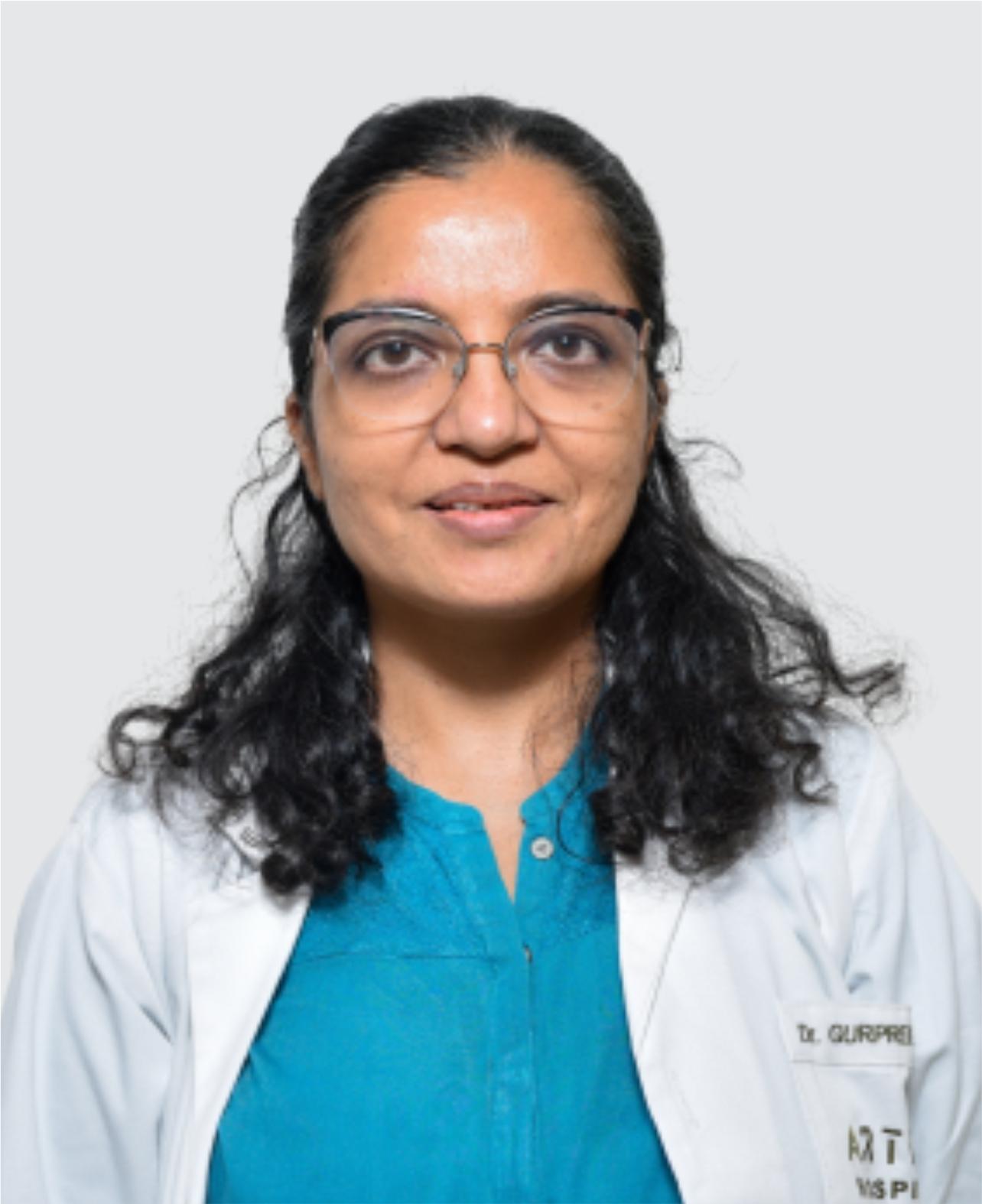
Head Imaging & Chief DNB Program
Radiology
New Delhi
19+ Years
Experience
Artemis Hospital
Hospital
1500
Fees
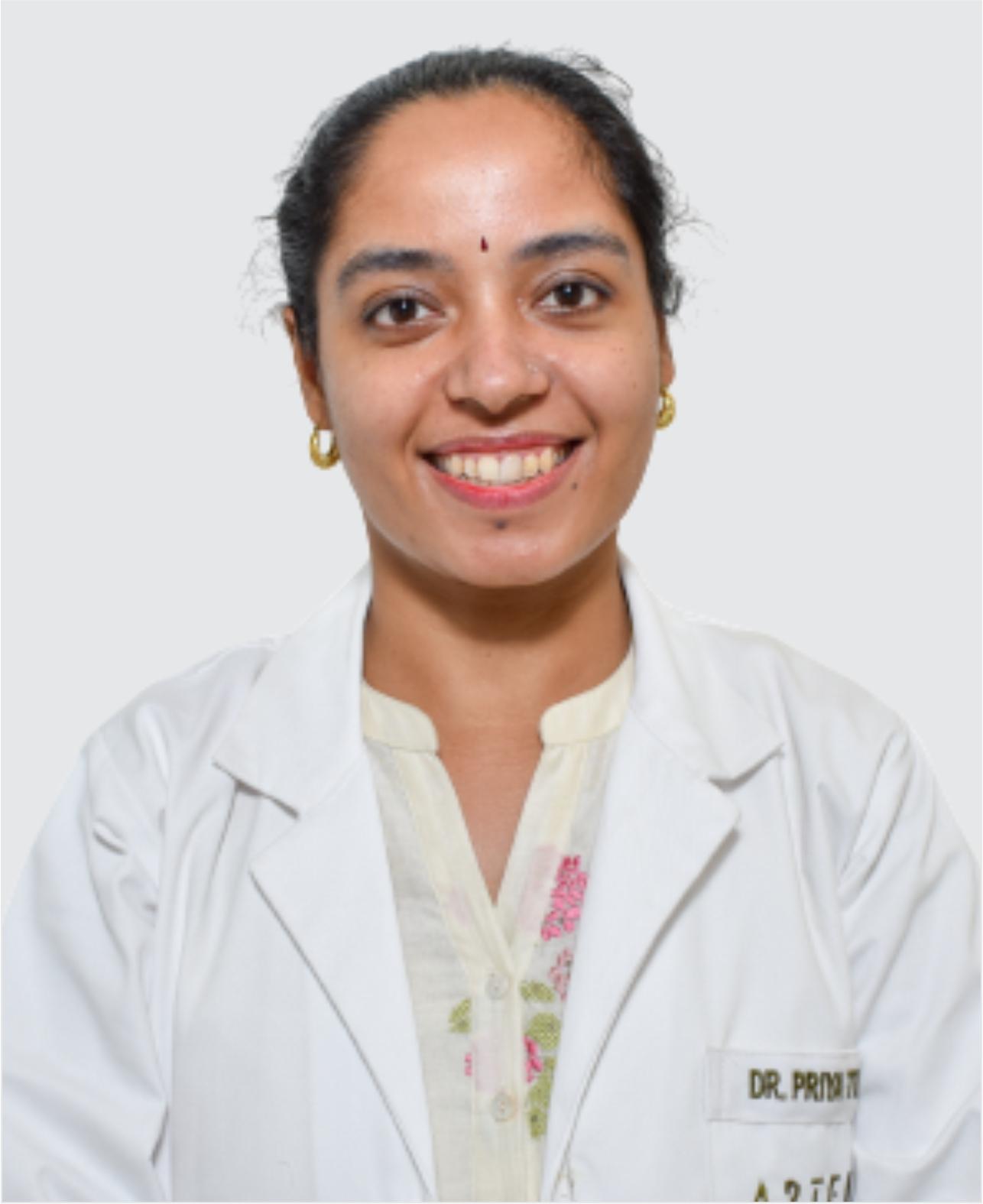
Sr. Consultant
Radiology
New Delhi
12+ Years
Experience
Artemis Hospital
Hospital
1500
Fees

Vice Chairman, Cardiac Sciences, Cardiology, Interventional Cardiology, Cardiac Electrophysiology-Pacemaker & Director & HOD (Interventional Cardiology) at Max Super Speciality Hospital, Shalimar Bagh, Delhi
Interventional Cardiology
New Delhi
26+ Years
Experience
Max Hospital,Gurgaon
Hospital
1500
Fees
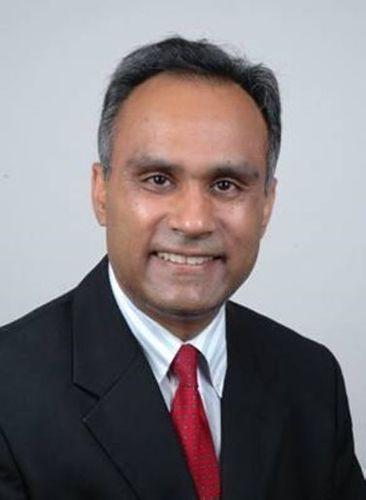
Associate Director
Pulmonology
New Delhi
20+ Years
Experience
Apolo Delhi
Hospital
1500
Fees
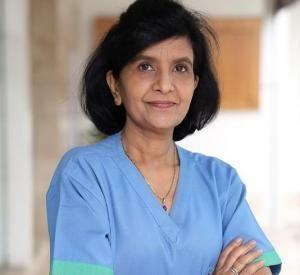
Associate Director
Pulmonology
New Delhi
22+ Years
Experience
Apolo Delhi
Hospital
1500
Fees

Senior Consultant
Cardiac Sciences, Interventional Cardiology
New Delhi
25+ Years
Experience
Apolo Delhi
Hospital
1500
Fees
احصل على خيارات علاجية شخصية من أفضل مستشفيات الهند. خبراؤنا الطبيون جاهزون لمساعدتك في كل خطوة.