
Cardiac Ablation for Arrhythmias Treatment in Bengaluru for Ethiopia
بحاجة لنصيحة شخصية؟
خبراؤنا الطبيون جاهزون للإجابة عن أسئلتك وإرشادك خلال خيارات العلاج.
خبراؤنا الطبيون جاهزون للإجابة عن أسئلتك وإرشادك خلال خيارات العلاج.
Are you an Ethiopian patient concerned about persistent heart rhythm issues, searching for effective and accessible Cardiac Ablation for Arrhythmias? Dealing with an irregular heartbeat can be unsettling, and finding advanced cardiac care at a manageable cost is often a significant worry.
Many individuals from Ethiopia explore medical options beyond their borders to access highly specialized treatments, advanced medical technology, or simply more cost-effective healthcare solutions that meet international standards.
Patients worldwide increasingly trust India, and specifically Bengaluru, for complex cardiac procedures. It offers world-class hospitals, experienced cardiologists, and modern medical facilities, providing high-quality care that prioritizes patient well-being and successful outcomes.
Ready to explore a path to a stable heart rhythm and improved well-being?
Cardiac ablation is a medical procedure designed to correct heart rhythm problems, known as arrhythmias. It works by creating small scars in specific areas of the heart tissue that are causing the irregular electrical signals. These scars block the abnormal signals, helping the heart return to a normal, steady rhythm. This procedure offers a long-term solution for many patients who suffer from conditions like atrial fibrillation, supraventricular tachycardia, or ventricular tachycardia, significantly improving their quality of life.
Cardiac ablation procedures primarily vary by the energy source used to create the scars:
The specific steps for cardiac ablation depend on the type of arrhythmia being treated and the patient's individual treatment plan. Generally, the procedure follows a clear sequence.
Preparation: Patients receive a local anesthetic at the catheter insertion site, usually in the groin, and may be given a sedative to relax. In some cases, general anesthesia is used.
Catheter Insertion: Thin, flexible wires called catheters are guided through blood vessels, typically from the groin, up to the heart. Fluoroscopy (X-ray imaging) helps the doctor navigate these catheters precisely.
Electrophysiology (EP) Study and Mapping: Once in the heart, the catheters record electrical signals. An EP study is conducted to identify and map the exact locations of the abnormal electrical activity causing the arrhythmia.
Ablation: After identifying the target areas, energy (radiofrequency heat, cryotherapy cold, or laser) is delivered through one of the catheters to create small lesions or scars. These lesions block the abnormal electrical pathways, stopping the arrhythmia.
Confirmation: The medical team verifies that the abnormal electrical activity has been successfully eliminated and the heart's rhythm has returned to normal.
Catheter Removal and Recovery: The catheters are carefully removed, and pressure is applied to the insertion site to prevent bleeding. The patient is then moved to a recovery area for monitoring.
After cardiac ablation, patients typically stay in the hospital for a day or two for observation. During this time, the medical team monitors heart rhythm and ensures the insertion site is healing properly. Patients are advised to rest and avoid strenuous activities for several days or weeks, depending on the individual case. Some discomfort, bruising, or mild palpitations may occur initially. Follow-up appointments with the cardiologist are crucial to monitor recovery, adjust medications if needed, and assess the long-term success of the procedure. Gradual resumption of normal activities is encouraged as advised by the medical team.
The success rates for cardiac ablation vary depending on the type of arrhythmia, its severity, and individual patient factors, typically ranging from 60% to over 90% for different conditions. Many patients experience significant improvement or complete resolution of their symptoms, leading to a better quality of life. Long-term outcomes are generally positive, with ongoing follow-up care playing a key role in maintaining a stable heart rhythm.
Considering Cardiac Ablation for Arrhythmias? Connect with specialists in Bengaluru for a personalized assessment.
Get a Free Expert Opinion Today
The overall cost of Cardiac Ablation for Arrhythmias in Bengaluru can vary significantly based on several factors. These include the reputation and facilities of the chosen hospital, the fees of the lead cardiologist and their team, the specific type of ablation technique used (e.g., radiofrequency, cryoablation), the complexity of your arrhythmia, the duration of hospital stay, and any additional pre or post-procedure care required.
In Bengaluru, the estimated cost for Cardiac Ablation for Arrhythmias typically ranges from 3,00,000 INR to 7,50,000 INR. This range is an approximation and can change based on the individualized treatment plan.
Patients from Ethiopia often find that the cost of advanced cardiac procedures like ablation in Bengaluru is considerably more affordable without compromising on the quality of care or technology. Below is a comparative estimate in US Dollars.
| Location | Estimated Cost Range (USD) |
|---|---|
| Bengaluru, India | $3,500 - $8,500 |
| Ethiopia | $8,000 - $15,000+ |
Ready to get a precise cost estimate for your Cardiac Ablation in Bengaluru?
Request a Detailed Treatment Plan and Quote
Embarking on a journey for advanced cardiac care can feel daunting, but with the right guidance and world-class expertise available in Bengaluru, a healthier future is within reach.
India offers premium medical procedures at affordable prices. Discover our most popular treatments, delivered by the country's finest doctors.
Meet our team of highly qualified and experienced medical professionals dedicated to providing the best healthcare services.

Chief Cardiology (Unit IV)
Cardiology
New Delhi
30+ Years
Experience
Artemis Hospital
Hospital
1500
Fees

Senior Consultant
Obstetrics and Gynaecology
New Delhi
10+ Years
Experience
Artemis Hospital
Hospital
1500
Fees
Director & Head of Department
Cardiology
New Delhi
14+ Years
Experience
Artemis Hospital
Hospital
1500
Fees

Head Unit I
Orthopaedic Surgery, Orthopaedics
New Delhi
15+ Years
Experience
Artemis Hospital
Hospital
1500
Fees

Senior Consultant - Obstetrics & Gynaecology
Obstetrics & Gynaecology
New Delhi
18+ Years
Experience
Artemis Hospital
Hospital
1500
Fees
Head of Department - Gynae Endocrinology & DNB Program Director - Obs & Gynae
Gynaecological Endocrinology, Maternity, Obstetrics & Gynaecology
New Delhi
35+ Years
Experience
Artemis Hospital
Hospital
1500
Fees

Sr. Consultant
Internal Medicine
New Delhi
12+ Years
Experience
Artemis Hospital
Hospital
1500
Fees

Senior Consultant - ENT
ENT and Head & Neck Surgery
New Delhi
24+ Years
Experience
Artemis Hospital
Hospital
1500
Fees

Consultant (Head & Neck Surgery) - Surgical Oncology
Head and Neck Surgical Oncology
New Delhi
10+ Years
Experience
Artemis Hospital
Hospital
1500
Fees

Chief and Unit Head - Orthopaedics (Unit III)
Orthopaedic Surgery, Orthopaedics, Robotic Surgery
New Delhi
20+ Years
Experience
Artemis Hospital
Hospital
1500
Fees

Chairperson - Gynae Oncology
Gynaecological Oncology
New Delhi
16+ Years
Experience
Artemis Hospital
Hospital
1500
Fees
Unit Head - Reproductive Medicine (Unit II)
IVF, Reproductive Medicine, Obstetrics & Gynecology
New Delhi
20+ Years
Experience
Artemis Hospital
Hospital
1500
Fees
Sr. Consultant - Obs & Gynae
Maternity, Obstetrics & Gynaecology
New Delhi
15+ Years
Experience
Artemis Hospital
Hospital
1500
Fees

Director - Reproductive Medicine & IVF
Reproductive Medicine & IVF
New Delhi
13+ Years
Experience
Apolo Delhi
Hospital
1500
Fees
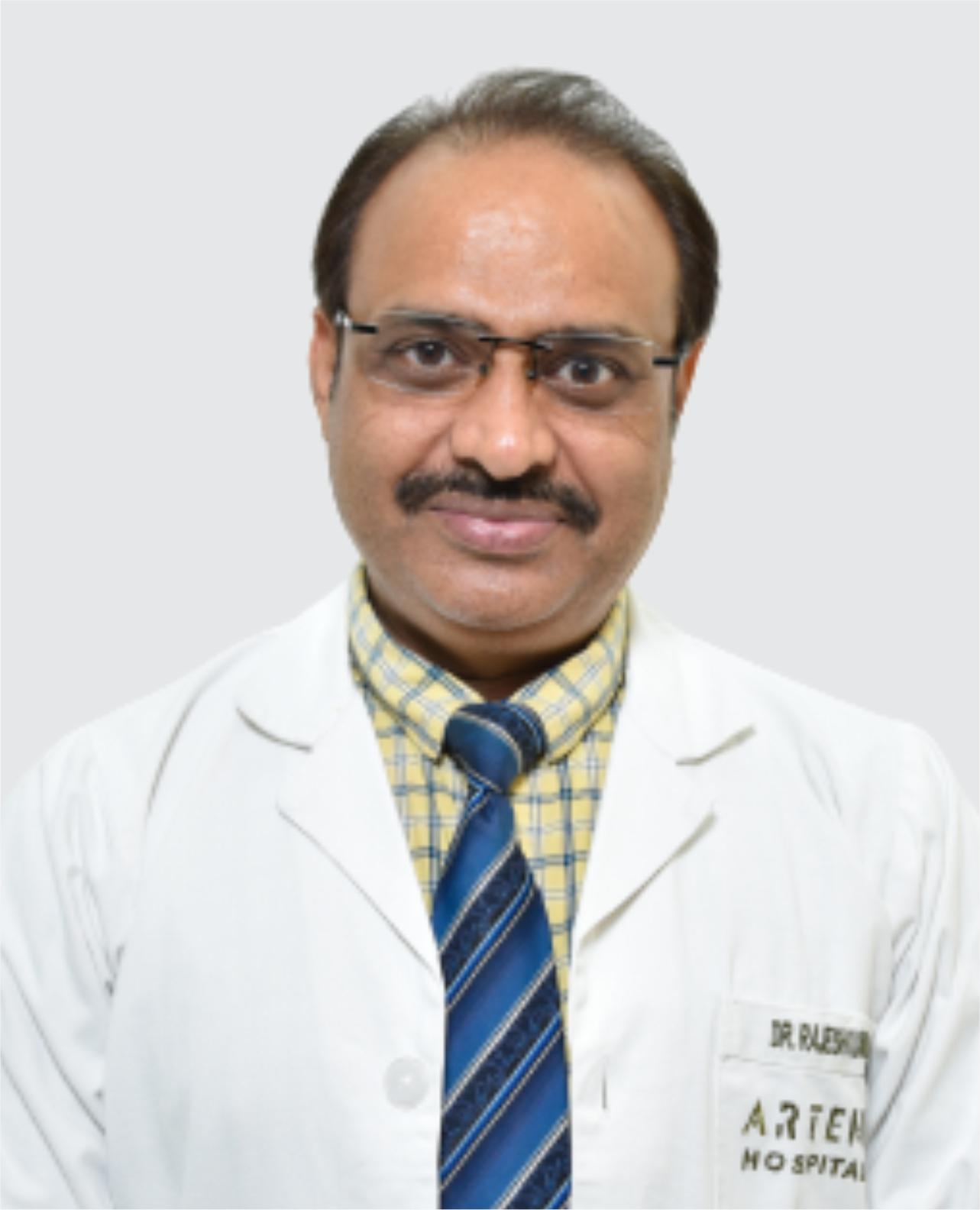
Director - Cardiology
Cardiology
New Delhi
15+ Years
Experience
Artemis Hospital
Hospital
1500
Fees
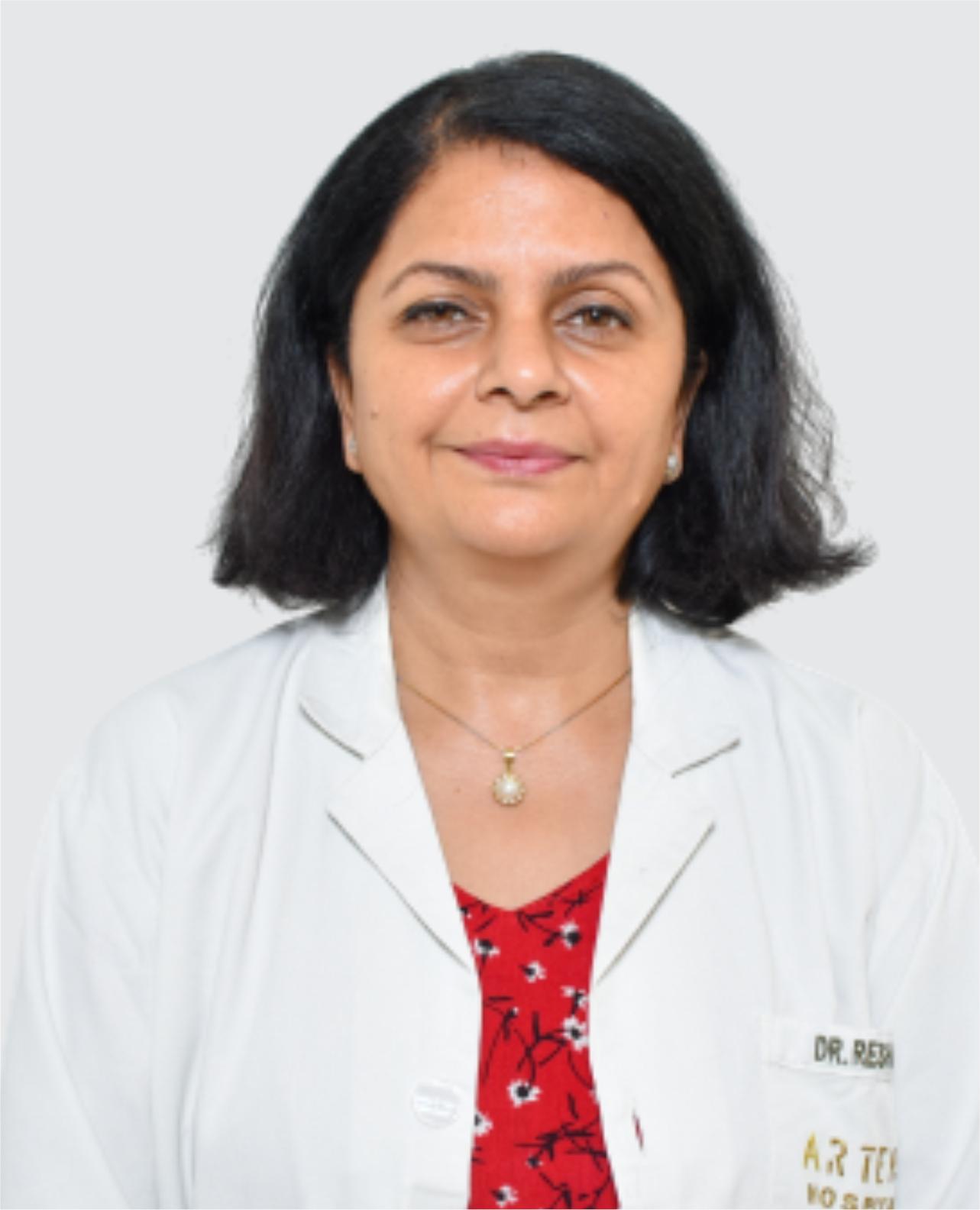
Director
Obstetrics and Gynaecology
New Delhi
19+ Years
Experience
Artemis Hospital
Hospital
1500
Fees
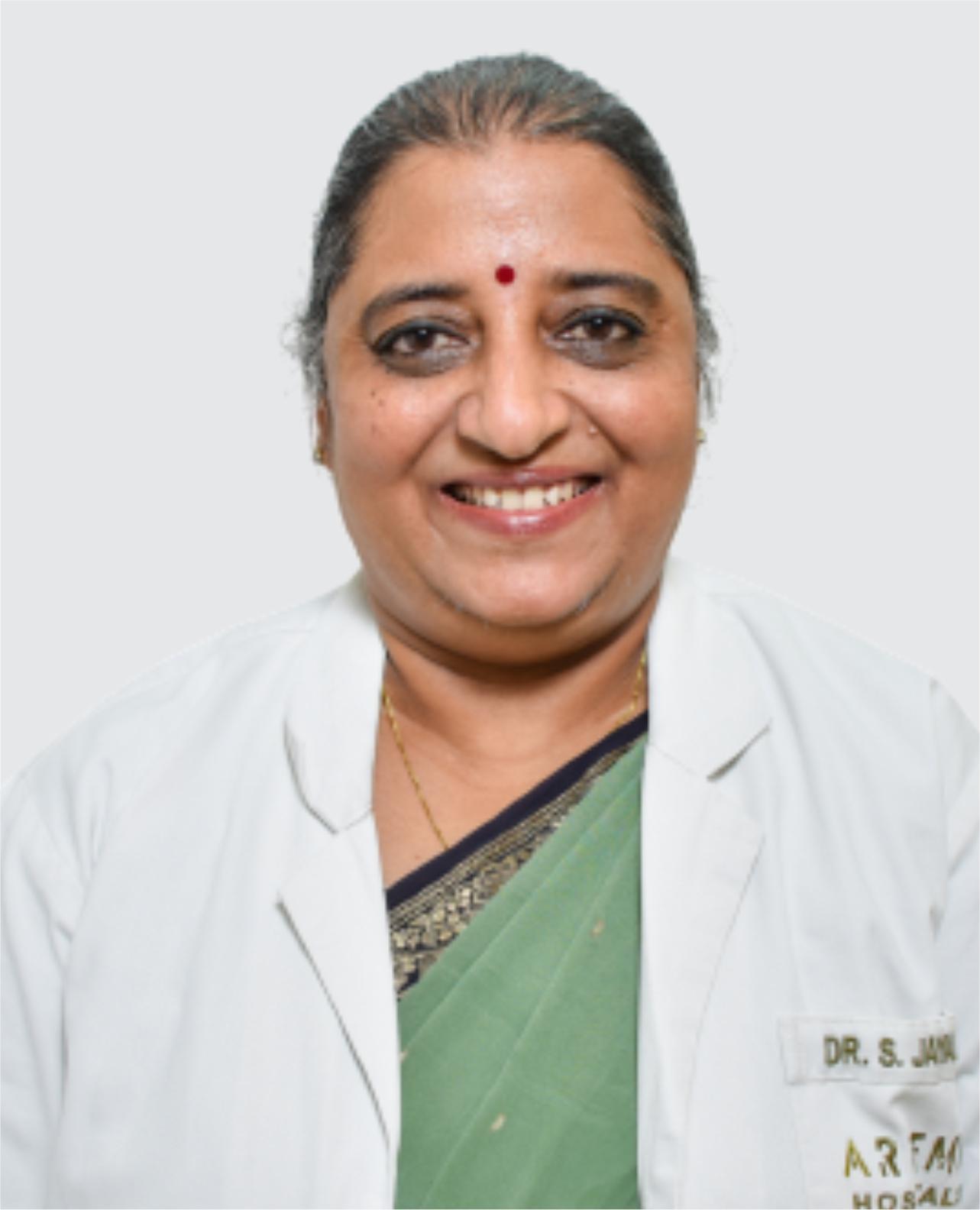
Sr. Consultant
Obstetrics & Gynaecology
New Delhi
15+ Years
Experience
Artemis Hospital
Hospital
1500
Fees
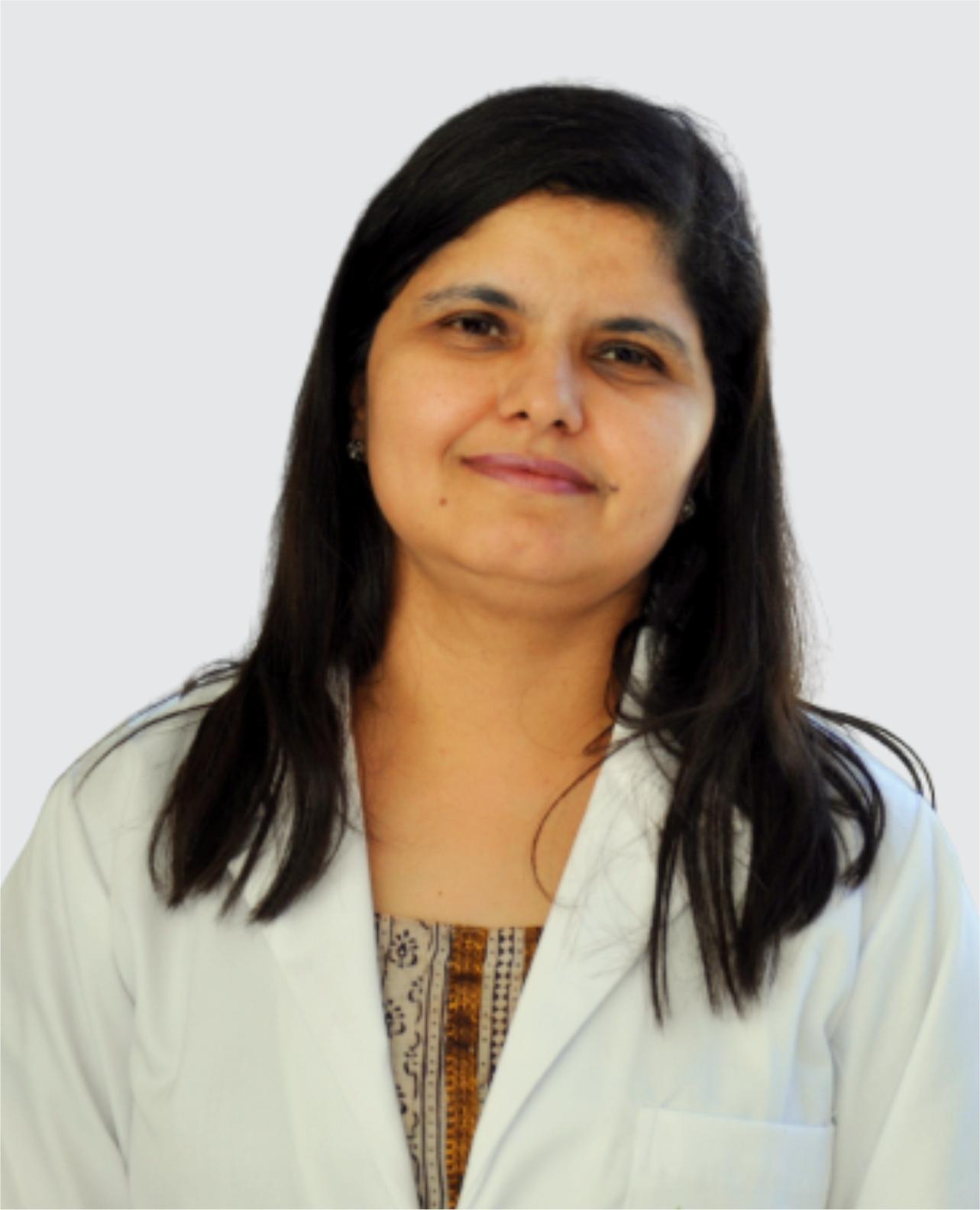
Director - Obs, Gynae & IVF
Obstetrics & Gynaecology
New Delhi
20+ Years
Experience
Artemis Hospital
Hospital
1500
Fees
Sr. Consultant - Gynaecology & Obstetrics
Gynaecology & Obstetrics
New Delhi
15+ Years
Experience
Apolo Delhi
Hospital
1500
Fees
Director
Obstetrics & Gynaecology
New Delhi
15+ Years
Experience
Artemis Hospital
Hospital
1500
Fees
Director
Cardiology
New Delhi
14+ Years
Experience
Artemis Hospital
Hospital
1500
Fees
Consultant
Obstetrics & Gynaecology
New Delhi
8+ Years
Experience
Artemis Hospital
Hospital
1500
Fees
Director - Cardiology
Cardiology
New Delhi
17+ Years
Experience
Apolo Delhi
Hospital
1500
Fees

Director & Head
Cardiology
New Delhi
20+ Years
Experience
Apolo Delhi
Hospital
1500
Fees
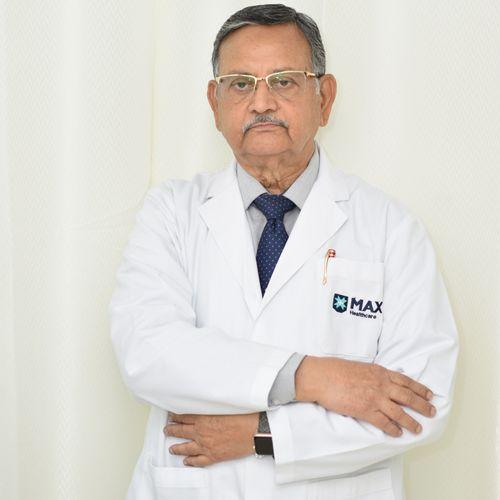
Director
Cardiology
New Delhi
21+ Years
Experience
Apolo Delhi
Hospital
1500
Fees

Director
Cardiology
New Delhi
24+ Years
Experience
Apolo Delhi
Hospital
1500
Fees

Director & HOD - Obs. & Gynae
Obstetrics & Gynaecology
New Delhi
23+ Years
Experience
Apolo Delhi
Hospital
1500
Fees
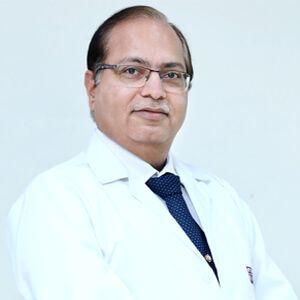
Director
Cardiology
New Delhi
20+ Years
Experience
Apolo Delhi
Hospital
1500
Fees
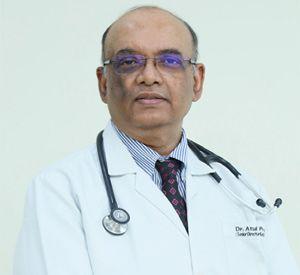
Director - Cardiology
Cardiology
New Delhi
23+ Years
Experience
Apolo Delhi
Hospital
1500
Fees
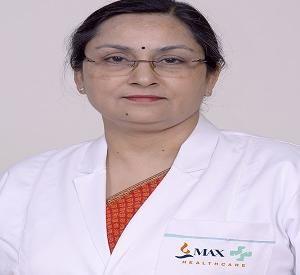
Director
Obstetrics & Gynaecology
New Delhi
20+ Years
Experience
Apolo Delhi
Hospital
1500
Fees

Director
Cardiology
New Delhi
35+ Years
Experience
Apolo Delhi
Hospital
1500
Fees
Director
Obstetrics & Gynaecology
New Delhi
12+ Years
Experience
Apolo Delhi
Hospital
1500
Fees

Director
Obstetrics & Gynaecology
New Delhi
18+ Years
Experience
Apolo Delhi
Hospital
1500
Fees

Director
Obstetrics and Gynaecology
New Delhi
14+ Years
Experience
Apolo Delhi
Hospital
1500
Fees
Director & Head
Cardiology
New Delhi
17+ Years
Experience
Apolo Delhi
Hospital
1500
Fees

Director
Obstetrics & Gynaecology
New Delhi
24+ Years
Experience
Apolo Delhi
Hospital
1500
Fees

Director - Obs & Gynae
Obstetrics & Gynaecology
New Delhi
20+ Years
Experience
Apolo Delhi
Hospital
1500
Fees

Director
Obstetrics & Gynaecology
New Delhi
20+ Years
Experience
Apolo Delhi
Hospital
1500
Fees
Director
Cardiology
New Delhi
23+ Years
Experience
Apolo Delhi
Hospital
1500
Fees

Sr. Consultant
Obstetrics & Gynaecology
New Delhi
20+ Years
Experience
Apolo Delhi
Hospital
1500
Fees
Senior Director & HOD
Cardiology
New Delhi
40+ Years
Experience
Apolo Delhi
Hospital
1500
Fees

Sr. Consultant
Obstetrics And Gynaecology
New Delhi
15+ Years
Experience
Apolo Delhi
Hospital
1500
Fees
Senior Consultant - Obstetrics and Gynaecology
Obstetrics and Gynaecology
New Delhi
24+ Years
Experience
Apolo Delhi
Hospital
1500
Fees
Vice Chairman - Cardiology
Cardiology
New Delhi
44+ Years
Experience
Apolo Delhi
Hospital
1500
Fees

Associate Director - CTVS (Cardiothoracic and Vascular Surgery)
Cardiothoracic and Vascular Surgery
New Delhi
26+ Years
Experience
Apolo Delhi
Hospital
1500
Fees
Director - Obstetrics & Gynaecology
Obstetrics & Gynaecology
New Delhi
18+ Years
Experience
Apolo Delhi
Hospital
1500
Fees
Consultant, Cardiology
Cardiology
New Delhi
12+ Years
Experience
Apolo Delhi
Hospital
1500
Fees

Senior Consultant
Obstetrics & Gynaecology
New Delhi
22+ Years
Experience
Apolo Delhi
Hospital
1500
Fees
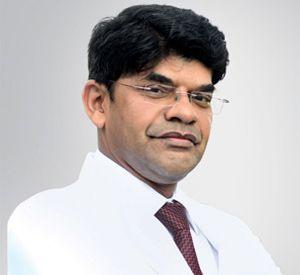
Director & HOD
Cardiology
New Delhi
24+ Years
Experience
Apolo Delhi
Hospital
1500
Fees
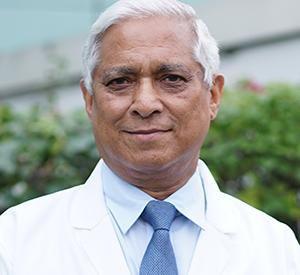
Director, Interventional Cardiology
Interventional Cardiology
New Delhi
35+ Years
Experience
Apolo Delhi
Hospital
1500
Fees
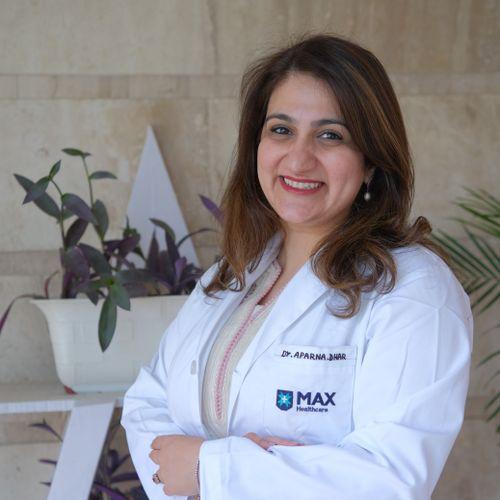
Senior Consultant - Obstetrics & Gynaecology
Obstetrics & Gynaecology
New Delhi
23+ Years
Experience
Apolo Delhi
Hospital
1500
Fees
Senior Consultant
Obstetrics and Gynaecology
New Delhi
24+ Years
Experience
Apolo Delhi
Hospital
1500
Fees

Director
Obstetrics & Gynaecology
New Delhi
20+ Years
Experience
Apolo Delhi
Hospital
1500
Fees
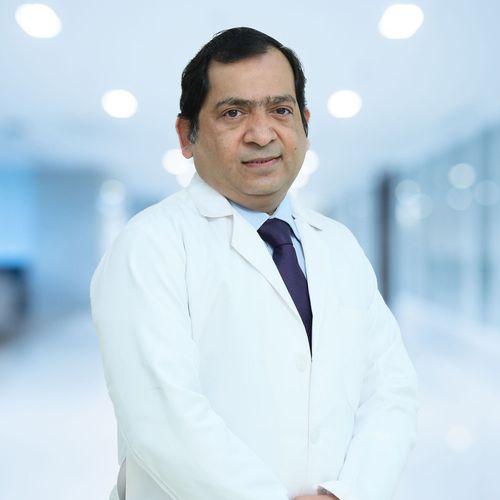
Director
Cardiology
New Delhi
24+ Years
Experience
Apolo Delhi
Hospital
1500
Fees

Director
Obstetrics & Gynaecology
New Delhi
22+ Years
Experience
Apolo Delhi
Hospital
1500
Fees
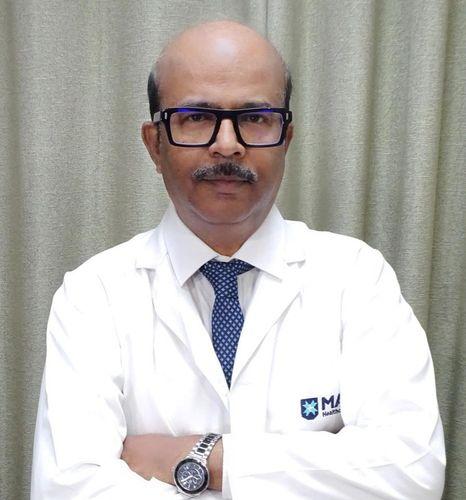
Director
Cardiology
New Delhi
17+ Years
Experience
Apolo Delhi
Hospital
1500
Fees
Senior Consultant
Obstetrics and Gynaecology
New Delhi
15+ Years
Experience
Apolo Delhi
Hospital
1500
Fees
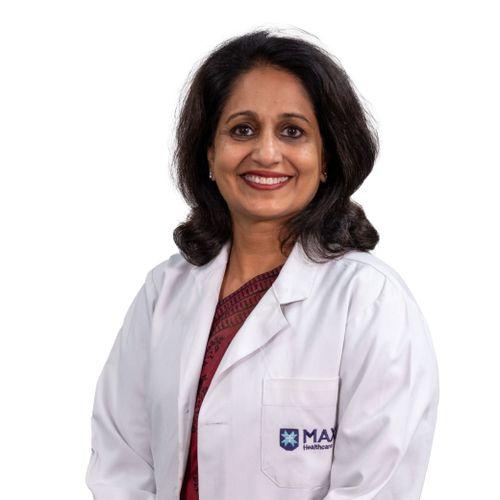
Director
Obstetrics & Gynaecology
New Delhi
18+ Years
Experience
Apolo Delhi
Hospital
1500
Fees
Director & Chief of Service - Obstetrics & Gynaecology
Obstetrics & Gynaecology
New Delhi
24+ Years
Experience
Apolo Delhi
Hospital
1500
Fees
Director
Obstetrics & Gynaecology
New Delhi
18+ Years
Experience
Apolo Delhi
Hospital
1500
Fees

Director & Head - Cardiac Electrophysiology and Pacing
Cardiac Electrophysiology
New Delhi
18+ Years
Experience
Apolo Delhi
Hospital
1500
Fees
Director & Head - Cardiac Sciences
Cardiology
New Delhi
23+ Years
Experience
Apolo Delhi
Hospital
1500
Fees
احصل على خيارات علاجية شخصية من أفضل مستشفيات الهند. خبراؤنا الطبيون جاهزون لمساعدتك في كل خطوة.