
Cardiac Ablation for Arrhythmias Treatment in Mumbai for Iraq
بحاجة لنصيحة شخصية؟
خبراؤنا الطبيون جاهزون للإجابة عن أسئلتك وإرشادك خلال خيارات العلاج.
خبراؤنا الطبيون جاهزون للإجابة عن أسئلتك وإرشادك خلال خيارات العلاج.
Are you an Iraqi patient seeking advanced and effective treatment for heart arrhythmias? Dealing with an irregular heartbeat can be unsettling, and the search for high-quality care that fits your budget is often a top priority. Understanding your options for Cardiac Ablation is crucial for your peace of mind.
Many individuals from Iraq explore medical care beyond their home country. This choice is often driven by the desire for access to cutting-edge medical technologies, specialized expertise, and more favorable treatment costs compared to local or Western alternatives.
India, particularly cities like Mumbai, has emerged as a trusted destination for international patients. It provides world-class cardiac facilities, highly skilled electrophysiologists, and comprehensive patient care, ensuring a secure and efficient medical journey.
Ready to explore a path to a healthier heart?
Cardiac ablation is a medical procedure used to treat heart arrhythmias, which are irregular heartbeats. During the procedure, small areas of heart tissue that cause the abnormal electrical signals are carefully damaged or scarred. This creates a block in the faulty electrical pathways, helping to restore a normal heart rhythm and improve symptoms like palpitations, dizziness, and fatigue caused by the arrhythmia.
Different methods can be used for cardiac ablation, depending on the type and location of the arrhythmia:
The specific approach for cardiac ablation depends on the type of arrhythmia and the individual patient's condition. However, a general outline involves careful preparation and precise execution.
Patients receive a local anesthetic at the catheter insertion site, usually in the groin, and may be given sedation to help them relax. The area is cleaned and draped. An electrophysiologist will thoroughly review the patient's heart maps from the prior EP study.
Thin, flexible wires called catheters are guided through blood vessels to the heart. These catheters have electrodes that record the heart's electrical signals and identify the specific areas causing the irregular rhythm. Once the problematic spot is located, energy (heat, cold, or pulsed electric fields) is delivered through the catheter to create small scars. These scars block the abnormal electrical signals, restoring a normal heartbeat. The procedure is monitored on screens, guiding the specialist throughout.
After the ablation, catheters are removed, and pressure is applied to the insertion site to prevent bleeding. Patients are typically monitored for several hours or overnight to ensure no complications arise and to observe their heart rhythm.
After cardiac ablation, patients usually spend a night in the hospital for observation. Mild discomfort or bruising at the catheter insertion site is common. Most individuals can return to light activities within a few days, but strenuous exercise should be avoided for about a week. It is important to attend follow-up appointments, which may include ECGs or Holter monitoring, to assess the success of the procedure and manage any ongoing medications. Full recovery can take several weeks as the heart tissue heals.
The success rate of cardiac ablation varies depending on the type of arrhythmia, its complexity, and individual patient factors. For common arrhythmias like SVT (supraventricular tachycardia), success rates can be very high, often above 90%. For atrial fibrillation, initial success rates typically range from 60-80%, with some patients requiring a second procedure for optimal results. Many patients experience significant improvement in symptoms and quality of life, although some may still need medication. Long-term outcomes are generally positive for suitable candidates.
The total cost for Cardiac Ablation in Mumbai is influenced by several factors, including the specific type of ablation needed (e.g., RF, cryo, PFA), the hospital chosen, the experience of the electrophysiologist, the length of hospital stay, and any additional diagnostic tests or medications required during recovery.
For Iraqi patients, Cardiac Ablation in Mumbai typically ranges from INR 3,50,000 to INR 7,00,000.
| City | Cost Range (INR) |
|---|---|
| Mumbai | 3,50,000 - 7,00,000 |
| Delhi | 3,20,000 - 6,80,000 |
| Chennai | 3,00,000 - 6,50,000 |
| Bangalore | 3,40,000 - 6,90,000 |
| Hyderabad | 3,10,000 - 6,60,000 |
| Kolkata | 2,90,000 - 6,30,000 |
| Country | Average Cost (USD) |
|---|---|
| India | 4,500 - 9,000 |
| United States | 20,000 - 50,000 |
| United Kingdom | 15,000 - 35,000 |
| Germany | 12,000 - 28,000 |
| UAE | 10,000 - 25,000 |
Taking the step towards Cardiac Ablation in Mumbai can offer a new chapter for your heart health. Our team is here to support Iraqi patients through every stage of their medical journey.
India offers premium medical procedures at affordable prices. Discover our most popular treatments, delivered by the country's finest doctors.
Meet our team of highly qualified and experienced medical professionals dedicated to providing the best healthcare services.

Chief Cardiology (Unit IV)
Cardiology
New Delhi
30+ Years
Experience
Artemis Hospital
Hospital
1500
Fees
Director & Head of Department
Cardiology
New Delhi
14+ Years
Experience
Artemis Hospital
Hospital
1500
Fees

Head Unit I
Orthopaedic Surgery, Orthopaedics
New Delhi
15+ Years
Experience
Artemis Hospital
Hospital
1500
Fees

Sr. Consultant
Internal Medicine
New Delhi
12+ Years
Experience
Artemis Hospital
Hospital
1500
Fees

Chief and Unit Head - Orthopaedics (Unit III)
Orthopaedic Surgery, Orthopaedics, Robotic Surgery
New Delhi
20+ Years
Experience
Artemis Hospital
Hospital
1500
Fees
Director - Cardiology
Cardiology
New Delhi
15+ Years
Experience
Artemis Hospital
Hospital
1500
Fees
Director
Cardiology
New Delhi
14+ Years
Experience
Artemis Hospital
Hospital
1500
Fees
Director - Cardiology
Cardiology
New Delhi
17+ Years
Experience
Apolo Delhi
Hospital
1500
Fees

Director & Head
Cardiology
New Delhi
20+ Years
Experience
Apolo Delhi
Hospital
1500
Fees
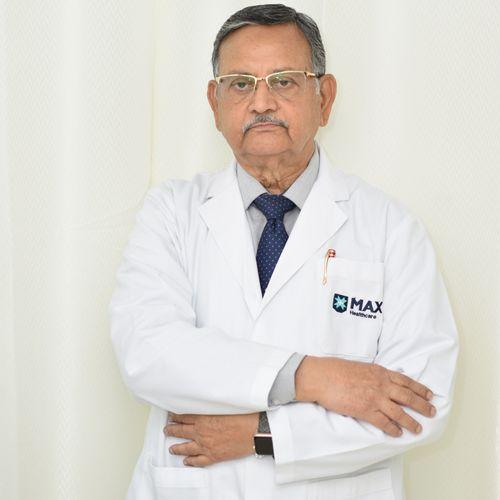
Director
Cardiology
New Delhi
21+ Years
Experience
Apolo Delhi
Hospital
1500
Fees
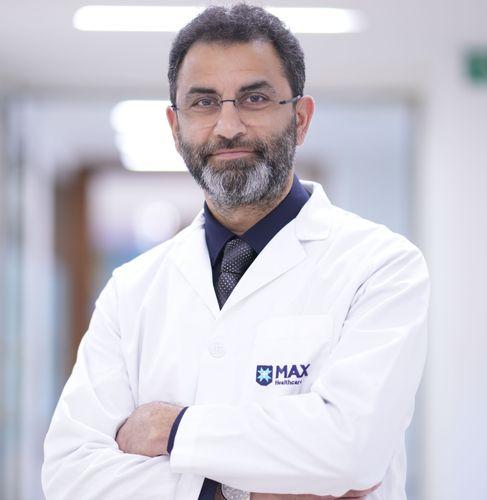
Director
Cardiology
New Delhi
24+ Years
Experience
Apolo Delhi
Hospital
1500
Fees

Director
Cardiology
New Delhi
20+ Years
Experience
Apolo Delhi
Hospital
1500
Fees
Director - Cardiology
Cardiology
New Delhi
23+ Years
Experience
Apolo Delhi
Hospital
1500
Fees

Director
Cardiology
New Delhi
35+ Years
Experience
Apolo Delhi
Hospital
1500
Fees
Director & Head
Cardiology
New Delhi
17+ Years
Experience
Apolo Delhi
Hospital
1500
Fees
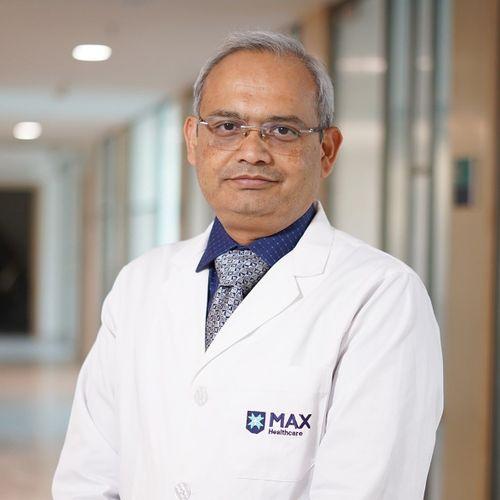
Director
Cardiology
New Delhi
23+ Years
Experience
Apolo Delhi
Hospital
1500
Fees
Senior Director & HOD
Cardiology
New Delhi
40+ Years
Experience
Apolo Delhi
Hospital
1500
Fees
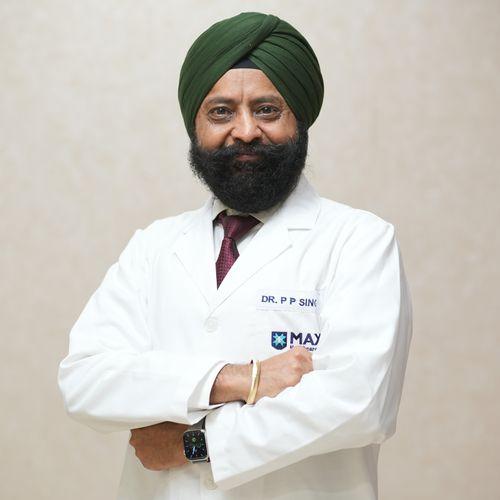
Vice Chairman - Cardiology
Cardiology
New Delhi
44+ Years
Experience
Apolo Delhi
Hospital
1500
Fees
Associate Director - CTVS (Cardiothoracic and Vascular Surgery)
Cardiothoracic and Vascular Surgery
New Delhi
26+ Years
Experience
Apolo Delhi
Hospital
1500
Fees
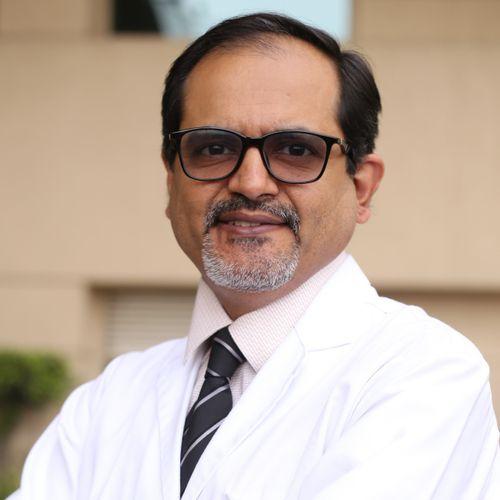
Consultant, Cardiology
Cardiology
New Delhi
12+ Years
Experience
Apolo Delhi
Hospital
1500
Fees
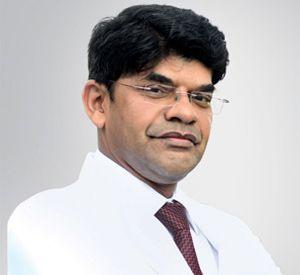
Director & HOD
Cardiology
New Delhi
24+ Years
Experience
Apolo Delhi
Hospital
1500
Fees
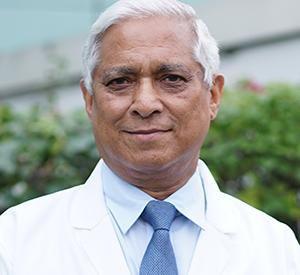
Director, Interventional Cardiology
Interventional Cardiology
New Delhi
35+ Years
Experience
Apolo Delhi
Hospital
1500
Fees
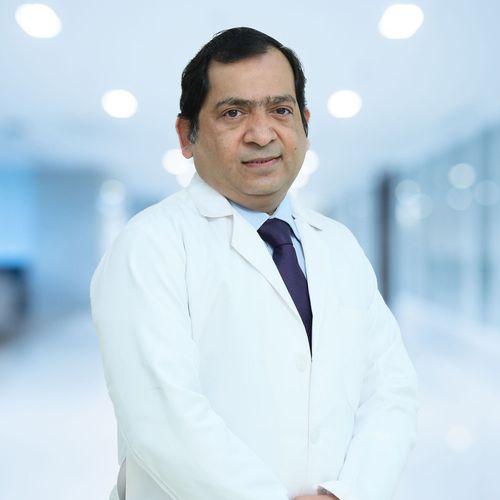
Director
Cardiology
New Delhi
24+ Years
Experience
Apolo Delhi
Hospital
1500
Fees
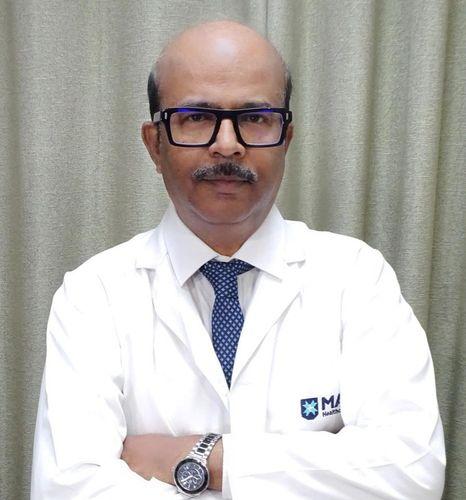
Director
Cardiology
New Delhi
17+ Years
Experience
Apolo Delhi
Hospital
1500
Fees

Director & Head - Cardiac Electrophysiology and Pacing
Cardiac Electrophysiology
New Delhi
18+ Years
Experience
Apolo Delhi
Hospital
1500
Fees
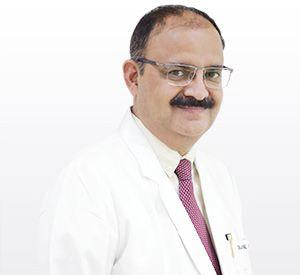
Director & Head - Cardiac Sciences
Cardiology
New Delhi
23+ Years
Experience
Apolo Delhi
Hospital
1500
Fees
احصل على خيارات علاجية شخصية من أفضل مستشفيات الهند. خبراؤنا الطبيون جاهزون لمساعدتك في كل خطوة.