
Cardiac Ablation for Arrhythmias Treatment in Mumbai for Ethiopia
بحاجة لنصيحة شخصية؟
خبراؤنا الطبيون جاهزون للإجابة عن أسئلتك وإرشادك خلال خيارات العلاج.
خبراؤنا الطبيون جاهزون للإجابة عن أسئلتك وإرشادك خلال خيارات العلاج.
Are you an Ethiopian patient navigating the challenges of irregular heart rhythms and considering advanced treatments like cardiac ablation? Discovering effective and accessible solutions for your heart condition can often bring concerns about quality and cost.
Many individuals from Ethiopia frequently look beyond their borders to find specialized cardiac care and procedures that may offer better outcomes or are more readily available internationally.
Mumbai, India, has become a trusted destination for international patients seeking top-tier medical care. Its world-class hospitals, highly skilled cardiologists, and advanced medical technologies ensure comprehensive treatment.
Ready to explore advanced cardiac care options tailored for you in Mumbai?
Cardiac ablation is a medical procedure designed to correct irregular heartbeats, known as arrhythmias. It involves identifying and carefully neutralizing small areas of heart tissue that are causing the abnormal electrical signals. By creating tiny scars in these specific areas, the procedure helps to block the faulty electrical pathways and restore a normal heart rhythm, significantly improving heart function and patient well-being.
Different methods can be used to perform cardiac ablation, chosen based on the type of arrhythmia and individual patient needs:
The specific approach for cardiac ablation depends on the type of arrhythmia and the individual patient's medical plan. However, most procedures follow a general sequence of steps.
Before the procedure, the patient receives local anesthesia and usually a mild sedative to ensure comfort. A small incision is typically made in the groin, where a thin, flexible tube called a catheter is inserted into a blood vessel.
The cardiologist carefully guides the catheter through the blood vessels up to the heart. Advanced imaging techniques, such as fluoroscopy or 3D mapping systems, are used to visualize the catheter's movement and position within the heart.
Once inside the heart, the catheter is used to create a detailed electrical map. This map helps the doctor pinpoint the exact areas of heart tissue that are generating or sustaining the irregular heart rhythm.
After identifying the problematic areas, the catheter delivers controlled energy—either radiofrequency (heat), cryo (cold), or laser—to create small scars. These scars block the abnormal electrical signals, effectively stopping the arrhythmia and allowing the heart's normal rhythm to take over.
Following ablation, the cardiologist re-evaluates the heart's electrical activity to ensure the arrhythmia has been successfully resolved. Once confirmed, the catheters are carefully removed.
After cardiac ablation, patients typically spend a few hours in a recovery room for observation. Most patients can return home the same day or the next. It's crucial to rest for several days, avoid strenuous activities, and keep the incision site clean and dry. Light bleeding or bruising at the catheter insertion site is normal. Following your doctor's instructions for medication, fluid intake, and follow-up appointments is vital for a smooth recovery and to monitor the success of the procedure and long-term heart rhythm.
The success rate of cardiac ablation varies depending on the type and complexity of the arrhythmia, as well as the patient's overall health. For certain conditions like supraventricular tachycardia (SVT), success rates can be very high, often exceeding 90%. For atrial fibrillation, success rates are generally good, ranging from 60% to 80% after one or more procedures. Many patients experience a significant reduction in symptoms and an improved quality of life. Long-term outcomes are continually improving with advancements in technology and techniques.
Contact us to connect with leading cardiac specialists in Mumbai and get expert advice on your treatment options.
The cost of Cardiac Ablation for Arrhythmias in India, including Mumbai, is influenced by several factors. These include the specific type of ablation required, the hospital chosen (its infrastructure and technology), the experience of the specialist performing the procedure, the duration of hospital stay, and any additional diagnostic tests or medications needed.
Generally, the cost of Cardiac Ablation for Arrhythmias in India can range from approximately INR 4,50,000 to INR 12,00,000.
| Indian City | Estimated Cost Range (INR) |
|---|---|
| Mumbai | 4,50,000 - 10,00,000 |
| Delhi | 5,00,000 - 11,00,000 |
| Bangalore | 4,80,000 - 9,50,000 |
| Chennai | 4,70,000 - 9,80,000 |
| Hyderabad | 4,60,000 - 9,30,000 |
| Pune | 4,40,000 - 9,00,000 |
| Ahmedabad | 4,20,000 - 8,80,000 |
| Country | Estimated Cost Range (USD) |
|---|---|
| Ethiopia | Not readily available / High travel cost |
| India (Mumbai) | 5,500 - 12,000 |
| USA | 30,000 - 60,000 |
| UK | 20,000 - 45,000 |
| Germany | 22,000 - 40,000 |
| Thailand | 10,000 - 20,000 |
| Singapore | 15,000 - 28,000 |
Reach out to our patient support team today to begin planning your Cardiac Ablation for Arrhythmias in Mumbai.
Empower your health with world-class cardiac care. Your journey to a regular heartbeat in Mumbai awaits.
India offers premium medical procedures at affordable prices. Discover our most popular treatments, delivered by the country's finest doctors.
Meet our team of highly qualified and experienced medical professionals dedicated to providing the best healthcare services.
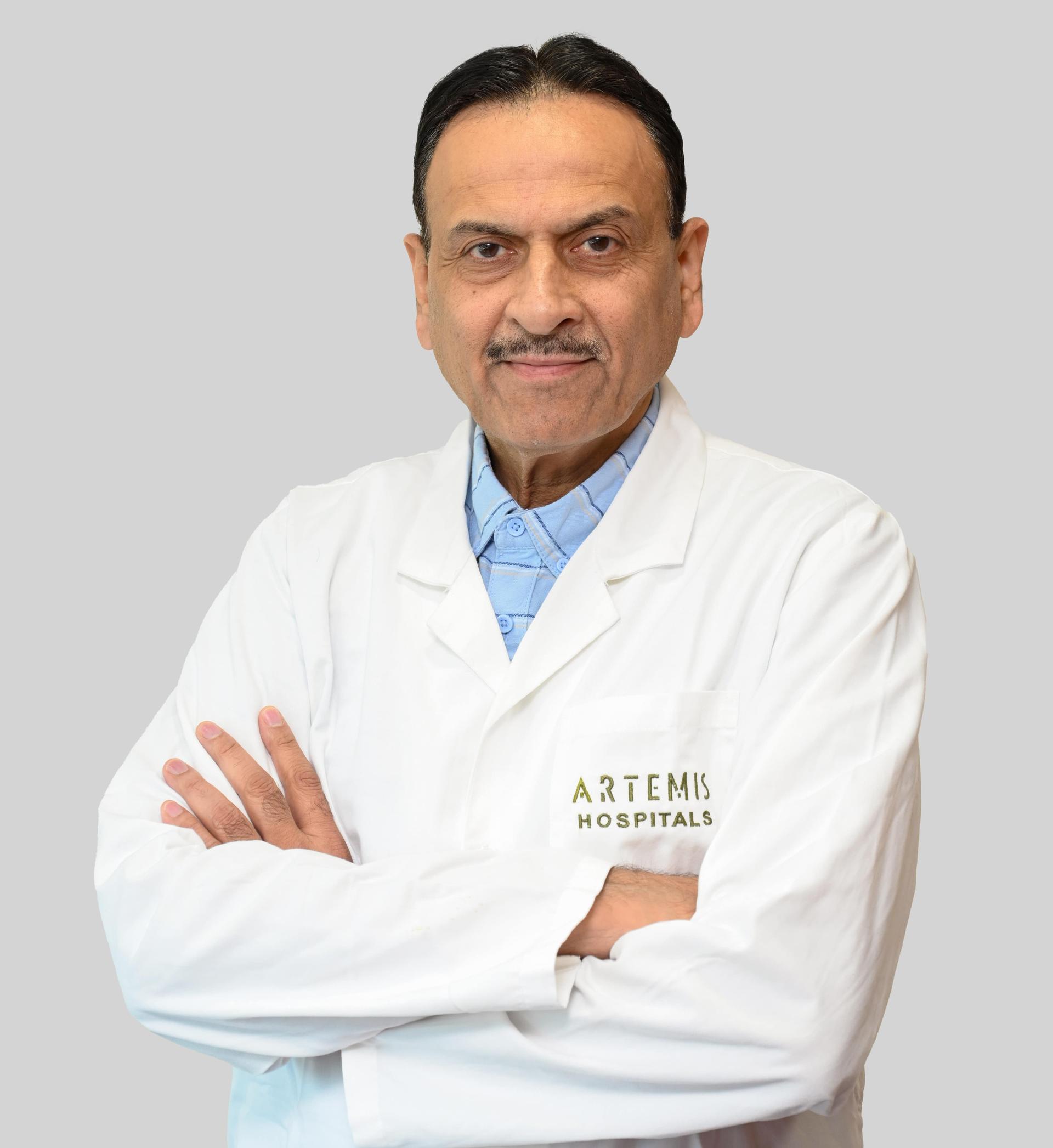
Chief Cardiology (Unit IV)
Cardiology
New Delhi
30+ Years
Experience
Artemis Hospital
Hospital
1500
Fees

Senior Consultant
Obstetrics and Gynaecology
New Delhi
10+ Years
Experience
Artemis Hospital
Hospital
1500
Fees
Director & Head of Department
Cardiology
New Delhi
14+ Years
Experience
Artemis Hospital
Hospital
1500
Fees

Head Unit I
Orthopaedic Surgery, Orthopaedics
New Delhi
15+ Years
Experience
Artemis Hospital
Hospital
1500
Fees
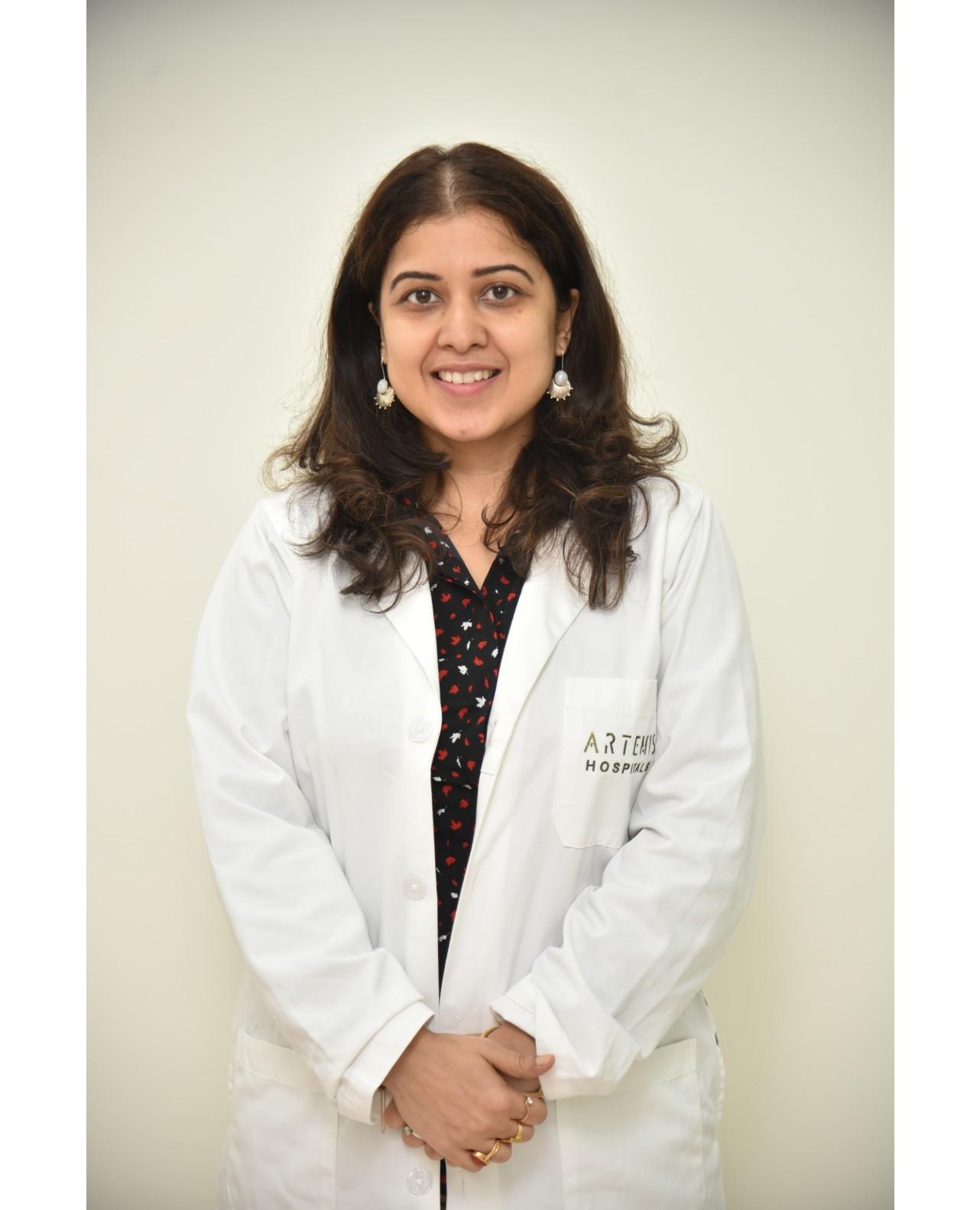
Senior Consultant - Obstetrics & Gynaecology
Obstetrics & Gynaecology
New Delhi
18+ Years
Experience
Artemis Hospital
Hospital
1500
Fees
Head of Department - Gynae Endocrinology & DNB Program Director - Obs & Gynae
Gynaecological Endocrinology, Maternity, Obstetrics & Gynaecology
New Delhi
35+ Years
Experience
Artemis Hospital
Hospital
1500
Fees

Sr. Consultant
Internal Medicine
New Delhi
12+ Years
Experience
Artemis Hospital
Hospital
1500
Fees

Senior Consultant - ENT
ENT and Head & Neck Surgery
New Delhi
24+ Years
Experience
Artemis Hospital
Hospital
1500
Fees

Consultant (Head & Neck Surgery) - Surgical Oncology
Head and Neck Surgical Oncology
New Delhi
10+ Years
Experience
Artemis Hospital
Hospital
1500
Fees

Chief and Unit Head - Orthopaedics (Unit III)
Orthopaedic Surgery, Orthopaedics, Robotic Surgery
New Delhi
20+ Years
Experience
Artemis Hospital
Hospital
1500
Fees

Chairperson - Gynae Oncology
Gynaecological Oncology
New Delhi
16+ Years
Experience
Artemis Hospital
Hospital
1500
Fees
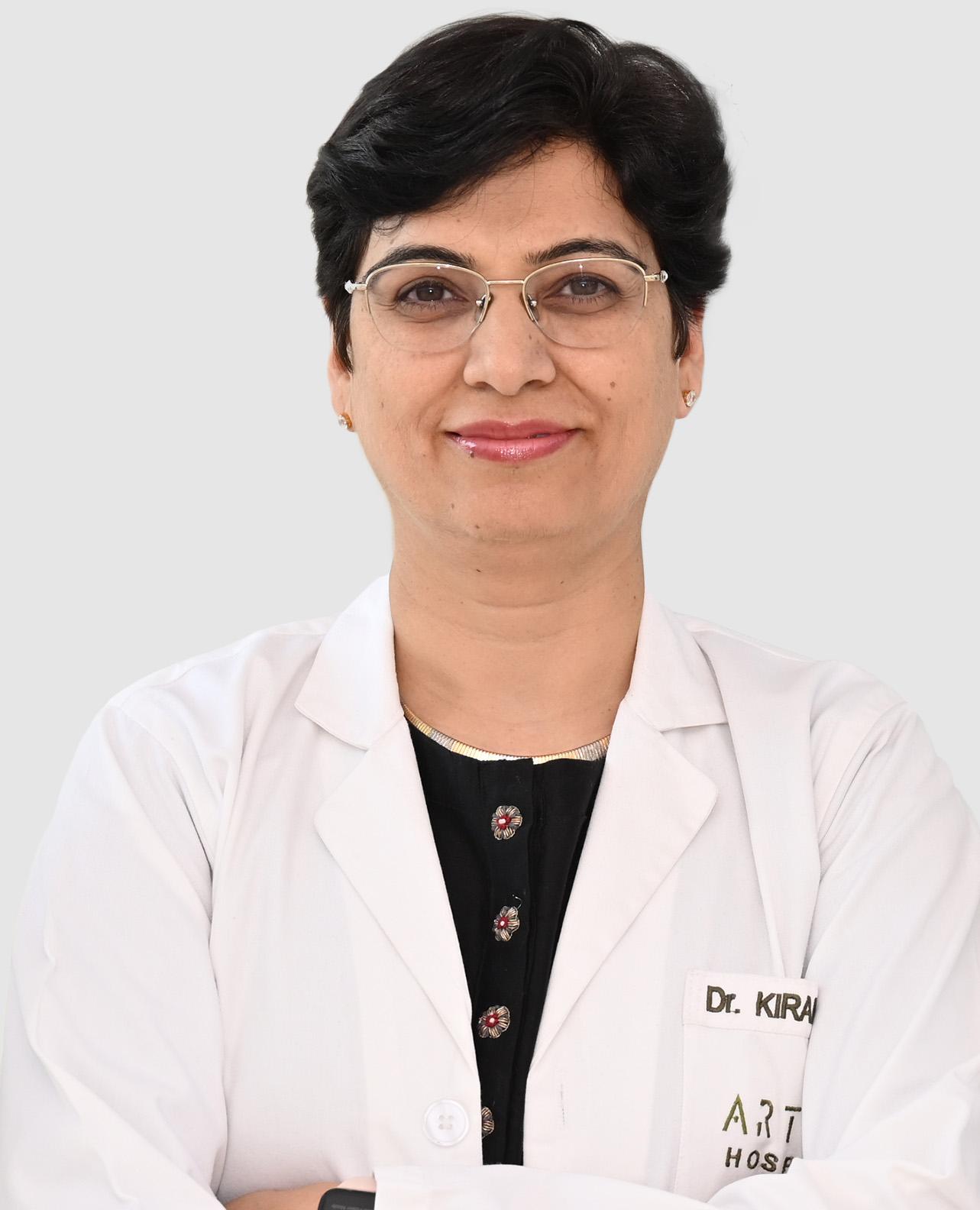
Unit Head - Reproductive Medicine (Unit II)
IVF, Reproductive Medicine, Obstetrics & Gynecology
New Delhi
20+ Years
Experience
Artemis Hospital
Hospital
1500
Fees
Sr. Consultant - Obs & Gynae
Maternity, Obstetrics & Gynaecology
New Delhi
15+ Years
Experience
Artemis Hospital
Hospital
1500
Fees

Director - Reproductive Medicine & IVF
Reproductive Medicine & IVF
New Delhi
13+ Years
Experience
Apolo Delhi
Hospital
1500
Fees
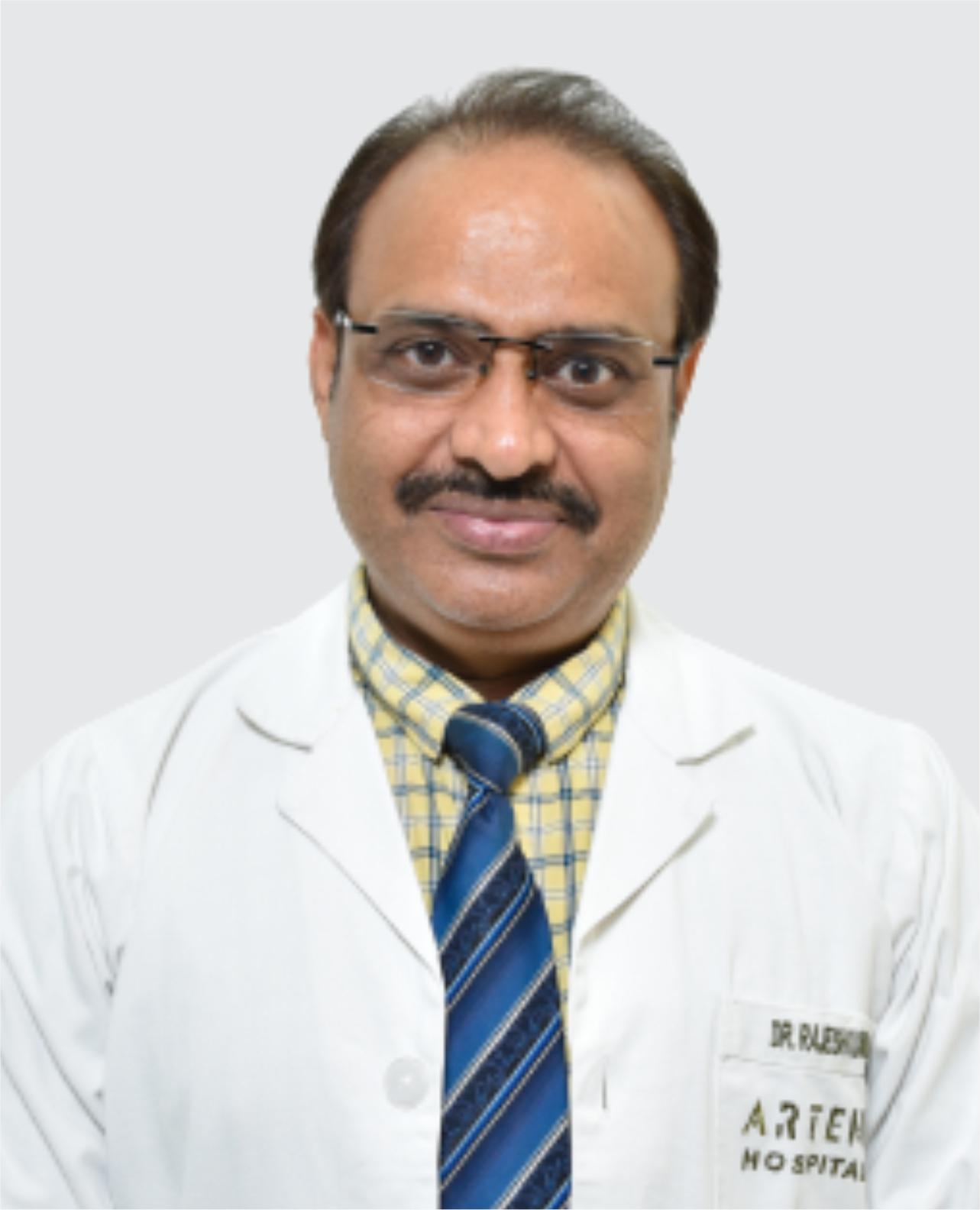
Director - Cardiology
Cardiology
New Delhi
15+ Years
Experience
Artemis Hospital
Hospital
1500
Fees
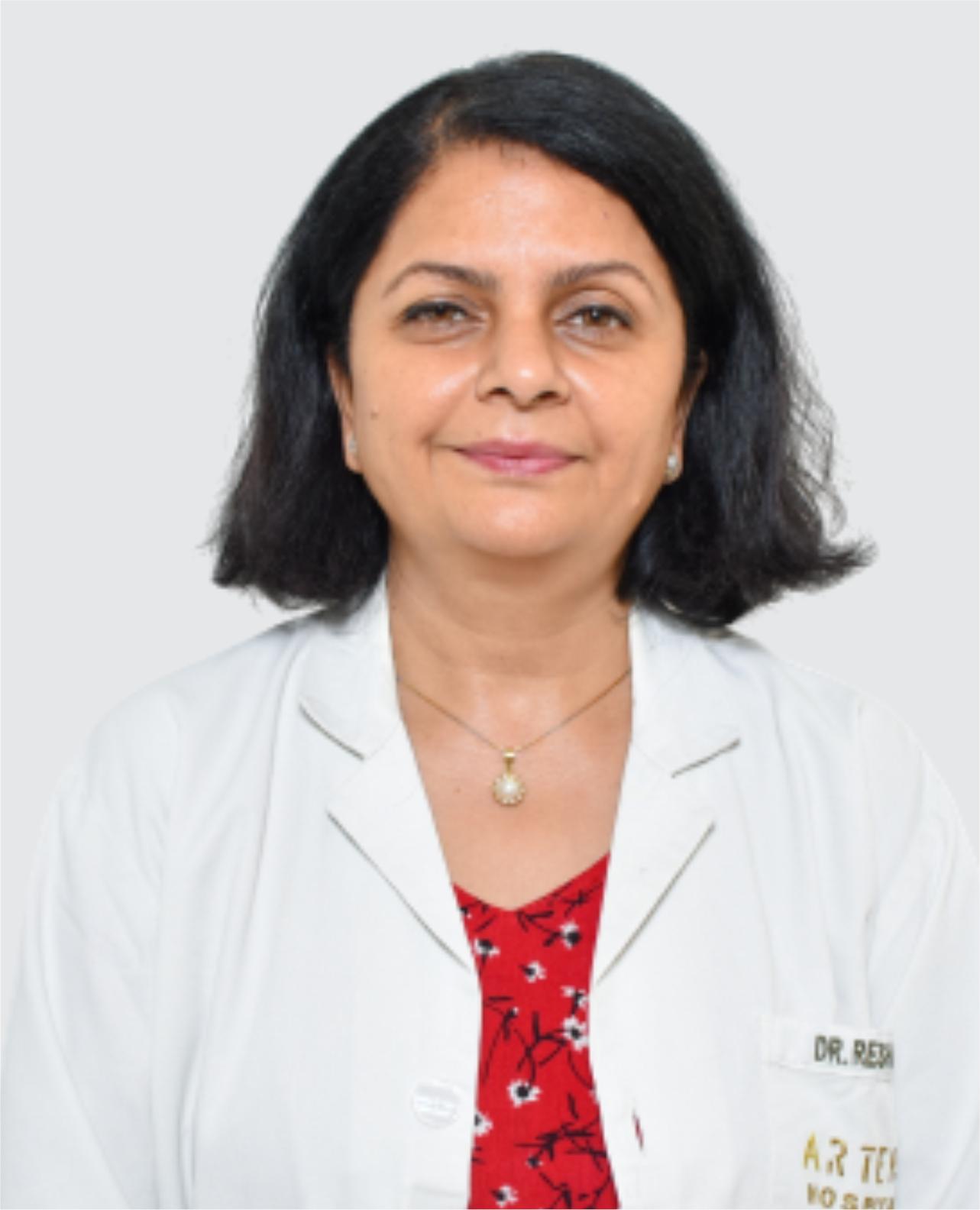
Director
Obstetrics and Gynaecology
New Delhi
19+ Years
Experience
Artemis Hospital
Hospital
1500
Fees
Sr. Consultant
Obstetrics & Gynaecology
New Delhi
15+ Years
Experience
Artemis Hospital
Hospital
1500
Fees
Director - Obs, Gynae & IVF
Obstetrics & Gynaecology
New Delhi
20+ Years
Experience
Artemis Hospital
Hospital
1500
Fees
Sr. Consultant - Gynaecology & Obstetrics
Gynaecology & Obstetrics
New Delhi
15+ Years
Experience
Apolo Delhi
Hospital
1500
Fees
Director
Obstetrics & Gynaecology
New Delhi
15+ Years
Experience
Artemis Hospital
Hospital
1500
Fees
Director
Cardiology
New Delhi
14+ Years
Experience
Artemis Hospital
Hospital
1500
Fees
Consultant
Obstetrics & Gynaecology
New Delhi
8+ Years
Experience
Artemis Hospital
Hospital
1500
Fees
Director - Cardiology
Cardiology
New Delhi
17+ Years
Experience
Apolo Delhi
Hospital
1500
Fees

Director & Head
Cardiology
New Delhi
20+ Years
Experience
Apolo Delhi
Hospital
1500
Fees
Director
Cardiology
New Delhi
21+ Years
Experience
Apolo Delhi
Hospital
1500
Fees
Director
Cardiology
New Delhi
24+ Years
Experience
Apolo Delhi
Hospital
1500
Fees
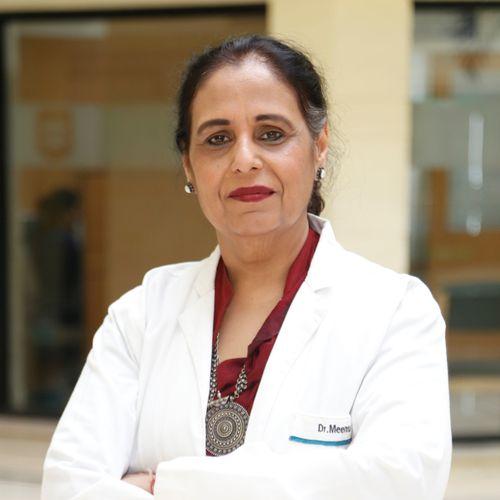
Director & HOD - Obs. & Gynae
Obstetrics & Gynaecology
New Delhi
23+ Years
Experience
Apolo Delhi
Hospital
1500
Fees
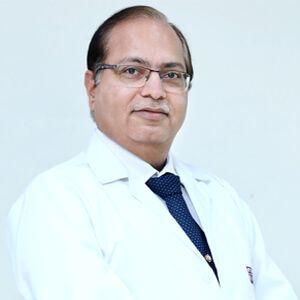
Director
Cardiology
New Delhi
20+ Years
Experience
Apolo Delhi
Hospital
1500
Fees
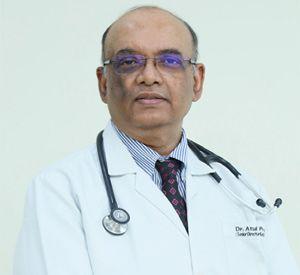
Director - Cardiology
Cardiology
New Delhi
23+ Years
Experience
Apolo Delhi
Hospital
1500
Fees
Director
Obstetrics & Gynaecology
New Delhi
20+ Years
Experience
Apolo Delhi
Hospital
1500
Fees

Director
Cardiology
New Delhi
35+ Years
Experience
Apolo Delhi
Hospital
1500
Fees
Director
Obstetrics & Gynaecology
New Delhi
12+ Years
Experience
Apolo Delhi
Hospital
1500
Fees

Director
Obstetrics & Gynaecology
New Delhi
18+ Years
Experience
Apolo Delhi
Hospital
1500
Fees

Director
Obstetrics and Gynaecology
New Delhi
14+ Years
Experience
Apolo Delhi
Hospital
1500
Fees
Director & Head
Cardiology
New Delhi
17+ Years
Experience
Apolo Delhi
Hospital
1500
Fees

Director
Obstetrics & Gynaecology
New Delhi
24+ Years
Experience
Apolo Delhi
Hospital
1500
Fees

Director - Obs & Gynae
Obstetrics & Gynaecology
New Delhi
20+ Years
Experience
Apolo Delhi
Hospital
1500
Fees

Director
Obstetrics & Gynaecology
New Delhi
20+ Years
Experience
Apolo Delhi
Hospital
1500
Fees
Director
Cardiology
New Delhi
23+ Years
Experience
Apolo Delhi
Hospital
1500
Fees
Sr. Consultant
Obstetrics & Gynaecology
New Delhi
20+ Years
Experience
Apolo Delhi
Hospital
1500
Fees
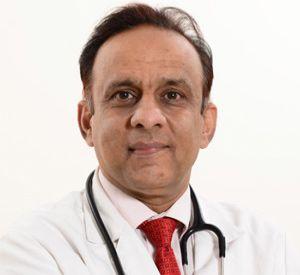
Senior Director & HOD
Cardiology
New Delhi
40+ Years
Experience
Apolo Delhi
Hospital
1500
Fees
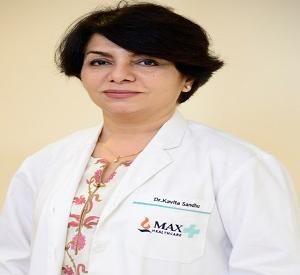
Sr. Consultant
Obstetrics And Gynaecology
New Delhi
15+ Years
Experience
Apolo Delhi
Hospital
1500
Fees
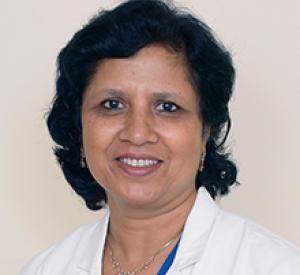
Senior Consultant - Obstetrics and Gynaecology
Obstetrics and Gynaecology
New Delhi
24+ Years
Experience
Apolo Delhi
Hospital
1500
Fees
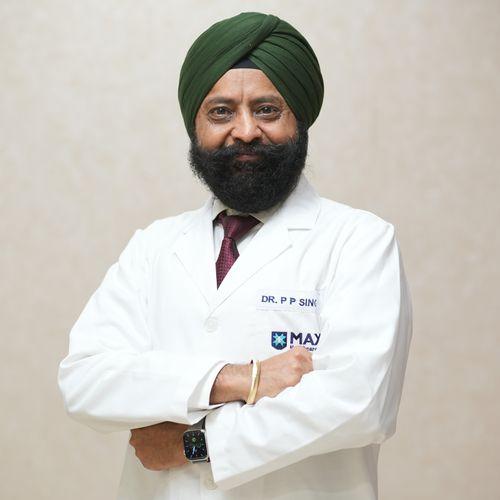
Vice Chairman - Cardiology
Cardiology
New Delhi
44+ Years
Experience
Apolo Delhi
Hospital
1500
Fees

Associate Director - CTVS (Cardiothoracic and Vascular Surgery)
Cardiothoracic and Vascular Surgery
New Delhi
26+ Years
Experience
Apolo Delhi
Hospital
1500
Fees
Director - Obstetrics & Gynaecology
Obstetrics & Gynaecology
New Delhi
18+ Years
Experience
Apolo Delhi
Hospital
1500
Fees
Consultant, Cardiology
Cardiology
New Delhi
12+ Years
Experience
Apolo Delhi
Hospital
1500
Fees

Senior Consultant
Obstetrics & Gynaecology
New Delhi
22+ Years
Experience
Apolo Delhi
Hospital
1500
Fees
Director & HOD
Cardiology
New Delhi
24+ Years
Experience
Apolo Delhi
Hospital
1500
Fees
Director, Interventional Cardiology
Interventional Cardiology
New Delhi
35+ Years
Experience
Apolo Delhi
Hospital
1500
Fees
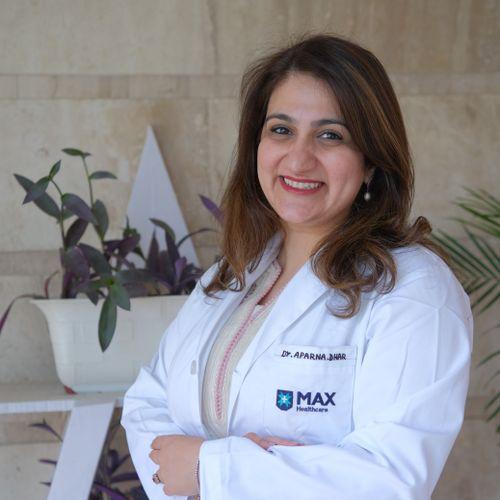
Senior Consultant - Obstetrics & Gynaecology
Obstetrics & Gynaecology
New Delhi
23+ Years
Experience
Apolo Delhi
Hospital
1500
Fees
Senior Consultant
Obstetrics and Gynaecology
New Delhi
24+ Years
Experience
Apolo Delhi
Hospital
1500
Fees
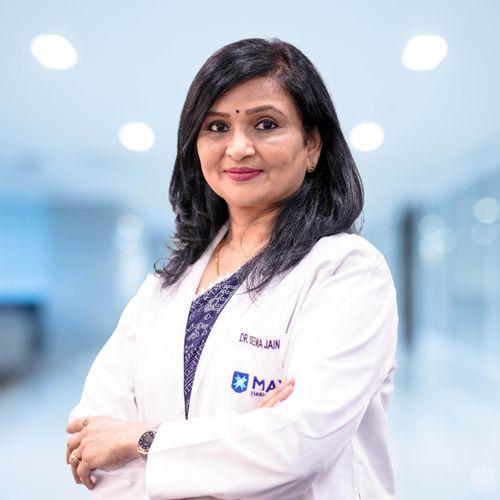
Director
Obstetrics & Gynaecology
New Delhi
20+ Years
Experience
Apolo Delhi
Hospital
1500
Fees
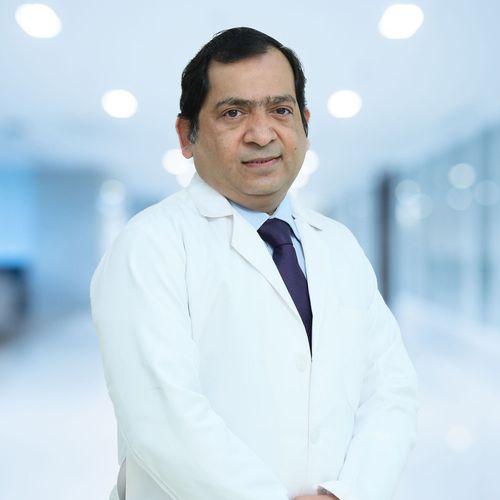
Director
Cardiology
New Delhi
24+ Years
Experience
Apolo Delhi
Hospital
1500
Fees
Director
Obstetrics & Gynaecology
New Delhi
22+ Years
Experience
Apolo Delhi
Hospital
1500
Fees
Director
Cardiology
New Delhi
17+ Years
Experience
Apolo Delhi
Hospital
1500
Fees
Senior Consultant
Obstetrics and Gynaecology
New Delhi
15+ Years
Experience
Apolo Delhi
Hospital
1500
Fees
Director
Obstetrics & Gynaecology
New Delhi
18+ Years
Experience
Apolo Delhi
Hospital
1500
Fees
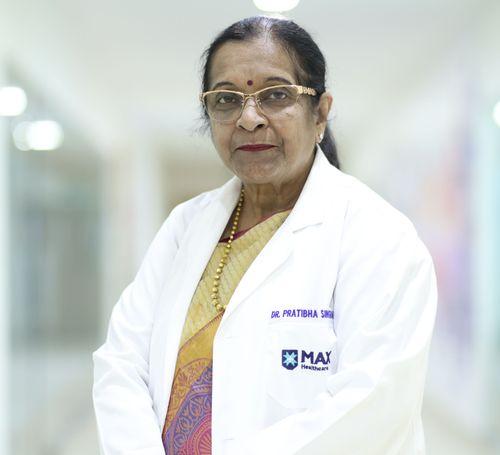
Director & Chief of Service - Obstetrics & Gynaecology
Obstetrics & Gynaecology
New Delhi
24+ Years
Experience
Apolo Delhi
Hospital
1500
Fees
Director
Obstetrics & Gynaecology
New Delhi
18+ Years
Experience
Apolo Delhi
Hospital
1500
Fees

Director & Head - Cardiac Electrophysiology and Pacing
Cardiac Electrophysiology
New Delhi
18+ Years
Experience
Apolo Delhi
Hospital
1500
Fees
Director & Head - Cardiac Sciences
Cardiology
New Delhi
23+ Years
Experience
Apolo Delhi
Hospital
1500
Fees
احصل على خيارات علاجية شخصية من أفضل مستشفيات الهند. خبراؤنا الطبيون جاهزون لمساعدتك في كل خطوة.