
Cardiac Ablation for Arrhythmias Treatment in New Delhi for Iraq
بحاجة لنصيحة شخصية؟
خبراؤنا الطبيون جاهزون للإجابة عن أسئلتك وإرشادك خلال خيارات العلاج.
خبراؤنا الطبيون جاهزون للإجابة عن أسئلتك وإرشادك خلال خيارات العلاج.
Are you an Iraqi patient facing the challenges of arrhythmias and seeking effective treatment abroad? Navigating complex heart conditions like irregular heartbeats can be daunting, and finding high-quality medical care that is both accessible and affordable is a major concern.
Many individuals from Iraq explore international healthcare options when advanced specialized treatments are needed or when local services face limitations. They often seek destinations that combine medical excellence with a patient-friendly environment, providing a viable alternative.
India, particularly New Delhi, has earned a strong reputation for its world-class cardiac facilities, highly skilled electrophysiologists, and cutting-edge medical technologies. Patients trust India for its commitment to delivering superior treatment outcomes and compassionate care.
Ready to explore your path to a healthier heart in New Delhi?
Cardiac ablation is a medical procedure used to treat heart rhythm problems, known as arrhythmias. It works by carefully creating small scars in the heart tissue that send out abnormal electrical signals, causing irregular or rapid heartbeats. These scars block the faulty electrical pathways, helping your heart return to a normal rhythm. It’s often recommended when medications haven't been effective or when patients cannot tolerate their side effects.
Several types of cardiac ablation exist, each tailored to specific conditions:
The specific steps for cardiac ablation depend on the type of arrhythmia and the individual patient's condition, with the electrophysiologist tailoring the approach.
Patients receive a local anesthetic at the catheter insertion site, usually in the groin, and often sedation or general anesthesia to ensure comfort during the procedure.
After the ablation, the catheters are removed. Pressure is applied to the insertion site to prevent bleeding. Patients are then monitored in a recovery area.
After cardiac ablation, most patients stay in the hospital for one to two days for observation. During this time, the medical team monitors for any complications and ensures the heart rhythm is stable. Patients are advised to rest and limit physical activity for several days to a week after returning home. Follow-up appointments with the electrophysiologist are crucial to track recovery, monitor heart rhythm, and adjust any medications. Full recovery can take several weeks, during which light activities are gradually reintroduced.
The success rates for cardiac ablation vary depending on the type and severity of the arrhythmia being treated, as well as individual patient factors. For conditions like SVT, success rates can be very high, often above 90%. For atrial fibrillation, success rates typically range from 60% to 80% with a single procedure, and can improve with additional ablations. Long-term outcomes are generally positive, with many patients experiencing significant improvement in symptoms and quality of life.
The cost of cardiac ablation for arrhythmias in New Delhi, India, is influenced by several factors. These include the specific type of ablation performed (e.e., radiofrequency, cryoablation), the hospital’s reputation and facilities, the experience of the treating electrophysiologist, and the duration of hospital stay. Additional costs may arise from pre-operative tests, post-operative care, and any necessary medications.
In New Delhi, the estimated cost for Cardiac Ablation for Arrhythmias typically ranges from INR 3,50,000 to INR 7,00,000.
| City | Estimated Cost Range (INR) |
|---|---|
| New Delhi | 3,50,000 - 7,00,000 |
| Mumbai | 4,00,000 - 7,50,000 |
| Chennai | 3,80,000 - 7,20,000 |
| Bangalore | 3,90,000 - 7,40,000 |
| Hyderabad | 3,70,000 - 7,10,000 |
| Pune | 3,60,000 - 6,90,000 |
| Ahmedabad | 3,40,000 - 6,80,000 |
| Country | Estimated Cost Range (USD) |
|---|---|
| India | 4,200 - 8,500 |
| Iraq | 15,000 - 25,000 |
| United States | 40,000 - 70,000 |
| United Kingdom | 30,000 - 55,000 |
| Turkey | 10,000 - 18,000 |
Choosing New Delhi for your cardiac ablation can offer advanced care and a path to a more stable heart rhythm. We are here to support your journey.
India offers premium medical procedures at affordable prices. Discover our most popular treatments, delivered by the country's finest doctors.
Meet our team of highly qualified and experienced medical professionals dedicated to providing the best healthcare services.
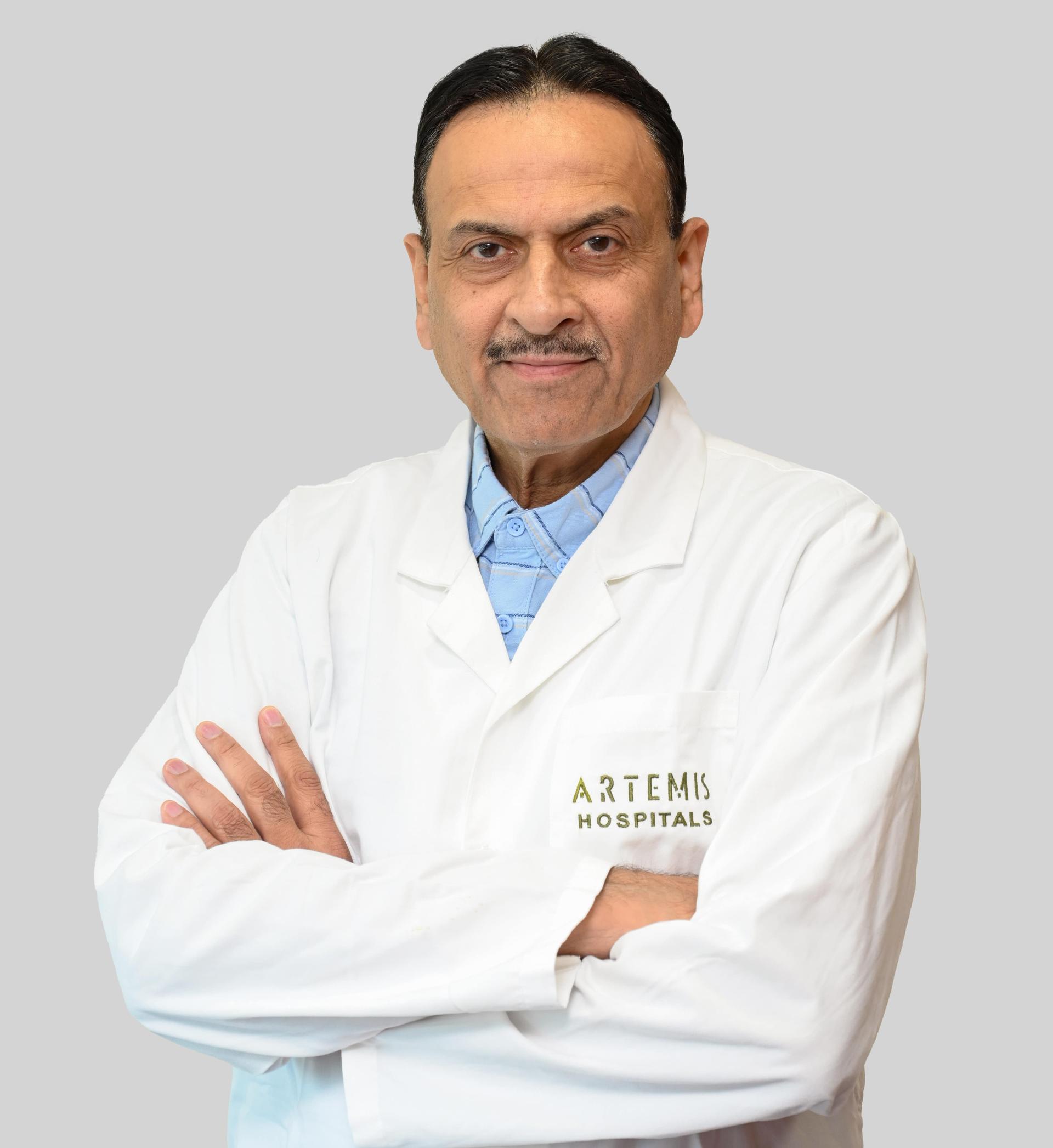
Chief Cardiology (Unit IV)
Cardiology
New Delhi
30+ Years
Experience
Artemis Hospital
Hospital
1500
Fees
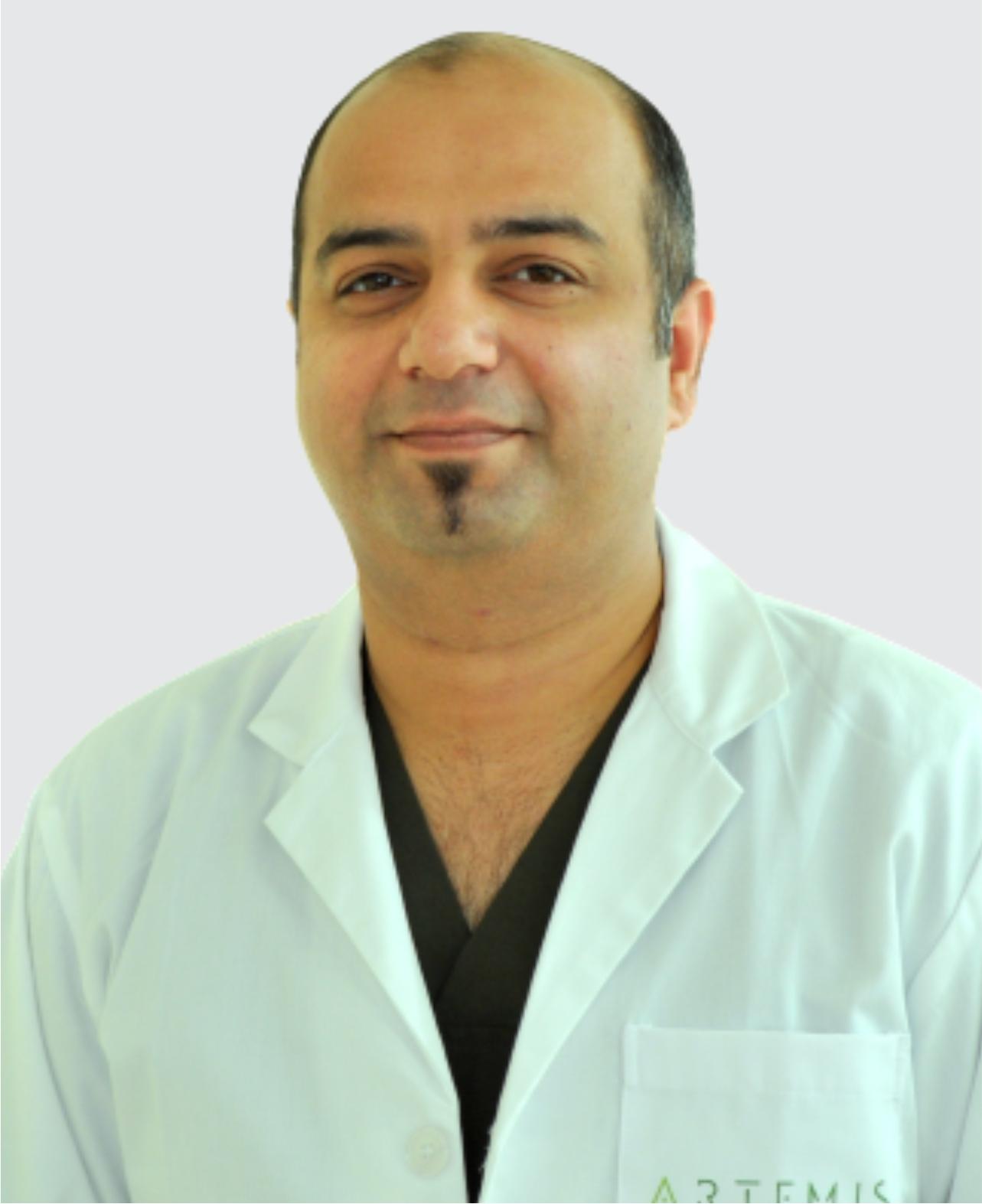
Director & Head of Department
Cardiology
New Delhi
14+ Years
Experience
Artemis Hospital
Hospital
1500
Fees

Head Unit I
Orthopaedic Surgery, Orthopaedics
New Delhi
15+ Years
Experience
Artemis Hospital
Hospital
1500
Fees

Sr. Consultant
Internal Medicine
New Delhi
12+ Years
Experience
Artemis Hospital
Hospital
1500
Fees

Chief and Unit Head - Orthopaedics (Unit III)
Orthopaedic Surgery, Orthopaedics, Robotic Surgery
New Delhi
20+ Years
Experience
Artemis Hospital
Hospital
1500
Fees
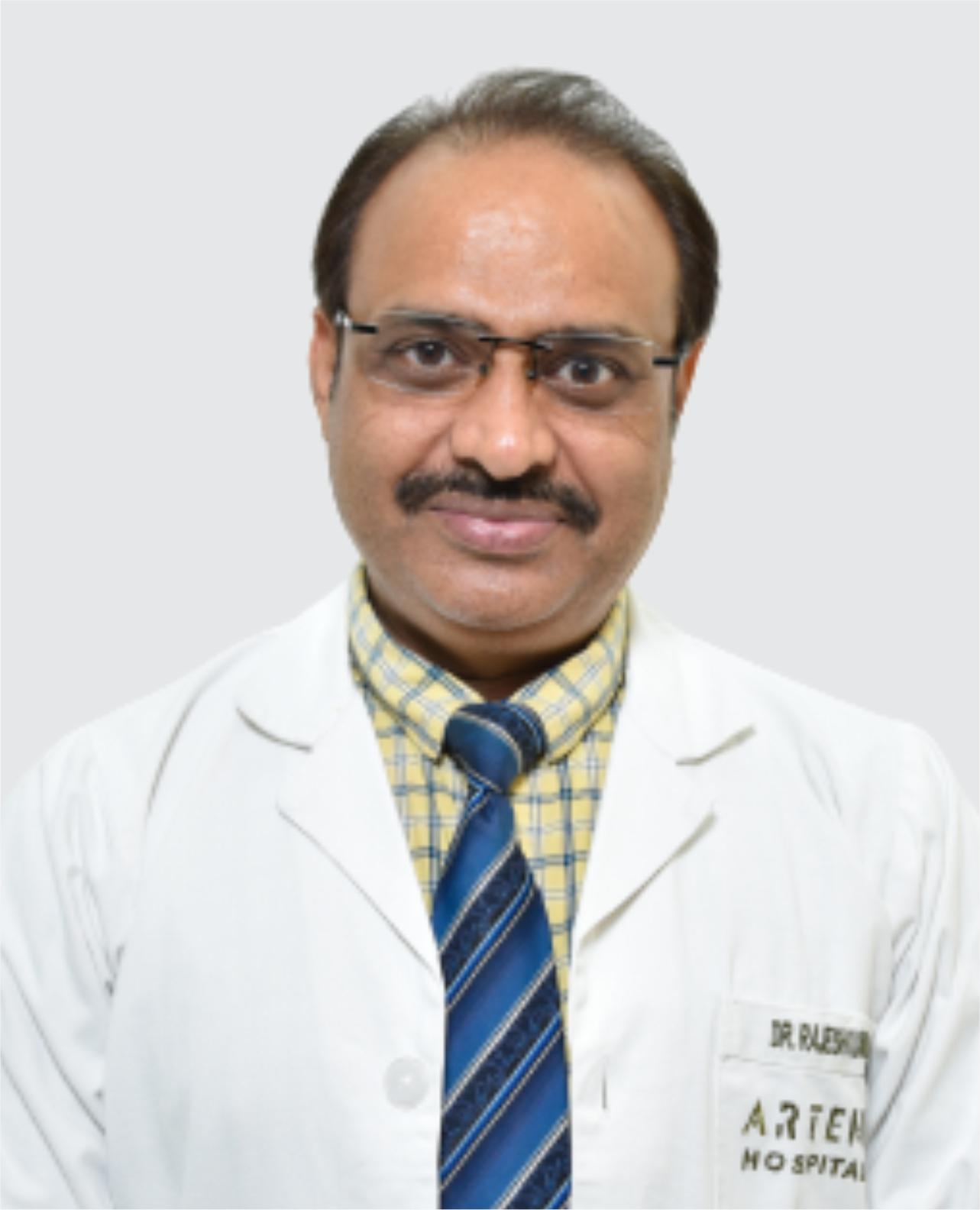
Director - Cardiology
Cardiology
New Delhi
15+ Years
Experience
Artemis Hospital
Hospital
1500
Fees
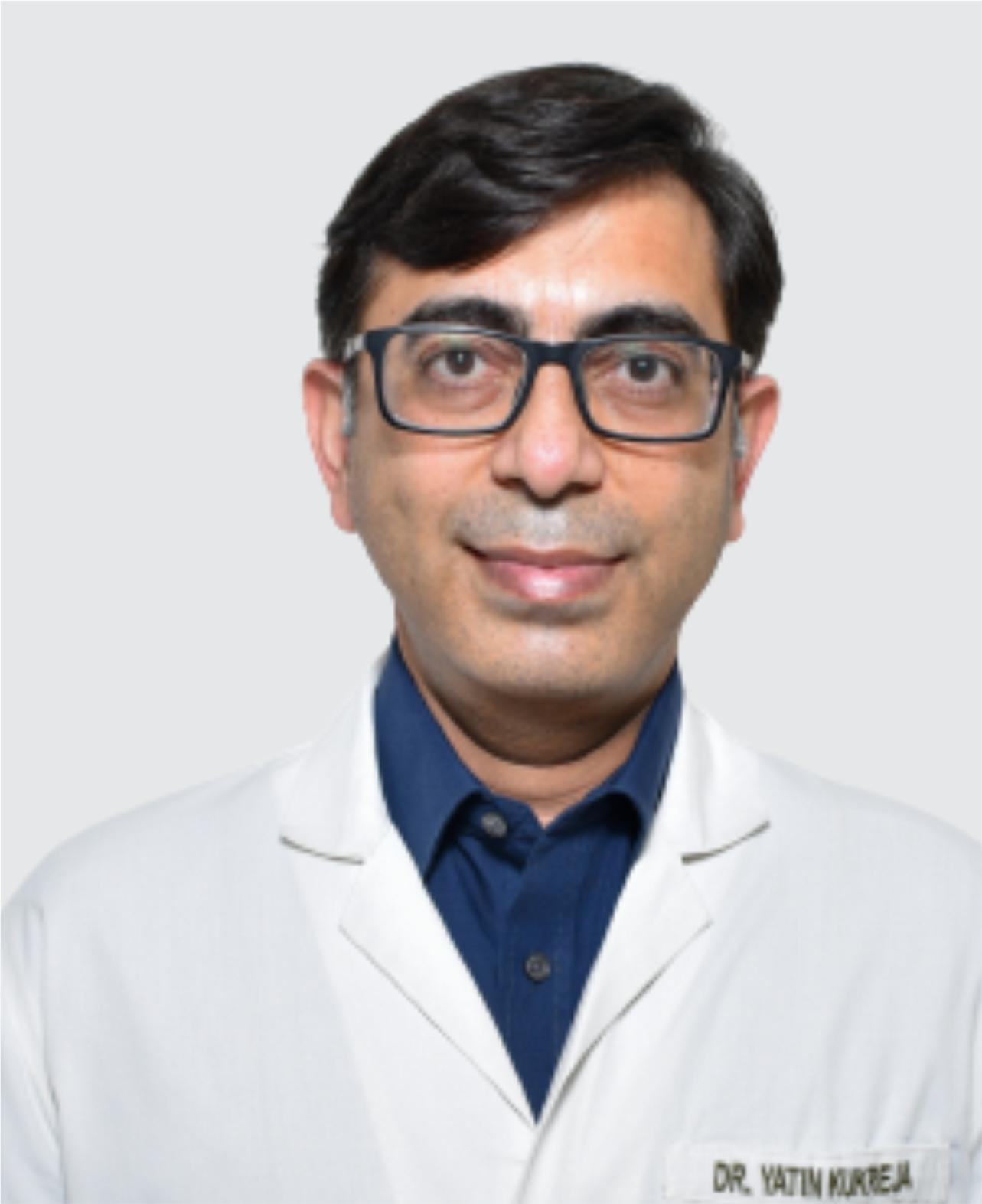
Director
Cardiology
New Delhi
14+ Years
Experience
Artemis Hospital
Hospital
1500
Fees
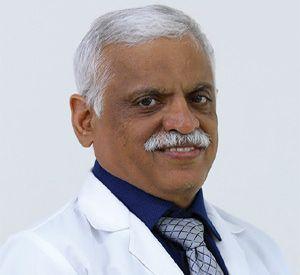
Director - Cardiology
Cardiology
New Delhi
17+ Years
Experience
Apolo Delhi
Hospital
1500
Fees

Director & Head
Cardiology
New Delhi
20+ Years
Experience
Apolo Delhi
Hospital
1500
Fees
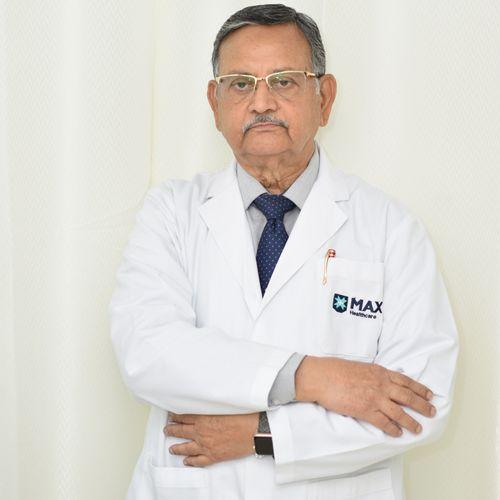
Director
Cardiology
New Delhi
21+ Years
Experience
Apolo Delhi
Hospital
1500
Fees
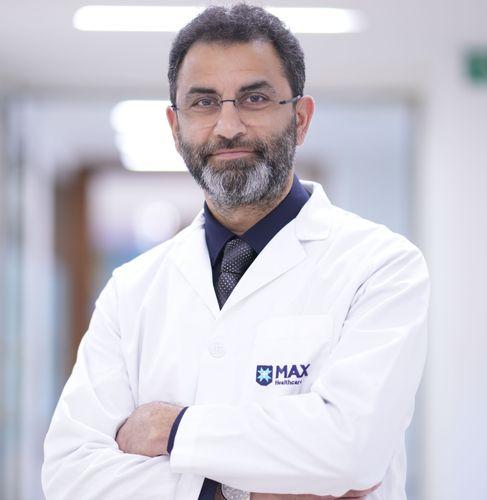
Director
Cardiology
New Delhi
24+ Years
Experience
Apolo Delhi
Hospital
1500
Fees
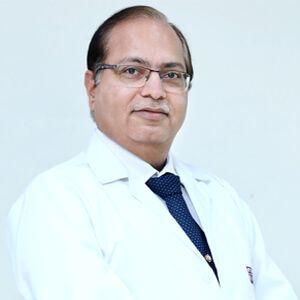
Director
Cardiology
New Delhi
20+ Years
Experience
Apolo Delhi
Hospital
1500
Fees
Director - Cardiology
Cardiology
New Delhi
23+ Years
Experience
Apolo Delhi
Hospital
1500
Fees

Director
Cardiology
New Delhi
35+ Years
Experience
Apolo Delhi
Hospital
1500
Fees
Director & Head
Cardiology
New Delhi
17+ Years
Experience
Apolo Delhi
Hospital
1500
Fees
Director
Cardiology
New Delhi
23+ Years
Experience
Apolo Delhi
Hospital
1500
Fees
Senior Director & HOD
Cardiology
New Delhi
40+ Years
Experience
Apolo Delhi
Hospital
1500
Fees
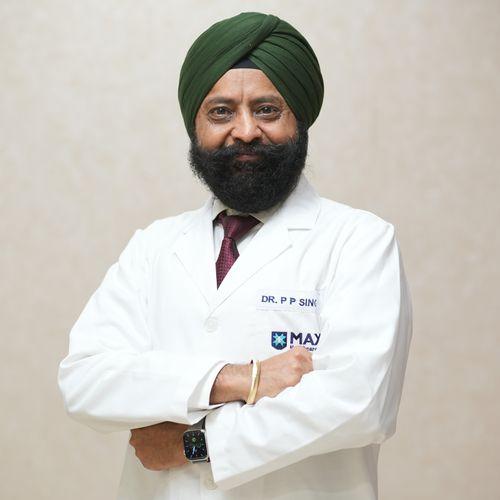
Vice Chairman - Cardiology
Cardiology
New Delhi
44+ Years
Experience
Apolo Delhi
Hospital
1500
Fees
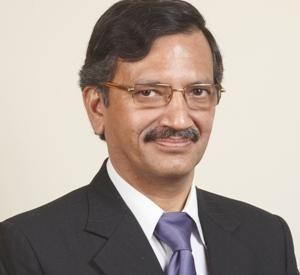
Associate Director - CTVS (Cardiothoracic and Vascular Surgery)
Cardiothoracic and Vascular Surgery
New Delhi
26+ Years
Experience
Apolo Delhi
Hospital
1500
Fees
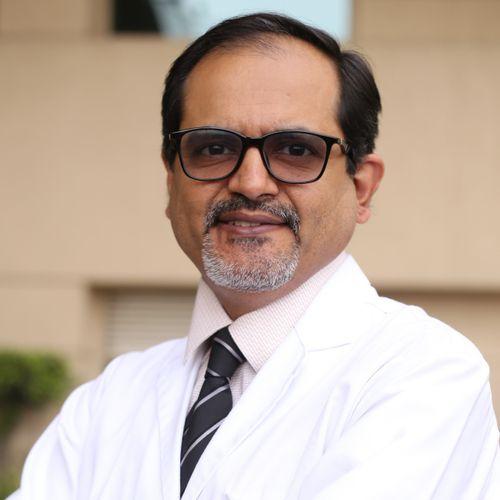
Consultant, Cardiology
Cardiology
New Delhi
12+ Years
Experience
Apolo Delhi
Hospital
1500
Fees
Director & HOD
Cardiology
New Delhi
24+ Years
Experience
Apolo Delhi
Hospital
1500
Fees
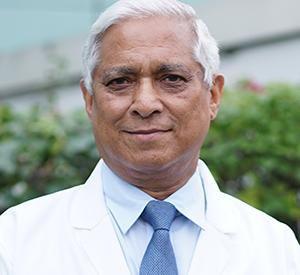
Director, Interventional Cardiology
Interventional Cardiology
New Delhi
35+ Years
Experience
Apolo Delhi
Hospital
1500
Fees
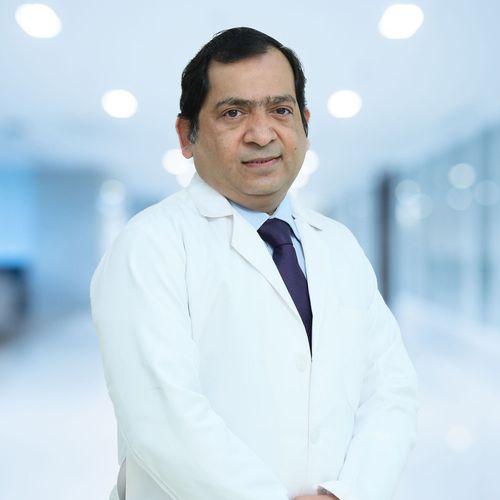
Director
Cardiology
New Delhi
24+ Years
Experience
Apolo Delhi
Hospital
1500
Fees
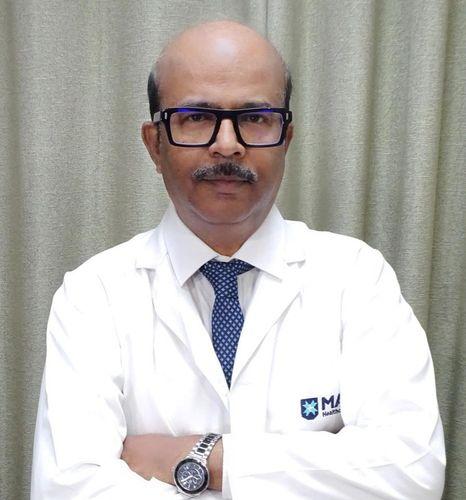
Director
Cardiology
New Delhi
17+ Years
Experience
Apolo Delhi
Hospital
1500
Fees

Director & Head - Cardiac Electrophysiology and Pacing
Cardiac Electrophysiology
New Delhi
18+ Years
Experience
Apolo Delhi
Hospital
1500
Fees
Director & Head - Cardiac Sciences
Cardiology
New Delhi
23+ Years
Experience
Apolo Delhi
Hospital
1500
Fees
احصل على خيارات علاجية شخصية من أفضل مستشفيات الهند. خبراؤنا الطبيون جاهزون لمساعدتك في كل خطوة.