
Cardiac Ablation for Arrhythmias Treatment in Bengaluru for Iraq
بحاجة لنصيحة شخصية؟
خبراؤنا الطبيون جاهزون للإجابة عن أسئلتك وإرشادك خلال خيارات العلاج.
خبراؤنا الطبيون جاهزون للإجابة عن أسئلتك وإرشادك خلال خيارات العلاج.
Are you an Iraq patient experiencing irregular heartbeats and seeking safe, effective treatment for arrhythmias? Understanding your condition and finding the right medical solution can be a significant concern, especially when considering international care. Cardiac arrhythmias can disrupt daily life and require expert attention.
Many individuals from Iraq explore healthcare options beyond their borders to access advanced medical technologies and specialized treatments. This global search often leads them to destinations renowned for excellent cardiac care, coupled with cost-effectiveness and comprehensive patient support.
Patients increasingly trust India, and specifically Bengaluru, for its high-quality cardiac services. Hospitals here offer state-of-the-art facilities, highly skilled heart specialists, and a patient-centric approach that ensures both medical excellence and a comforting environment for international visitors.
Ready to explore a world-class solution for your heart's rhythm?
Cardiac ablation is a medical procedure designed to correct irregular heartbeats, known as arrhythmias. During an arrhythmia, the heart's electrical signals are either too fast, too slow, or chaotic, causing the heart to pump blood less effectively. Cardiac ablation involves creating tiny scars within the heart tissue to block these faulty electrical signals and restore a normal heart rhythm. This procedure can significantly improve quality of life for patients experiencing symptoms like palpitations, dizziness, or shortness of breath due to their arrhythmia.
Different energy sources can be used to perform cardiac ablation, each with specific applications:
The cardiac ablation procedure varies slightly based on the type of arrhythmia and the chosen ablation technique. However, the general steps remain consistent.
After cardiac ablation, patients typically stay in the hospital for one to two days for observation. You may experience some soreness or bruising at the catheter insertion site. Gentle activity is usually recommended for the first few days, with a gradual return to normal activities over a week or two. Strenuous exercise and heavy lifting should be avoided for a period advised by your doctor. Follow-up appointments are crucial to monitor your heart rhythm and overall recovery. Some patients may continue to take antiarrhythmic medications for a short time after the procedure to help the heart adjust. Full recovery and stabilization of heart rhythm can take several weeks to months.
The success rates for cardiac ablation are generally high, ranging from 70% to over 95%, depending on the type and complexity of the arrhythmia. For instance, ablations for supraventricular tachycardias often have very high success rates. Atrial fibrillation ablation success rates vary, and some patients may require more than one procedure. Long-term expectations usually include a significant reduction or complete elimination of arrhythmia symptoms, improving overall heart health and quality of life. The outcome can be influenced by the patient's age, overall health, and the duration of the arrhythmia.
The cost of Cardiac Ablation for Arrhythmias in Bengaluru, India, is significantly more affordable compared to Western countries, without compromising on quality. Several factors influence the final cost, including the specific type of arrhythmia being treated, the ablation technique used (e.g., radiofrequency, cryoablation), the choice of hospital and its facilities, the duration of hospital stay, the specialist's fees, and any additional tests or medications required during recovery.
Generally, the cost of Cardiac Ablation for Arrhythmias in India can range from INR 2,50,000 to INR 6,00,000.
| City | Cost Range (INR) |
|---|---|
| Bengaluru | ₹2,50,000 – ₹5,50,000 |
| Delhi | ₹2,80,000 – ₹6,00,000 |
| Mumbai | ₹2,70,000 – ₹5,80,000 |
| Chennai | ₹2,60,000 – ₹5,30,000 |
| Hyderabad | ₹2,40,000 – ₹5,00,000 |
| Kolkata | ₹2,30,000 – ₹4,80,000 |
| Ahmedabad | ₹2,20,000 – ₹4,70,000 |
| Country | Cost Range (USD) |
|---|---|
| India | $3,000 – $7,500 |
| United States | $25,000 – $70,000 |
| United Kingdom | $20,000 – $45,000 |
| Germany | $18,000 – $40,000 |
| Thailand | $7,000 – $15,000 |
| Turkey | $6,000 – $12,000 |
Connect with top cardiac specialists in Bengaluru. Get a personalized treatment plan and cost estimate.
Start your journey to a healthier heart. Reach out for a free consultation and learn how we can help.
Choosing Bengaluru for your cardiac ablation means opting for advanced care, experienced specialists, and a supportive environment. Take the first step towards a life free from arrhythmia concerns.
India offers premium medical procedures at affordable prices. Discover our most popular treatments, delivered by the country's finest doctors.
Meet our team of highly qualified and experienced medical professionals dedicated to providing the best healthcare services.
Chief Cardiology (Unit IV)
Cardiology
New Delhi
30+ Years
Experience
Artemis Hospital
Hospital
1500
Fees
Director & Head of Department
Cardiology
New Delhi
14+ Years
Experience
Artemis Hospital
Hospital
1500
Fees

Head Unit I
Orthopaedic Surgery, Orthopaedics
New Delhi
15+ Years
Experience
Artemis Hospital
Hospital
1500
Fees

Sr. Consultant
Internal Medicine
New Delhi
12+ Years
Experience
Artemis Hospital
Hospital
1500
Fees

Chief and Unit Head - Orthopaedics (Unit III)
Orthopaedic Surgery, Orthopaedics, Robotic Surgery
New Delhi
20+ Years
Experience
Artemis Hospital
Hospital
1500
Fees
Director - Cardiology
Cardiology
New Delhi
15+ Years
Experience
Artemis Hospital
Hospital
1500
Fees
Director
Cardiology
New Delhi
14+ Years
Experience
Artemis Hospital
Hospital
1500
Fees
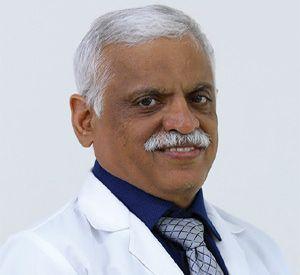
Director - Cardiology
Cardiology
New Delhi
17+ Years
Experience
Apolo Delhi
Hospital
1500
Fees

Director & Head
Cardiology
New Delhi
20+ Years
Experience
Apolo Delhi
Hospital
1500
Fees
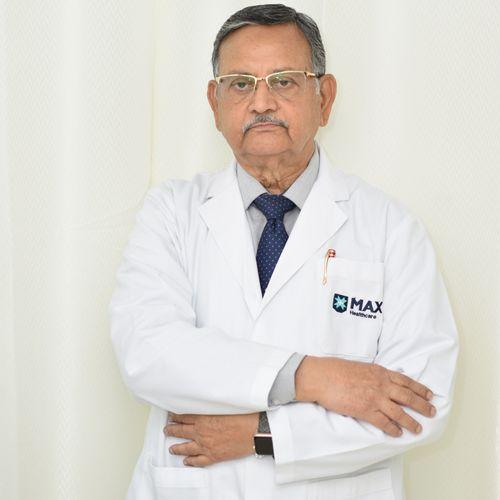
Director
Cardiology
New Delhi
21+ Years
Experience
Apolo Delhi
Hospital
1500
Fees
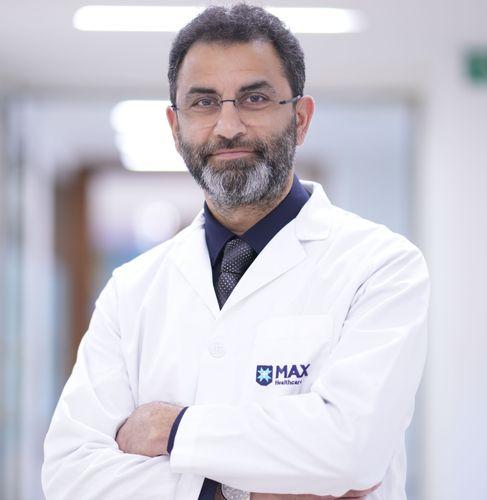
Director
Cardiology
New Delhi
24+ Years
Experience
Apolo Delhi
Hospital
1500
Fees
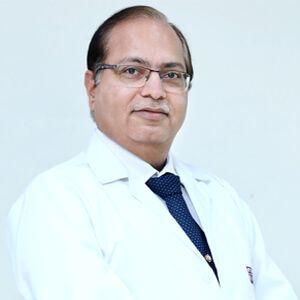
Director
Cardiology
New Delhi
20+ Years
Experience
Apolo Delhi
Hospital
1500
Fees
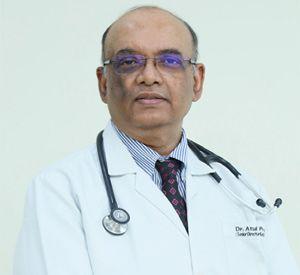
Director - Cardiology
Cardiology
New Delhi
23+ Years
Experience
Apolo Delhi
Hospital
1500
Fees

Director
Cardiology
New Delhi
35+ Years
Experience
Apolo Delhi
Hospital
1500
Fees
Director & Head
Cardiology
New Delhi
17+ Years
Experience
Apolo Delhi
Hospital
1500
Fees
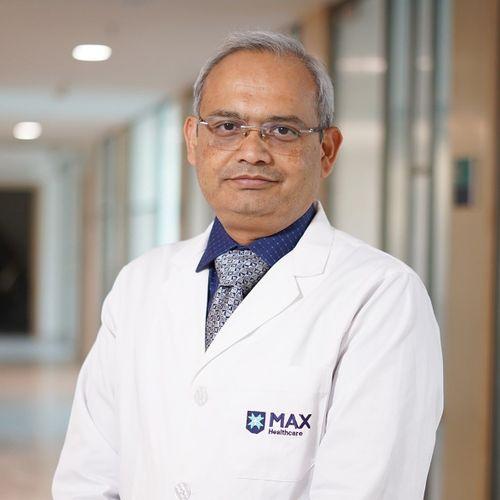
Director
Cardiology
New Delhi
23+ Years
Experience
Apolo Delhi
Hospital
1500
Fees
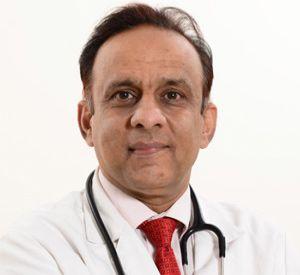
Senior Director & HOD
Cardiology
New Delhi
40+ Years
Experience
Apolo Delhi
Hospital
1500
Fees
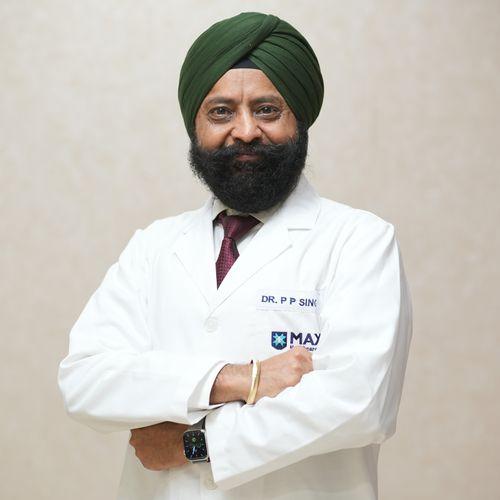
Vice Chairman - Cardiology
Cardiology
New Delhi
44+ Years
Experience
Apolo Delhi
Hospital
1500
Fees
Associate Director - CTVS (Cardiothoracic and Vascular Surgery)
Cardiothoracic and Vascular Surgery
New Delhi
26+ Years
Experience
Apolo Delhi
Hospital
1500
Fees
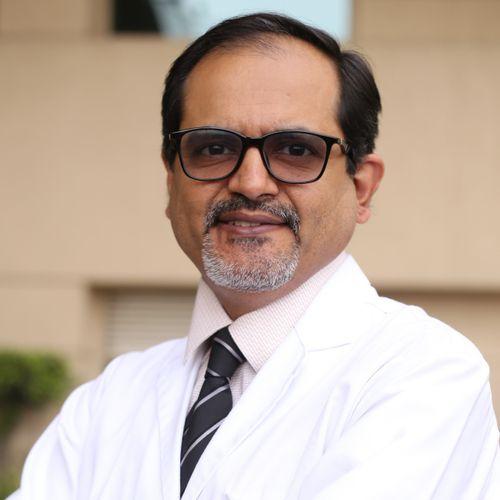
Consultant, Cardiology
Cardiology
New Delhi
12+ Years
Experience
Apolo Delhi
Hospital
1500
Fees
Director & HOD
Cardiology
New Delhi
24+ Years
Experience
Apolo Delhi
Hospital
1500
Fees
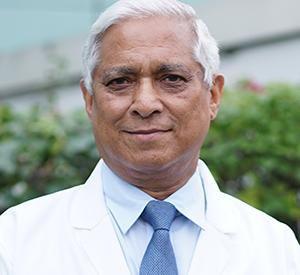
Director, Interventional Cardiology
Interventional Cardiology
New Delhi
35+ Years
Experience
Apolo Delhi
Hospital
1500
Fees
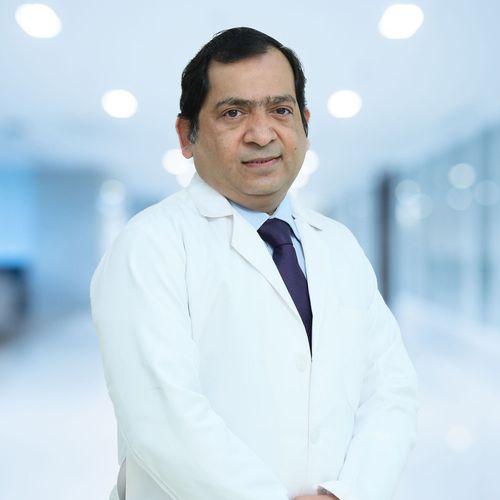
Director
Cardiology
New Delhi
24+ Years
Experience
Apolo Delhi
Hospital
1500
Fees
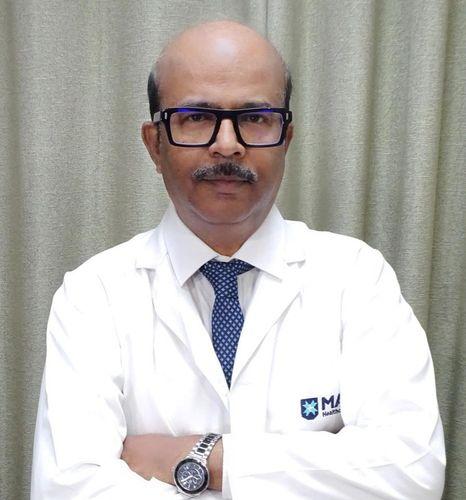
Director
Cardiology
New Delhi
17+ Years
Experience
Apolo Delhi
Hospital
1500
Fees

Director & Head - Cardiac Electrophysiology and Pacing
Cardiac Electrophysiology
New Delhi
18+ Years
Experience
Apolo Delhi
Hospital
1500
Fees
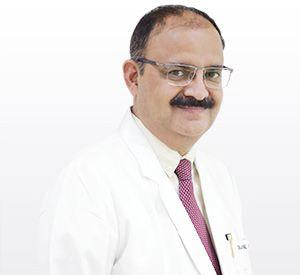
Director & Head - Cardiac Sciences
Cardiology
New Delhi
23+ Years
Experience
Apolo Delhi
Hospital
1500
Fees
احصل على خيارات علاجية شخصية من أفضل مستشفيات الهند. خبراؤنا الطبيون جاهزون لمساعدتك في كل خطوة.