
Cardiac Ablation for Arrhythmias Treatment in Chennai for Ethiopia
بحاجة لنصيحة شخصية؟
خبراؤنا الطبيون جاهزون للإجابة عن أسئلتك وإرشادك خلال خيارات العلاج.
خبراؤنا الطبيون جاهزون للإجابة عن أسئلتك وإرشادك خلال خيارات العلاج.
Are you an Ethiopian patient navigating the challenges of irregular heartbeats and considering Cardiac Ablation for Arrhythmias? The search for advanced, safe, and cost-effective cardiac care can often bring significant concerns and difficult decisions.
Many individuals from Ethiopia explore healthcare options beyond their home country to access specialized medical procedures and cutting-edge technology that may not be readily available or affordable locally.
India, and particularly the city of Chennai, has become a trusted global destination for cardiac care. Patients choose Chennai for its highly skilled cardiologists, modern medical facilities, and comprehensive approach to heart health.
Why compromise on your heart's health? Discover world-class arrhythmia treatment in Chennai.
Cardiac ablation is a medical procedure designed to correct irregular heartbeats, known as arrhythmias. It involves carefully creating small scars in a specific area of your heart tissue that is responsible for sending faulty electrical signals. These scars block the abnormal signals, helping your heart return to a normal, steady rhythm. This treatment is often recommended when medications are not effective or when a patient experiences severe symptoms due to their arrhythmia. The goal is to improve heart function and enhance overall quality of life.
Cardiac ablation techniques vary depending on the type and location of the arrhythmia. Common approaches include:
The specific steps for Cardiac Ablation depend on the type of arrhythmia, the chosen ablation method, and your individual health plan. Generally, the procedure follows a structured approach to ensure precision and safety.
Before the procedure, you will receive sedation to help you relax or general anesthesia for sleep. The cardiologist will numb an area, usually in your groin, and insert thin, flexible tubes called catheters into a blood vessel. These catheters are then carefully guided to your heart.
Once the catheters are in place, an electrophysiology study is performed. This involves using the catheters to send small electrical impulses and record the heart's signals. This detailed mapping helps the specialist identify the exact location of the abnormal tissue causing the arrhythmia.
Once the problematic site is identified, the ablation catheter delivers energy (such as radiofrequency heat, extreme cold, or pulsed electric fields) to that specific area. This energy creates small, controlled scars that block the irregular electrical signals, thereby restoring a normal heart rhythm.
After the ablation, the cardiologist will re-test the heart's electrical activity to ensure the abnormal signals have been successfully eliminated. If the rhythm is stable, the catheters are carefully removed, and pressure is applied to the insertion site to prevent bleeding.
Following Cardiac Ablation, you will typically need to rest in bed for several hours to allow the insertion site to heal. Most patients are discharged within 1-2 days. It's common to feel some chest discomfort or palpitations for a few days as your heart heals. You will be advised to avoid strenuous activities, heavy lifting, and driving for a period, often a week or more, as per your doctor's instructions. Regular follow-up appointments with your cardiologist are essential to monitor your heart rhythm, adjust medications if needed, and ensure a smooth recovery. Complete healing and stabilization of heart rhythm can take several weeks to a few months.
The success rates for Cardiac Ablation vary significantly based on the type of arrhythmia being treated, the patient's overall health, and the experience of the medical team. For common conditions like Supraventricular Tachycardia (SVT), success rates can be very high, often exceeding 90%. For Atrial Fibrillation, success rates typically range from 70% to 85% after one or sometimes two procedures. Long-term outcomes are generally positive, with many patients experiencing a significant improvement in their quality of life and reduction in arrhythmia symptoms. It's important to have realistic expectations and discuss them thoroughly with your cardiologist.
The cost of Cardiac Ablation for Arrhythmias in Chennai can vary due to several factors. These include the specific type of arrhythmia, the complexity of the procedure, the technology used (e.g., advanced 3D mapping), the chosen hospital facility, the experience of the treating cardiologist, and the duration of hospital stay. Additional costs may arise from pre-operative tests, post-operative care, and any necessary medications.
Typically, the cost for Cardiac Ablation in Chennai ranges from INR 3,50,000 to INR 7,00,000.
Patients from Ethiopia often find that the cost of advanced medical procedures like Cardiac Ablation in Chennai offers significant savings without compromising on quality or expertise. Here is an estimated comparison:
| Location | Estimated Cost (USD) |
|---|---|
| Chennai, India | $4,500 - $9,000 |
| Ethiopia | $10,000 - $18,000 (if available) |
Contact us for a personalized consultation and cost estimate for your Cardiac Ablation procedure.
Reach out to us to connect with leading specialists in Chennai for your Cardiac Ablation needs.
Connect with our expert team today to explore your options for advanced Cardiac Ablation for Arrhythmias in Chennai.
India offers premium medical procedures at affordable prices. Discover our most popular treatments, delivered by the country's finest doctors.
Meet our team of highly qualified and experienced medical professionals dedicated to providing the best healthcare services.
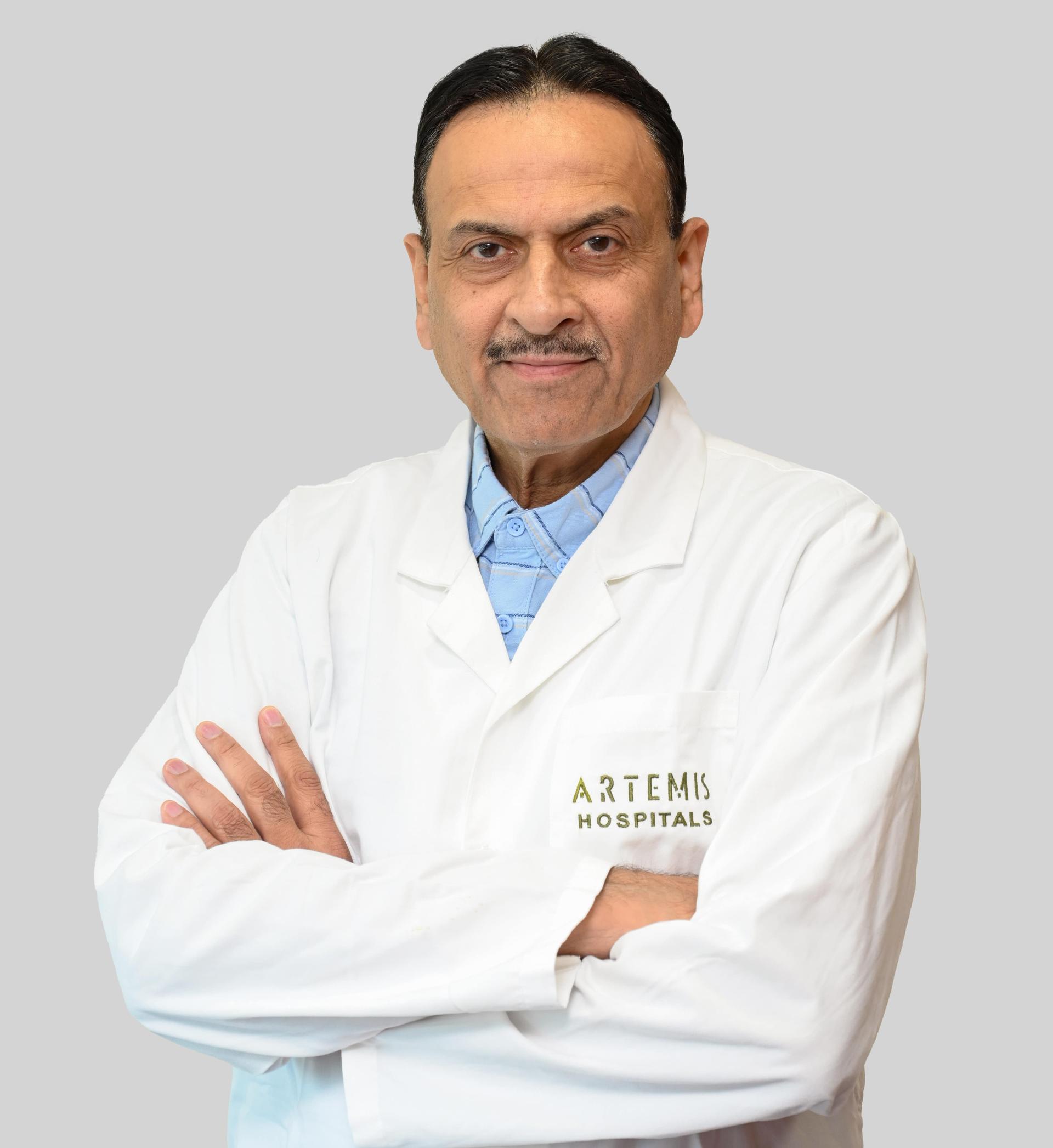
Chief Cardiology (Unit IV)
Cardiology
New Delhi
30+ Years
Experience
Artemis Hospital
Hospital
1500
Fees

Senior Consultant
Obstetrics and Gynaecology
New Delhi
10+ Years
Experience
Artemis Hospital
Hospital
1500
Fees
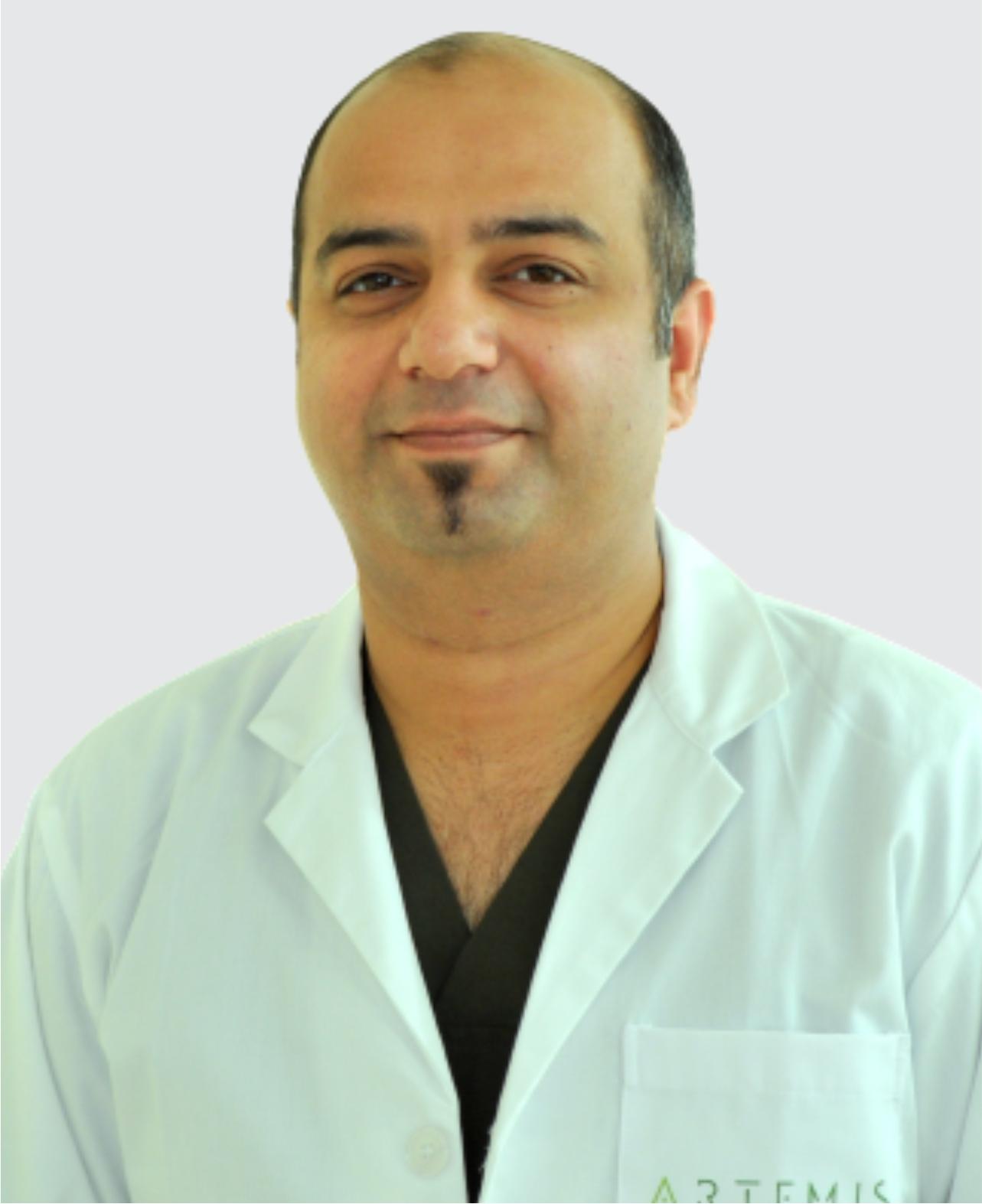
Director & Head of Department
Cardiology
New Delhi
14+ Years
Experience
Artemis Hospital
Hospital
1500
Fees

Head Unit I
Orthopaedic Surgery, Orthopaedics
New Delhi
15+ Years
Experience
Artemis Hospital
Hospital
1500
Fees
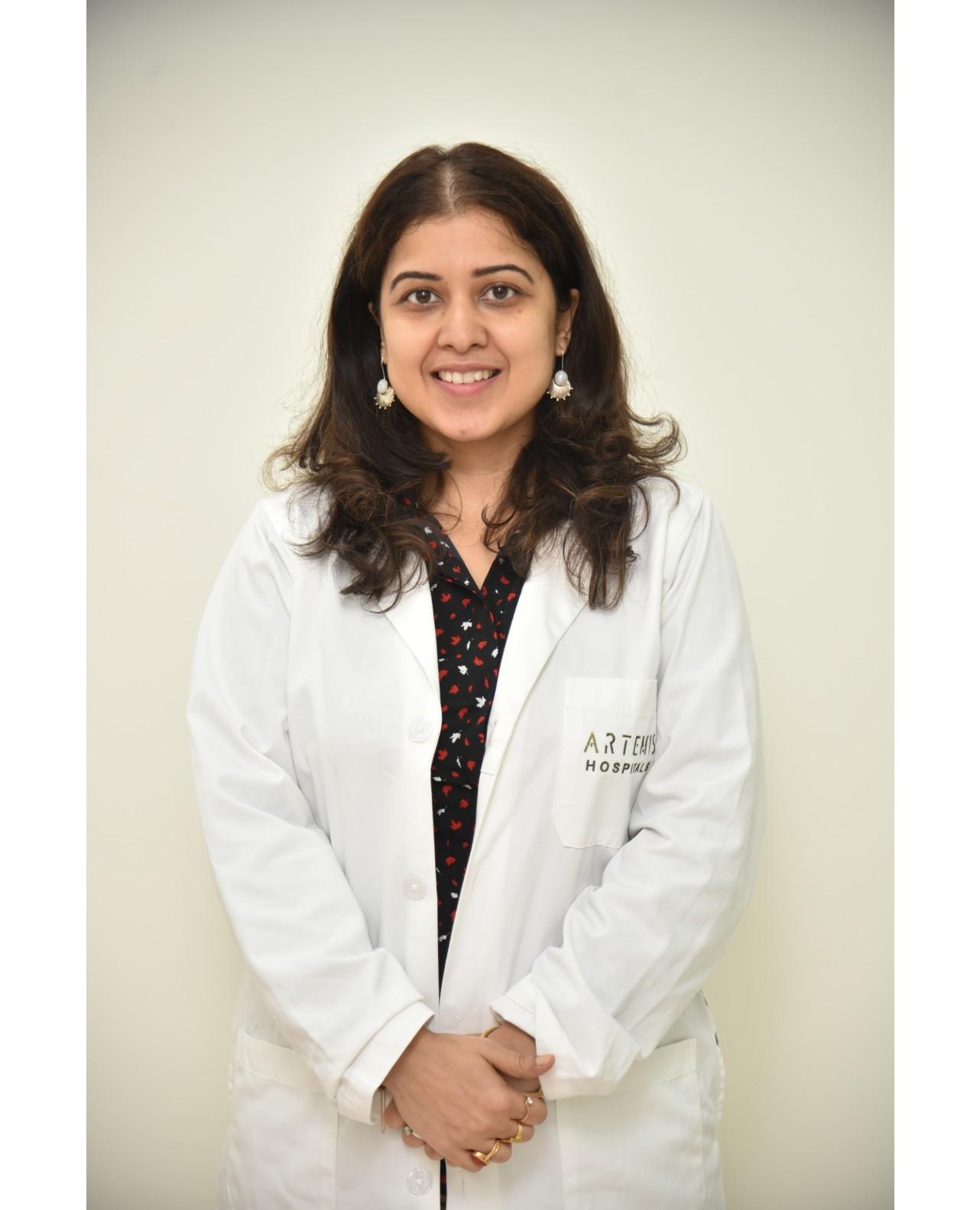
Senior Consultant - Obstetrics & Gynaecology
Obstetrics & Gynaecology
New Delhi
18+ Years
Experience
Artemis Hospital
Hospital
1500
Fees
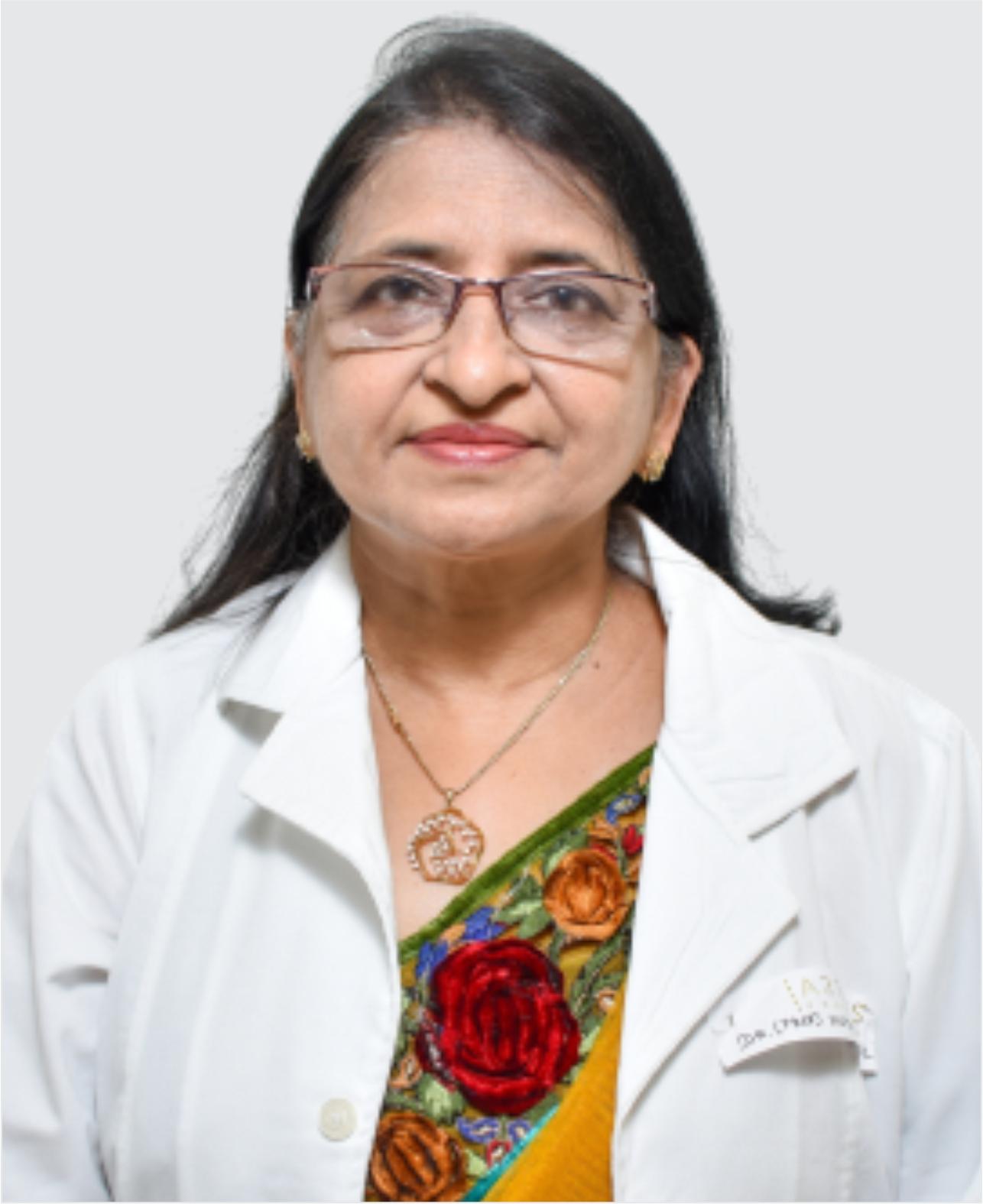
Head of Department - Gynae Endocrinology & DNB Program Director - Obs & Gynae
Gynaecological Endocrinology, Maternity, Obstetrics & Gynaecology
New Delhi
35+ Years
Experience
Artemis Hospital
Hospital
1500
Fees

Sr. Consultant
Internal Medicine
New Delhi
12+ Years
Experience
Artemis Hospital
Hospital
1500
Fees

Senior Consultant - ENT
ENT and Head & Neck Surgery
New Delhi
24+ Years
Experience
Artemis Hospital
Hospital
1500
Fees

Consultant (Head & Neck Surgery) - Surgical Oncology
Head and Neck Surgical Oncology
New Delhi
10+ Years
Experience
Artemis Hospital
Hospital
1500
Fees

Chief and Unit Head - Orthopaedics (Unit III)
Orthopaedic Surgery, Orthopaedics, Robotic Surgery
New Delhi
20+ Years
Experience
Artemis Hospital
Hospital
1500
Fees

Chairperson - Gynae Oncology
Gynaecological Oncology
New Delhi
16+ Years
Experience
Artemis Hospital
Hospital
1500
Fees
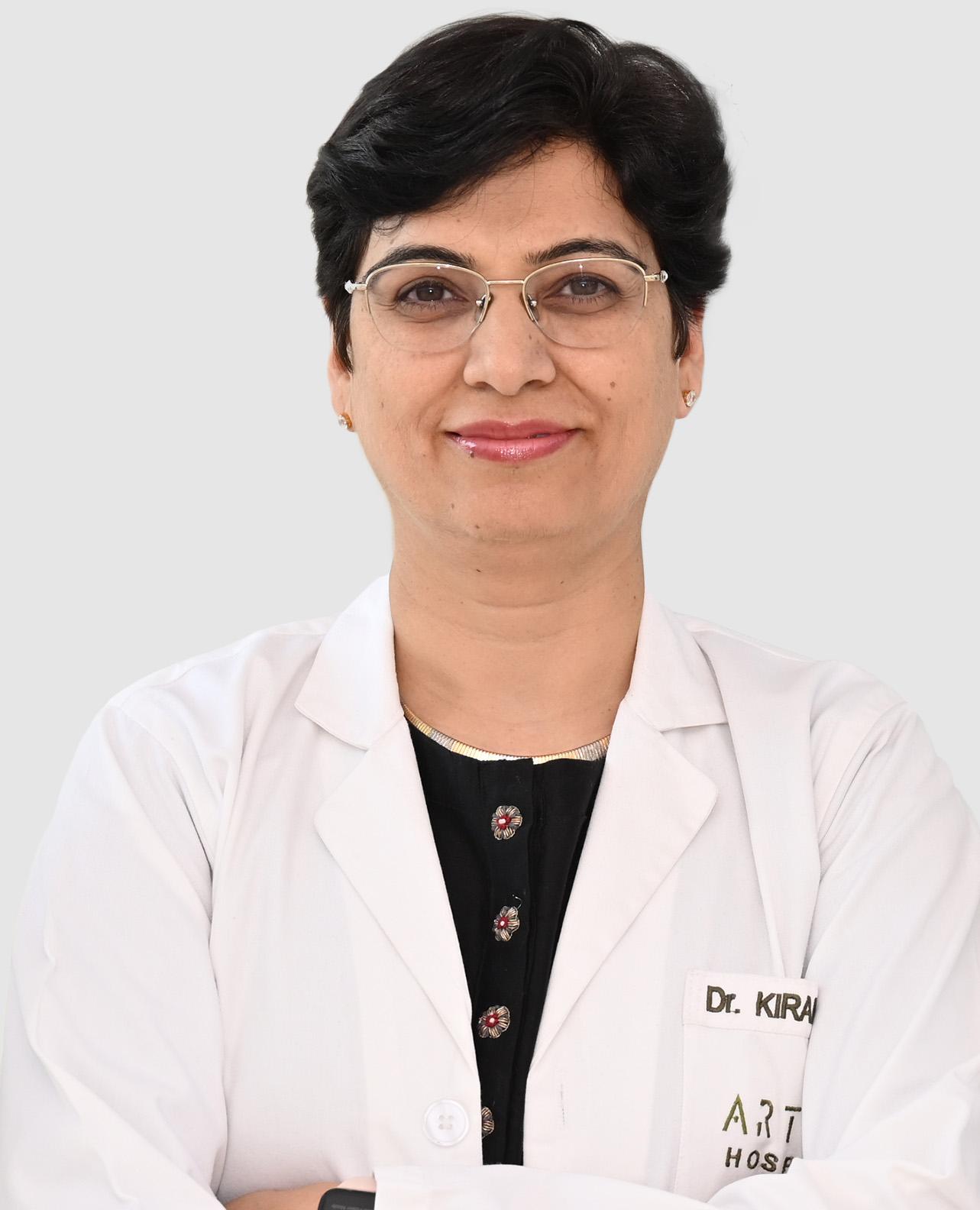
Unit Head - Reproductive Medicine (Unit II)
IVF, Reproductive Medicine, Obstetrics & Gynecology
New Delhi
20+ Years
Experience
Artemis Hospital
Hospital
1500
Fees
Sr. Consultant - Obs & Gynae
Maternity, Obstetrics & Gynaecology
New Delhi
15+ Years
Experience
Artemis Hospital
Hospital
1500
Fees

Director - Reproductive Medicine & IVF
Reproductive Medicine & IVF
New Delhi
13+ Years
Experience
Apolo Delhi
Hospital
1500
Fees
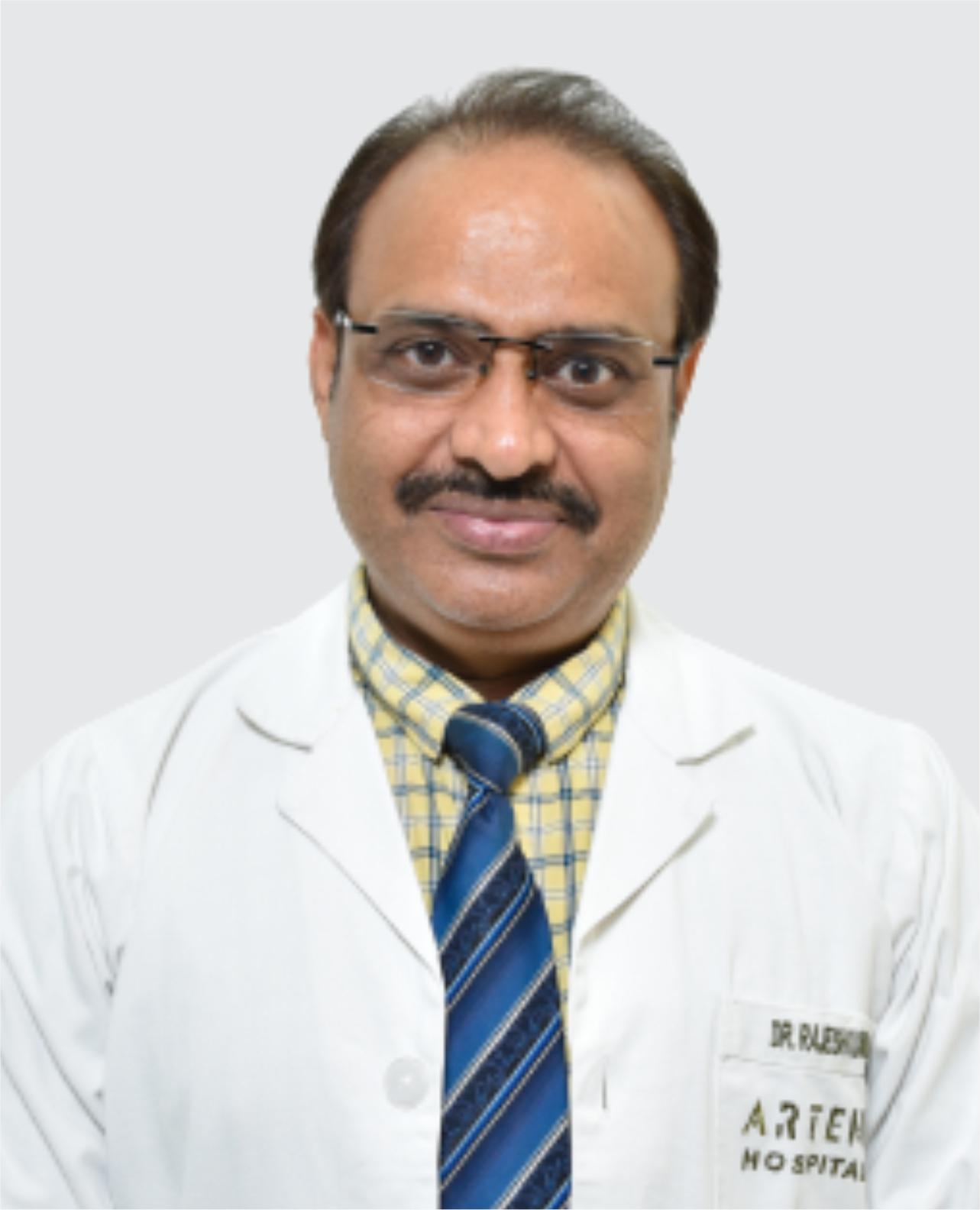
Director - Cardiology
Cardiology
New Delhi
15+ Years
Experience
Artemis Hospital
Hospital
1500
Fees
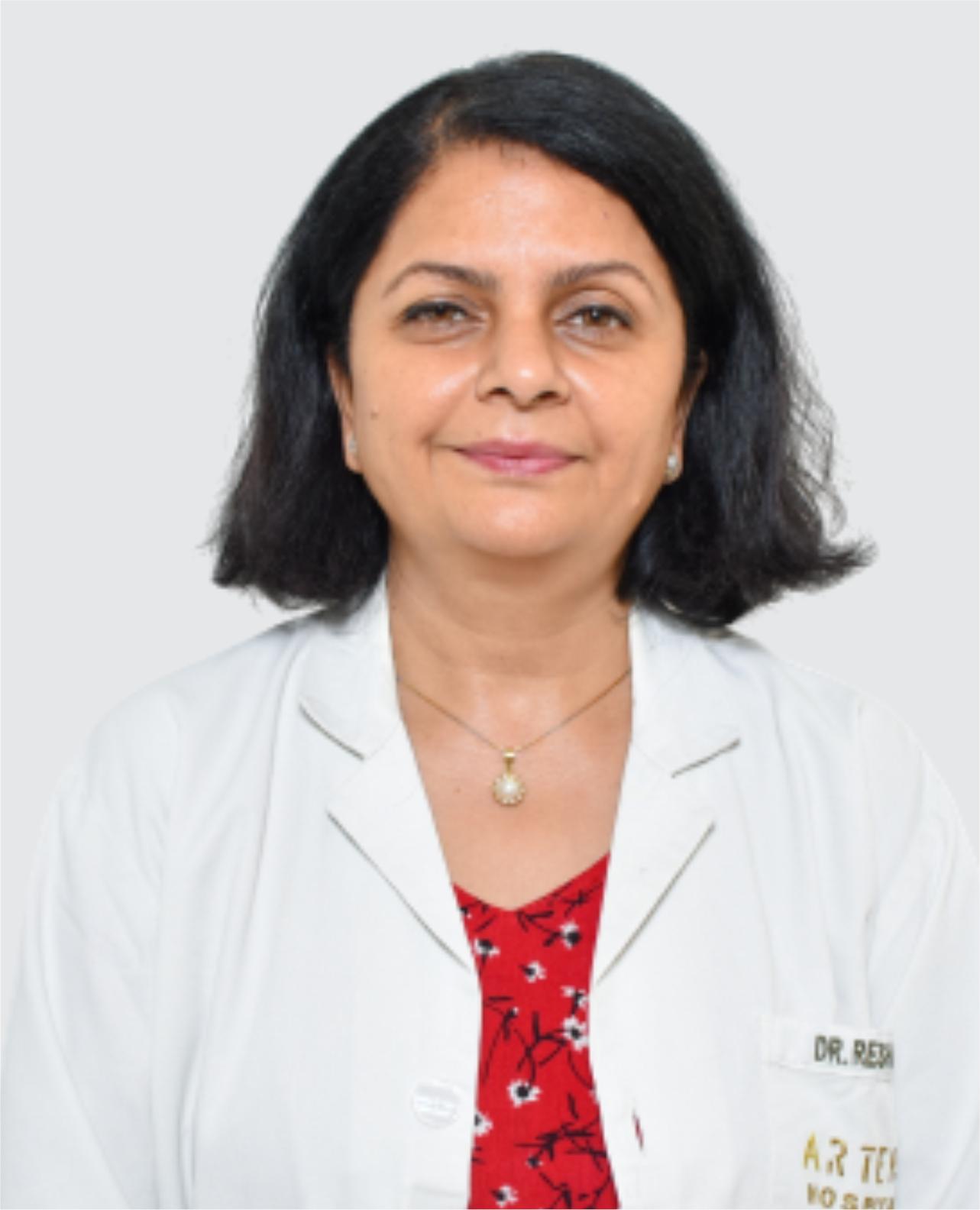
Director
Obstetrics and Gynaecology
New Delhi
19+ Years
Experience
Artemis Hospital
Hospital
1500
Fees
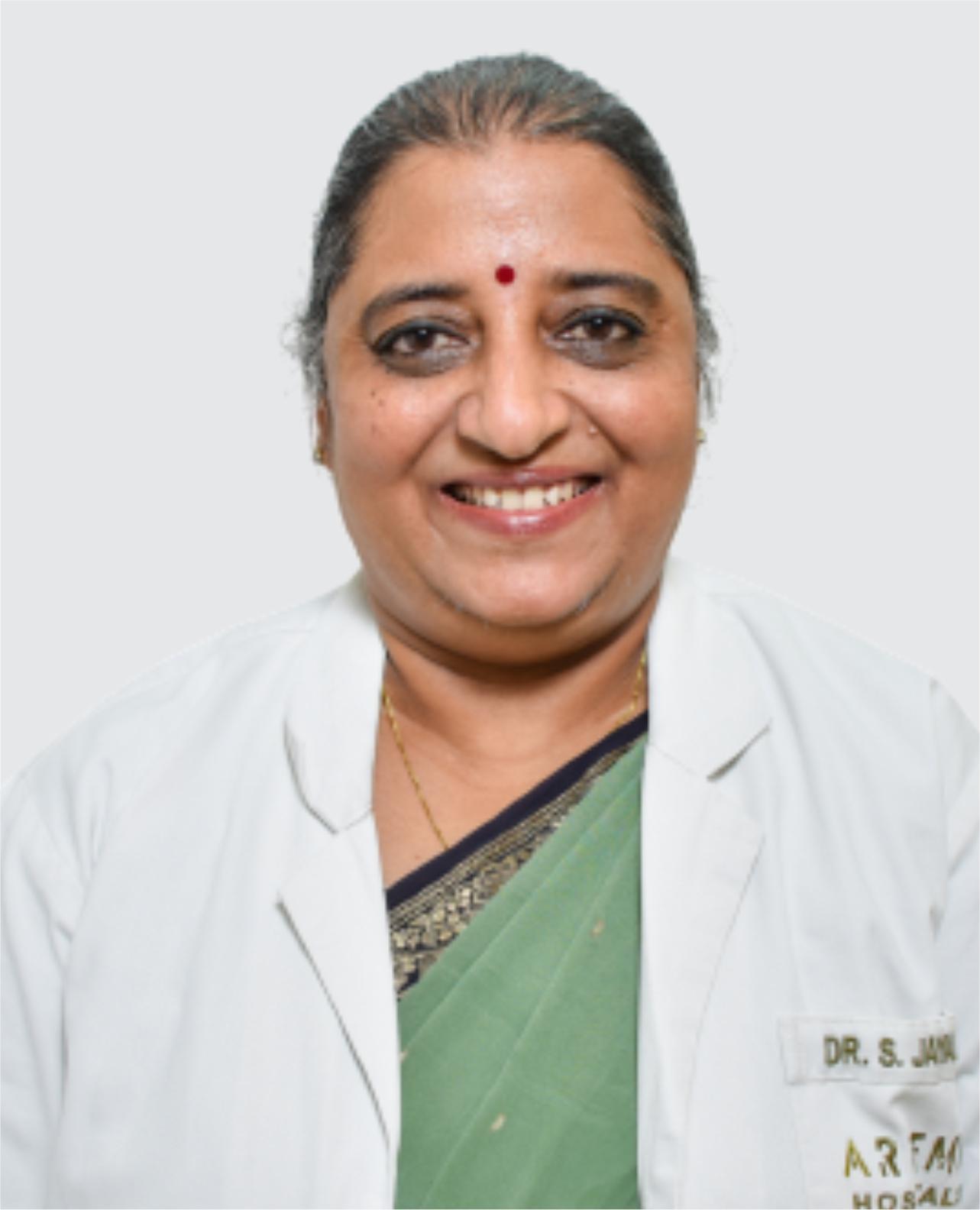
Sr. Consultant
Obstetrics & Gynaecology
New Delhi
15+ Years
Experience
Artemis Hospital
Hospital
1500
Fees
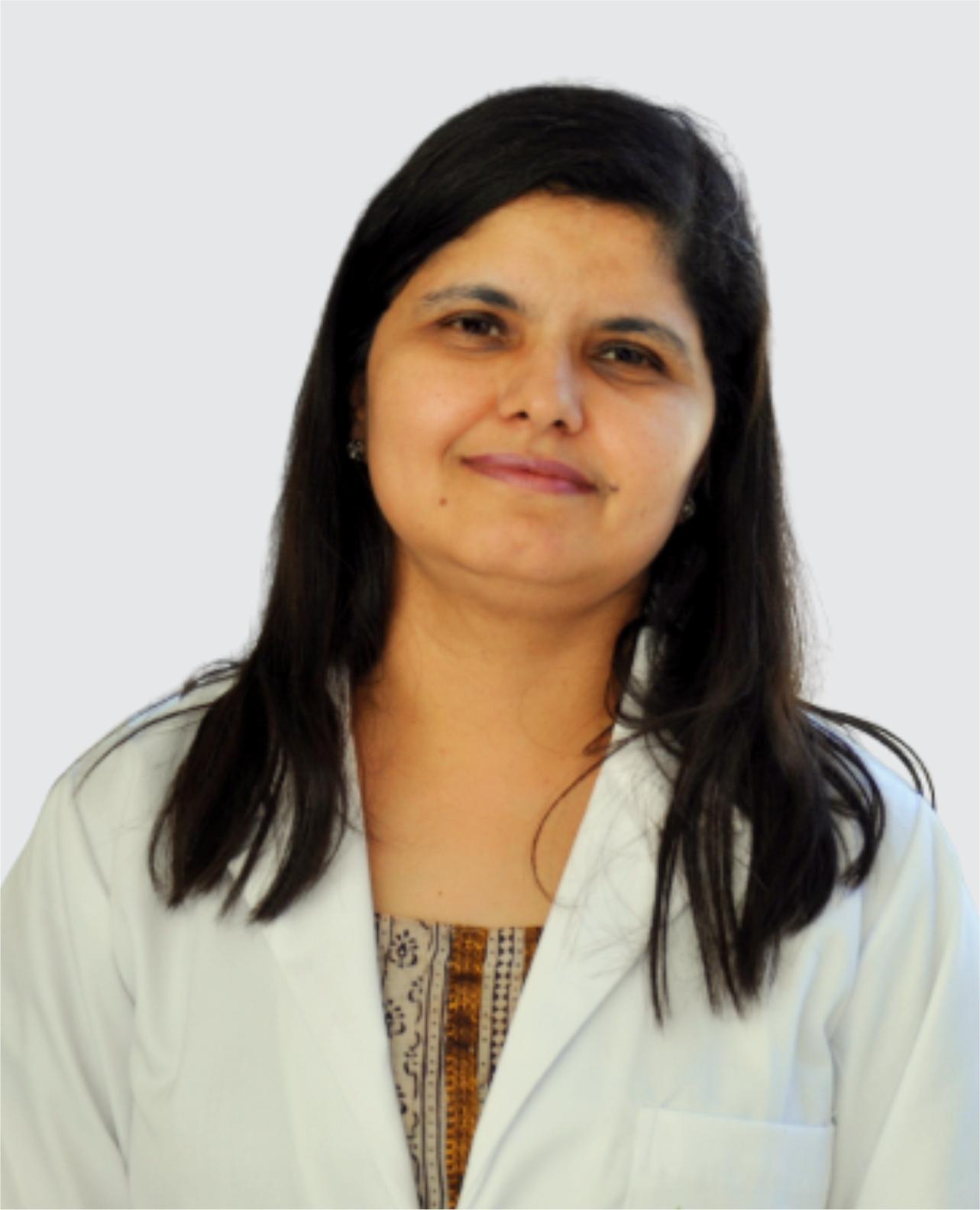
Director - Obs, Gynae & IVF
Obstetrics & Gynaecology
New Delhi
20+ Years
Experience
Artemis Hospital
Hospital
1500
Fees
Sr. Consultant - Gynaecology & Obstetrics
Gynaecology & Obstetrics
New Delhi
15+ Years
Experience
Apolo Delhi
Hospital
1500
Fees
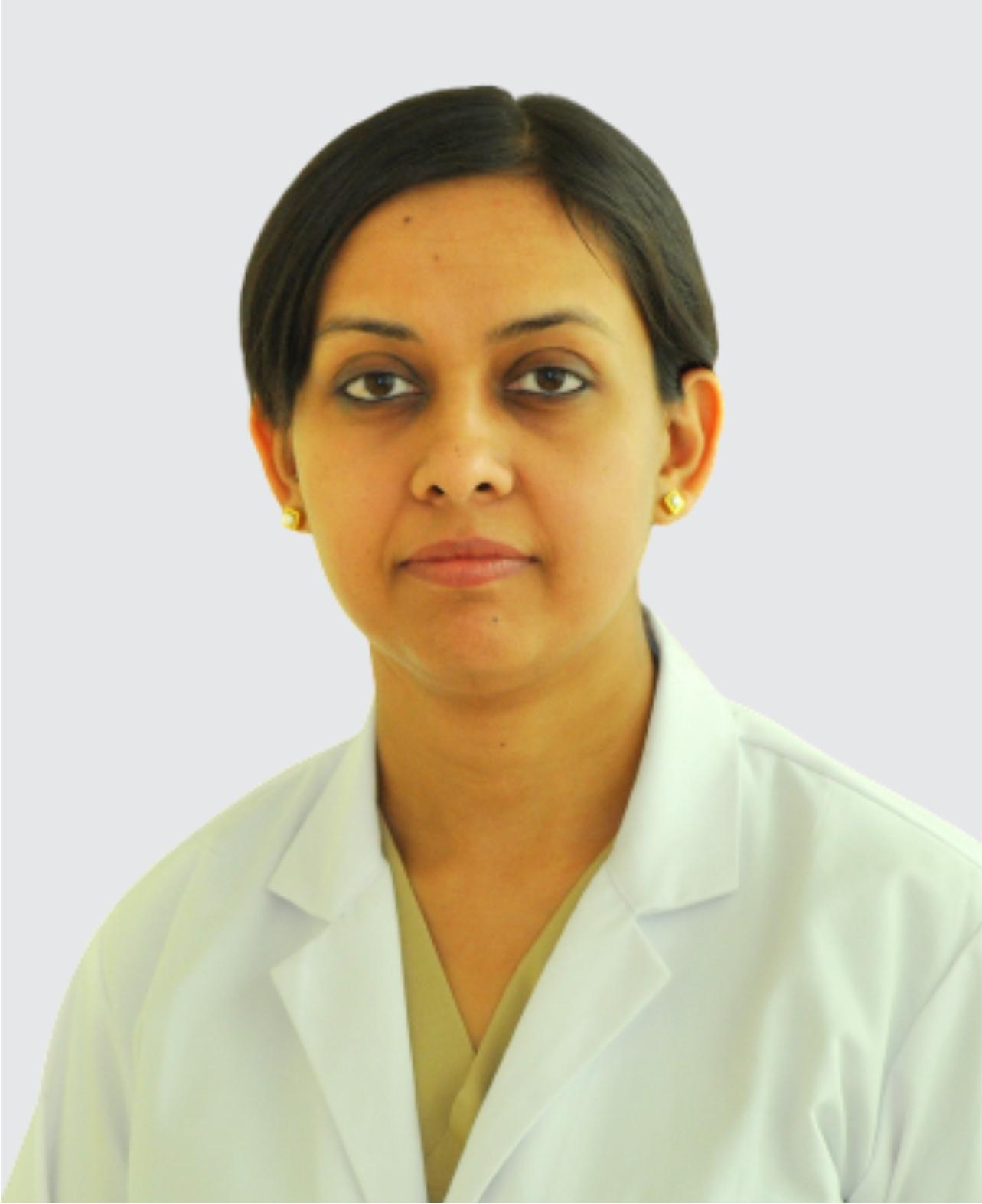
Director
Obstetrics & Gynaecology
New Delhi
15+ Years
Experience
Artemis Hospital
Hospital
1500
Fees
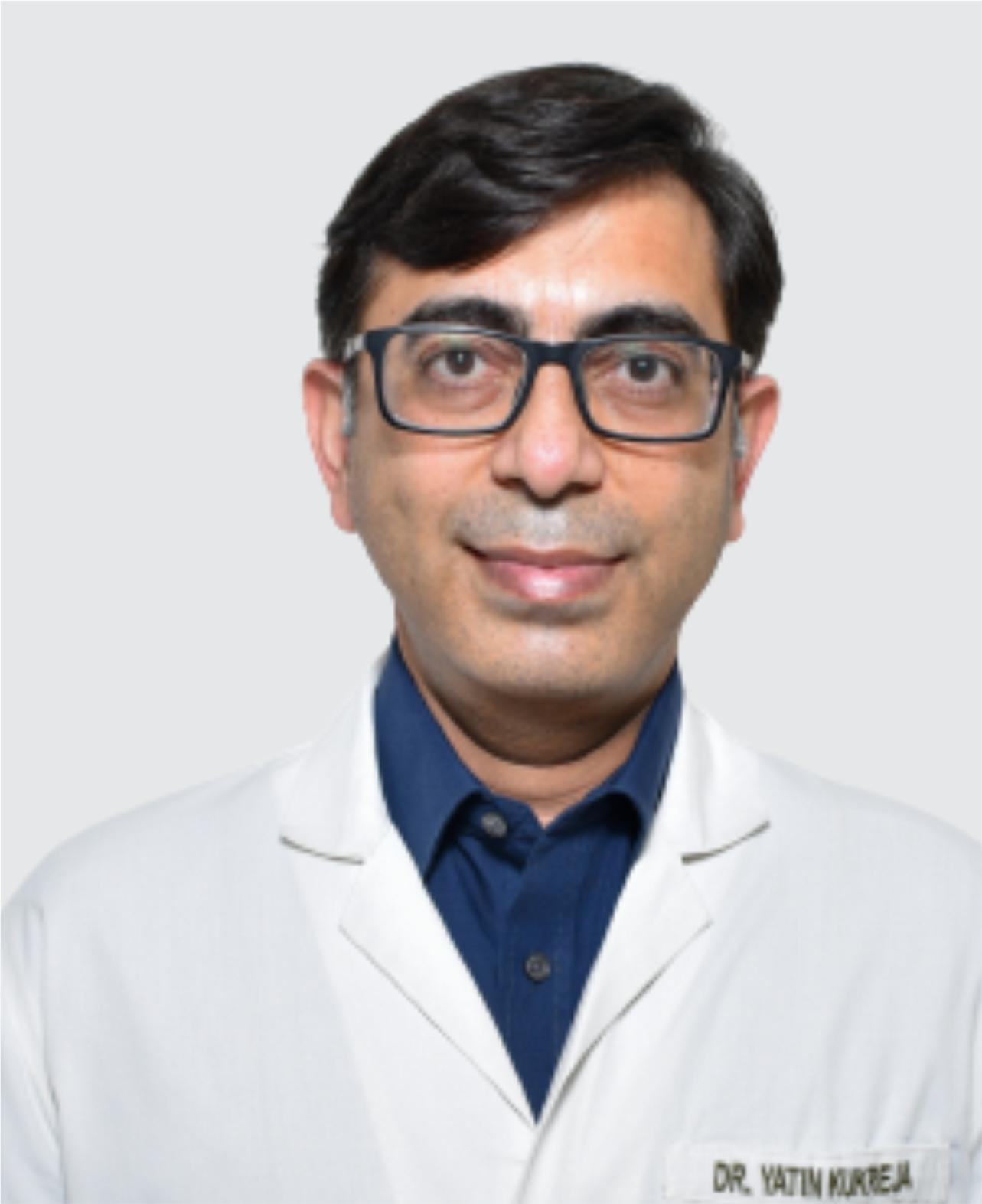
Director
Cardiology
New Delhi
14+ Years
Experience
Artemis Hospital
Hospital
1500
Fees
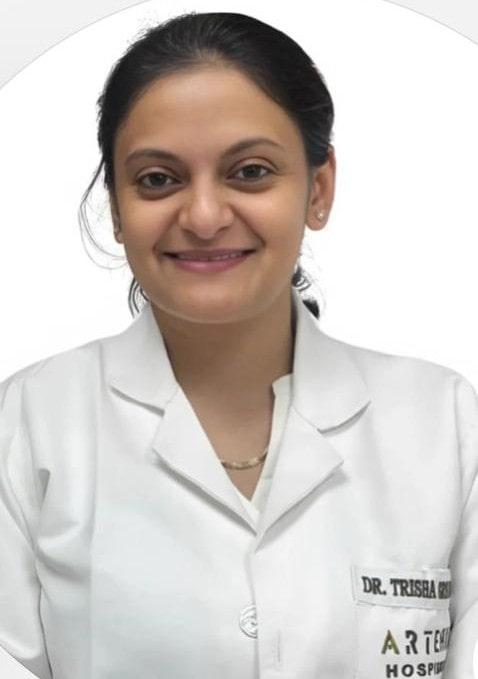
Consultant
Obstetrics & Gynaecology
New Delhi
8+ Years
Experience
Artemis Hospital
Hospital
1500
Fees
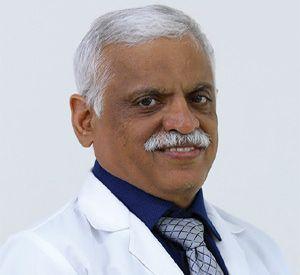
Director - Cardiology
Cardiology
New Delhi
17+ Years
Experience
Apolo Delhi
Hospital
1500
Fees

Director & Head
Cardiology
New Delhi
20+ Years
Experience
Apolo Delhi
Hospital
1500
Fees
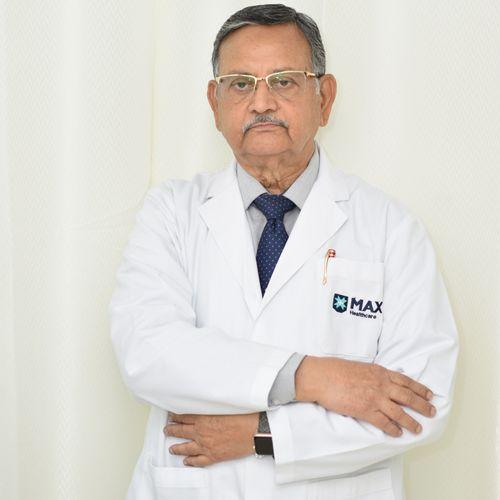
Director
Cardiology
New Delhi
21+ Years
Experience
Apolo Delhi
Hospital
1500
Fees
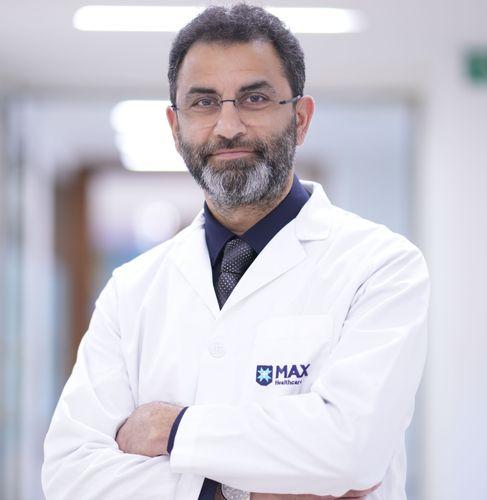
Director
Cardiology
New Delhi
24+ Years
Experience
Apolo Delhi
Hospital
1500
Fees
Director & HOD - Obs. & Gynae
Obstetrics & Gynaecology
New Delhi
23+ Years
Experience
Apolo Delhi
Hospital
1500
Fees
Director
Cardiology
New Delhi
20+ Years
Experience
Apolo Delhi
Hospital
1500
Fees
Director - Cardiology
Cardiology
New Delhi
23+ Years
Experience
Apolo Delhi
Hospital
1500
Fees
Director
Obstetrics & Gynaecology
New Delhi
20+ Years
Experience
Apolo Delhi
Hospital
1500
Fees

Director
Cardiology
New Delhi
35+ Years
Experience
Apolo Delhi
Hospital
1500
Fees
Director
Obstetrics & Gynaecology
New Delhi
12+ Years
Experience
Apolo Delhi
Hospital
1500
Fees

Director
Obstetrics & Gynaecology
New Delhi
18+ Years
Experience
Apolo Delhi
Hospital
1500
Fees

Director
Obstetrics and Gynaecology
New Delhi
14+ Years
Experience
Apolo Delhi
Hospital
1500
Fees
Director & Head
Cardiology
New Delhi
17+ Years
Experience
Apolo Delhi
Hospital
1500
Fees

Director
Obstetrics & Gynaecology
New Delhi
24+ Years
Experience
Apolo Delhi
Hospital
1500
Fees

Director - Obs & Gynae
Obstetrics & Gynaecology
New Delhi
20+ Years
Experience
Apolo Delhi
Hospital
1500
Fees

Director
Obstetrics & Gynaecology
New Delhi
20+ Years
Experience
Apolo Delhi
Hospital
1500
Fees
Director
Cardiology
New Delhi
23+ Years
Experience
Apolo Delhi
Hospital
1500
Fees
Sr. Consultant
Obstetrics & Gynaecology
New Delhi
20+ Years
Experience
Apolo Delhi
Hospital
1500
Fees
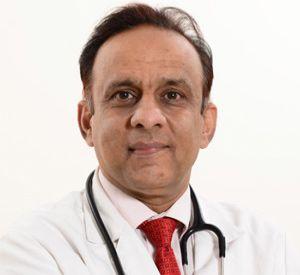
Senior Director & HOD
Cardiology
New Delhi
40+ Years
Experience
Apolo Delhi
Hospital
1500
Fees
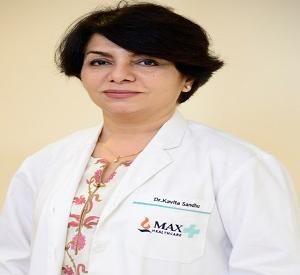
Sr. Consultant
Obstetrics And Gynaecology
New Delhi
15+ Years
Experience
Apolo Delhi
Hospital
1500
Fees
Senior Consultant - Obstetrics and Gynaecology
Obstetrics and Gynaecology
New Delhi
24+ Years
Experience
Apolo Delhi
Hospital
1500
Fees
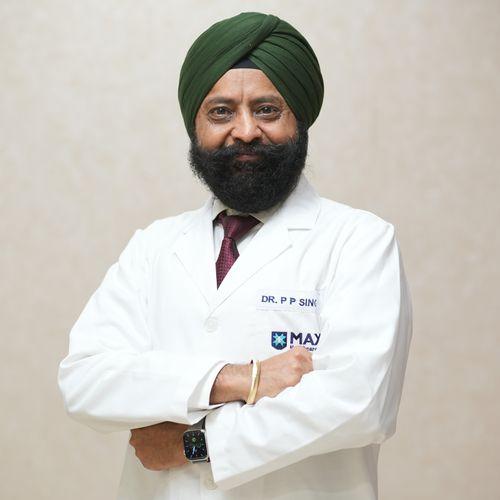
Vice Chairman - Cardiology
Cardiology
New Delhi
44+ Years
Experience
Apolo Delhi
Hospital
1500
Fees

Associate Director - CTVS (Cardiothoracic and Vascular Surgery)
Cardiothoracic and Vascular Surgery
New Delhi
26+ Years
Experience
Apolo Delhi
Hospital
1500
Fees
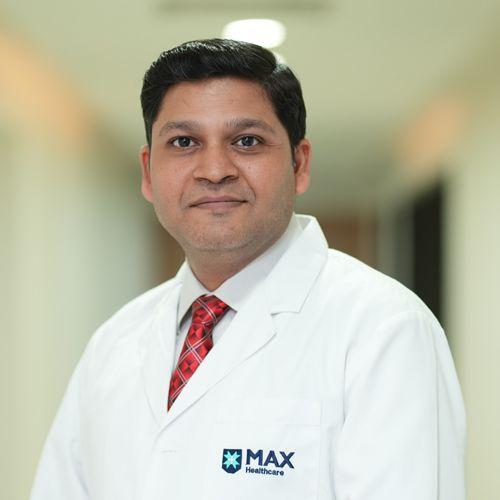
Director - Obstetrics & Gynaecology
Obstetrics & Gynaecology
New Delhi
18+ Years
Experience
Apolo Delhi
Hospital
1500
Fees
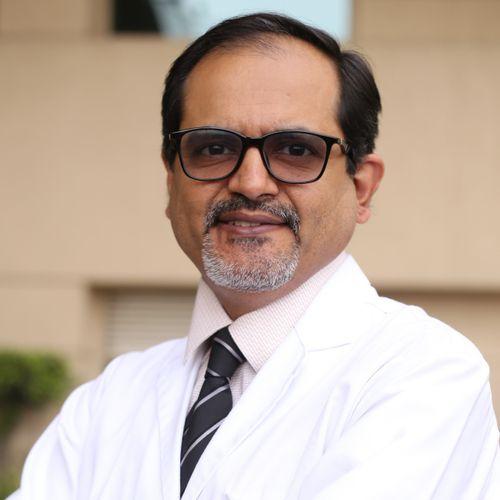
Consultant, Cardiology
Cardiology
New Delhi
12+ Years
Experience
Apolo Delhi
Hospital
1500
Fees

Senior Consultant
Obstetrics & Gynaecology
New Delhi
22+ Years
Experience
Apolo Delhi
Hospital
1500
Fees
Director & HOD
Cardiology
New Delhi
24+ Years
Experience
Apolo Delhi
Hospital
1500
Fees
Director, Interventional Cardiology
Interventional Cardiology
New Delhi
35+ Years
Experience
Apolo Delhi
Hospital
1500
Fees
Senior Consultant - Obstetrics & Gynaecology
Obstetrics & Gynaecology
New Delhi
23+ Years
Experience
Apolo Delhi
Hospital
1500
Fees
Senior Consultant
Obstetrics and Gynaecology
New Delhi
24+ Years
Experience
Apolo Delhi
Hospital
1500
Fees
Director
Obstetrics & Gynaecology
New Delhi
20+ Years
Experience
Apolo Delhi
Hospital
1500
Fees
Director
Cardiology
New Delhi
24+ Years
Experience
Apolo Delhi
Hospital
1500
Fees
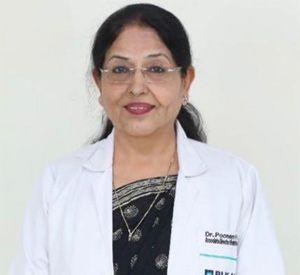
Director
Obstetrics & Gynaecology
New Delhi
22+ Years
Experience
Apolo Delhi
Hospital
1500
Fees
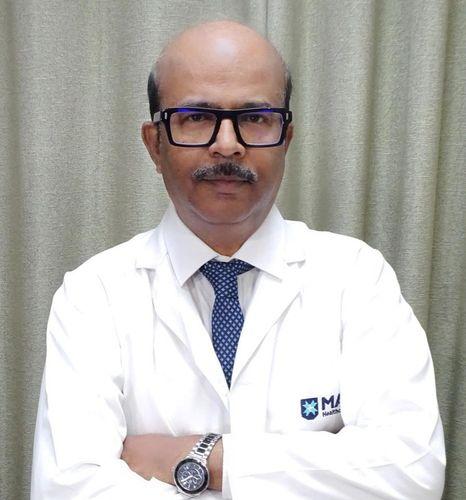
Director
Cardiology
New Delhi
17+ Years
Experience
Apolo Delhi
Hospital
1500
Fees
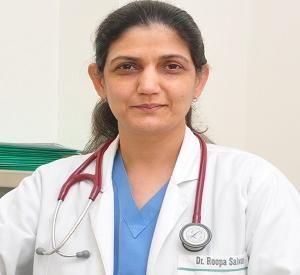
Senior Consultant
Obstetrics and Gynaecology
New Delhi
15+ Years
Experience
Apolo Delhi
Hospital
1500
Fees
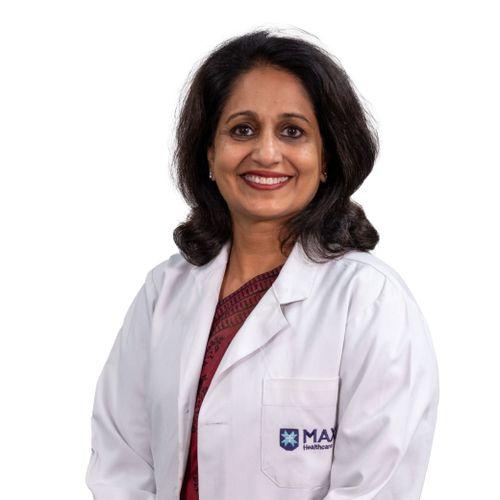
Director
Obstetrics & Gynaecology
New Delhi
18+ Years
Experience
Apolo Delhi
Hospital
1500
Fees
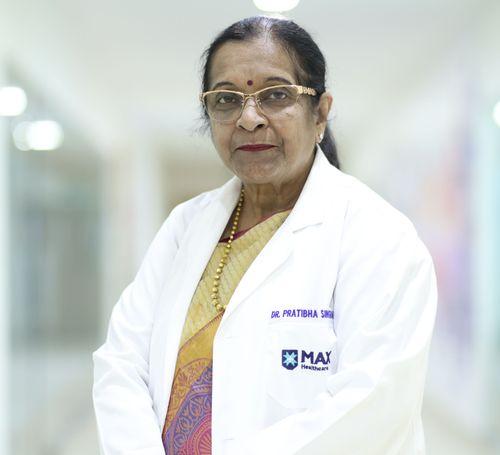
Director & Chief of Service - Obstetrics & Gynaecology
Obstetrics & Gynaecology
New Delhi
24+ Years
Experience
Apolo Delhi
Hospital
1500
Fees
Director
Obstetrics & Gynaecology
New Delhi
18+ Years
Experience
Apolo Delhi
Hospital
1500
Fees

Director & Head - Cardiac Electrophysiology and Pacing
Cardiac Electrophysiology
New Delhi
18+ Years
Experience
Apolo Delhi
Hospital
1500
Fees
Director & Head - Cardiac Sciences
Cardiology
New Delhi
23+ Years
Experience
Apolo Delhi
Hospital
1500
Fees
احصل على خيارات علاجية شخصية من أفضل مستشفيات الهند. خبراؤنا الطبيون جاهزون لمساعدتك في كل خطوة.