
Cardiac Ablation for Arrhythmias Treatment in Mumbai for UAE
بحاجة لنصيحة شخصية؟
خبراؤنا الطبيون جاهزون للإجابة عن أسئلتك وإرشادك خلال خيارات العلاج.
خبراؤنا الطبيون جاهزون للإجابة عن أسئلتك وإرشادك خلال خيارات العلاج.
Are you a UAE resident exploring advanced cardiac ablation for arrhythmias? Navigating heart rhythm concerns can be unsettling, and finding high-quality treatment abroad at a cost-effective price is a significant consideration for many international patients.
Numerous individuals from the UAE frequently consider India for medical treatment. They seek dependable healthcare solutions that combine cutting-edge technology with compassionate patient care, consistently finding their medical needs well addressed here.
Mumbai stands out as a highly trusted destination for cardiac care. Its modern hospitals and renowned heart specialists offer effective, evidence-based treatment. Patients experience excellent clinical results and a supportive journey to recovery.
Ready to take a step towards improved heart health?
Cardiac ablation is a medical procedure designed to correct irregular heartbeats, known as arrhythmias. It involves precisely targeting and creating small scars on specific heart tissue using energy, such as radiofrequency or cryoablation. These scars block the faulty electrical signals causing the arrhythmia, helping to restore a normal and steady heart rhythm. This treatment offers a long-term solution for patients unresponsive to medication.
The procedure for cardiac ablation is carefully planned and executed, with specifics varying slightly based on the type of arrhythmia and individual patient requirements.
After cardiac ablation, patients typically stay in the hospital overnight for observation. Rest is important, with limited physical activity for a few days to allow the catheter insertion site to heal properly. Mild discomfort or bruising is normal. Regular follow-up appointments with your cardiologist are crucial to monitor your heart rhythm and track recovery progress. Most individuals can resume light daily activities within a week, avoiding heavy lifting for a short period.
Considering Cardiac Ablation in Mumbai? Connect with top specialists and hospitals.
Get a Free Medical Opinion and Cost Estimate Today!
Success rates for cardiac ablation are generally high, often ranging from 70% to over 90%, depending on the specific type and complexity of the arrhythmia. Individual factors like age, overall health, and the duration of the condition can influence the outcome. Many patients experience significant symptom relief and a greatly improved quality of life, though some might require additional procedures or ongoing medication to maintain a stable heart rhythm.
The overall cost for Cardiac Ablation in Mumbai is influenced by several factors. These include the chosen hospital facility, the experience of the treating electrophysiologist, the complexity of the arrhythmia, the specific ablation technique used, and the total duration of the hospital stay, including any pre- or post-procedure care.
In Mumbai, the cost for Cardiac Ablation for Arrhythmias typically ranges from INR 3,50,000 to INR 8,00,000.
| City | Approximate Cost Range (INR) |
|---|---|
| Mumbai | 3,50,000 - 8,00,000 |
| Delhi | 3,00,000 - 7,50,000 |
| Chennai | 3,20,000 - 7,80,000 |
| Bengaluru | 3,30,000 - 7,90,000 |
| Hyderabad | 3,10,000 - 7,60,000 |
| Country | Approximate Cost Range (USD) |
|---|---|
| India | 4,000 - 9,500 |
| UAE | 20,000 - 45,000 |
| USA | 30,000 - 70,000 |
| UK | 25,000 - 55,000 |
| Singapore | 22,000 - 48,000 |
Connect with Mumbai's leading cardiac specialists today and begin your journey to a stable heart rhythm and improved well-being.
Ready to reclaim your heart health? Get a personalized treatment plan in Mumbai.
Enquire Now for Expert Medical Guidance!
India offers premium medical procedures at affordable prices. Discover our most popular treatments, delivered by the country's finest doctors.
Meet our team of highly qualified and experienced medical professionals dedicated to providing the best healthcare services.
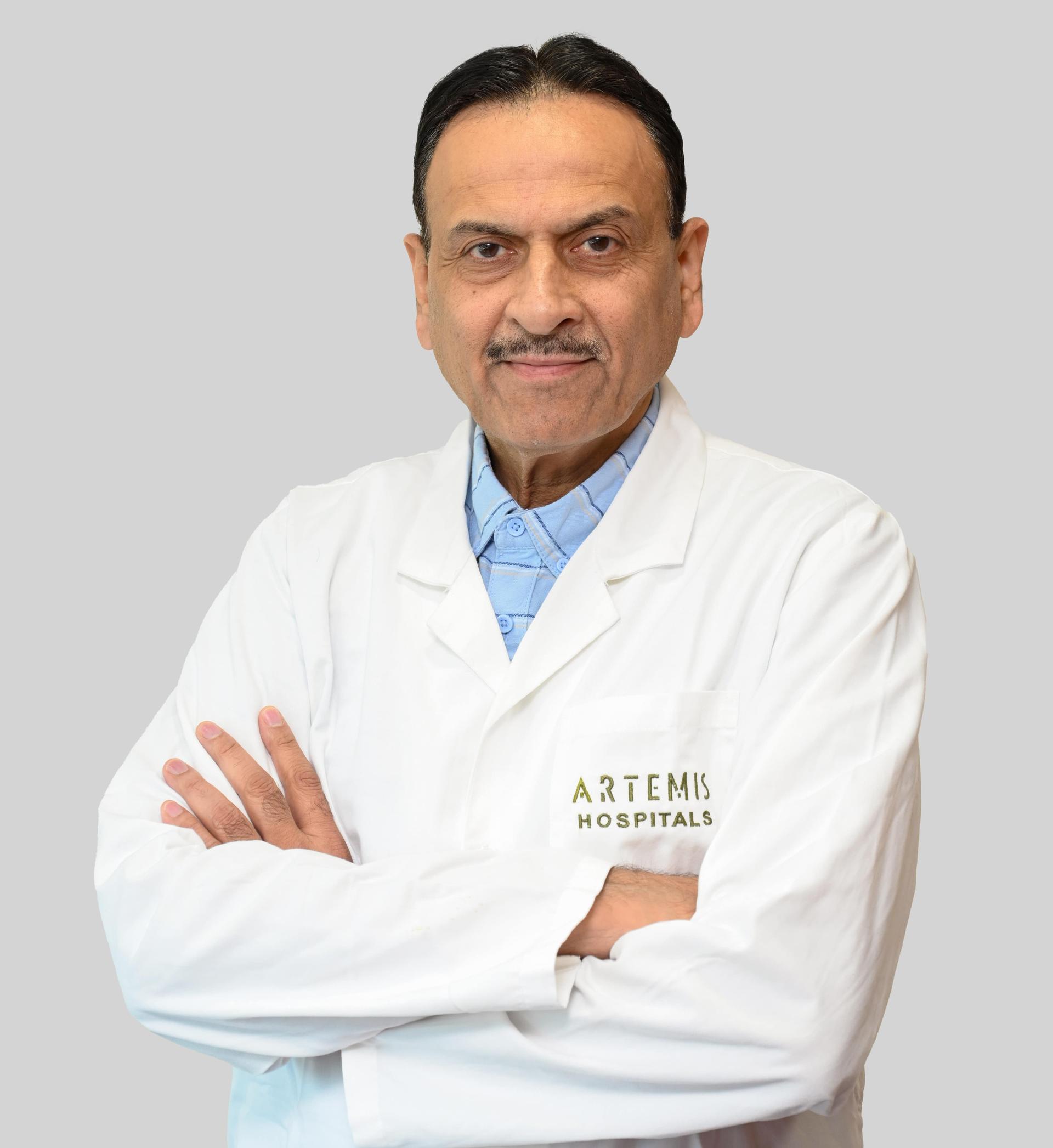
Chief Cardiology (Unit IV)
Cardiology
New Delhi
30+ Years
Experience
Artemis Hospital
Hospital
1500
Fees
Director & Head of Department
Cardiology
New Delhi
14+ Years
Experience
Artemis Hospital
Hospital
1500
Fees

Head Unit I
Orthopaedic Surgery, Orthopaedics
New Delhi
15+ Years
Experience
Artemis Hospital
Hospital
1500
Fees

Sr. Consultant
Internal Medicine
New Delhi
12+ Years
Experience
Artemis Hospital
Hospital
1500
Fees

Chief and Unit Head - Orthopaedics (Unit III)
Orthopaedic Surgery, Orthopaedics, Robotic Surgery
New Delhi
20+ Years
Experience
Artemis Hospital
Hospital
1500
Fees
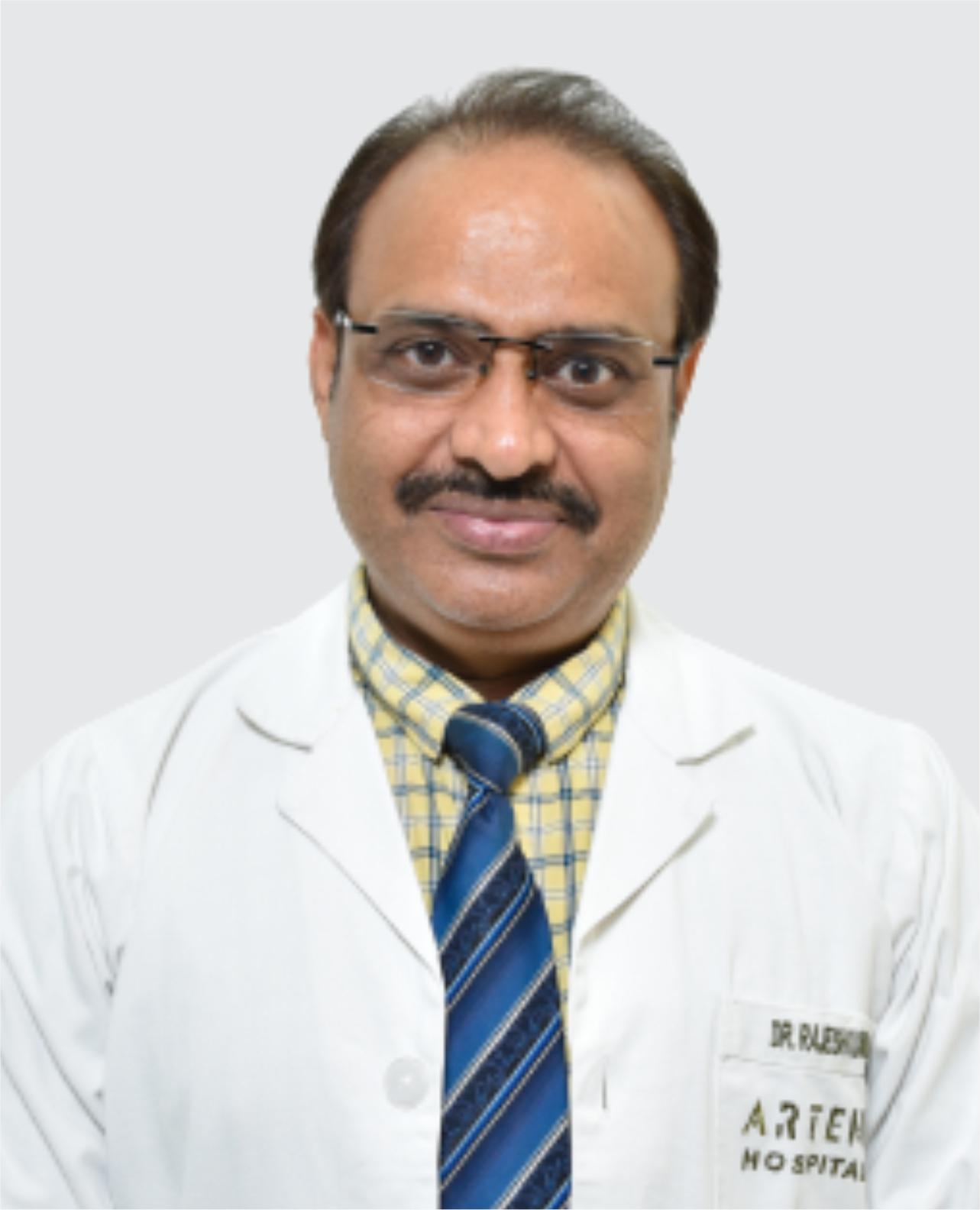
Director - Cardiology
Cardiology
New Delhi
15+ Years
Experience
Artemis Hospital
Hospital
1500
Fees
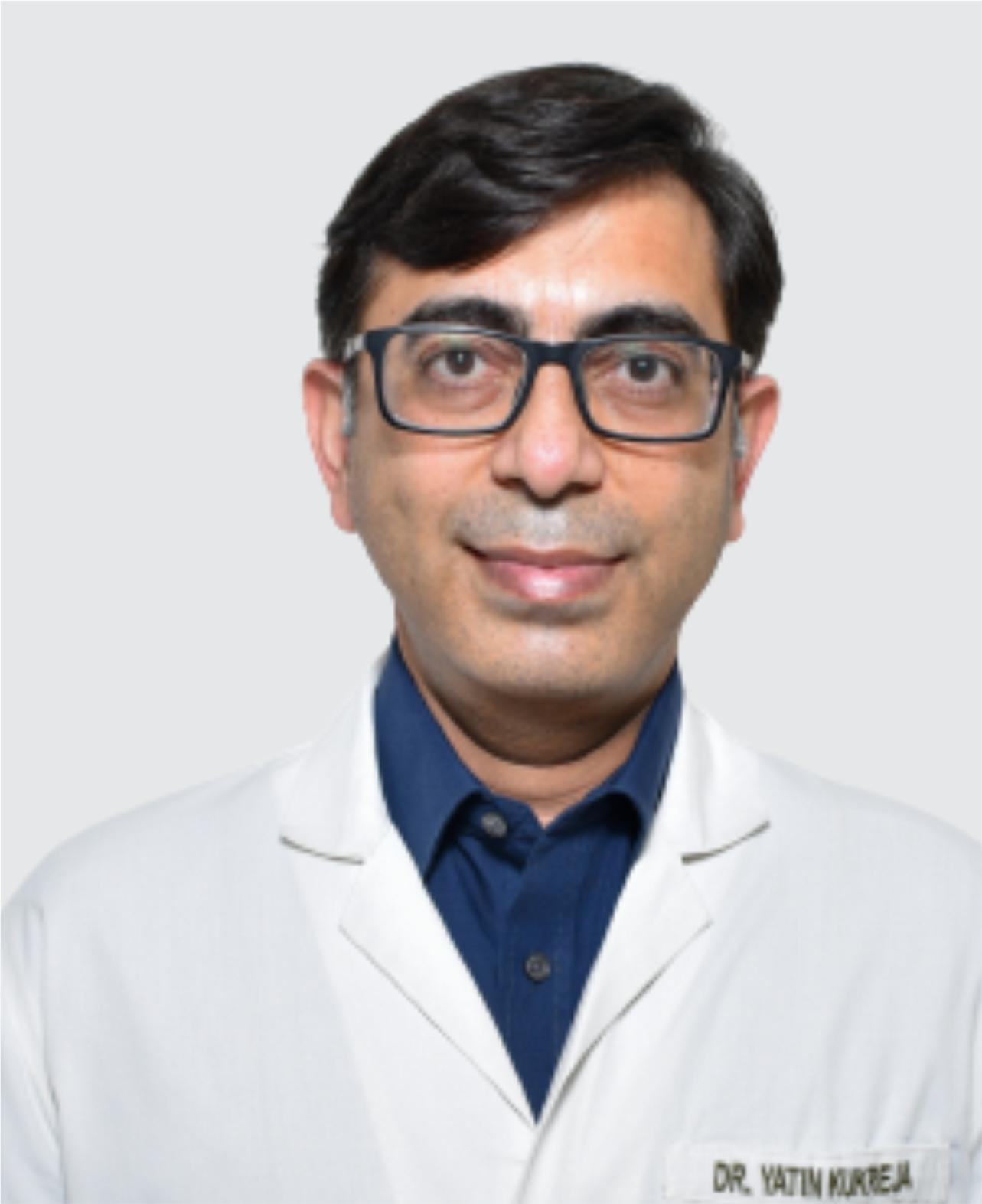
Director
Cardiology
New Delhi
14+ Years
Experience
Artemis Hospital
Hospital
1500
Fees
Director - Cardiology
Cardiology
New Delhi
17+ Years
Experience
Apolo Delhi
Hospital
1500
Fees

Director & Head
Cardiology
New Delhi
20+ Years
Experience
Apolo Delhi
Hospital
1500
Fees
Director
Cardiology
New Delhi
21+ Years
Experience
Apolo Delhi
Hospital
1500
Fees
Director
Cardiology
New Delhi
24+ Years
Experience
Apolo Delhi
Hospital
1500
Fees
Director
Cardiology
New Delhi
20+ Years
Experience
Apolo Delhi
Hospital
1500
Fees
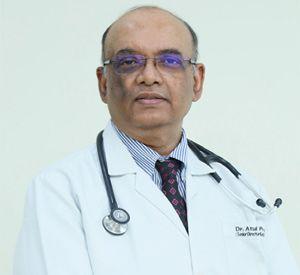
Director - Cardiology
Cardiology
New Delhi
23+ Years
Experience
Apolo Delhi
Hospital
1500
Fees

Director
Cardiology
New Delhi
35+ Years
Experience
Apolo Delhi
Hospital
1500
Fees
Director & Head
Cardiology
New Delhi
17+ Years
Experience
Apolo Delhi
Hospital
1500
Fees
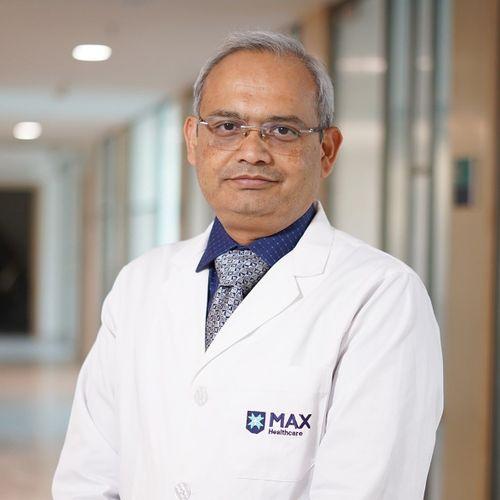
Director
Cardiology
New Delhi
23+ Years
Experience
Apolo Delhi
Hospital
1500
Fees
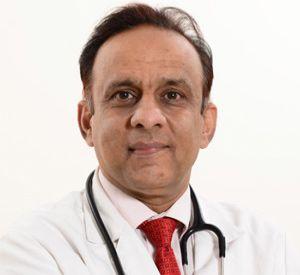
Senior Director & HOD
Cardiology
New Delhi
40+ Years
Experience
Apolo Delhi
Hospital
1500
Fees
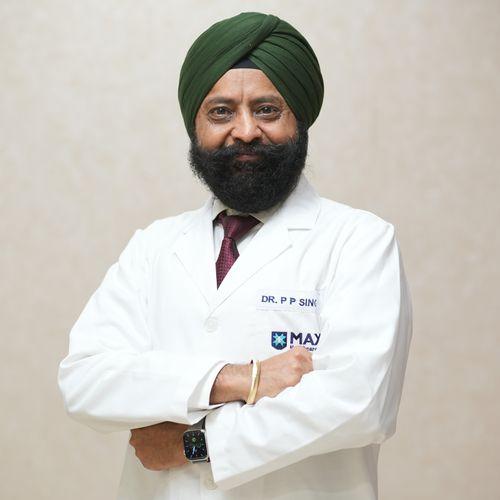
Vice Chairman - Cardiology
Cardiology
New Delhi
44+ Years
Experience
Apolo Delhi
Hospital
1500
Fees

Associate Director - CTVS (Cardiothoracic and Vascular Surgery)
Cardiothoracic and Vascular Surgery
New Delhi
26+ Years
Experience
Apolo Delhi
Hospital
1500
Fees
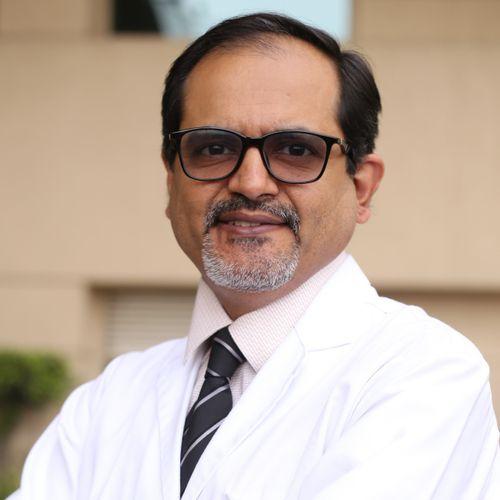
Consultant, Cardiology
Cardiology
New Delhi
12+ Years
Experience
Apolo Delhi
Hospital
1500
Fees
Director & HOD
Cardiology
New Delhi
24+ Years
Experience
Apolo Delhi
Hospital
1500
Fees
Director, Interventional Cardiology
Interventional Cardiology
New Delhi
35+ Years
Experience
Apolo Delhi
Hospital
1500
Fees
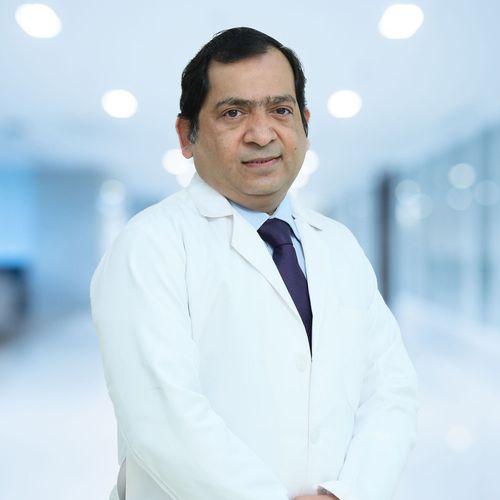
Director
Cardiology
New Delhi
24+ Years
Experience
Apolo Delhi
Hospital
1500
Fees
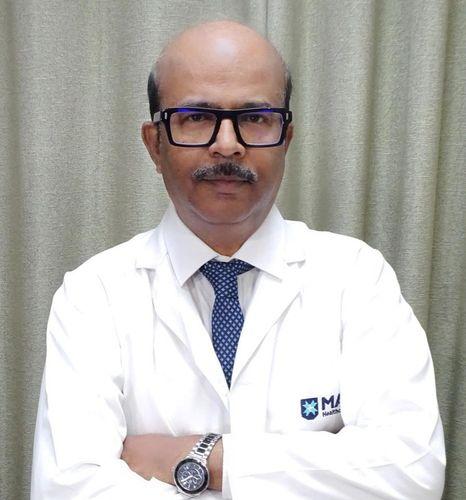
Director
Cardiology
New Delhi
17+ Years
Experience
Apolo Delhi
Hospital
1500
Fees

Director & Head - Cardiac Electrophysiology and Pacing
Cardiac Electrophysiology
New Delhi
18+ Years
Experience
Apolo Delhi
Hospital
1500
Fees
Director & Head - Cardiac Sciences
Cardiology
New Delhi
23+ Years
Experience
Apolo Delhi
Hospital
1500
Fees
احصل على خيارات علاجية شخصية من أفضل مستشفيات الهند. خبراؤنا الطبيون جاهزون لمساعدتك في كل خطوة.