
Deep Brain Stimulation (DBS) Treatment in Bengaluru for Iraq
بحاجة لنصيحة شخصية؟
خبراؤنا الطبيون جاهزون للإجابة عن أسئلتك وإرشادك خلال خيارات العلاج.
خبراؤنا الطبيون جاهزون للإجابة عن أسئلتك وإرشادك خلال خيارات العلاج.
Patients from Iraq often seek advanced neurological care for complex conditions like Parkinson's disease or essential tremor. The decision to pursue Deep Brain Stimulation (DBS) can bring questions about treatment quality, accessibility, and expertise far from home.
Many individuals facing these challenges turn to medical hubs like Bengaluru. This city is renowned for its specialized neurological centers and integrated care environments. It offers a structured approach to managing your treatment journey from initial consultation.
Bengaluru's medical landscape features highly skilled neurosurgeons and state-of-the-art facilities dedicated to complex procedures like DBS. This focus on advanced technology and expert teams provides a reliable setting for international patients, ensuring ease of follow-ups and comprehensive care.
Can Bengaluru provide the ideal solution for your Deep Brain Stimulation needs?
Deep Brain Stimulation (DBS) is a neurosurgical procedure used to treat several neurological conditions. It involves implanting electrodes within specific brain areas. These electrodes are connected to a small, battery-operated device called a neurostimulator, which is typically placed under the skin in the chest. This device sends continuous electrical pulses to the brain, helping to block abnormal nerve signals that cause symptoms. DBS does not damage brain tissue but rather modulates brain activity, offering a reversible form of treatment.
DBS is a highly customized treatment. While the core principle remains similar, approaches can vary based on the patient's condition and specific needs:
The Deep Brain Stimulation procedure is meticulously planned and executed, with steps varying slightly based on the patient’s condition and the specific surgical plan.
The process generally involves these key stages:
Advanced imaging, such as high-resolution MRI and CT scans, is used to create a detailed map of the patient's brain. This allows the neurosurgeon to precisely identify the target areas for electrode placement and plan the surgical trajectory.
During the surgery, a small opening is made in the skull. Microelectrode recording (MER) is often used to ensure the electrodes are placed in the exact desired location within the brain. Once the optimal position is confirmed, the permanent DBS leads (electrodes) are carefully implanted.
In a separate, typically less invasive procedure, the neurostimulator (also known as the implantable pulse generator or IPG) is placed under the skin, usually below the collarbone. The implanted brain electrodes are then connected to this device via extension wires tunneled under the skin.
After a short recovery period, the neurostimulator is activated and programmed by a neurologist or specialized nurse. This involves adjusting the electrical pulse settings to optimize symptom control and minimize side effects. This programming process is often iterative, requiring several follow-up sessions.
Connect with our expert team to understand how Deep Brain Stimulation can transform your health. We provide personalized consultations and transparent information.
Recovery after Deep Brain Stimulation typically involves an initial hospital stay of a few days to monitor for any immediate complications and manage post-surgical discomfort. Patients will receive instructions for wound care and activity restrictions, such as avoiding heavy lifting for a few weeks. The crucial phase involves device programming sessions, which begin a few weeks after the surgery to allow for initial healing. These adjustments gradually optimize symptom control. Physical and occupational therapy often play a significant role in recovery, helping patients adapt to their improved motor control and regain independence. Regular follow-up appointments with the neurology team are essential to monitor progress and make further programming adjustments.
Deep Brain Stimulation has shown significant success in improving motor symptoms for many patients. For Parkinson's disease, it can substantially reduce tremors, rigidity, slowness of movement, and dyskinesia, often leading to a significant reduction in medication dosage. Patients with essential tremor experience considerable tremor suppression, and those with dystonia often see a marked decrease in involuntary muscle contractions. Success rates vary depending on the specific condition, patient selection, and the expertise of the medical team. Long-term outcomes generally show sustained benefits, though the degree of improvement can differ individually. Careful patient evaluation and realistic expectations are key to a successful outcome.
The cost of Deep Brain Stimulation (DBS) in Bengaluru is influenced by several factors. These include the choice of hospital (private vs. corporate), the experience and reputation of the neurosurgeon, the specific type of DBS system used (e.g., standard vs. adaptive, unilateral vs. bilateral), and the duration of hospital stay and post-operative care. Diagnostic tests, pre-surgical evaluations, and any required rehabilitation are also part of the overall expenditure.
In Bengaluru, DBS treatment typically ranges from approximately USD 18,000 to USD 30,000. This range generally includes the surgeon's fees, anesthesia, hospital charges, and the cost of the implanted device.
Bengaluru stands out as a highly cost-effective destination for Deep Brain Stimulation when compared to Western countries, without compromising on medical quality or advanced technology. This makes it an attractive option for international patients seeking high-standard care at a more accessible price point.
| Location | Estimated Cost Range (USD) |
|---|---|
| Bengaluru, India | $18,000 - $30,000 |
| United States | $80,000 - $120,000+ |
| United Kingdom | $50,000 - $75,000 |
| Germany | $38,000 - $60,000 |
| Thailand | $30,000 - $45,000 |
Our team is here to guide you through every step towards regaining your quality of life with advanced Deep Brain Stimulation in Bengaluru.
Contact us today for a detailed consultation and to receive a personalized treatment plan from leading neurological specialists in Bengaluru.
India offers premium medical procedures at affordable prices. Discover our most popular treatments, delivered by the country's finest doctors.
Meet our team of highly qualified and experienced medical professionals dedicated to providing the best healthcare services.

Chairperson - Neurosurgery & CNS Radiosurgery & Co-Chief - Cyberknife Centre, Artemis Hospitals, Gurgaon
Neurosurgeon
Haryana
32+ Years
Experience
Artemis Hospital
Hospital
1500
Fees
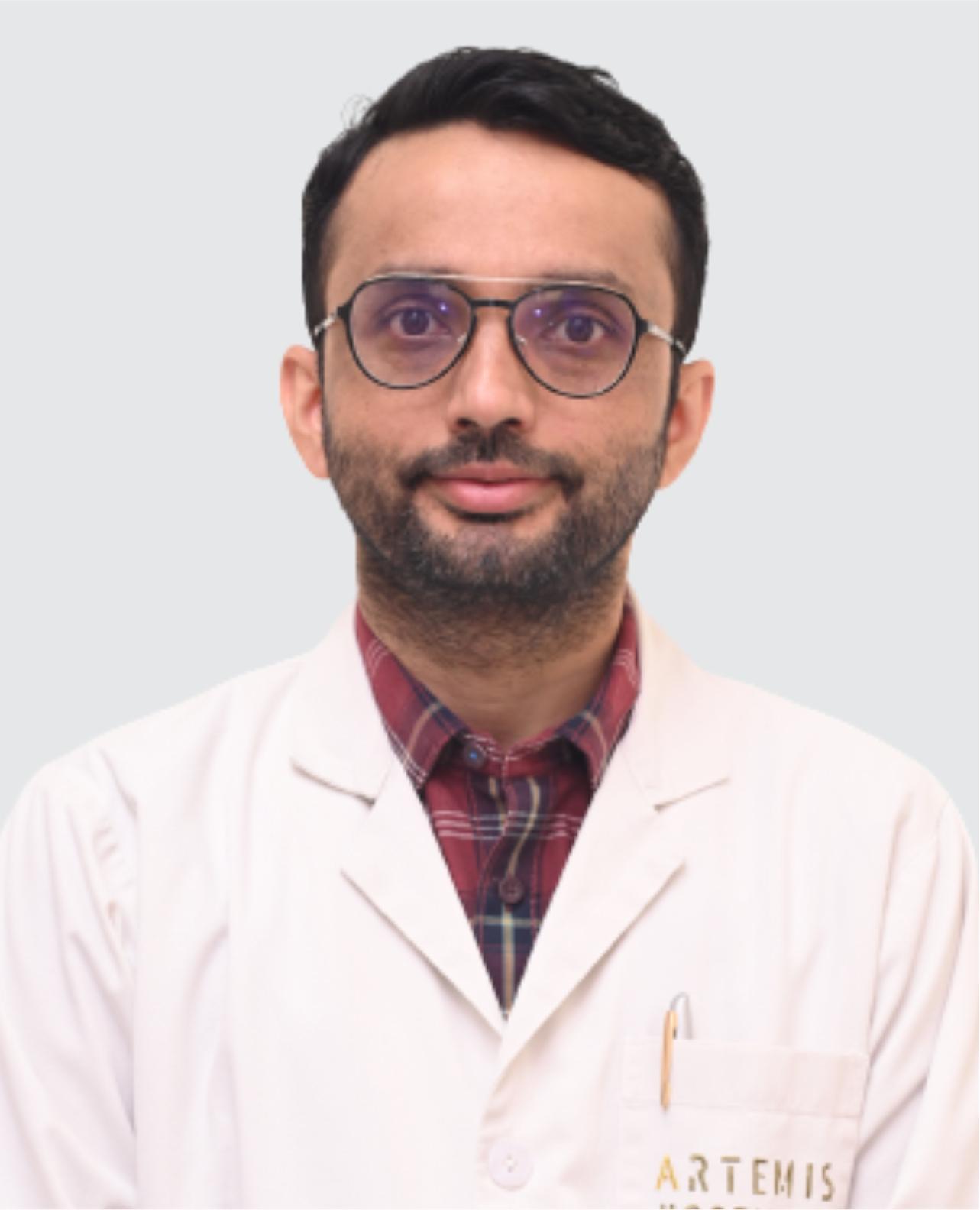
Sr. Consultant-Neurology & Epilepsy
Neurology & Epilepsy
New Delhi
15+ Years
Experience
Artemis Hospital
Hospital
1500
Fees
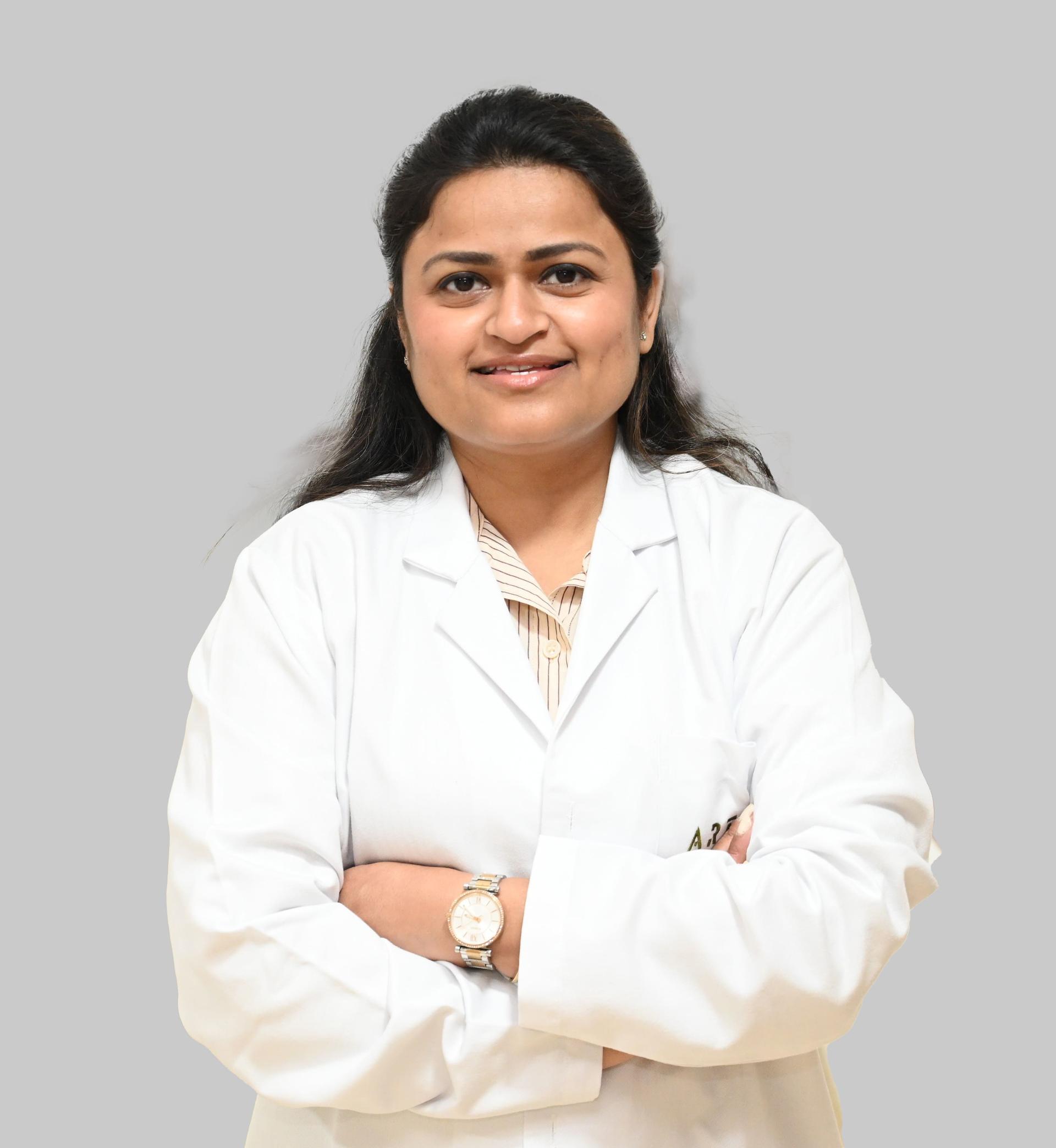
Consultant - Physiotherapy and Rehabilitation Centre
Physiotherapy and Rehabilitation Centre
New Delhi
10+ Years
Experience
Artemis Hospital
Hospital
1500
Fees

Consultant - Neurology & Movement Disorders
Neurology
New Delhi
15+ Years
Experience
Artemis Hospital
Hospital
1500
Fees
Senior Medical Oncologist
Medical Oncology, Haemato-medical Oncology
New Delhi
15+ Years
Experience
Max Hospital,Gurgaon
Hospital
1500
Fees
Principal Director - Pulmonology
Pulmonology
New Delhi
40+ Years
Experience
Max Hospital,Gurgaon
Hospital
1500
Fees
Senior Consultant, Neurology
Neurology
New Delhi
12+ Years
Experience
Apolo Delhi
Hospital
1500
Fees
Director & HOD
Neurosurgery
New Delhi
30+ Years
Experience
Apolo Delhi
Hospital
1500
Fees
Senior Consultant
Neurosurgery
New Delhi
25+ Years
Experience
Apolo Delhi
Hospital
1500
Fees
Senior Consultant - Neurology
Neurology
New Delhi
12+ Years
Experience
Apolo Delhi
Hospital
1500
Fees
Director
Neurology
New Delhi
30+ Years
Experience
Apolo Delhi
Hospital
1500
Fees
Director - Neuro Sciences
Neurology
New Delhi
18+ Years
Experience
Apolo Delhi
Hospital
1500
Fees
Director
Neurosciences
New Delhi
14+ Years
Experience
Apolo Delhi
Hospital
1500
Fees
Director
Neuroscience
New Delhi
17+ Years
Experience
Apolo Delhi
Hospital
1500
Fees
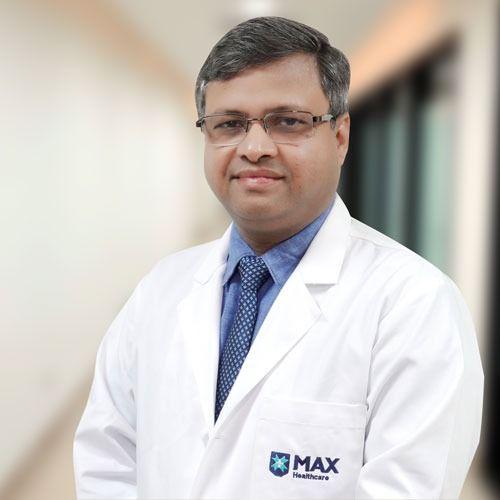
Director
Neurology
New Delhi
20+ Years
Experience
Apolo Delhi
Hospital
1500
Fees
احصل على خيارات علاجية شخصية من أفضل مستشفيات الهند. خبراؤنا الطبيون جاهزون لمساعدتك في كل خطوة.