
Deep Brain Stimulation (DBS) Treatment in Gurugram for Ethiopia
بحاجة لنصيحة شخصية؟
خبراؤنا الطبيون جاهزون للإجابة عن أسئلتك وإرشادك خلال خيارات العلاج.
خبراؤنا الطبيون جاهزون للإجابة عن أسئلتك وإرشادك خلال خيارات العلاج.
For many patients in Ethiopia living with movement disorders, the thought of finding effective, long-term relief can feel overwhelming. The complexities of Deep Brain Stimulation, its availability, and the prospect of travel for such a specialized procedure often bring understandable worries about quality of care and support abroad.
Patients increasingly look to Gurugram, India, as a leading destination for advanced medical interventions like DBS. This city has emerged as a hub for neurosurgery, offering sophisticated facilities and a well-coordinated care environment, making it a compelling choice for those seeking solutions outside their home country.
Gurugram’s hospitals are equipped with cutting-edge technology and staffed by highly experienced neurosurgeons and neurologists who specialize in DBS. The city’s medical infrastructure is designed to support international patients, ensuring seamless consultation, treatment, and follow-up care within the same trusted network.
Could Gurugram offer the right path for your Deep Brain Stimulation journey?
Deep Brain Stimulation (DBS) is a neurosurgical procedure used to treat several neurological conditions, primarily movement disorders. It involves implanting electrodes into specific areas of the brain, which are then connected to a small, battery-operated medical device called a neurostimulator. This device is typically placed under the skin in the chest and delivers continuous electrical impulses to targeted brain regions. These impulses help to regulate abnormal brain activity, thereby reducing debilitating symptoms like tremors, rigidity, slowness of movement, and involuntary muscle contractions.
While DBS is a specific surgical technique, its application varies depending on the underlying neurological condition it aims to manage. The primary conditions for which DBS is considered include:
The choice of target area in the brain for electrode placement is crucial and depends on the specific condition and the patient's unique symptoms.
The Deep Brain Stimulation procedure involves precise surgical implantation and careful post-operative programming, tailored to each patient's condition and needs.
Before surgery, detailed MRI and CT scans are performed. These images are used to create a 3D map of the patient's brain, allowing the surgical team to precisely identify the target areas for electrode implantation, such as the subthalamic nucleus (STN) or globus pallidus internus (GPi).
During the surgery, typically performed under local anesthesia with the patient awake, a small opening is made in the skull. Fine wire electrodes are then carefully guided into the predetermined brain targets. Real-time brain mapping and patient feedback (e.g., observing tremor reduction) help ensure optimal placement. Once the electrodes are in position, they are secured, and the patient may then be sedated for the next stage.
In a second stage, often performed under general anesthesia, a neurostimulator device (IPG, or implantable pulse generator) is implanted under the skin, usually below the collarbone in the chest. Extension wires are tunneled under the skin from the electrodes in the brain down to connect with the neurostimulator.
After a period of healing, the neurostimulator is activated and programmed by a neurologist using a wireless programmer. This crucial step involves carefully adjusting the electrical impulses (frequency, pulse width, amplitude) to maximize symptom control while minimizing side effects. Multiple programming sessions may be required over several weeks or months to optimize the settings for each individual patient.
Ready to explore DBS options in Gurugram? Speak with our patient coordination team for personalized guidance.
Recovery from Deep Brain Stimulation involves several phases, beginning with immediate post-surgical healing and extending into long-term management. Patients typically stay in the hospital for a few days following the electrode implantation for observation and initial recovery. Incision sites need careful monitoring and cleaning. Activities are usually restricted for a few weeks to allow wounds to heal and prevent dislodgement of the implanted components. The most significant part of recovery involves the post-operative programming sessions, where the device settings are fine-tuned to achieve optimal symptom control. This period can span several weeks to months, requiring regular follow-up appointments with the neurologist. Physical therapy, occupational therapy, and speech therapy may also be recommended to help patients adapt to their improved motor control and regain maximum function. Long-term follow-up is essential to monitor device function, battery life, and make any necessary programming adjustments.
Deep Brain Stimulation has a high success rate for carefully selected patients with appropriate neurological conditions. For Parkinson's disease, it can significantly reduce motor symptoms like tremor, rigidity, and dyskinesia, often allowing for a reduction in medication. Patients with essential tremor frequently experience substantial tremor reduction. Success is measured by the degree of symptom improvement and enhanced quality of life. Outcomes vary based on the specific condition, individual patient factors, and the precision of electrode placement and programming. While DBS does not cure these conditions, it offers significant symptomatic relief and can greatly improve daily functioning and independence for many years. Realistic expectations and consistent follow-up care are key to achieving the best possible results.
The cost of Deep Brain Stimulation in Gurugram can vary significantly based on several factors. These include the reputation and facilities of the hospital, the experience and expertise of the neurosurgical team, the specific type of DBS system used (rechargeable vs. non-rechargeable battery), the duration of hospital stay, and any additional pre- or post-operative care required, such as extensive rehabilitation.
In Gurugram, the estimated cost for Deep Brain Stimulation typically ranges from approximately INR 12,00,000 to INR 20,00,000. This range generally covers the surgical procedure, the DBS device, hospital stay, and initial programming sessions.
Gurugram offers a highly competitive cost advantage for advanced procedures like Deep Brain Stimulation when compared to many Western countries, without compromising on quality or technological advancement.
| Location | Estimated Cost (USD) |
|---|---|
| Gurugram, India | $14,500 – $24,000 |
| United States | $80,000 – $150,000 |
| United Kingdom | $60,000 – $100,000 |
| Germany | $45,000 – $75,000 |
| Singapore | $55,000 – $90,000 |
Considering DBS in Gurugram? Request a detailed cost estimate tailored to your specific medical profile.
We are here to provide clear information and personalized assistance as you explore Deep Brain Stimulation options in Gurugram.
India offers premium medical procedures at affordable prices. Discover our most popular treatments, delivered by the country's finest doctors.
Meet our team of highly qualified and experienced medical professionals dedicated to providing the best healthcare services.

Chairperson - Neurosurgery & CNS Radiosurgery & Co-Chief - Cyberknife Centre, Artemis Hospitals, Gurgaon
Neurosurgeon
Haryana
32+ Years
Experience
Artemis Hospital
Hospital
1500
Fees
Sr. Consultant-Neurology & Epilepsy
Neurology & Epilepsy
New Delhi
15+ Years
Experience
Artemis Hospital
Hospital
1500
Fees
Consultant - Physiotherapy and Rehabilitation Centre
Physiotherapy and Rehabilitation Centre
New Delhi
10+ Years
Experience
Artemis Hospital
Hospital
1500
Fees

Sr. Consultant – Women Imaging
Radiology
New Delhi
15+ Years
Experience
Artemis Hospital
Hospital
1500
Fees
Co-Head Psychological Services
Mental Health and Behavioural Sciences
New Delhi
15+ Years
Experience
Artemis Hospital
Hospital
1500
Fees

Consultant - Neurology & Movement Disorders
Neurology
New Delhi
15+ Years
Experience
Artemis Hospital
Hospital
1500
Fees
Head of Department - Gynae Endocrinology & DNB Program Director - Obs & Gynae
Gynaecological Endocrinology, Maternity, Obstetrics & Gynaecology
New Delhi
35+ Years
Experience
Artemis Hospital
Hospital
1500
Fees

Senior Consultant - ENT
ENT and Head & Neck Surgery
New Delhi
24+ Years
Experience
Artemis Hospital
Hospital
1500
Fees

Consultant (Head & Neck Surgery) - Surgical Oncology
Head and Neck Surgical Oncology
New Delhi
10+ Years
Experience
Artemis Hospital
Hospital
1500
Fees

Chairperson - Gynae Oncology
Gynaecological Oncology
New Delhi
16+ Years
Experience
Artemis Hospital
Hospital
1500
Fees
Unit Head - Reproductive Medicine (Unit II)
IVF, Reproductive Medicine, Obstetrics & Gynecology
New Delhi
20+ Years
Experience
Artemis Hospital
Hospital
1500
Fees
Sr. Consultant - Obs & Gynae
Maternity, Obstetrics & Gynaecology
New Delhi
15+ Years
Experience
Artemis Hospital
Hospital
1500
Fees

Unit Head - Obs & Gynae
Maternity, Obstetrics & Gynaecology
New Delhi
19+ Years
Experience
Artemis Hospital
Hospital
1500
Fees
Director
Obstetrics and Gynaecology
New Delhi
19+ Years
Experience
Artemis Hospital
Hospital
1500
Fees
Head - Radiation Oncology & CyberKnife Centre (Unit II)
Oncology
New Delhi
23+ Years
Experience
Artemis Hospital
Hospital
1500
Fees
Unit Head & Sr. Consultant - Internal Medicine
Internal Medicine
New Delhi
14+ Years
Experience
Artemis Hospital
Hospital
1500
Fees
Sr. Consultant - Gynaecology & Obstetrics
Gynaecology & Obstetrics
New Delhi
15+ Years
Experience
Apolo Delhi
Hospital
1500
Fees
Director
Obstetrics & Gynaecology
New Delhi
15+ Years
Experience
Artemis Hospital
Hospital
1500
Fees
Classified Consultant
Obstetrics & Gynaecology, Maternity, Women's Health
New Delhi
8+ Years
Experience
Artemis Hospital
Hospital
1500
Fees
Consultant
Obstetrics & Gynaecology
New Delhi
8+ Years
Experience
Artemis Hospital
Hospital
1500
Fees
Director, Medical Oncology
Medical Oncology and Haematology
New Delhi
26+ Years
Experience
Max Hospital,Gurgaon
Hospital
1500
Fees
Senior Medical Oncologist
Medical Oncology, Haemato-medical Oncology
New Delhi
15+ Years
Experience
Max Hospital,Gurgaon
Hospital
1500
Fees
Vice Chairman - Nephrology
Nephrology & Renal Transplant Medicine
New Delhi
17+ Years
Experience
Max Hospital,Gurgaon
Hospital
1500
Fees
Principal Director - Max Lab & Blood Bank Services
Laboratory Medicine, Transfusion Medicine, Pathology
New Delhi
32+ Years
Experience
Max Hospital,Gurgaon
Hospital
1500
Fees
Principal Director - Radiation Oncology
Radiation Oncology
New Delhi
23+ Years
Experience
Max Hospital,Gurgaon
Hospital
1500
Fees
Principal Director – Surgical Oncology (Gynae & Robotic Surgery)
Gynecologic Oncology, Robotic & Laparoscopic Surgery, Gynae Cancer Care, Surgical Oncology
New Delhi
39+ Years
Experience
Max Hospital,Gurgaon
Hospital
1500
Fees
Principal Director & HOD
Paediatrics (Ped)
New Delhi
30+ Years
Experience
Max Hospital,Gurgaon
Hospital
1500
Fees
Principal Director (Obstetrics & Gynaecology) & Head of Unit
Obstetrics, Gynaecology, Gynaecologic Laparoscopy, High-Risk Pregnancy, Endoscopy Surgery
New Delhi
44+ Years
Experience
Max Hospital,Gurgaon
Hospital
1500
Fees
Principal Director - Obstetrics & Gynaecology
Obstetrics And Gynaecology, Robotic Surgery, Gynaecologic Laparoscopy
New Delhi
33+ Years
Experience
Max Hospital,Gurgaon
Hospital
1500
Fees
Principal Director - Pulmonology
Pulmonology
New Delhi
40+ Years
Experience
Max Hospital,Gurgaon
Hospital
1500
Fees
Sr. Consultant
Obstetrics & Gynaecology
New Delhi
20+ Years
Experience
Apolo Delhi
Hospital
1500
Fees
Senior Consultant, Neurology
Neurology
New Delhi
12+ Years
Experience
Apolo Delhi
Hospital
1500
Fees
Sr. Consultant
Obstetrics And Gynaecology
New Delhi
15+ Years
Experience
Apolo Delhi
Hospital
1500
Fees
Director & HOD
Neurosurgery
New Delhi
30+ Years
Experience
Apolo Delhi
Hospital
1500
Fees
Senior Consultant
Neurosurgery
New Delhi
25+ Years
Experience
Apolo Delhi
Hospital
1500
Fees
Senior Consultant - Obstetrics and Gynaecology
Obstetrics and Gynaecology
New Delhi
24+ Years
Experience
Apolo Delhi
Hospital
1500
Fees
Senior Consultant - Neurology
Neurology
New Delhi
12+ Years
Experience
Apolo Delhi
Hospital
1500
Fees
Director
Neurology
New Delhi
30+ Years
Experience
Apolo Delhi
Hospital
1500
Fees
Director - Obstetrics & Gynaecology
Obstetrics & Gynaecology
New Delhi
18+ Years
Experience
Apolo Delhi
Hospital
1500
Fees
Senior Consultant
Obstetrics & Gynaecology
New Delhi
22+ Years
Experience
Apolo Delhi
Hospital
1500
Fees
Senior Consultant - Obstetrics & Gynaecology
Obstetrics & Gynaecology
New Delhi
23+ Years
Experience
Apolo Delhi
Hospital
1500
Fees
Senior Consultant
Obstetrics and Gynaecology
New Delhi
24+ Years
Experience
Apolo Delhi
Hospital
1500
Fees
Director
Obstetrics & Gynaecology
New Delhi
20+ Years
Experience
Apolo Delhi
Hospital
1500
Fees
Director - Neuro Sciences
Neurology
New Delhi
18+ Years
Experience
Apolo Delhi
Hospital
1500
Fees
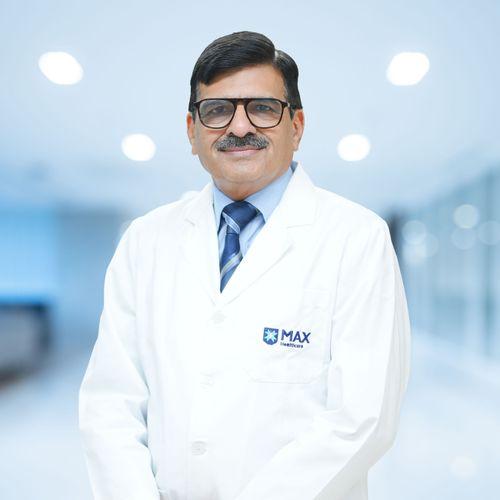
Director
Neurosciences
New Delhi
14+ Years
Experience
Apolo Delhi
Hospital
1500
Fees
Director
Obstetrics & Gynaecology
New Delhi
22+ Years
Experience
Apolo Delhi
Hospital
1500
Fees
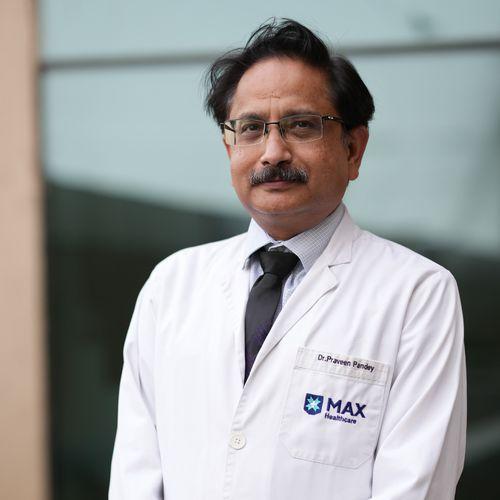
Director
Neuroscience
New Delhi
17+ Years
Experience
Apolo Delhi
Hospital
1500
Fees
Senior Consultant
Obstetrics and Gynaecology
New Delhi
15+ Years
Experience
Apolo Delhi
Hospital
1500
Fees
Director
Neurology
New Delhi
20+ Years
Experience
Apolo Delhi
Hospital
1500
Fees
Director
Obstetrics & Gynaecology
New Delhi
18+ Years
Experience
Apolo Delhi
Hospital
1500
Fees
Director & Chief of Service - Obstetrics & Gynaecology
Obstetrics & Gynaecology
New Delhi
24+ Years
Experience
Apolo Delhi
Hospital
1500
Fees
Director
Obstetrics & Gynaecology
New Delhi
18+ Years
Experience
Apolo Delhi
Hospital
1500
Fees
احصل على خيارات علاجية شخصية من أفضل مستشفيات الهند. خبراؤنا الطبيون جاهزون لمساعدتك في كل خطوة.