
Deep Brain Stimulation (DBS) Treatment in India for Nigeria
بحاجة لنصيحة شخصية؟
خبراؤنا الطبيون جاهزون للإجابة عن أسئلتك وإرشادك خلال خيارات العلاج.
خبراؤنا الطبيون جاهزون للإجابة عن أسئلتك وإرشادك خلال خيارات العلاج.
For many patients in Nigeria living with challenging neurological conditions, finding specialized and accessible treatment options like Deep Brain Stimulation can be a significant concern. The journey to better health often involves navigating complex medical decisions and considering care beyond familiar borders. This is a common worry, and understanding your choices is the first step.
Patients seeking highly advanced medical care often look to countries known for their cutting-edge facilities and expert physicians. India has emerged as a leading destination, offering world-class neurological treatments. Its medical landscape boasts numerous hospitals equipped with the latest technology, providing access to Deep Brain Stimulation across several major cities, making it a viable option for international patients.
India's medical system has a well-established reputation for delivering high-quality, comprehensive care. Across the country, accredited hospitals and highly specialized neurologists and neurosurgeons work together, ensuring patients receive precise diagnoses and tailored treatment plans. This collaborative environment fosters trust and provides a robust support system for international visitors seeking complex procedures.
Is India the right choice for your Deep Brain Stimulation journey?
Deep Brain Stimulation (DBS) is a neurosurgical procedure that involves implanting electrodes into specific areas of the brain. These electrodes produce electrical impulses that regulate abnormal brain activity, helping to alleviate symptoms of certain neurological conditions. The impulses are generated by a small, battery-operated device called a neurostimulator, which is typically placed under the skin in the chest. DBS does not damage brain tissue and is a reversible procedure, offering significant relief for patients whose symptoms are not adequately controlled by medication.
While the core principle of DBS remains consistent, the procedure can be tailored based on the patient's specific condition and symptoms:
The Deep Brain Stimulation procedure is carefully planned and performed in several distinct stages, varying slightly based on individual patient needs and the medical team's approach.
Before the surgery, high-resolution imaging such as MRI or CT scans are used to create a detailed map of the patient's brain. This helps the neurosurgeon precisely identify the target areas where the electrodes will be placed to optimize therapeutic benefit.
During the first surgical phase, the patient's head is stabilized in a special frame. Small openings are made in the skull, and thin wire leads (electrodes) are carefully guided to the predetermined deep brain regions. Often, the patient is awake during part of this procedure, allowing the surgical team to monitor their response and ensure optimal placement for symptom control.
In a separate, minor surgical procedure, typically performed under general anesthesia, the neurostimulator device (often called the "brain pacemaker") is implanted under the skin, usually in the chest below the collarbone. Wires from the brain electrodes are tunneled under the skin and connected to this device.
A few weeks after implantation, once the patient has recovered from surgery, the neurostimulator is activated. A specialist uses an external programmer to adjust the electrical impulses, finding the optimal settings to control symptoms while minimizing side effects. This programming process is often ongoing and may require several adjustments over time.
Recovery from Deep Brain Stimulation surgery typically involves an initial hospital stay of a few days to monitor for complications and manage pain. Patients will need to care for their surgical sites and avoid strenuous activities for several weeks. Once the neurostimulator is activated, there may be an adjustment period as optimal settings are found. Ongoing physical and occupational therapy is often recommended to maximize functional improvements. Regular follow-up appointments with the neurologist are crucial for device management and overall progress.
The success rates for Deep Brain Stimulation are generally very encouraging, particularly for carefully selected patients with Parkinson's disease, essential tremor, and dystonia. Many patients experience significant reduction in their motor symptoms, improved quality of life, and a decrease in medication dependency. However, individual outcomes vary based on the specific condition being treated, the patient's overall health, and the expertise of the medical team. Long-term management and device programming are essential for sustaining the benefits.
The cost of Deep Brain Stimulation in India is influenced by several factors, including the reputation of the hospital, the experience of the neurosurgeon, the type of neurostimulator used, the duration of hospital stay, and any additional medical services required. Patients may also incur costs related to pre-operative assessments, post-operative rehabilitation, and follow-up care.
Generally, the cost for Deep Brain Stimulation in India can range from INR 1,500,000 to INR 3,500,000.
| City | Estimated Cost Range (INR) |
|---|---|
| Mumbai | 1,800,000 – 3,500,000 |
| Delhi | 1,700,000 – 3,400,000 |
| Chennai | 1,600,000 – 3,200,000 |
| Bangalore | 1,750,000 – 3,300,000 |
| Hyderabad | 1,500,000 – 3,000,000 |
| Pune | 1,650,000 – 3,100,000 |
| Ahmedabad | 1,550,000 – 3,050,000 |
| Country | Estimated Cost Range (USD) |
|---|---|
| India | $18,000 – $42,000 |
| Nigeria | $35,000 – $60,000 |
| United States | $80,000 – $150,000 |
| United Kingdom | $50,000 – $85,000 |
| Thailand | $30,000 – $55,000 |
| Germany | $60,000 – $100,000 |
Making an informed decision about Deep Brain Stimulation can transform lives. Connect with us to begin your path to renewed health.
India offers premium medical procedures at affordable prices. Discover our most popular treatments, delivered by the country's finest doctors.
Meet our team of highly qualified and experienced medical professionals dedicated to providing the best healthcare services.

Chairperson - Neurosurgery & CNS Radiosurgery & Co-Chief - Cyberknife Centre, Artemis Hospitals, Gurgaon
Neurosurgeon
Haryana
32+ Years
Experience
Artemis Hospital
Hospital
1500
Fees
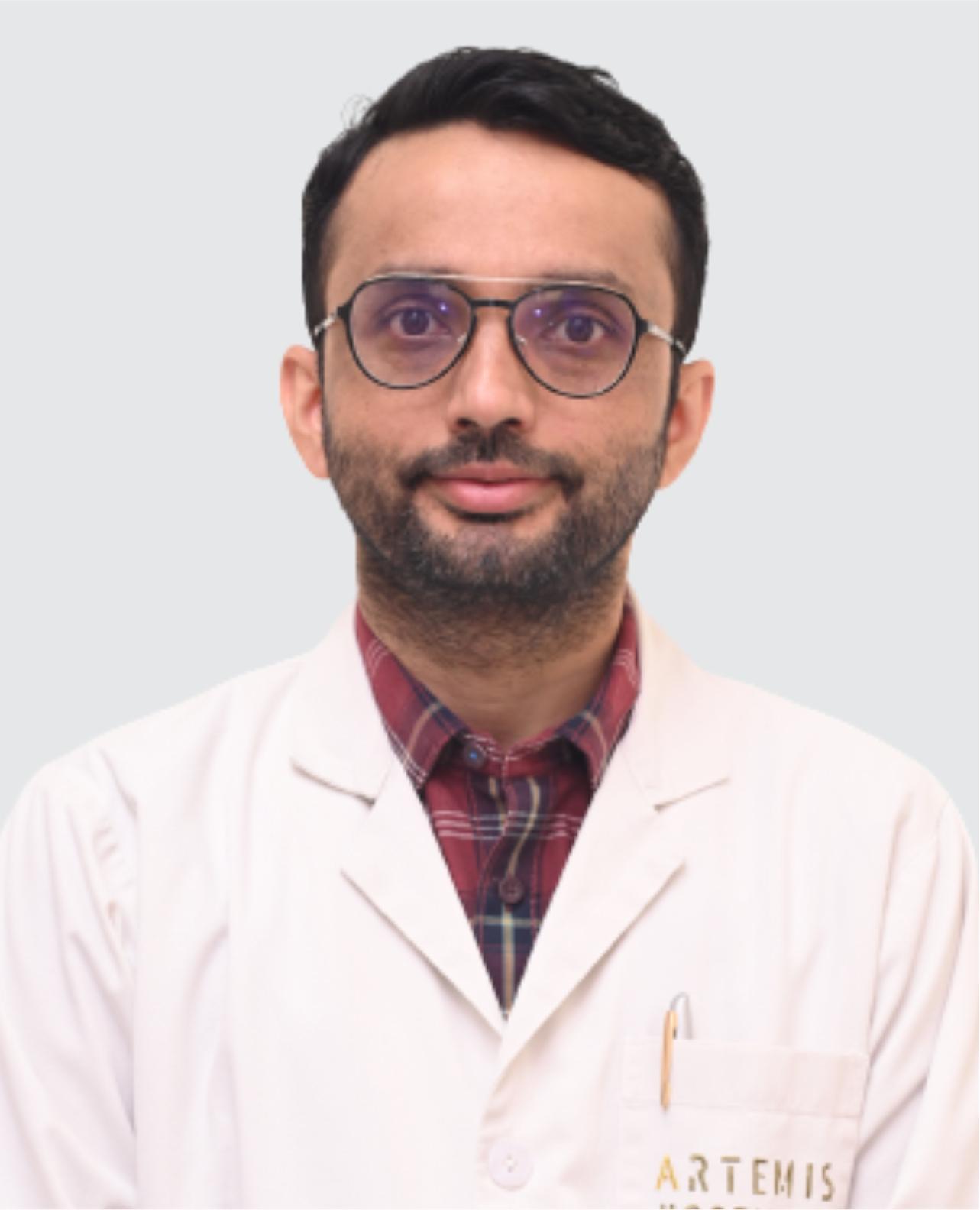
Sr. Consultant-Neurology & Epilepsy
Neurology & Epilepsy
New Delhi
15+ Years
Experience
Artemis Hospital
Hospital
1500
Fees

Consultant
Paediatric Neurology
Haryana
9+ Years
Experience
Artemis Hospital
Hospital
1500
Fees
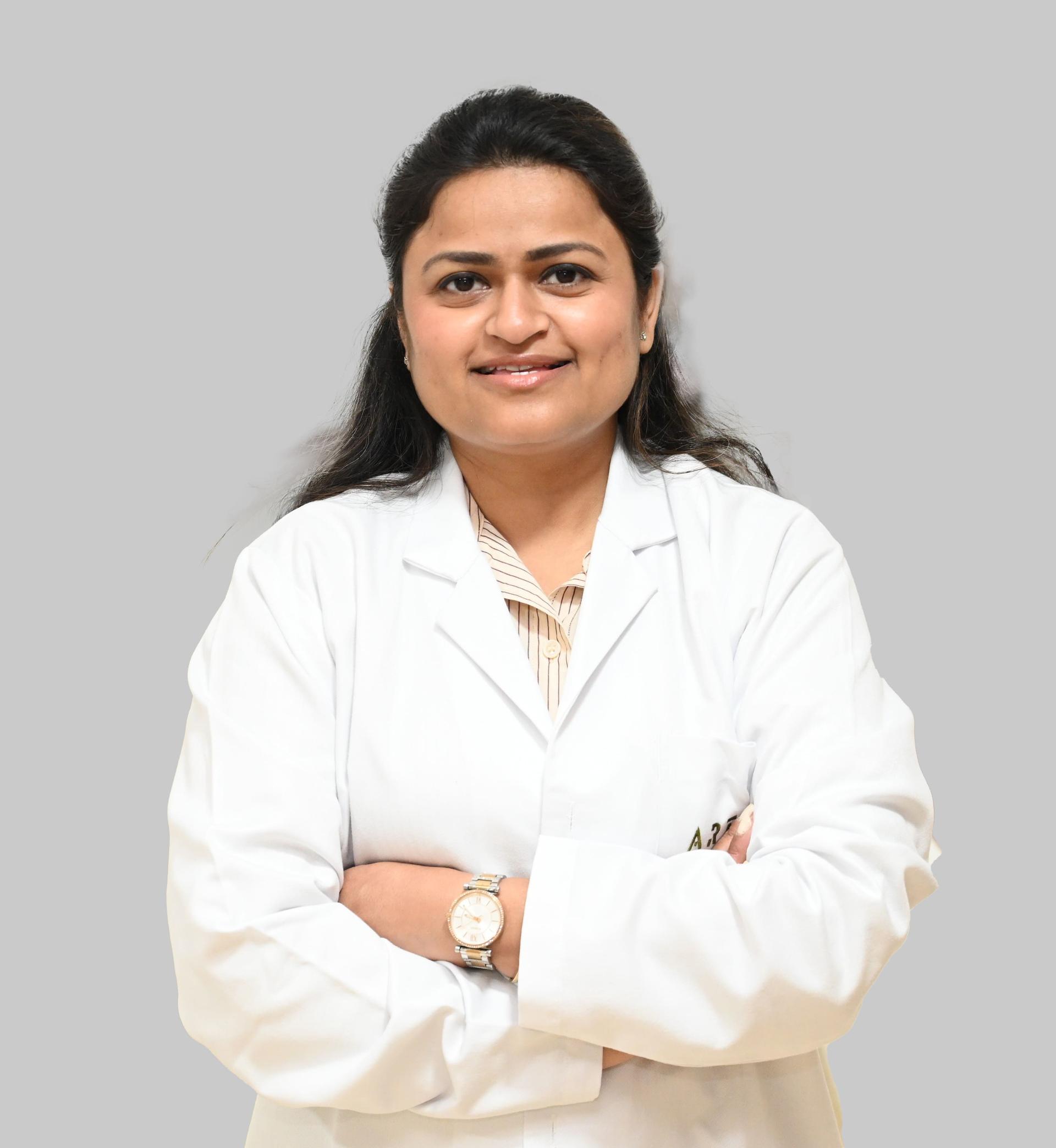
Consultant - Physiotherapy and Rehabilitation Centre
Physiotherapy and Rehabilitation Centre
New Delhi
10+ Years
Experience
Artemis Hospital
Hospital
1500
Fees

Consultant - Neurology & Movement Disorders
Neurology
New Delhi
15+ Years
Experience
Artemis Hospital
Hospital
1500
Fees
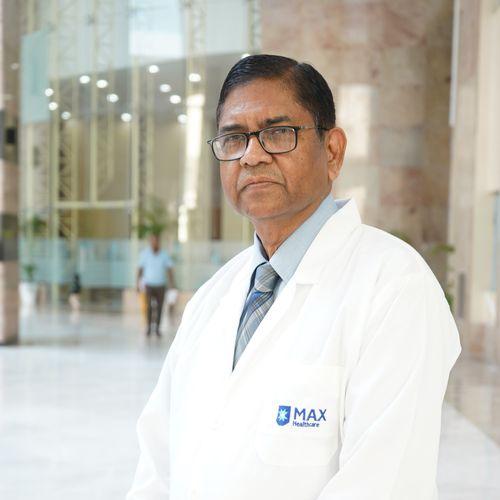
Chairman - Cardiology
Cardiology
New Delhi
41+ Years
Experience
Max Hospital,Gurgaon
Hospital
1500
Fees
Senior Medical Oncologist
Medical Oncology, Haemato-medical Oncology
New Delhi
15+ Years
Experience
Max Hospital,Gurgaon
Hospital
1500
Fees
Principal Director - Pulmonology
Pulmonology
New Delhi
40+ Years
Experience
Max Hospital,Gurgaon
Hospital
1500
Fees
Senior Consultant, Neurology
Neurology
New Delhi
12+ Years
Experience
Apolo Delhi
Hospital
1500
Fees
Director & HOD
Neurosurgery
New Delhi
30+ Years
Experience
Apolo Delhi
Hospital
1500
Fees
Senior Consultant
Neurosurgery
New Delhi
25+ Years
Experience
Apolo Delhi
Hospital
1500
Fees
Senior Consultant - Neurology
Neurology
New Delhi
12+ Years
Experience
Apolo Delhi
Hospital
1500
Fees
Director
Neurology
New Delhi
30+ Years
Experience
Apolo Delhi
Hospital
1500
Fees
Director - Neuro Sciences
Neurology
New Delhi
18+ Years
Experience
Apolo Delhi
Hospital
1500
Fees
Director
Neurosciences
New Delhi
14+ Years
Experience
Apolo Delhi
Hospital
1500
Fees
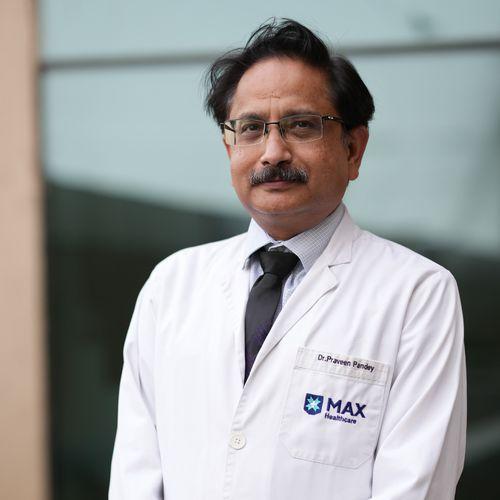
Director
Neuroscience
New Delhi
17+ Years
Experience
Apolo Delhi
Hospital
1500
Fees
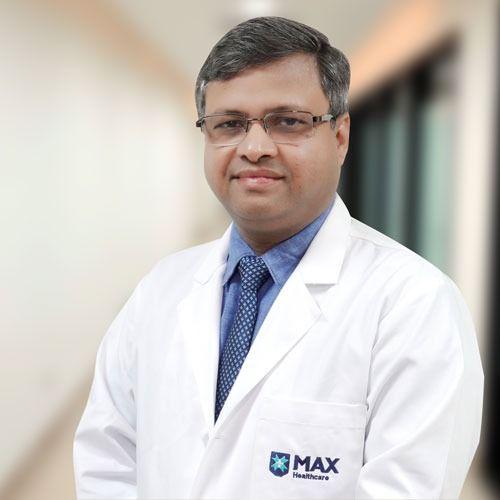
Director
Neurology
New Delhi
20+ Years
Experience
Apolo Delhi
Hospital
1500
Fees
احصل على خيارات علاجية شخصية من أفضل مستشفيات الهند. خبراؤنا الطبيون جاهزون لمساعدتك في كل خطوة.