
بحاجة لنصيحة شخصية؟
خبراؤنا الطبيون جاهزون للإجابة عن أسئلتك وإرشادك خلال خيارات العلاج.
خبراؤنا الطبيون جاهزون للإجابة عن أسئلتك وإرشادك خلال خيارات العلاج.
For patients from Bangladesh living with debilitating neurological conditions, finding advanced treatment like Deep Brain Stimulation can be a significant concern. The journey to relief often involves seeking specialized care beyond local borders, raising questions about quality, accessibility, and overall patient experience.
Many individuals exploring medical options internationally consider New Delhi as a primary destination. This city has cultivated a reputation for its sophisticated medical infrastructure, making it a focal point for those requiring complex neurosurgical procedures and comprehensive, coordinated care.
New Delhi’s medical landscape is distinguished by its network of accredited hospitals and a concentration of highly skilled neuro specialists. Patients benefit from an environment where integrated treatment approaches are common, ensuring seamless access to follow-up care and necessary medical support within the city.
New Delhi offers a well-established and reliable environment for advanced Deep Brain Stimulation treatment.
Deep Brain Stimulation (DBS) is a neurosurgical procedure that involves implanting electrodes into specific areas of the brain. These electrodes produce electrical impulses that regulate abnormal brain activity, helping to alleviate symptoms of certain neurological disorders. It acts like a pacemaker for the brain, sending continuous, controlled electrical signals to improve motor function and reduce tremors, rigidity, and dyskinesia, especially when medications are no longer fully effective or cause significant side effects.
Deep Brain Stimulation is primarily a surgical intervention, but its effectiveness relies on several interconnected components:
The Deep Brain Stimulation procedure is typically performed in two stages, tailored to the patient's condition and the specific treatment plan developed by the medical team.
During the first stage, the patient undergoes precise placement of thin electrodes (leads) into the designated areas of the brain. This is often performed while the patient is awake, allowing for real-time feedback to ensure optimal electrode positioning. Advanced imaging and microelectrode recordings guide the neurosurgeon throughout this critical part of the procedure. The leads are then tunneled under the skin to the scalp.
A few days later, or sometimes in a separate procedure, the Internal Pulse Generator (IPG) is implanted. This small device, containing a battery and microprocessors, is placed under the skin, usually below the collarbone. The brain leads are then connected to the IPG. After the surgical sites heal, typically a few weeks later, the IPG is activated and meticulously programmed by a neurologist using a wireless external device to deliver optimal electrical stimulation for symptom control.
Recovery from Deep Brain Stimulation surgery involves a period of healing and gradual adjustment. Patients usually stay in the hospital for a few days following each surgical stage. Initial recovery focuses on wound care and monitoring. Once the IPG is activated, there will be multiple programming sessions over several weeks or months to fine tune the stimulation settings, which is crucial for maximizing therapeutic benefits and minimizing side effects. Physical and occupational therapy often play a vital role, helping patients adapt to their improved motor control and enhancing their overall quality of life. Regular follow-up appointments are essential for ongoing device adjustments and medical management.
Deep Brain Stimulation has shown significant success in managing symptoms for carefully selected patients. Success rates vary depending on the condition being treated; for Parkinson's disease and essential tremor, many patients experience a substantial reduction in motor symptoms, allowing for decreased medication use and improved quality of life. Outcomes are influenced by patient selection, surgical precision, and diligent post-operative programming. While DBS does not cure these conditions, it offers effective long-term symptom management and significantly enhances daily functioning for many.
The cost of Deep Brain Stimulation in New Delhi is influenced by several factors. These include the choice of hospital (private or corporate hospitals generally have higher costs), the experience and fees of the neurosurgeon, the specific type and brand of the DBS device used, the duration of hospital stay, and any additional pre or post-operative care required.
For international patients, the approximate cost of Deep Brain Stimulation in New Delhi typically ranges from INR 1,500,000 to INR 2,500,000 (approximately USD 18,000 to USD 30,000). This range often includes the surgical procedure, hospital stay, and initial device programming.
New Delhi offers a cost-effective option for Deep Brain Stimulation without compromising on quality or advanced medical technology, especially when compared to western countries.
| Location | Approximate Cost (USD) |
|---|---|
| New Delhi, India | $18,000 - $30,000 |
| United States | $80,000 - $120,000 |
| United Kingdom | $60,000 - $90,000 |
| Singapore | $45,000 - $70,000 |
| Thailand | $30,000 - $50,000 |
Ready to explore your Deep Brain Stimulation options in New Delhi? Contact us today for a personalized consultation and treatment plan.
Considering Deep Brain Stimulation in New Delhi? Reach out to our patient care team for detailed information and support tailored for you.
We are here to guide you through every step of your Deep Brain Stimulation treatment in New Delhi, ensuring a smooth and supportive experience from initial inquiry to post-recovery care.
India offers premium medical procedures at affordable prices. Discover our most popular treatments, delivered by the country's finest doctors.
Meet our team of highly qualified and experienced medical professionals dedicated to providing the best healthcare services.

Chairperson - Neurosurgery & CNS Radiosurgery & Co-Chief - Cyberknife Centre, Artemis Hospitals, Gurgaon
Neurosurgeon
Haryana
32+ Years
Experience
Artemis Hospital
Hospital
1500
Fees
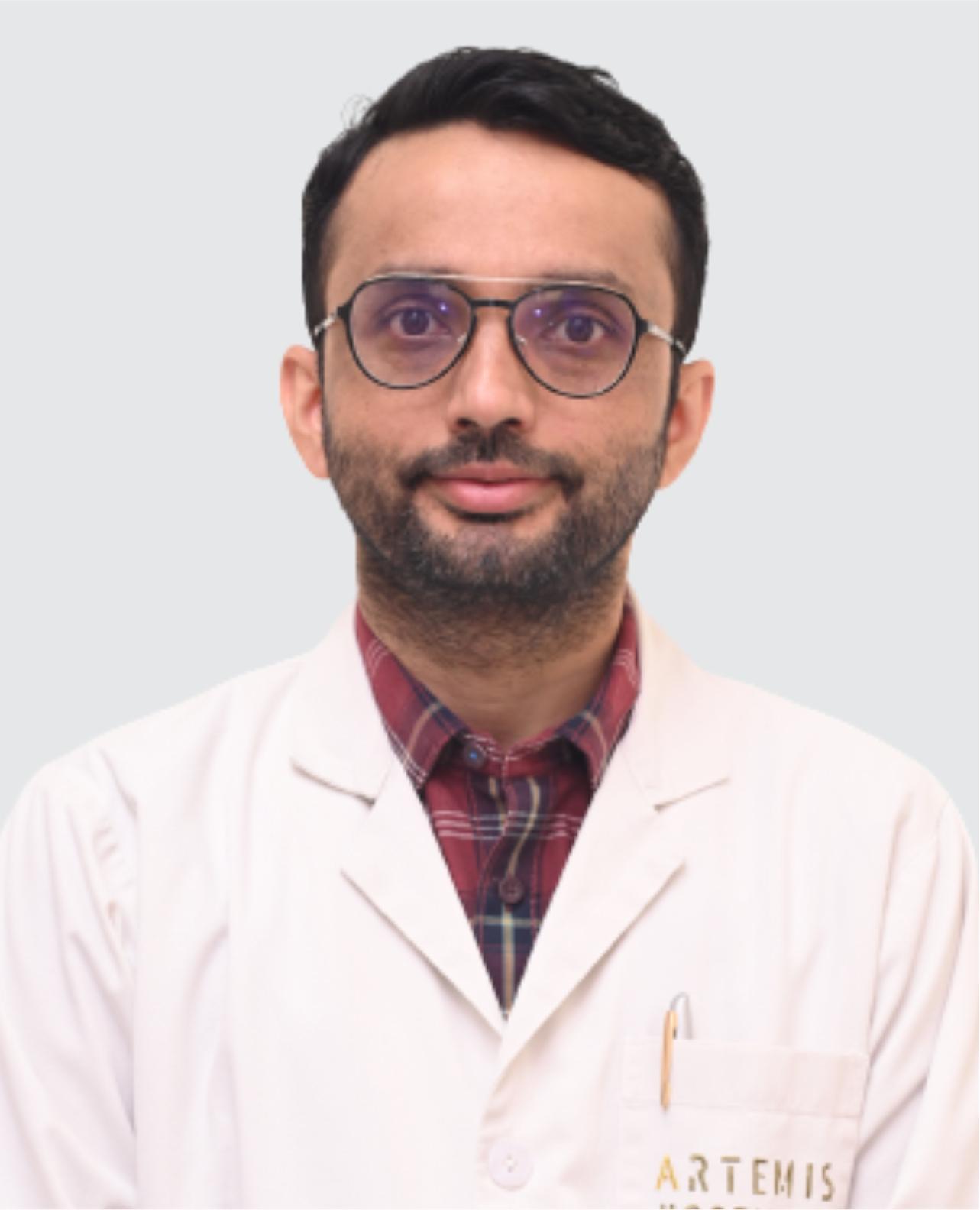
Sr. Consultant-Neurology & Epilepsy
Neurology & Epilepsy
New Delhi
15+ Years
Experience
Artemis Hospital
Hospital
1500
Fees
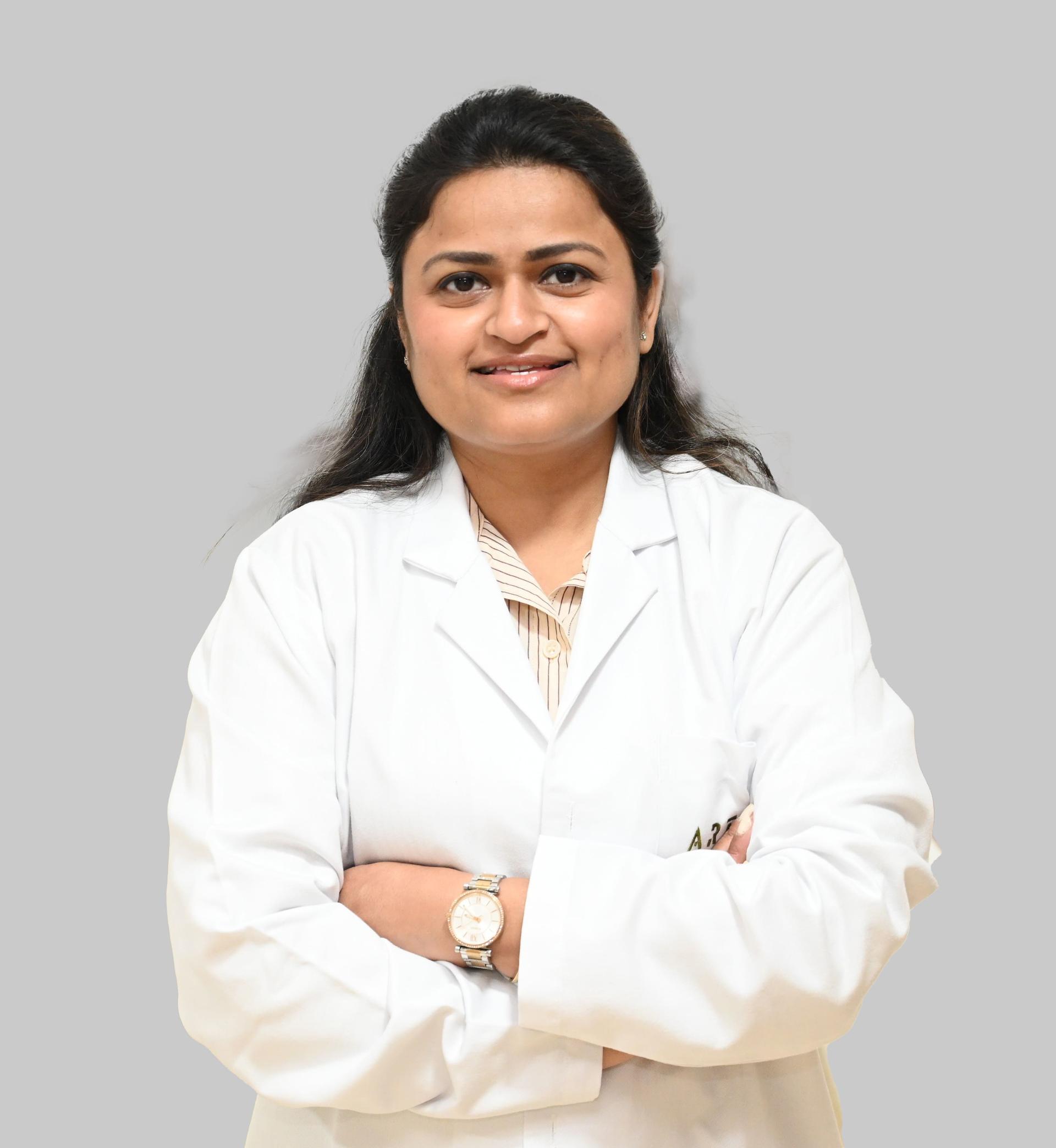
Consultant - Physiotherapy and Rehabilitation Centre
Physiotherapy and Rehabilitation Centre
New Delhi
10+ Years
Experience
Artemis Hospital
Hospital
1500
Fees

Consultant - Neurology & Movement Disorders
Neurology
New Delhi
15+ Years
Experience
Artemis Hospital
Hospital
1500
Fees
Senior Medical Oncologist
Medical Oncology, Haemato-medical Oncology
New Delhi
15+ Years
Experience
Max Hospital,Gurgaon
Hospital
1500
Fees
Principal Director - Pulmonology
Pulmonology
New Delhi
40+ Years
Experience
Max Hospital,Gurgaon
Hospital
1500
Fees
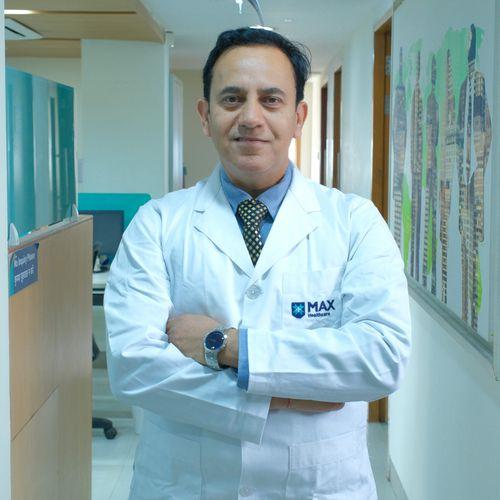
Senior Consultant, Neurology
Neurology
New Delhi
12+ Years
Experience
Apolo Delhi
Hospital
1500
Fees
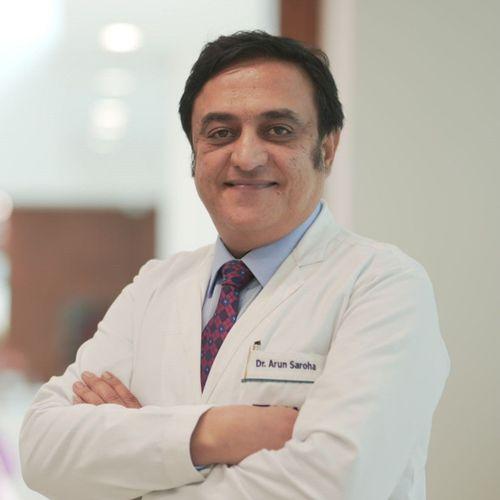
Director & HOD
Neurosurgery
New Delhi
30+ Years
Experience
Apolo Delhi
Hospital
1500
Fees
Senior Consultant
Neurosurgery
New Delhi
25+ Years
Experience
Apolo Delhi
Hospital
1500
Fees
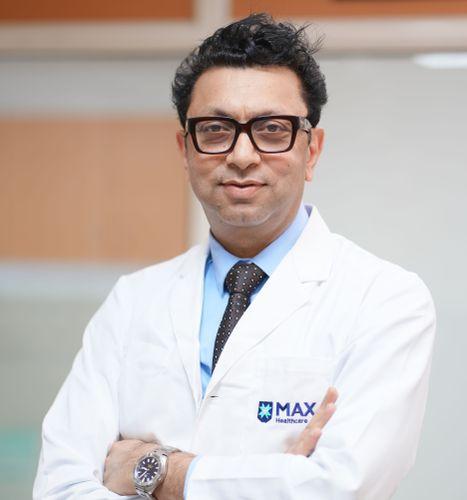
Senior Consultant - Neurology
Neurology
New Delhi
12+ Years
Experience
Apolo Delhi
Hospital
1500
Fees
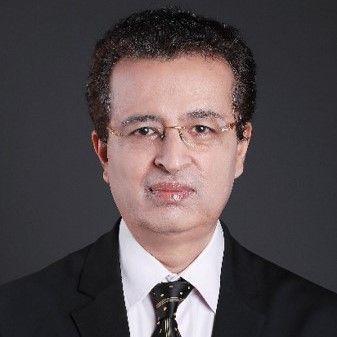
Director
Neurology
New Delhi
30+ Years
Experience
Apolo Delhi
Hospital
1500
Fees
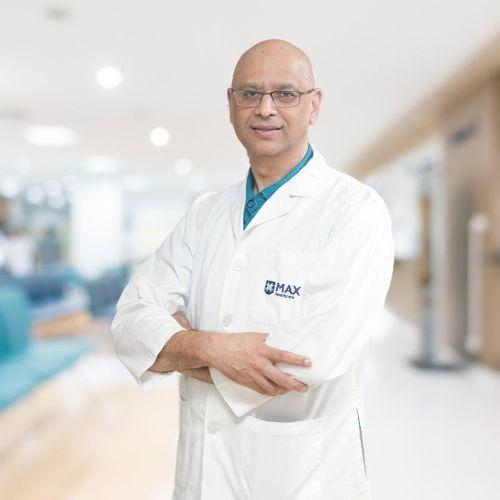
Director - Neuro Sciences
Neurology
New Delhi
18+ Years
Experience
Apolo Delhi
Hospital
1500
Fees
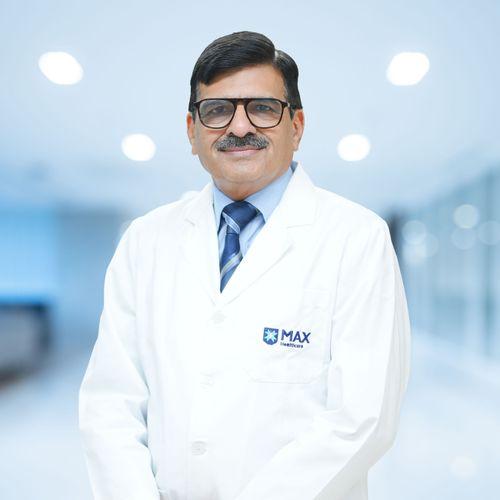
Director
Neurosciences
New Delhi
14+ Years
Experience
Apolo Delhi
Hospital
1500
Fees
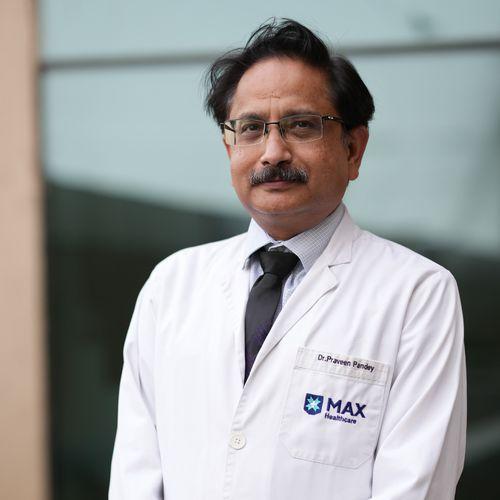
Director
Neuroscience
New Delhi
17+ Years
Experience
Apolo Delhi
Hospital
1500
Fees
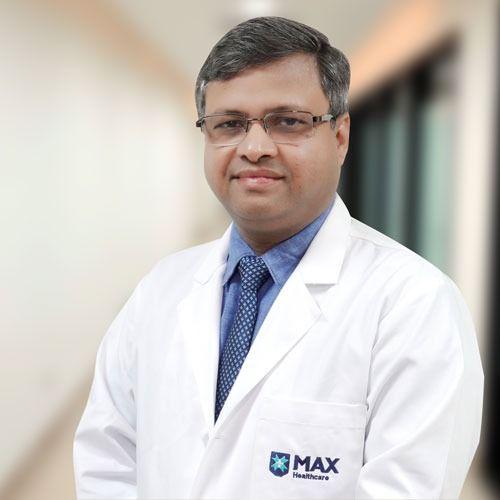
Director
Neurology
New Delhi
20+ Years
Experience
Apolo Delhi
Hospital
1500
Fees
احصل على خيارات علاجية شخصية من أفضل مستشفيات الهند. خبراؤنا الطبيون جاهزون لمساعدتك في كل خطوة.