
بحاجة لنصيحة شخصية؟
خبراؤنا الطبيون جاهزون للإجابة عن أسئلتك وإرشادك خلال خيارات العلاج.
خبراؤنا الطبيون جاهزون للإجابة عن أسئلتك وإرشادك خلال خيارات العلاج.
For many patients in Bangladesh facing severe, uncontrollable movement disorders, the thought of finding effective, long-term relief can be daunting. Dealing with persistent tremors, rigidity, or dyskinesia often brings daily challenges and a constant search for advanced treatment options beyond local availability. The uncertainty of navigating complex medical procedures abroad, like Deep Brain Stimulation, is a significant concern.
Patients from Bangladesh increasingly look to Hyderabad as a premier destination for specialized neurosurgical care. The city has established itself with state-of-the-art medical infrastructure and a focus on patient-centric services. This environment offers a seamless transition for international patients seeking high-level interventions and coordinated care.
Hyderabad’s hospitals are recognized for their excellence in neurosciences, housing teams of highly experienced neurologists and neurosurgeons. These facilities often hold international accreditations, ensuring world-class standards in patient safety and clinical outcomes. For patients, this means access to reliable medical expertise and comprehensive follow-up arrangements within the city.
Hyderabad provides robust and reliable Deep Brain Stimulation solutions for international patients.
Considering DBS in Hyderabad? Connect with our patient support team for personalized guidance.
Deep Brain Stimulation (DBS) is a precise neurosurgical procedure that involves implanting thin wires, called electrodes, into specific areas of the brain. These electrodes are connected to a small, battery-operated device (neurostimulator) placed under the skin in the chest, similar to a pacemaker. The device sends continuous, controlled electrical pulses to the brain region, helping to regulate abnormal brain activity. DBS does not destroy brain tissue but rather modulates neural circuits, significantly reducing or controlling symptoms associated with various neurological conditions, particularly movement disorders, when medications are no longer effective or cause severe side effects.
Deep Brain Stimulation is tailored to each patient's specific condition and symptoms. The primary variations relate to the target area in the brain and the extent of the implantation.
The Deep Brain Stimulation procedure is a multi-stage process, meticulously planned and executed to ensure precise electrode placement and effective symptom management. The specific steps can vary slightly depending on the patient's condition and the surgical team's approach.
Detailed imaging, including MRI and CT scans, is performed to create a three-dimensional map of the patient's brain. This allows the surgical team to precisely identify the target area for electrode placement, minimizing risks and maximizing therapeutic effect. A stereotactic frame may be affixed to the patient's head to guide the surgical instruments with extreme accuracy.
During the surgery, small holes are made in the skull. Microelectrodes are used to map brain activity in the target region, confirming the optimal site for the permanent DBS electrodes. Once the ideal location is identified, the permanent electrodes are carefully inserted. In some cases, the patient may be awake during part of this procedure to help the surgeon evaluate the immediate effects of stimulation on their symptoms.
Following electrode placement, the patient undergoes a second, typically shorter procedure, usually under general anesthesia. The implantable pulse generator (IPG) or battery pack is placed under the skin in the upper chest, just below the collarbone. Tunnels are created under the skin to connect the electrodes in the brain to the IPG using extension wires.
Several weeks after the surgery, once the brain has healed, the IPG is activated and programmed by a neurologist or specially trained clinician. This involves adjusting the stimulation parameters (voltage, pulse width, frequency) to achieve optimal symptom control with minimal side effects. This programming is an ongoing process, often requiring multiple follow-up visits to fine-tune settings as needed.
Recovery from Deep Brain Stimulation involves several phases, starting with the immediate post-operative period in the hospital. Patients typically stay for a few days for monitoring and initial healing. Mild pain or discomfort at the incision sites is common and managed with medication. Restrictions on heavy lifting or strenuous activities are usually advised for several weeks to allow proper healing and prevent displacement of the implanted hardware. Physical and occupational therapy may be recommended to help patients adjust to their improved motor control and regain functional independence. Regular follow-up appointments are crucial for programming adjustments and long-term management of the DBS system. The full benefits of DBS often become apparent over several months as programming is optimized.
The success rates for Deep Brain Stimulation are generally high, with a significant majority of patients experiencing substantial improvement in their primary symptoms. For Parkinson's disease, DBS can reduce motor fluctuations and dyskinesia by 50-70% on average, often allowing for a reduction in medication. Essential tremor patients frequently see a 60-80% reduction in tremor severity. Dystonia outcomes vary but can be very beneficial for selected patients. The precise outcome depends on factors such as the underlying condition, the patient's overall health, the accuracy of electrode placement, and effective post-operative programming. While DBS offers significant relief, it does not cure the underlying disease, and long-term results are best achieved with ongoing medical management and regular follow-up.
The cost of Deep Brain Stimulation in Hyderabad is influenced by several factors, including the reputation and accreditation of the hospital, the experience of the neurosurgical team, the specific type of DBS system used (e.g., standard vs. directional leads, rechargeable vs. non-rechargeable IPG), the duration of hospital stay, and any additional post-operative rehabilitation required. Hyderabad offers competitive pricing for advanced neurological procedures while maintaining high standards of care.
A typical estimate for Deep Brain Stimulation in Hyderabad generally ranges from INR 1,200,000 to INR 2,200,000.
Patients from Bangladesh often find Hyderabad to be a more economical option for Deep Brain Stimulation compared to Western countries, without compromising on quality or technology.
| Location | Estimated DBS Cost (USD) |
|---|---|
| Hyderabad, India | $14,500 - $26,500 |
| United States | $80,000 - $120,000+ |
| United Kingdom | $55,000 - $85,000 |
| Germany | $45,000 - $70,000 |
| Thailand | $25,000 - $40,000 |
Ready to explore DBS as a solution? Let us help you connect with top neurologists in Hyderabad.
Considering Deep Brain Stimulation in Hyderabad can be a life-changing decision for patients seeking effective relief from complex neurological conditions.
India offers premium medical procedures at affordable prices. Discover our most popular treatments, delivered by the country's finest doctors.
Meet our team of highly qualified and experienced medical professionals dedicated to providing the best healthcare services.

Chairperson - Neurosurgery & CNS Radiosurgery & Co-Chief - Cyberknife Centre, Artemis Hospitals, Gurgaon
Neurosurgeon
Haryana
32+ Years
Experience
Artemis Hospital
Hospital
1500
Fees
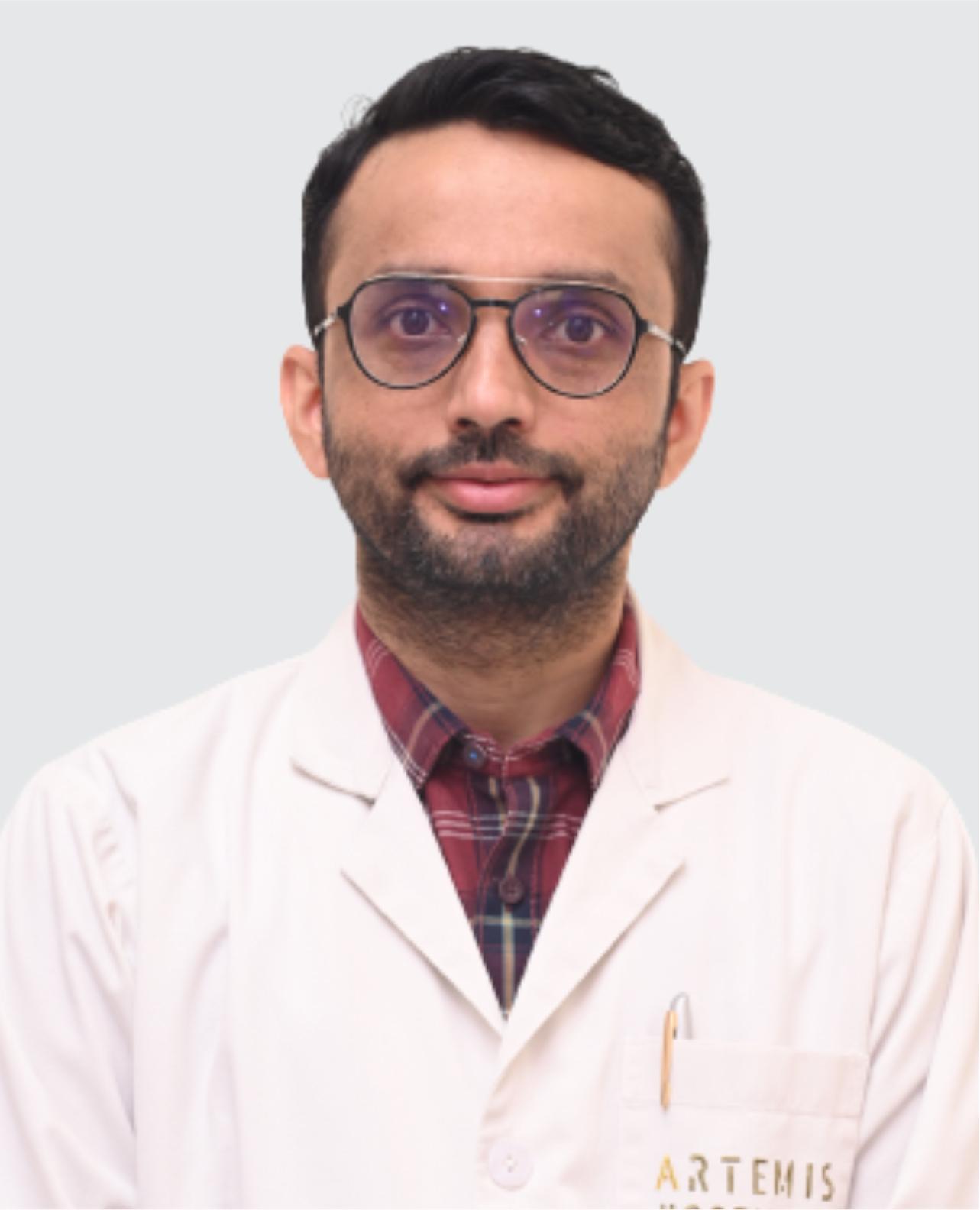
Sr. Consultant-Neurology & Epilepsy
Neurology & Epilepsy
New Delhi
15+ Years
Experience
Artemis Hospital
Hospital
1500
Fees
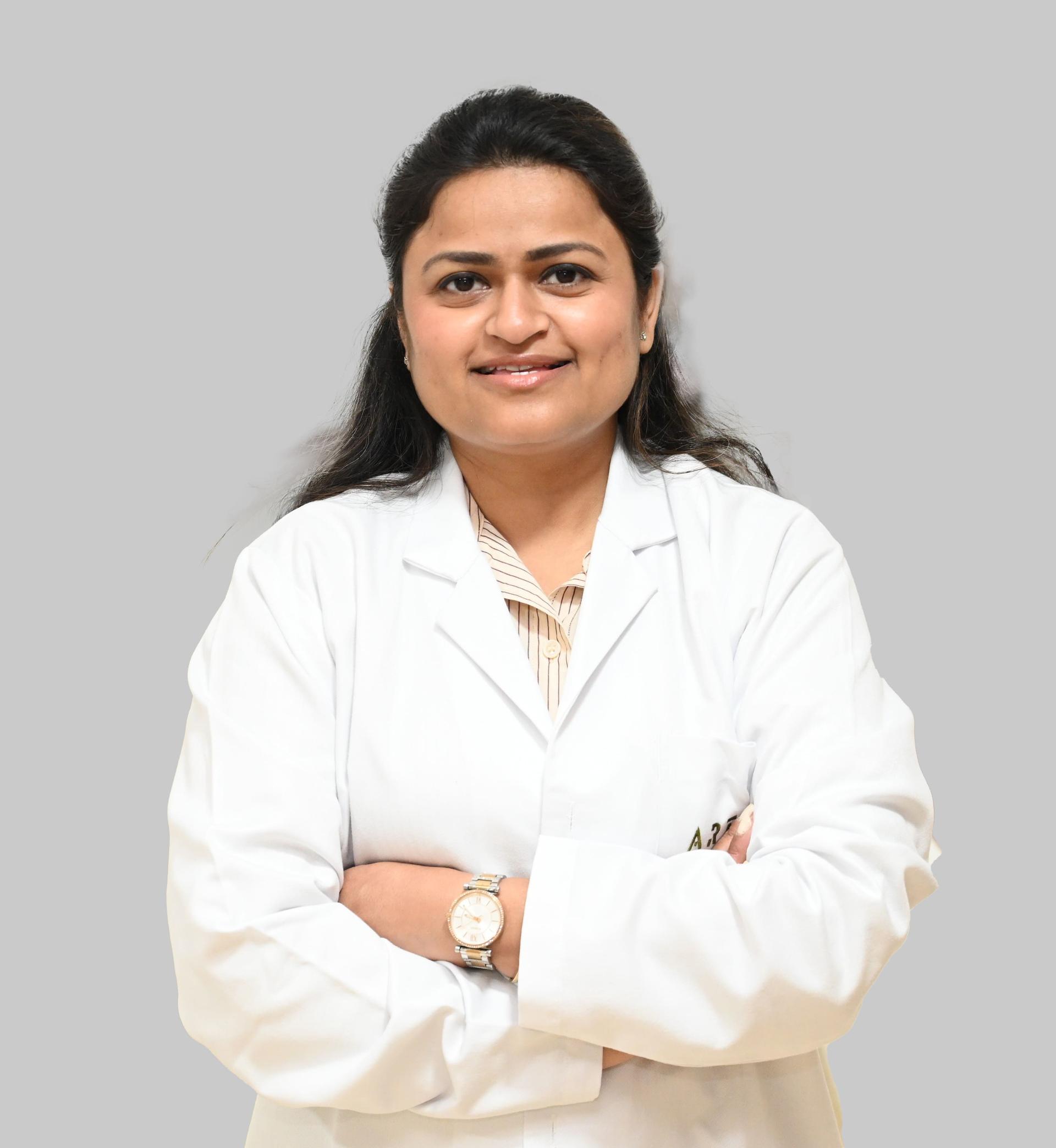
Consultant - Physiotherapy and Rehabilitation Centre
Physiotherapy and Rehabilitation Centre
New Delhi
10+ Years
Experience
Artemis Hospital
Hospital
1500
Fees

Consultant - Neurology & Movement Disorders
Neurology
New Delhi
15+ Years
Experience
Artemis Hospital
Hospital
1500
Fees
Senior Medical Oncologist
Medical Oncology, Haemato-medical Oncology
New Delhi
15+ Years
Experience
Max Hospital,Gurgaon
Hospital
1500
Fees
Principal Director - Pulmonology
Pulmonology
New Delhi
40+ Years
Experience
Max Hospital,Gurgaon
Hospital
1500
Fees
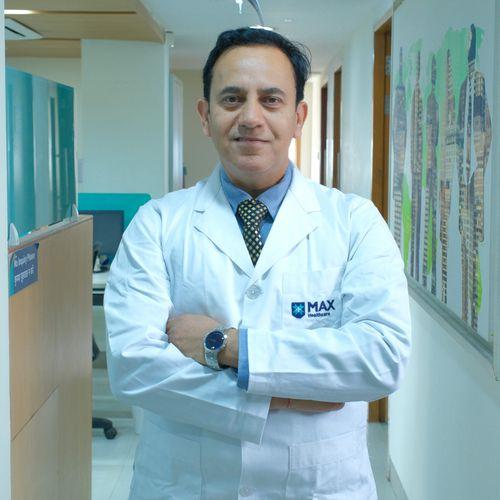
Senior Consultant, Neurology
Neurology
New Delhi
12+ Years
Experience
Apolo Delhi
Hospital
1500
Fees
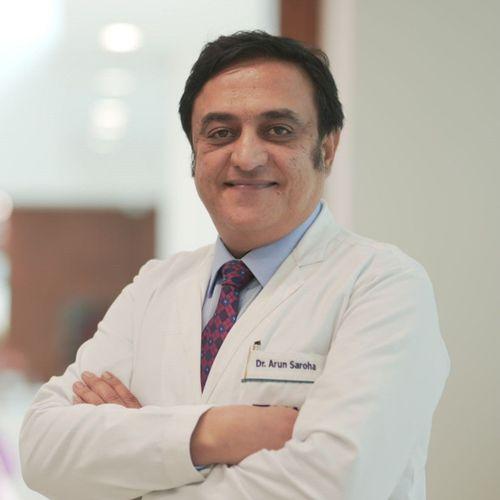
Director & HOD
Neurosurgery
New Delhi
30+ Years
Experience
Apolo Delhi
Hospital
1500
Fees
Senior Consultant
Neurosurgery
New Delhi
25+ Years
Experience
Apolo Delhi
Hospital
1500
Fees
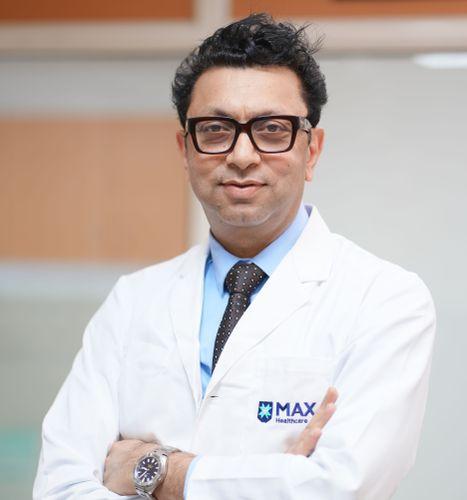
Senior Consultant - Neurology
Neurology
New Delhi
12+ Years
Experience
Apolo Delhi
Hospital
1500
Fees
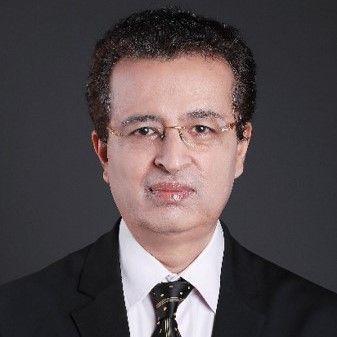
Director
Neurology
New Delhi
30+ Years
Experience
Apolo Delhi
Hospital
1500
Fees
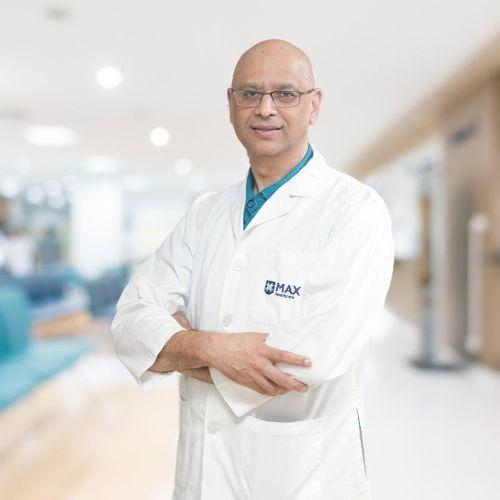
Director - Neuro Sciences
Neurology
New Delhi
18+ Years
Experience
Apolo Delhi
Hospital
1500
Fees
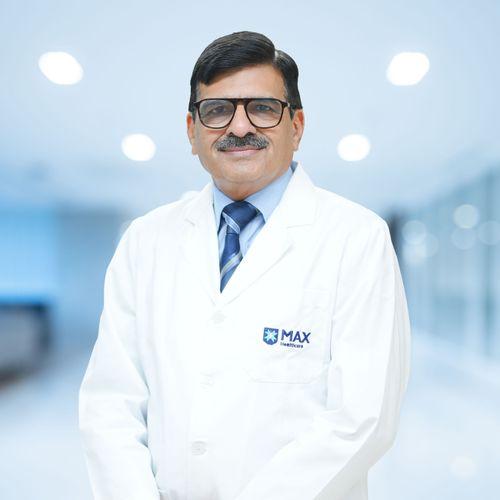
Director
Neurosciences
New Delhi
14+ Years
Experience
Apolo Delhi
Hospital
1500
Fees
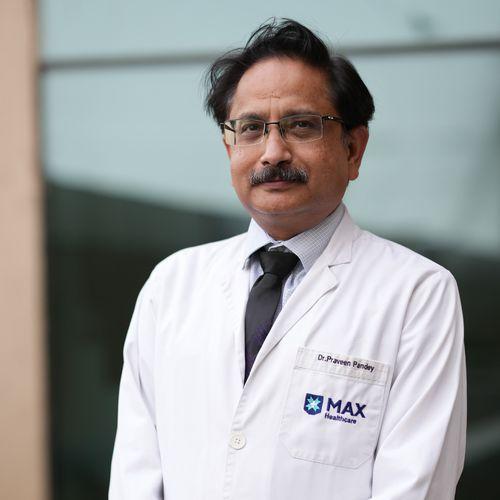
Director
Neuroscience
New Delhi
17+ Years
Experience
Apolo Delhi
Hospital
1500
Fees
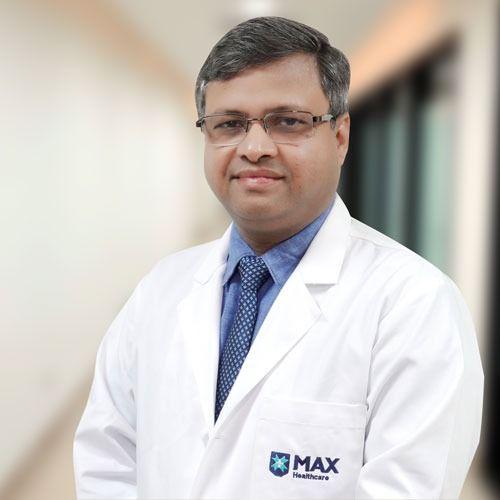
Director
Neurology
New Delhi
20+ Years
Experience
Apolo Delhi
Hospital
1500
Fees
احصل على خيارات علاجية شخصية من أفضل مستشفيات الهند. خبراؤنا الطبيون جاهزون لمساعدتك في كل خطوة.