
Deep Brain Stimulation (DBS) Treatment in Bengaluru for UAE
بحاجة لنصيحة شخصية؟
خبراؤنا الطبيون جاهزون للإجابة عن أسئلتك وإرشادك خلال خيارات العلاج.
خبراؤنا الطبيون جاهزون للإجابة عن أسئلتك وإرشادك خلال خيارات العلاج.
For many patients in the UAE experiencing debilitating movement disorders, the search for effective, advanced treatment can feel overwhelming. Understanding options like Deep Brain Stimulation, often known as DBS, involves considering the best medical expertise and a supportive care environment. The journey to better health often leads beyond familiar borders, prompting a thoughtful evaluation of global healthcare choices.
Patients increasingly look to international medical hubs for specialized procedures. Bengaluru stands out as a preferred destination due to its reputation for pioneering neurosurgical techniques and state-of-the-art facilities. This city provides a unique blend of high-quality care, advanced technology, and a well-coordinated patient experience, making it an attractive choice for complex treatments.
Trust in Bengaluru's medical landscape is built upon its world-class hospitals and highly skilled neurologists and neurosurgeons. These institutions are equipped with cutting-edge diagnostic and surgical tools, ensuring precision and safety for procedures like DBS. Patients can expect comprehensive support, from initial consultation through to post-operative follow-ups, all within a nurturing environment.
Could Bengaluru be the right choice for your DBS treatment?
Deep Brain Stimulation, or DBS, is an advanced neurosurgical procedure designed to alleviate symptoms of various movement disorders. It involves implanting small electrodes within specific areas of the brain. These electrodes are connected to a small, pacemaker-like device, known as an implantable pulse generator (IPG), typically placed under the skin in the chest. The IPG sends continuous, precisely controlled electrical pulses to the brain, modulating abnormal brain activity and significantly reducing tremors, rigidity, and other debilitating symptoms. DBS does not cure the underlying condition but can offer substantial symptomatic relief, improving quality of life.
The application of Deep Brain Stimulation can vary based on the patient's condition and specific needs:
The DBS procedure is a carefully planned neurosurgical intervention tailored to each patient's condition, typically involving two main stages.
During the first stage, performed under local anesthesia with conscious sedation or sometimes general anesthesia, surgeons meticulously implant thin wire electrodes into specific target areas within the brain. This precision is achieved using advanced stereotactic navigation systems, often combined with intraoperative imaging and electrophysiological mapping to ensure optimal placement. Patients may be awake during part of this stage to allow for real-time feedback on symptom improvement and potential side effects as test stimulation is applied.
The second stage, which might occur on the same day or a few days later, involves implanting the implantable pulse generator (IPG). This small device, similar to a heart pacemaker, is typically placed under the skin near the collarbone or in the abdomen. The electrodes previously placed in the brain are then connected to the IPG via extension wires tunneled under the skin. This stage is usually performed under general anesthesia.
A few weeks after implantation, once the initial healing is complete, the IPG is programmed. This involves adjusting the stimulation settings (frequency, pulse width, and voltage) to optimize symptom control while minimizing side effects. This programming process is often iterative and may require several follow-up visits to find the most effective settings for long-term benefit.
Recovery from Deep Brain Stimulation surgery typically involves several phases. Immediately after the procedure, patients will spend a few days in the hospital for monitoring and initial healing. There might be some pain or discomfort at the incision sites, which is managed with medication. Once discharged, a period of rest and limited activity is advised for a few weeks to allow the brain and incision sites to heal fully. The true benefits of DBS often become apparent after the IPG is activated and carefully programmed, which usually begins several weeks post-surgery. Regular follow-up appointments with the neurologist are crucial for fine-tuning stimulation settings, managing medications, and monitoring progress. Physical and occupational therapy may also be recommended to maximize functional improvements and adapt to life with the device.
The success rates for Deep Brain Stimulation are generally high, especially for carefully selected patients with Parkinson's disease, essential tremor, and dystonia. Patients often experience significant reductions in symptoms, leading to improved motor control, reduced tremors, and enhanced quality of life. The degree of improvement can vary, depending on the specific condition, the patient's individual response, and meticulous programming of the device. Long-term outcomes are generally positive, with many patients maintaining benefits for years, though regular adjustments and follow-ups are essential to sustain optimal results.
The cost of Deep Brain Stimulation in Bengaluru is influenced by several factors, including the reputation and accreditation of the hospital, the experience of the neurosurgical team, the specific type of DBS system used (e.g., standard vs. rechargeable IPG, directional leads), and the complexity of the patient's condition. Pre-operative evaluations, length of hospital stay, and post-operative programming sessions also contribute to the overall expenditure.
In Bengaluru, the estimated cost for Deep Brain Stimulation (DBS) can range approximately from ₹12,00,000 to ₹25,00,000 (Indian Rupees), depending on whether it's unilateral or bilateral implantation and the chosen device.
Patients from abroad often find Bengaluru offers a significant cost advantage for advanced procedures like DBS, without compromising on quality or technology.
| Location | Estimated DBS Cost (USD) |
|---|---|
| Bengaluru, India | $14,500 – $30,000 |
| United States | $70,000 – $120,000 |
| United Kingdom | $55,000 – $90,000 |
| Germany | $45,000 – $75,000 |
| Singapore | $40,000 – $65,000 |
Take the first step towards managing your condition effectively with expert care in Bengaluru.
India offers premium medical procedures at affordable prices. Discover our most popular treatments, delivered by the country's finest doctors.
Meet our team of highly qualified and experienced medical professionals dedicated to providing the best healthcare services.

Chairperson - Neurosurgery & CNS Radiosurgery & Co-Chief - Cyberknife Centre, Artemis Hospitals, Gurgaon
Neurosurgeon
Haryana
32+ Years
Experience
Artemis Hospital
Hospital
1500
Fees
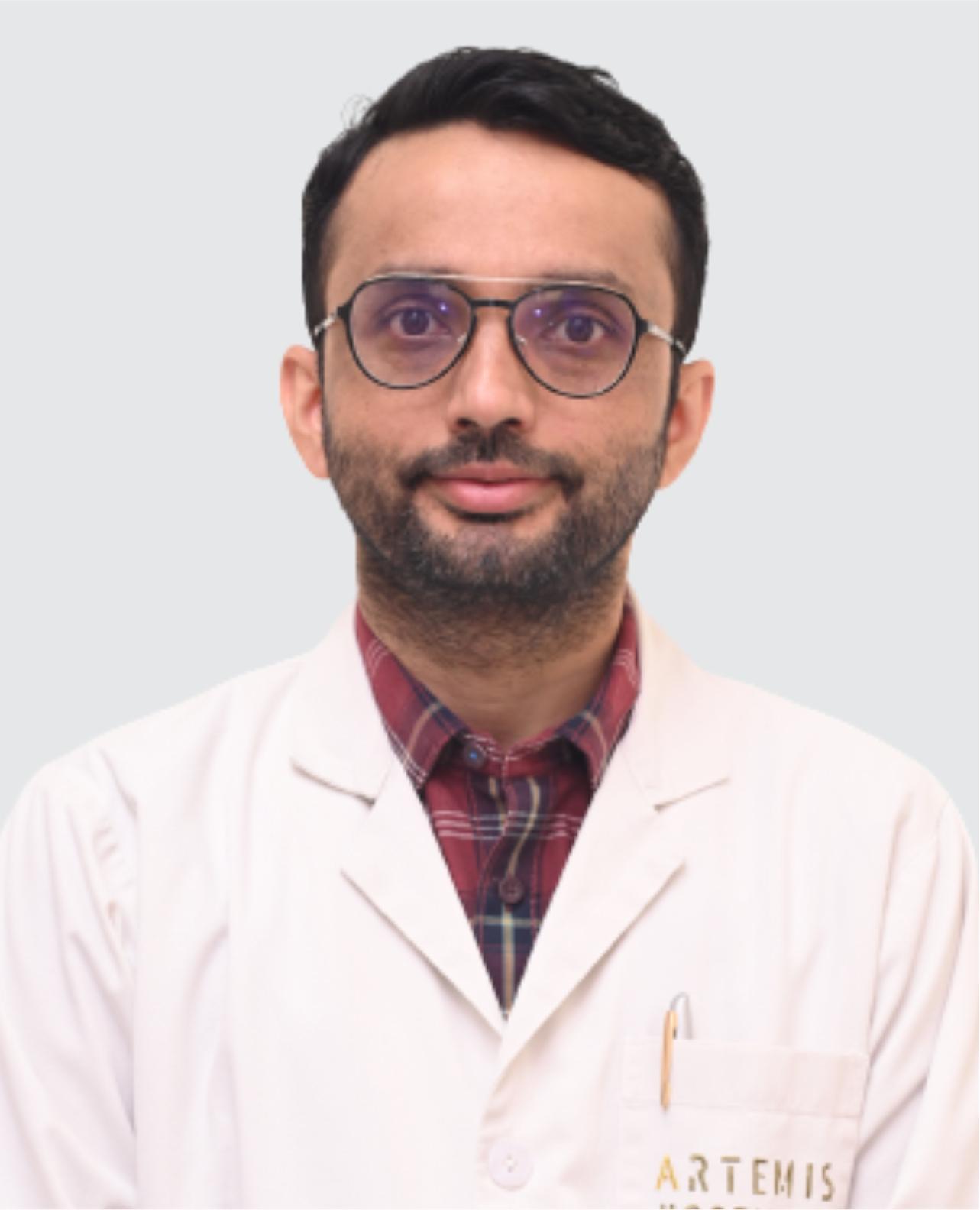
Sr. Consultant-Neurology & Epilepsy
Neurology & Epilepsy
New Delhi
15+ Years
Experience
Artemis Hospital
Hospital
1500
Fees
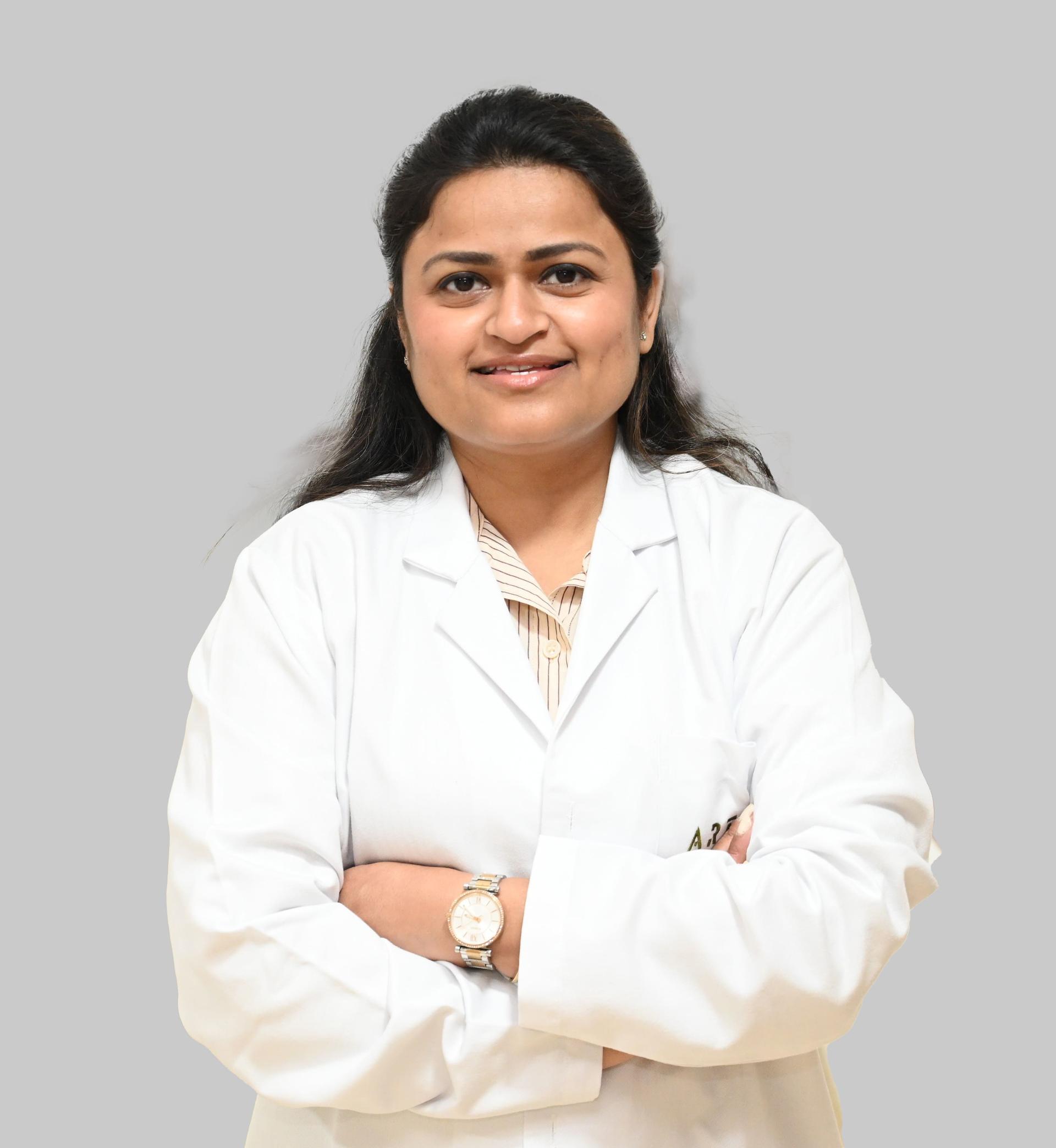
Consultant - Physiotherapy and Rehabilitation Centre
Physiotherapy and Rehabilitation Centre
New Delhi
10+ Years
Experience
Artemis Hospital
Hospital
1500
Fees

Consultant - Neurology & Movement Disorders
Neurology
New Delhi
15+ Years
Experience
Artemis Hospital
Hospital
1500
Fees
Senior Medical Oncologist
Medical Oncology, Haemato-medical Oncology
New Delhi
15+ Years
Experience
Max Hospital,Gurgaon
Hospital
1500
Fees
Principal Director - Pulmonology
Pulmonology
New Delhi
40+ Years
Experience
Max Hospital,Gurgaon
Hospital
1500
Fees
Senior Consultant, Neurology
Neurology
New Delhi
12+ Years
Experience
Apolo Delhi
Hospital
1500
Fees
Director & HOD
Neurosurgery
New Delhi
30+ Years
Experience
Apolo Delhi
Hospital
1500
Fees
Senior Consultant
Neurosurgery
New Delhi
25+ Years
Experience
Apolo Delhi
Hospital
1500
Fees
Senior Consultant - Neurology
Neurology
New Delhi
12+ Years
Experience
Apolo Delhi
Hospital
1500
Fees
Director
Neurology
New Delhi
30+ Years
Experience
Apolo Delhi
Hospital
1500
Fees
Director - Neuro Sciences
Neurology
New Delhi
18+ Years
Experience
Apolo Delhi
Hospital
1500
Fees
Director
Neurosciences
New Delhi
14+ Years
Experience
Apolo Delhi
Hospital
1500
Fees
Director
Neuroscience
New Delhi
17+ Years
Experience
Apolo Delhi
Hospital
1500
Fees
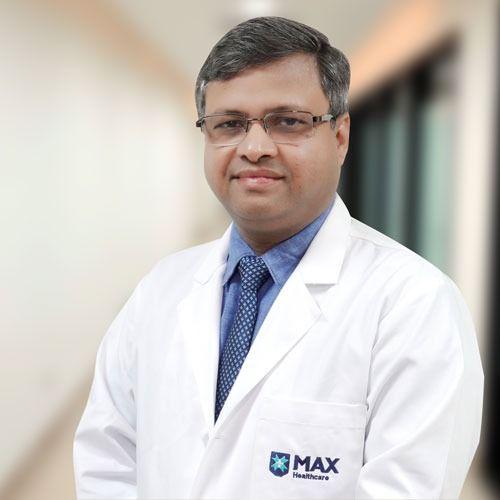
Director
Neurology
New Delhi
20+ Years
Experience
Apolo Delhi
Hospital
1500
Fees
احصل على خيارات علاجية شخصية من أفضل مستشفيات الهند. خبراؤنا الطبيون جاهزون لمساعدتك في كل خطوة.