
Deep Brain Stimulation (DBS) Treatment in Bengaluru for Nigeria
بحاجة لنصيحة شخصية؟
خبراؤنا الطبيون جاهزون للإجابة عن أسئلتك وإرشادك خلال خيارات العلاج.
خبراؤنا الطبيون جاهزون للإجابة عن أسئلتك وإرشادك خلال خيارات العلاج.
Nigerian patients exploring advanced neurological care often face questions about seeking specialized treatments like Deep Brain Stimulation (DBS) abroad. Concerns about navigating a new healthcare system and understanding the process from afar are completely natural.
Bengaluru has emerged as a preferred destination for patients seeking high quality neurological care, including DBS. The city's advanced medical infrastructure, experienced neurosurgeons, and comprehensive support systems draw international attention.
Within Bengaluru, established hospitals and highly specialized neurologists and neurosurgeons offer reliable expertise for complex procedures such as DBS. The city's medical environment supports seamless patient journeys from initial consultation to recovery and follow up.
Could Bengaluru be the right choice for your Deep Brain Stimulation treatment?
Deep Brain Stimulation (DBS) is a neurosurgical procedure used to treat several disabling neurological conditions, primarily movement disorders like Parkinson's disease, essential tremor, and dystonia. It involves implanting electrodes into specific areas of the brain. These electrodes are connected to a small, pacemaker like device called a neurostimulator, typically placed under the skin in the chest. The device sends continuous electrical pulses to the brain, helping to block abnormal nerve signals that cause symptoms. DBS does not cure these conditions but can significantly reduce symptoms and improve quality of life when medications are no longer effective or cause severe side effects.
While DBS is a specific surgical procedure, its application varies depending on the underlying condition. The primary conditions for which DBS is typically recommended include:
The Deep Brain Stimulation procedure involves precise surgical steps and careful post operative management. The exact approach may vary slightly based on the patient's condition and the neurosurgeon's plan.
The DBS procedure is typically performed in two main stages. First, tiny electrodes are surgically implanted into specific brain regions, usually while the patient is awake to allow for neurological monitoring and testing. This ensures optimal placement. Once the electrodes are correctly positioned, they are connected by wires that run under the skin of the head and neck to a neurostimulator. In a second procedure, usually performed under general anesthesia, the neurostimulator device is implanted under the skin in the chest area, similar to a cardiac pacemaker.
After the surgery, a recovery period is followed by the activation and programming of the neurostimulator. This programming is a crucial step, often taking several weeks or months, where the medical team adjusts the stimulation settings. These adjustments are tailored to the individual patient's symptoms and needs to achieve the best possible therapeutic effect with minimal side effects.
Recovery after Deep Brain Stimulation typically involves a hospital stay of a few days to a week. Patients will receive instructions on wound care and activity restrictions. Initial recovery focuses on healing from the surgery. Once discharged, the critical phase of device programming begins, which involves regular follow up visits to fine tune the stimulation. Patients may engage in physical or occupational therapy to maximize their functional improvements. Long term follow up is essential for ongoing device adjustments and overall symptom management.
The success rate of Deep Brain Stimulation varies based on the condition being treated and individual patient factors. For Parkinson's disease, many patients experience a significant reduction in motor symptoms, allowing for lower medication dosages and improved quality of life. Essential tremor patients often see substantial tremor reduction. Dystonia outcomes can also be very positive, though improvement may be slower. The overall success is highly dependent on patient selection, precise electrode placement, and meticulous post operative programming. Long term benefits are common, but results can vary, and ongoing management is necessary.
Considering Deep Brain Stimulation in Bengaluru? Reach out for a personalized consultation and treatment plan.
The cost of Deep Brain Stimulation in Bengaluru is influenced by several factors, including the chosen hospital's accreditation, the experience of the neurosurgical team, the type of DBS device used (rechargeable vs. non rechargeable), and the duration of hospital stay. These elements contribute to the overall treatment expense.
A typical Deep Brain Stimulation procedure in Bengaluru can range approximately from 18,00,000 INR to 35,00,000 INR.
Bengaluru offers a cost effective solution for Deep Brain Stimulation while maintaining high standards of medical care. Below is a comparison of estimated DBS costs in Bengaluru against other major global medical hubs.
| Location | Estimated DBS Cost (USD) |
|---|---|
| Bengaluru, India | $22,000 - $42,000 |
| United States | $80,000 - $150,000 |
| United Kingdom | $60,000 - $100,000 |
| Germany | $55,000 - $90,000 |
| Thailand | $35,000 - $60,000 |
Embarking on a journey for advanced medical treatment is a significant decision. In Bengaluru, you will find expert care and compassionate support to guide you through your Deep Brain Stimulation journey, helping you regain control and improve your quality of life.
Ready to explore DBS options in Bengaluru? Contact our patient support team today for assistance.
India offers premium medical procedures at affordable prices. Discover our most popular treatments, delivered by the country's finest doctors.
Meet our team of highly qualified and experienced medical professionals dedicated to providing the best healthcare services.

Chairperson - Neurosurgery & CNS Radiosurgery & Co-Chief - Cyberknife Centre, Artemis Hospitals, Gurgaon
Neurosurgeon
Haryana
32+ Years
Experience
Artemis Hospital
Hospital
1500
Fees
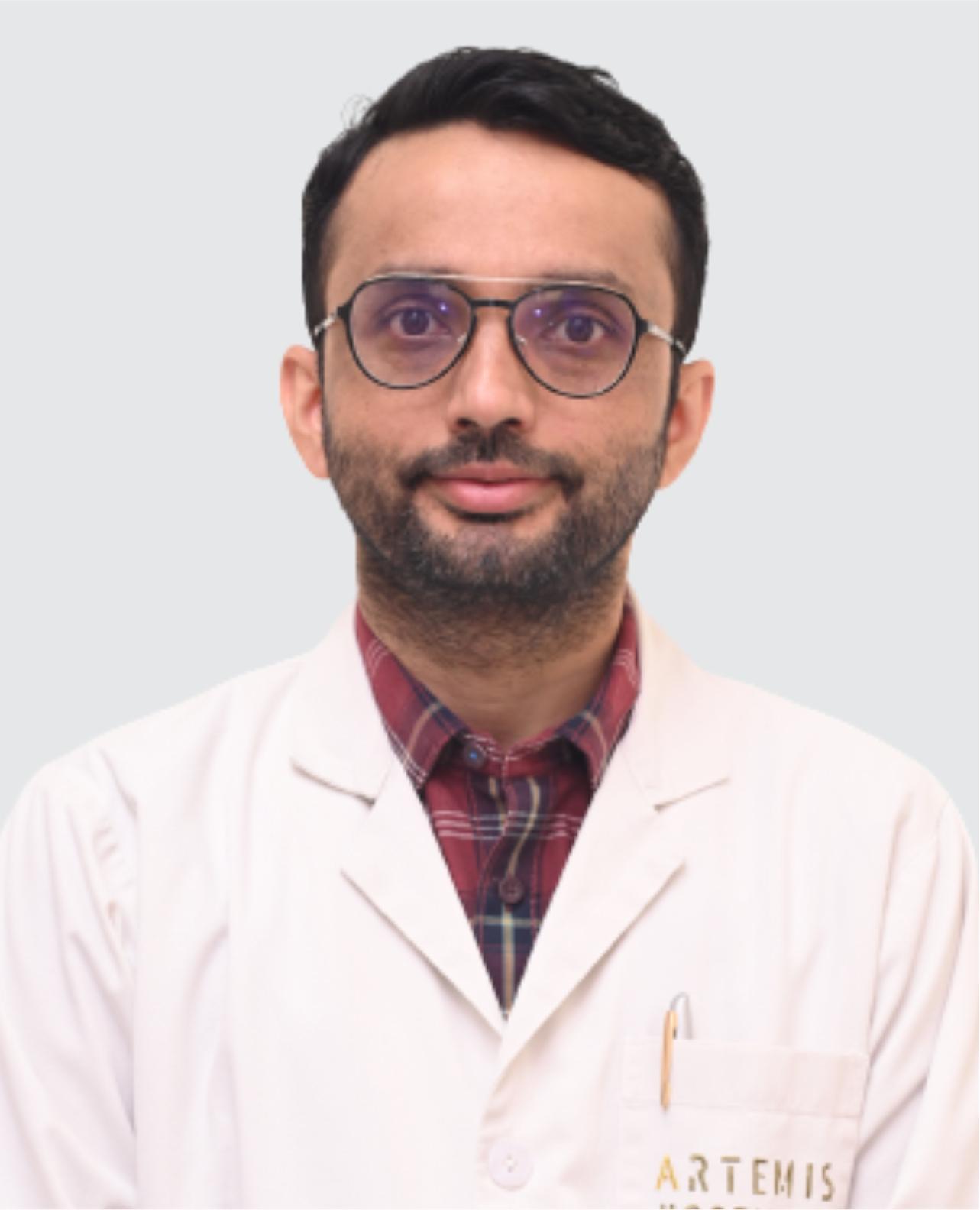
Sr. Consultant-Neurology & Epilepsy
Neurology & Epilepsy
New Delhi
15+ Years
Experience
Artemis Hospital
Hospital
1500
Fees

Consultant
Paediatric Neurology
Haryana
9+ Years
Experience
Artemis Hospital
Hospital
1500
Fees
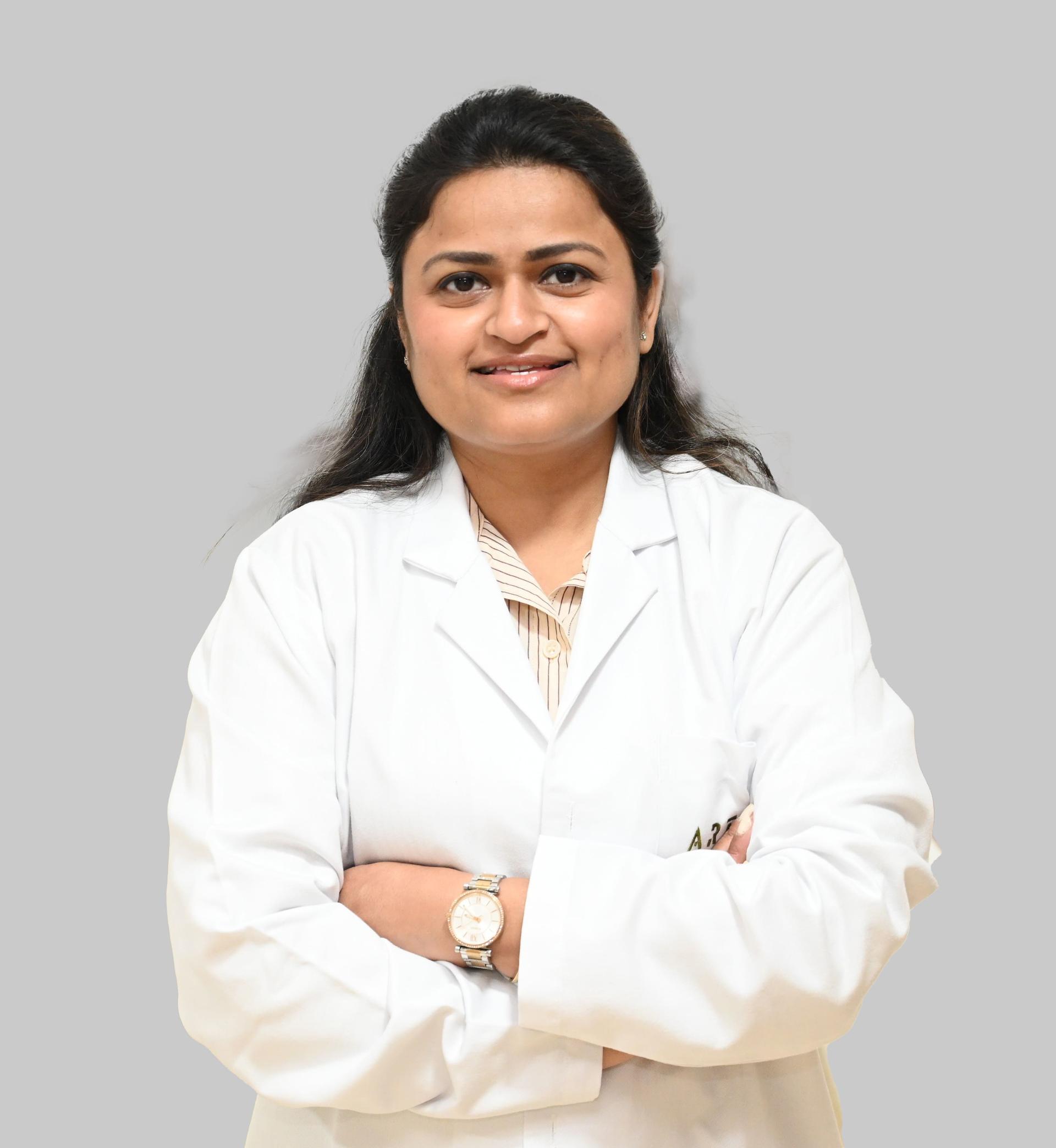
Consultant - Physiotherapy and Rehabilitation Centre
Physiotherapy and Rehabilitation Centre
New Delhi
10+ Years
Experience
Artemis Hospital
Hospital
1500
Fees

Consultant - Neurology & Movement Disorders
Neurology
New Delhi
15+ Years
Experience
Artemis Hospital
Hospital
1500
Fees
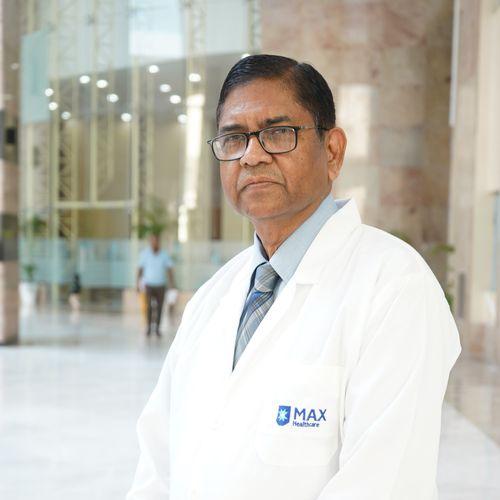
Chairman - Cardiology
Cardiology
New Delhi
41+ Years
Experience
Max Hospital,Gurgaon
Hospital
1500
Fees
Senior Medical Oncologist
Medical Oncology, Haemato-medical Oncology
New Delhi
15+ Years
Experience
Max Hospital,Gurgaon
Hospital
1500
Fees
Principal Director - Pulmonology
Pulmonology
New Delhi
40+ Years
Experience
Max Hospital,Gurgaon
Hospital
1500
Fees
Senior Consultant, Neurology
Neurology
New Delhi
12+ Years
Experience
Apolo Delhi
Hospital
1500
Fees
Director & HOD
Neurosurgery
New Delhi
30+ Years
Experience
Apolo Delhi
Hospital
1500
Fees
Senior Consultant
Neurosurgery
New Delhi
25+ Years
Experience
Apolo Delhi
Hospital
1500
Fees
Senior Consultant - Neurology
Neurology
New Delhi
12+ Years
Experience
Apolo Delhi
Hospital
1500
Fees
Director
Neurology
New Delhi
30+ Years
Experience
Apolo Delhi
Hospital
1500
Fees
Director - Neuro Sciences
Neurology
New Delhi
18+ Years
Experience
Apolo Delhi
Hospital
1500
Fees
Director
Neurosciences
New Delhi
14+ Years
Experience
Apolo Delhi
Hospital
1500
Fees
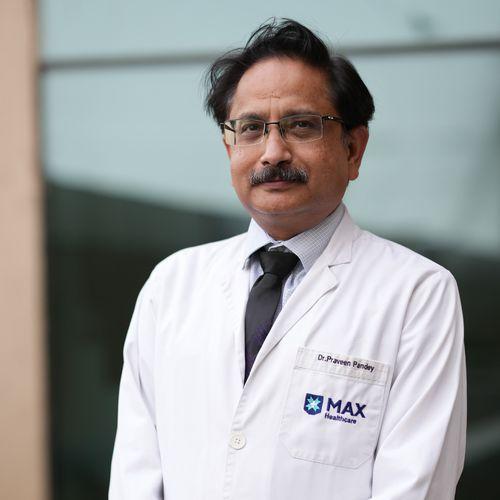
Director
Neuroscience
New Delhi
17+ Years
Experience
Apolo Delhi
Hospital
1500
Fees
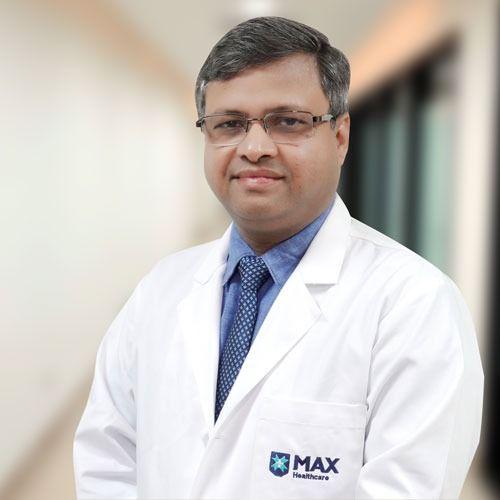
Director
Neurology
New Delhi
20+ Years
Experience
Apolo Delhi
Hospital
1500
Fees
احصل على خيارات علاجية شخصية من أفضل مستشفيات الهند. خبراؤنا الطبيون جاهزون لمساعدتك في كل خطوة.