
Pediatric Stroke Treatment Treatment in Bengaluru for Nigeria
بحاجة لنصيحة شخصية؟
خبراؤنا الطبيون جاهزون للإجابة عن أسئلتك وإرشادك خلال خيارات العلاج.
خبراؤنا الطبيون جاهزون للإجابة عن أسئلتك وإرشادك خلال خيارات العلاج.
For parents in Nigeria navigating the complexities of pediatric stroke, the journey can feel overwhelming. Securing specialized care that meets global standards while remaining accessible is a primary concern. The hope for effective treatment and a bright future for their child drives many to seek options beyond their home country.
Bengaluru has emerged as a preferred destination for families seeking high-quality medical care for their children. The city offers a unique blend of advanced medical technology and experienced pediatric neurologists. Families choose Bengaluru for its coordinated care environment and a healthcare ecosystem designed for international patients.
Trust in Bengaluru's medical infrastructure is well-placed, with its leading hospitals and dedicated pediatric specialists. These facilities are equipped to handle complex cases, providing comprehensive care from diagnosis through recovery. The city's focus on seamless follow-ups and integrated care pathways ensures continuous support for your child's well-being.
Could Bengaluru be the right choice for your child’s pediatric stroke treatment?
Pediatric stroke treatment focuses on managing and mitigating the effects of a stroke occurring in infants, children, or adolescents. Unlike adult stroke, pediatric stroke often has different underlying causes, including genetic conditions, heart defects, or blood disorders. Treatment aims to restore blood flow, prevent further brain injury, manage symptoms, and facilitate long-term recovery through rehabilitation. Early diagnosis and intervention are crucial for improving outcomes.
Acute Medical Management: This involves immediate care to stabilize the child, often with medications to dissolve clots (thrombolysis) or prevent new ones (anticoagulants), and managing blood pressure and glucose levels.
Rehabilitation Therapies: Essential for recovery, these include physical therapy to improve movement, occupational therapy for daily living skills, and speech therapy for communication and swallowing difficulties.
Surgical Interventions: In specific cases, surgery may be necessary to address underlying causes, such as removing blood clots, repairing vascular malformations, or managing hydrocephalus.
Long-Term Medication: Some children may require ongoing medication to prevent future strokes, manage seizures, or address other chronic conditions resulting from the stroke.
Psychological Support: Addressing the emotional and cognitive impacts of stroke on children and their families through counseling and educational support is an integral part of comprehensive care.
The specific treatment approach for pediatric stroke is highly individualized, depending on the child's age, the type and cause of the stroke, and its severity.
Upon arrival, the child undergoes rapid assessment and imaging. This quickly determines if the stroke is ischemic (clot) or hemorrhagic (bleeding). Urgent steps are taken to stabilize vital signs and prevent further brain damage. A specialized pediatric stroke team coordinates this immediate care.
For ischemic strokes, treatments might include intravenous thrombolysis (medication to dissolve the clot) if the child meets strict criteria and is within the therapeutic window. Anticoagulant medications may be used to prevent new clots. In some cases, mechanical thrombectomy, a procedure to physically remove a clot, might be considered at advanced centers.
Hemorrhagic strokes require different management. This often involves controlling blood pressure, managing intracranial pressure, and in some situations, surgical intervention to remove blood clots, repair ruptured blood vessels, or address underlying vascular malformations like AVMs (arteriovenous malformations).
Following the acute phase, a robust rehabilitation program begins. This includes daily sessions of physical therapy, occupational therapy, and speech therapy tailored to the child's specific deficits. The goal is to help the child regain lost functions and adapt to any lasting challenges. Long-term follow-up with a multidisciplinary team is essential for ongoing development and monitoring.
Recovery from pediatric stroke is a gradual and often long process, varying significantly among children. Initial recovery involves monitoring in an intensive care or specialized pediatric ward. This is followed by an intensive rehabilitation phase, which can last weeks to months, focusing on restoring motor, cognitive, and speech functions. Families are guided on home exercises and adaptations. Regular follow-up appointments with neurologists and therapists are vital to track progress, adjust therapies, and address any new challenges. Some children may experience lasting effects requiring ongoing support and modifications to their daily lives.
The success rate for pediatric stroke treatment varies greatly, depending on factors such as the child's age, the stroke's cause and severity, and the timeliness of intervention. Many children show significant recovery, especially with aggressive and early rehabilitation. However, some may experience permanent challenges affecting movement, speech, or learning. Long-term outcomes are continuously improving with advancements in diagnostic tools and treatment protocols, emphasizing personalized care plans to maximize each child's potential for recovery and quality of life.
The overall cost for pediatric stroke treatment in Bengaluru is influenced by several factors. These include the specific hospital chosen, the complexity of the child's condition, the type of stroke (ischemic or hemorrhagic), the duration of hospital stay, and the extent of rehabilitation required. The involvement of different specialists and the technology utilized also play a role in the final expenses.
A broad estimate for comprehensive pediatric stroke treatment in Bengaluru can range from INR 6,00,000 to INR 15,00,000, depending on the specifics of each case.
Bengaluru offers a highly competitive pricing structure for advanced pediatric stroke treatment when compared to many Western countries, without compromising on medical quality.
| Location | Estimated Cost (USD) |
| Bengaluru, India | $7,000 - $18,000 |
| United States | $50,000 - $150,000+ |
| United Kingdom | $35,000 - $90,000 |
| Singapore | $25,000 - $70,000 |
Ready to explore treatment options in Bengaluru? Contact our care team for a personalized cost estimate.
Empower your child's journey to recovery with expert pediatric stroke care in Bengaluru. We are here to guide you.
Connect with our expert medical facilitators to learn more about Pediatric Stroke Treatment in Bengaluru.
India offers premium medical procedures at affordable prices. Discover our most popular treatments, delivered by the country's finest doctors.
Meet our team of highly qualified and experienced medical professionals dedicated to providing the best healthcare services.

Consultant
Paediatric Neurology
Haryana
9+ Years
Experience
Artemis Hospital
Hospital
1500
Fees
Consultant
Paediatric Neurology
Haryana
9+ Years
Experience
Artemis Hospital
Hospital
1500
Fees
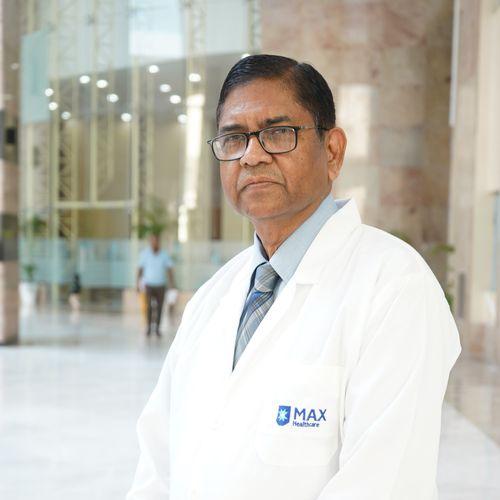
Chairman - Cardiology
Cardiology
New Delhi
41+ Years
Experience
Max Hospital,Gurgaon
Hospital
1500
Fees
احصل على خيارات علاجية شخصية من أفضل مستشفيات الهند. خبراؤنا الطبيون جاهزون لمساعدتك في كل خطوة.