
Pediatric Stroke Treatment Treatment in Gurugram for Bangladesh
Need Personalized Advice?
Our medical experts are ready to answer your questions and guide you through your treatment options.
Our medical experts are ready to answer your questions and guide you through your treatment options.
Parents in Bangladesh seeking specialized care for their child's stroke often face uncertainty about available options and the quality of advanced treatments. The urgency of securing effective pediatric neurological intervention weighs heavily, prompting a search for expert medical support outside their home country.
Many families find themselves looking beyond local borders for advanced pediatric stroke care. Gurugram, a prominent medical hub in India, stands out for its modern medical infrastructure, integrated patient support systems, and a strong focus on specialized child health services.
Gurugram's hospitals house dedicated pediatric neurology teams and advanced diagnostic facilities crucial for managing pediatric stroke effectively. The city ensures streamlined post-treatment follow-up and comprehensive rehabilitation programs, designed to support long-term recovery for young patients.
Gurugram offers a focused and well-coordinated approach to pediatric stroke treatment.
Pediatric stroke treatment addresses a serious condition where blood flow to a child's brain is interrupted, leading to brain cell damage. This can occur before birth, during birth, or in childhood. Treatment aims to minimize brain damage, prevent future strokes, manage complications, and support the child's recovery and development. It's a multidisciplinary effort involving neurologists, neurosurgeons, rehabilitation therapists, and other specialists, tailored to the specific type of stroke (ischemic or hemorrhagic), its cause, and the child's age and overall health.
Treatment for pediatric stroke can involve several approaches, often used in combination:
The specific approach for pediatric stroke treatment is tailored to the child's age, the type of stroke, its underlying cause, and their overall health status.
Treatment typically begins with emergency care to stabilize the child and prevent further brain damage.
For ischemic strokes (caused by a clot), if the child arrives quickly enough, doctors might administer clot-dissolving medications (thrombolytics) or perform mechanical thrombectomy to physically remove the clot from a brain artery. These interventions are time-sensitive and evaluated carefully for pediatric patients.
Longer-term medication management focuses on preventing future strokes. This may include antiplatelet agents like aspirin or anticoagulant medications. If an underlying condition caused the stroke, such as a heart defect or blood disorder, specific medications or treatments for that condition will also be administered.
A crucial part of recovery is comprehensive rehabilitation. This involves a team of specialists: physical therapists help with motor skills and mobility; occupational therapists focus on daily living activities; and speech therapists address communication and swallowing difficulties. Cognitive therapists may assist with memory and learning challenges. Rehabilitation typically begins early and continues for an extended period, adapting as the child grows and develops.
Identifying and treating the root cause of the stroke is paramount. This could involve surgical repair for certain vascular malformations or heart conditions, or ongoing medical management for genetic disorders or inflammatory conditions that increase stroke risk.
Regular follow-up appointments with pediatric neurologists and other specialists are essential to monitor the child's progress, adjust medications, and ensure ongoing support for development and well-being.
Recovery from pediatric stroke is a highly individualized and often long-term process, varying greatly depending on the stroke's severity, location, and the child's age. It involves continuous rehabilitation to help the child regain lost functions and develop new skills. Physical therapy, occupational therapy, and speech therapy are cornerstone components, often continuing for months or even years. Regular follow-up appointments with pediatric neurologists are vital to monitor progress, manage any ongoing medical needs, and adjust treatment plans. Support from family, educators, and a dedicated medical team plays a significant role in maximizing the child's potential for recovery and adapting to any lasting effects.
Connect with leading pediatric neurologists in Gurugram to discuss personalized treatment plans.
The success rates for pediatric stroke treatment vary widely based on numerous factors, including the type and severity of the stroke, how quickly treatment is initiated, and the intensity and duration of post-stroke rehabilitation. While complete recovery is not always guaranteed, many children, especially with early and aggressive intervention, show remarkable improvement in their neurological function and quality of life. The primary goal of treatment is to minimize damage, prevent recurrence, and maximize the child's functional independence and developmental potential. Long-term outcomes are continuously assessed, and ongoing support is provided to help children achieve the best possible long-term results.
The cost of pediatric stroke treatment in Gurugram is influenced by several factors, including the specific type of stroke (ischemic or hemorrhagic), the acute interventions required (e.g., clot retrieval, surgery), the duration of hospital stay, the complexity of diagnostic tests, the involvement of sub-specialists, and the extent of post-operative or post-stroke rehabilitation needed. Prices can also vary depending on the chosen hospital facility and the specific medical team involved.
For comprehensive pediatric stroke treatment, encompassing initial care, acute phase interventions, and early rehabilitation, costs in Gurugram typically range from ₹4,00,000 to ₹15,00,000 INR.
Gurugram offers highly competitive pricing for advanced medical care compared to many Western nations. This affordability does not compromise the quality of treatment or the expertise of medical professionals.
| Location | Estimated Cost (USD) |
|---|---|
| Gurugram | $5,000 – $18,000 |
| United States | $30,000 – $100,000+ |
| United Kingdom | $25,000 – $80,000 |
| Singapore | $20,000 – $70,000 |
| Thailand | $10,000 – $40,000 |
Receive expert medical advice and tailored treatment plans for your child's recovery.
Taking the first step involves understanding your options and connecting with expert care.
India offers premium medical procedures at affordable prices. Discover our most popular treatments, delivered by the country's finest doctors.
Meet our team of highly qualified and experienced medical professionals dedicated to providing the best healthcare services.
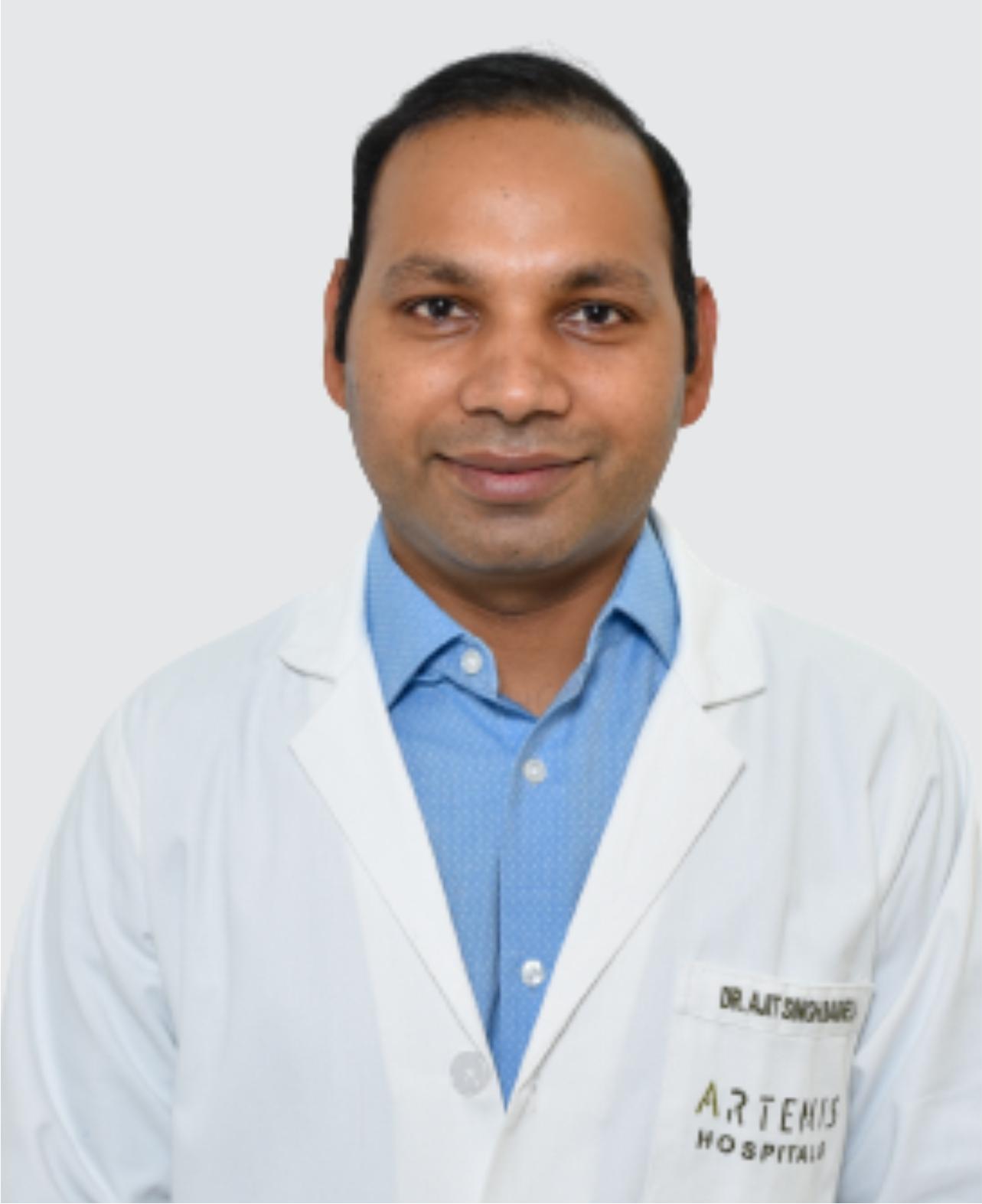
Consultant
Paediatric Neurology
Haryana
9+ Years
Experience
Artemis Hospital
Hospital
1500
Fees
Get Personalized Medical Treatment Options From India's Top Hospitals. Our Medical Experts Are Ready To Assist You Every Step Of The Way.