
Pediatric Stroke Treatment Treatment in Hyderabad for Ethiopia
بحاجة لنصيحة شخصية؟
خبراؤنا الطبيون جاهزون للإجابة عن أسئلتك وإرشادك خلال خيارات العلاج.
خبراؤنا الطبيون جاهزون للإجابة عن أسئلتك وإرشادك خلال خيارات العلاج.
Families in Ethiopia facing the challenge of pediatric stroke often feel an immense burden. The search for highly specialized medical care for a child can be daunting, especially when local options are limited. Understanding the complex needs of a child's developing brain requires specific expertise and advanced medical facilities.
Many families from Ethiopia consider Hyderabad for its reputation in advanced pediatric neurology and neurosurgery. This Indian city has become a hub for specialized children's healthcare, offering comprehensive facilities and experienced medical teams. The environment here is designed to support the unique requirements of young patients.
Hyderabad’s hospitals are equipped with modern technology and staffed by pediatric neuro specialists dedicated to treating conditions like childhood stroke. Patients benefit from integrated care pathways, including diagnosis, acute intervention, and long-term rehabilitation. The focus is on providing seamless care within a supportive setting.
Could Hyderabad offer the expert care your child needs?
Connect with our patient support team to discuss pediatric stroke treatment in Hyderabad.
Pediatric stroke treatment addresses brain injury occurring when blood flow to a child's brain is interrupted, either by a clot (ischemic stroke) or a bleed (hemorrhagic stroke). Unlike adult strokes, pediatric strokes can have diverse causes, often linked to underlying medical conditions, genetic factors, or even perinatal events. Treatment focuses on minimizing brain damage during the acute phase, managing underlying causes, preventing recurrence, and maximizing recovery through comprehensive rehabilitation tailored to a child's developing brain. The goal is to restore function and improve the child's quality of life and long-term developmental outcomes.
Acute Medical Management: Medications to dissolve clots (thrombolysis) or prevent further clotting (anticoagulants) for ischemic strokes, or managing blood pressure and intracranial pressure for hemorrhagic strokes.
Surgical Interventions: Procedures to remove blood clots or repair blood vessels (e.g., endovascular thrombectomy, aneurysm clipping, AVM resection) in specific cases.
Underlying Cause Treatment: Addressing conditions like heart defects, blood disorders, or genetic syndromes that may have led to the stroke.
Neurorehabilitation Therapy: Physical therapy, occupational therapy, and speech therapy tailored for children to regain motor skills, cognitive functions, and communication abilities.
Long-term Medication: Anticoagulants or antiplatelet drugs to prevent future strokes, if indicated by the underlying cause.
Developmental Support: Educational support and psychological counseling for the child and family to cope with the long-term effects of stroke.
The specific approach to pediatric stroke treatment depends greatly on the child's condition, the type of stroke, its cause, and the timing of diagnosis.
For an acute ischemic stroke (caused by a clot), immediate care focuses on restoring blood flow. This may involve intravenous medication like tissue plasminogen activator (tPA) if the child meets specific criteria and is within the treatment window. In some cases, a neurointerventional radiologist may perform an endovascular thrombectomy, a minimally invasive procedure to remove the clot directly from the brain's blood vessels using a catheter.
If the stroke is hemorrhagic (caused by bleeding), treatment focuses on controlling the bleeding, reducing intracranial pressure, and managing associated complications. This might involve medications to lower blood pressure or stop bleeding. Surgical intervention, such as evacuating a hematoma or clipping an aneurysm, may be necessary to address the source of the bleed or relieve pressure on the brain.
Following the acute phase, a critical part of pediatric stroke treatment is long-term management and rehabilitation. This includes addressing the underlying cause of the stroke, such as treating a heart condition or a blood clotting disorder. Intensive neurorehabilitation, involving physical therapy, occupational therapy, and speech therapy, is crucial to help the child regain lost functions and adapt to any lasting deficits. This therapy is often ongoing, tailored to the child's developmental stage and progress.
The recovery process after pediatric stroke treatment is highly individualized and can be extensive. Initial recovery involves close monitoring in the hospital, managing any immediate complications, and stabilizing the child's condition. This is followed by a comprehensive rehabilitation program that can span months or even years. Children often require ongoing physical, occupational, and speech therapy to rebuild skills, improve mobility, and enhance communication. Regular follow-up appointments with pediatric neurologists, neurosurgeons, and rehabilitation specialists are essential to track progress, adjust therapies, and address any new challenges. The goal is to support the child's development and integrate them back into daily life and schooling.
The success of pediatric stroke treatment varies significantly depending on factors such as the child's age, the type and severity of the stroke, promptness of diagnosis, and the intensity of rehabilitation. While some children may recover with minimal long-term effects, others may face ongoing challenges. Early intervention and a dedicated rehabilitation program greatly improve the chances of maximizing recovery and optimizing long-term outcomes. The aim is to achieve the best possible quality of life and developmental trajectory for each child.
The overall cost of pediatric stroke treatment in Hyderabad is influenced by several factors. These include the specific type of stroke (ischemic or hemorrhagic), the complexity of required interventions (e.g., medical management vs. surgical procedures), the duration of hospital stay, the specialists involved, the technology used for diagnosis and treatment, and the extent of post-treatment rehabilitation needed. Hyderabad offers a range of facilities from super-specialty hospitals to smaller clinics, affecting the final cost.
For international patients, pediatric stroke treatment in Hyderabad can range from approximately INR 8,00,000 to INR 25,00,000, or more, depending on the severity and specific treatment plan.
Hyderabad provides a cost-effective alternative for pediatric stroke treatment while maintaining high standards of care compared to many Western countries.
| Location | Estimated Cost Range (USD) |
|---|---|
| Hyderabad, India | $9,500 - $30,000 |
| United States | $50,000 - $150,000+ |
| United Kingdom | $40,000 - $100,000 |
| Singapore | $35,000 - $90,000 |
| Turkey | $20,000 - $50,000 |
Reach out to us for a personalized cost estimate and assistance with hospital selection in Hyderabad.
Seeking specialized pediatric stroke treatment for your child is a significant step, and Hyderabad's medical community is ready to provide dedicated support and advanced care.
India offers premium medical procedures at affordable prices. Discover our most popular treatments, delivered by the country's finest doctors.
Meet our team of highly qualified and experienced medical professionals dedicated to providing the best healthcare services.

Consultant
Paediatric Neurology
Haryana
9+ Years
Experience
Artemis Hospital
Hospital
1500
Fees

Sr. Consultant – Women Imaging
Radiology
New Delhi
15+ Years
Experience
Artemis Hospital
Hospital
1500
Fees
Co-Head Psychological Services
Mental Health and Behavioural Sciences
New Delhi
15+ Years
Experience
Artemis Hospital
Hospital
1500
Fees
Head of Department - Gynae Endocrinology & DNB Program Director - Obs & Gynae
Gynaecological Endocrinology, Maternity, Obstetrics & Gynaecology
New Delhi
35+ Years
Experience
Artemis Hospital
Hospital
1500
Fees

Senior Consultant - ENT
ENT and Head & Neck Surgery
New Delhi
24+ Years
Experience
Artemis Hospital
Hospital
1500
Fees

Consultant (Head & Neck Surgery) - Surgical Oncology
Head and Neck Surgical Oncology
New Delhi
10+ Years
Experience
Artemis Hospital
Hospital
1500
Fees

Chairperson - Gynae Oncology
Gynaecological Oncology
New Delhi
16+ Years
Experience
Artemis Hospital
Hospital
1500
Fees
Unit Head - Reproductive Medicine (Unit II)
IVF, Reproductive Medicine, Obstetrics & Gynecology
New Delhi
20+ Years
Experience
Artemis Hospital
Hospital
1500
Fees
Sr. Consultant - Obs & Gynae
Maternity, Obstetrics & Gynaecology
New Delhi
15+ Years
Experience
Artemis Hospital
Hospital
1500
Fees

Unit Head - Obs & Gynae
Maternity, Obstetrics & Gynaecology
New Delhi
19+ Years
Experience
Artemis Hospital
Hospital
1500
Fees
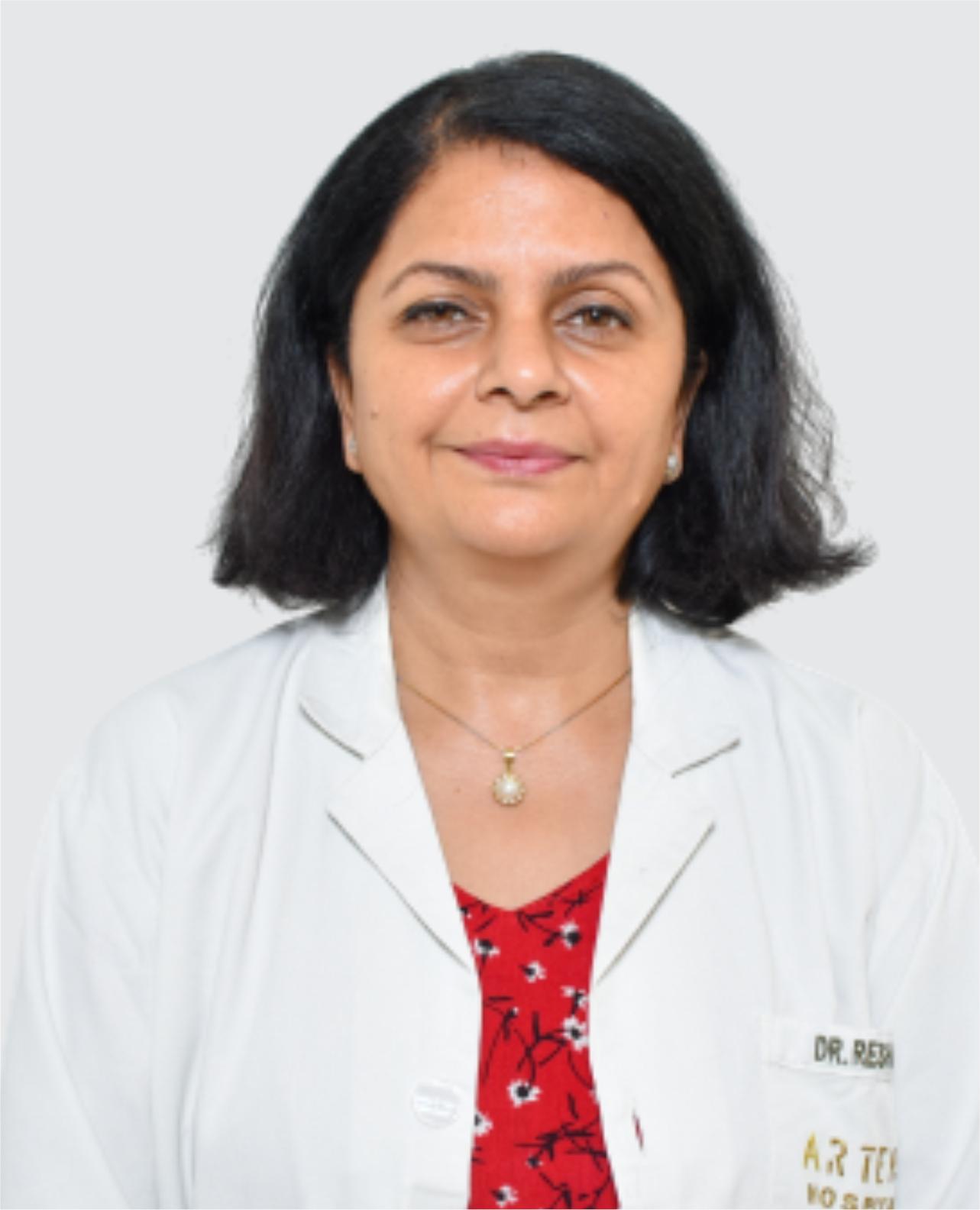
Director
Obstetrics and Gynaecology
New Delhi
19+ Years
Experience
Artemis Hospital
Hospital
1500
Fees
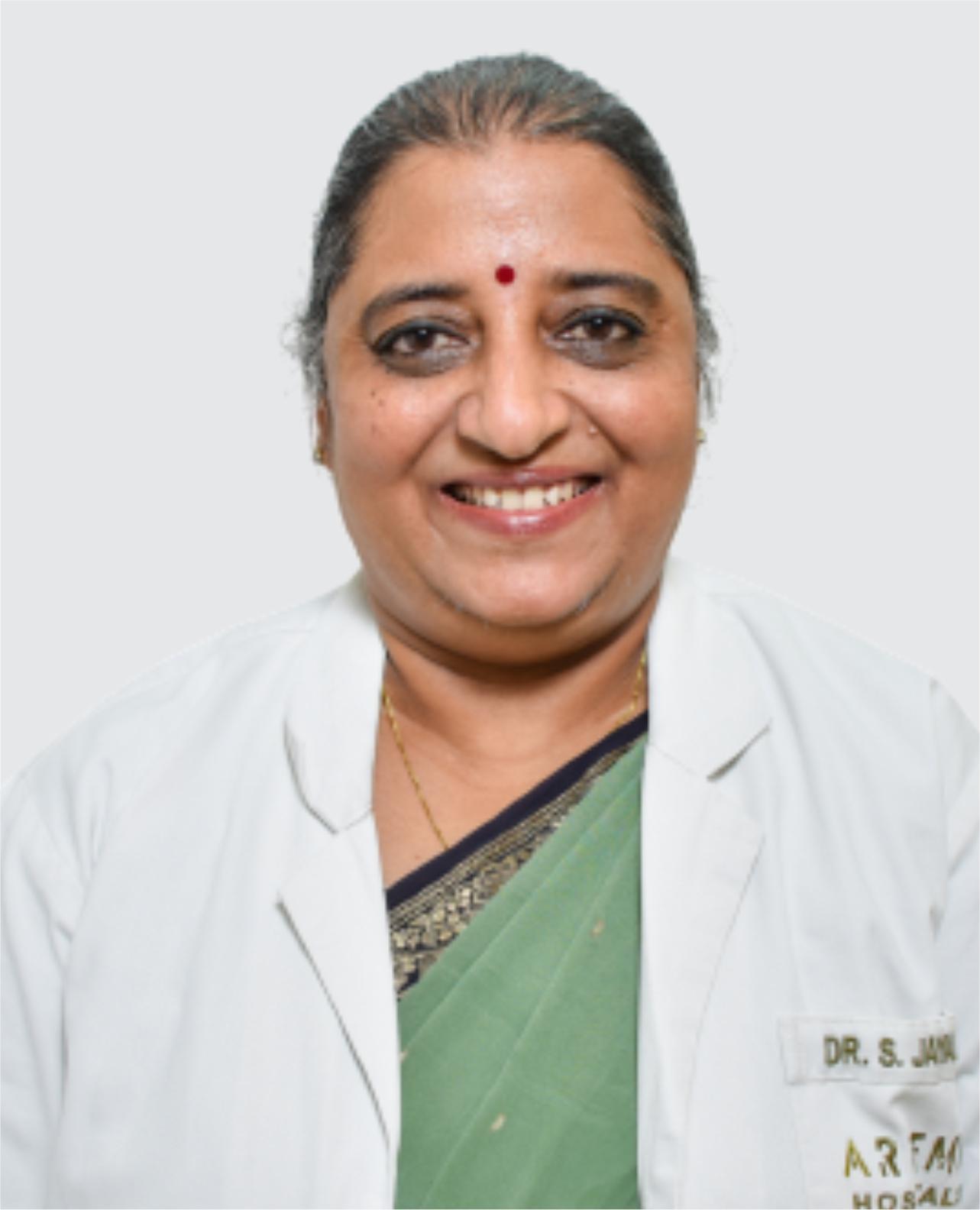
Head - Radiation Oncology & CyberKnife Centre (Unit II)
Oncology
New Delhi
23+ Years
Experience
Artemis Hospital
Hospital
1500
Fees
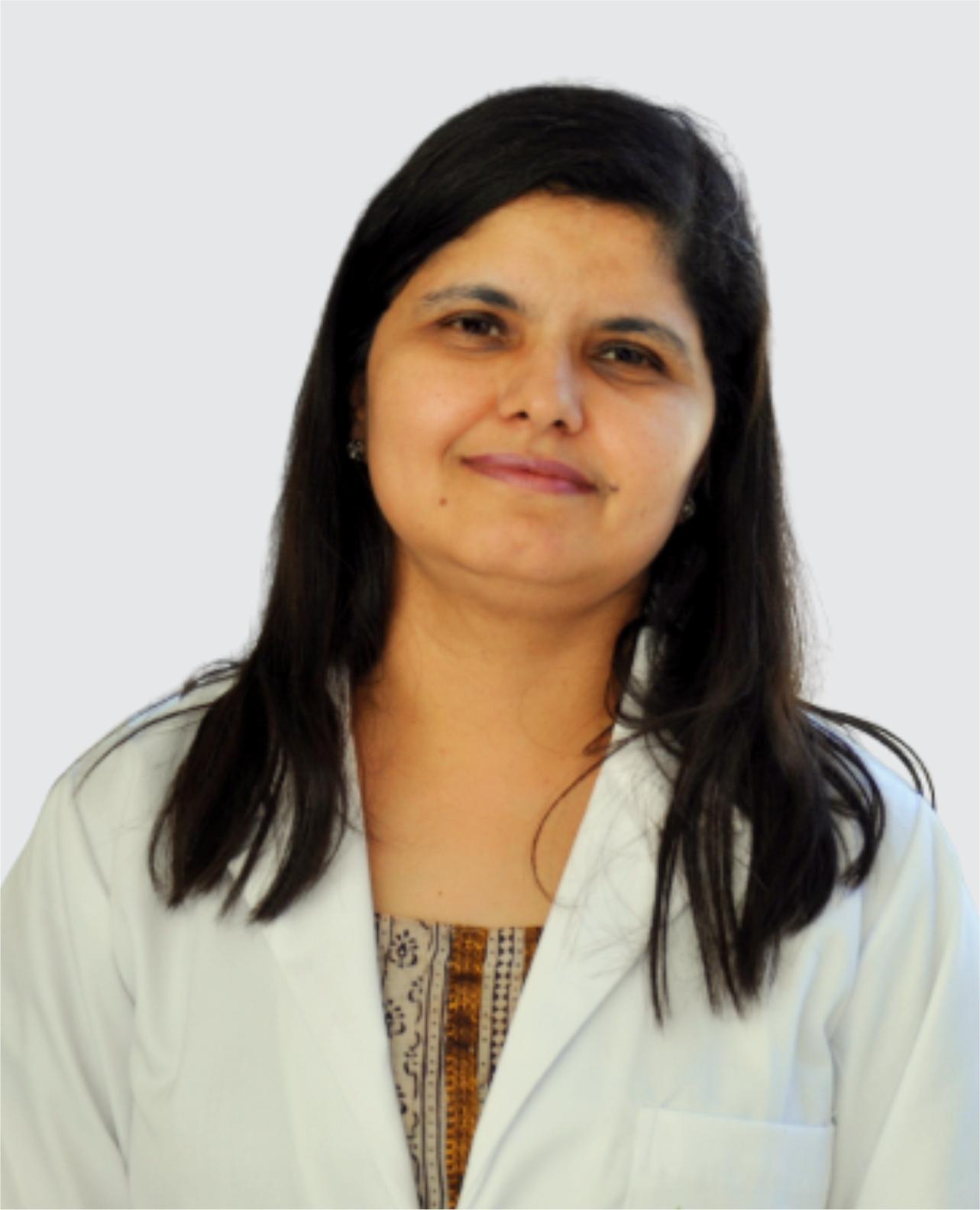
Unit Head & Sr. Consultant - Internal Medicine
Internal Medicine
New Delhi
14+ Years
Experience
Artemis Hospital
Hospital
1500
Fees
Sr. Consultant - Gynaecology & Obstetrics
Gynaecology & Obstetrics
New Delhi
15+ Years
Experience
Apolo Delhi
Hospital
1500
Fees
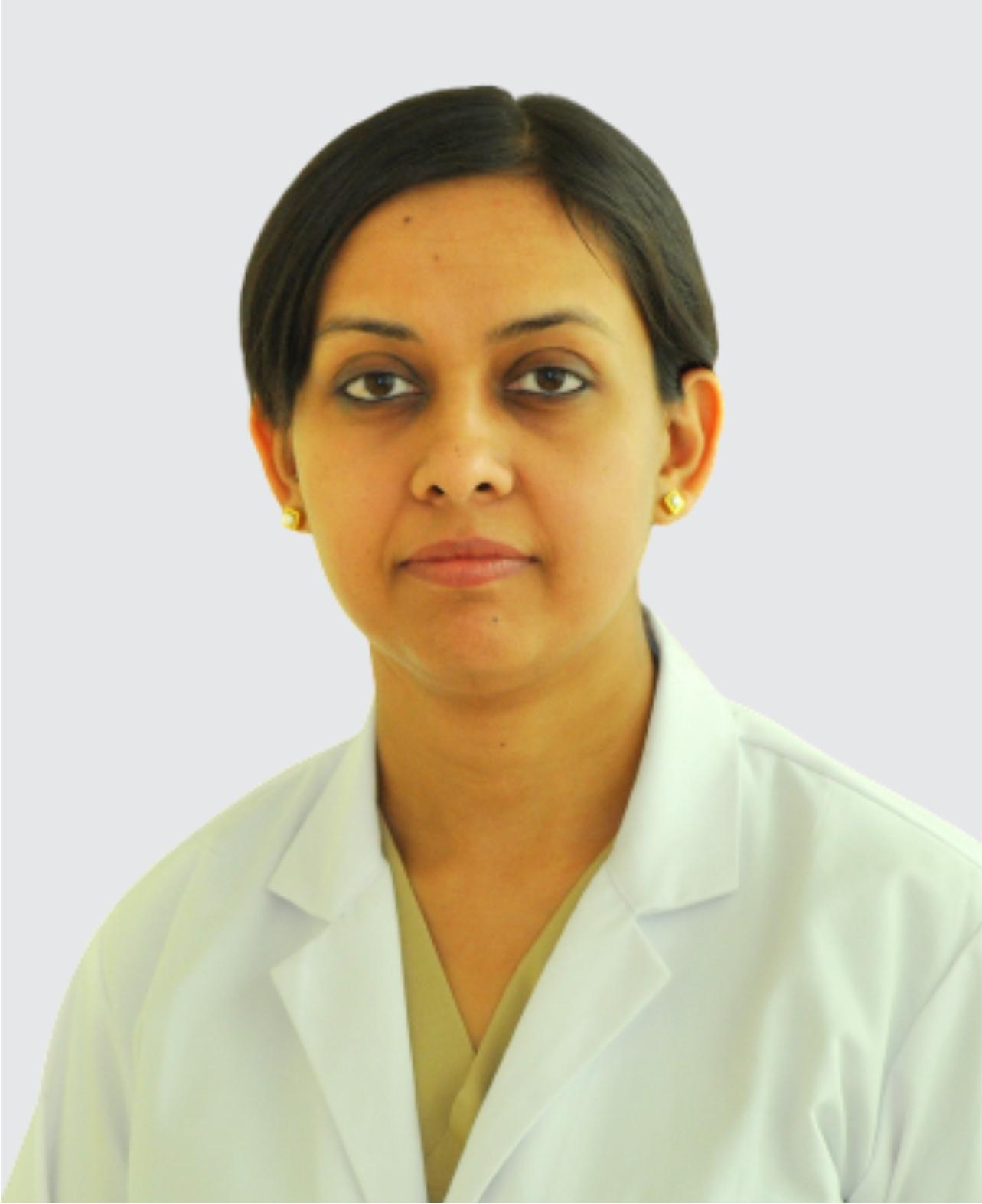
Director
Obstetrics & Gynaecology
New Delhi
15+ Years
Experience
Artemis Hospital
Hospital
1500
Fees
Classified Consultant
Obstetrics & Gynaecology, Maternity, Women's Health
New Delhi
8+ Years
Experience
Artemis Hospital
Hospital
1500
Fees
Consultant
Obstetrics & Gynaecology
New Delhi
8+ Years
Experience
Artemis Hospital
Hospital
1500
Fees
Director, Medical Oncology
Medical Oncology and Haematology
New Delhi
26+ Years
Experience
Max Hospital,Gurgaon
Hospital
1500
Fees
Vice Chairman - Nephrology
Nephrology & Renal Transplant Medicine
New Delhi
17+ Years
Experience
Max Hospital,Gurgaon
Hospital
1500
Fees
Principal Director - Max Lab & Blood Bank Services
Laboratory Medicine, Transfusion Medicine, Pathology
New Delhi
32+ Years
Experience
Max Hospital,Gurgaon
Hospital
1500
Fees
Principal Director - Radiation Oncology
Radiation Oncology
New Delhi
23+ Years
Experience
Max Hospital,Gurgaon
Hospital
1500
Fees
Principal Director – Surgical Oncology (Gynae & Robotic Surgery)
Gynecologic Oncology, Robotic & Laparoscopic Surgery, Gynae Cancer Care, Surgical Oncology
New Delhi
39+ Years
Experience
Max Hospital,Gurgaon
Hospital
1500
Fees
Principal Director & HOD
Paediatrics (Ped)
New Delhi
30+ Years
Experience
Max Hospital,Gurgaon
Hospital
1500
Fees
Principal Director (Obstetrics & Gynaecology) & Head of Unit
Obstetrics, Gynaecology, Gynaecologic Laparoscopy, High-Risk Pregnancy, Endoscopy Surgery
New Delhi
44+ Years
Experience
Max Hospital,Gurgaon
Hospital
1500
Fees
Principal Director - Obstetrics & Gynaecology
Obstetrics And Gynaecology, Robotic Surgery, Gynaecologic Laparoscopy
New Delhi
33+ Years
Experience
Max Hospital,Gurgaon
Hospital
1500
Fees
Sr. Consultant
Obstetrics & Gynaecology
New Delhi
20+ Years
Experience
Apolo Delhi
Hospital
1500
Fees
Sr. Consultant
Obstetrics And Gynaecology
New Delhi
15+ Years
Experience
Apolo Delhi
Hospital
1500
Fees
Senior Consultant - Obstetrics and Gynaecology
Obstetrics and Gynaecology
New Delhi
24+ Years
Experience
Apolo Delhi
Hospital
1500
Fees
Director - Obstetrics & Gynaecology
Obstetrics & Gynaecology
New Delhi
18+ Years
Experience
Apolo Delhi
Hospital
1500
Fees
Senior Consultant
Obstetrics & Gynaecology
New Delhi
22+ Years
Experience
Apolo Delhi
Hospital
1500
Fees
Senior Consultant - Obstetrics & Gynaecology
Obstetrics & Gynaecology
New Delhi
23+ Years
Experience
Apolo Delhi
Hospital
1500
Fees
Senior Consultant
Obstetrics and Gynaecology
New Delhi
24+ Years
Experience
Apolo Delhi
Hospital
1500
Fees
Director
Obstetrics & Gynaecology
New Delhi
20+ Years
Experience
Apolo Delhi
Hospital
1500
Fees
Director
Obstetrics & Gynaecology
New Delhi
22+ Years
Experience
Apolo Delhi
Hospital
1500
Fees
Senior Consultant
Obstetrics and Gynaecology
New Delhi
15+ Years
Experience
Apolo Delhi
Hospital
1500
Fees
Director
Obstetrics & Gynaecology
New Delhi
18+ Years
Experience
Apolo Delhi
Hospital
1500
Fees
Director & Chief of Service - Obstetrics & Gynaecology
Obstetrics & Gynaecology
New Delhi
24+ Years
Experience
Apolo Delhi
Hospital
1500
Fees
Director
Obstetrics & Gynaecology
New Delhi
18+ Years
Experience
Apolo Delhi
Hospital
1500
Fees
احصل على خيارات علاجية شخصية من أفضل مستشفيات الهند. خبراؤنا الطبيون جاهزون لمساعدتك في كل خطوة.