
Pediatric Stroke Treatment Treatment in Gurugram for Nigeria
بحاجة لنصيحة شخصية؟
خبراؤنا الطبيون جاهزون للإجابة عن أسئلتك وإرشادك خلال خيارات العلاج.
خبراؤنا الطبيون جاهزون للإجابة عن أسئلتك وإرشادك خلال خيارات العلاج.
Parents from Nigeria facing a pediatric stroke diagnosis for their child often experience profound worry about finding the best possible care. The complexity of a child's developing brain requires highly specialized treatment, and securing expert medical attention is a paramount concern for families navigating this challenging journey.
Many families choose Gurugram for its focused approach to pediatric neurology and neurosurgery. The city provides a comprehensive care environment, bringing together top specialists and advanced facilities dedicated to children's health, ensuring integrated and coordinated treatment plans from diagnosis through recovery.
Gurugram's hospitals are equipped with state-of-the-art technology and multidisciplinary teams experienced in pediatric stroke management. This dedication ensures that children receive timely interventions, expert follow-ups, and rehabilitative support, all within a well-managed healthcare ecosystem designed for international patients.
Could Gurugram offer the specialized care your child needs?
Pediatric stroke treatment addresses a condition where blood flow to a child's brain is disrupted, leading to brain cell damage. This can occur either from a blockage (ischemic stroke) or bleeding (hemorrhagic stroke). Treatment aims to restore blood flow, prevent further damage, manage symptoms, and support recovery to minimize long-term impact on development and function. It involves a combination of medical, interventional, and rehabilitative approaches tailored to the child's specific type of stroke, age, and overall health.
Focuses on immediate stabilization, including medications to dissolve clots (thrombolytics) for ischemic strokes or manage blood pressure and swelling for hemorrhagic strokes.
May be required for hemorrhagic strokes to relieve pressure from bleeding, repair vascular malformations, or for certain ischemic strokes if medical therapies are insufficient.
Procedures like endovascular thrombectomy to physically remove blood clots in acute ischemic strokes, or coiling/embolization for aneurysms or AVMs in hemorrhagic strokes.
Long-term medication to prevent future strokes, especially in cases of underlying clotting disorders or specific cardiac conditions.
Crucial for recovery, including physical therapy to regain motor skills, occupational therapy for daily activities, speech therapy for communication, and cognitive therapy for learning and memory.
Addressing the root cause of the stroke, such as sickle cell disease, congenital heart defects, or specific genetic disorders, through ongoing medical care.
The specific treatment approach for pediatric stroke is highly individualized, depending on the child's age, the type of stroke, its cause, and the severity of symptoms.
For ischemic stroke, if the child presents within a narrow time window, thrombolytic medications (like tPA) may be administered intravenously to dissolve the clot. Mechanical thrombectomy, a procedure to physically remove the clot using a catheter, might also be considered in select cases. For hemorrhagic stroke, acute management focuses on controlling bleeding, reducing brain swelling, and managing blood pressure. In some instances, neurosurgery may be needed to drain blood clots or repair malformations.
This phase involves medications to prevent future strokes. These may include antiplatelet agents (like aspirin), anticoagulants, or drugs to manage underlying conditions such as sickle cell disease or heart rhythm problems. Regular monitoring of the child's neurological status and medication effects is essential.
Rehabilitation begins as soon as the child is medically stable. It is a cornerstone of pediatric stroke treatment and often continues for an extended period. This includes intensive physical therapy to improve strength and coordination, occupational therapy to enhance daily living skills, and speech and language therapy for communication and swallowing issues. Neuropsychological rehabilitation helps address cognitive challenges, such as memory or learning difficulties, often utilizing age-appropriate play and educational strategies.
Ongoing care involves regular check-ups with pediatric neurologists, neurosurgeons, and other specialists. This ensures continuous monitoring of recovery, adjustment of rehabilitation plans, and proactive management of any potential complications or long-term effects of the stroke.
The recovery journey for a child after a stroke is a gradual process that varies greatly among individuals. Initial recovery focuses on stabilizing the child's medical condition and preventing complications. This is followed by intensive rehabilitation tailored to their specific needs, involving physical, occupational, and speech therapies. Healing time can range from months to years, with ongoing improvements possible over time as the brain adapts. Restrictions on activities might be temporary, guided by the medical team. Consistent follow-up appointments are crucial to monitor progress, adjust therapy plans, and manage any emerging challenges, ensuring the child receives comprehensive support throughout their developmental stages.
The success rate of pediatric stroke treatment is highly variable, influenced by factors such as the child's age, the type and severity of the stroke, the timeliness of intervention, and the intensity of post-stroke rehabilitation. While complete recovery without any lasting deficits is possible for some, many children will experience some degree of long-term challenge. Early diagnosis, immediate medical care, and consistent, tailored rehabilitation significantly improve outcomes. Long-term expectations often focus on maximizing the child's functional independence and quality of life, with many achieving remarkable progress through dedicated support.
The cost of pediatric stroke treatment in Gurugram is determined by several factors, including the specific type of stroke, the complexity of medical or surgical interventions required, the duration of hospital stay, the need for specialized equipment or advanced medications, and the extent of rehabilitation therapies. The choice of hospital and the consulting specialists also play a role in the overall expenses.
For international patients, the estimated cost for comprehensive pediatric stroke treatment in Gurugram can range from approximately INR 5,00,000 to INR 15,00,000.
Gurugram offers a compelling advantage in terms of cost efficiency without compromising on the quality of pediatric stroke care, when compared to many Western countries.
| Location | Estimated Cost Range (USD) |
|---|---|
| Gurugram, India | $6,000 – $18,000 |
| United States | $50,000 – $150,000+ |
| United Kingdom | $40,000 – $100,000+ |
| Canada | $45,000 – $110,000+ |
| Australia | $35,000 – $90,000+ |
| Germany | $30,000 – $80,000+ |
Connect with our patient support team to discuss pediatric stroke treatment in Gurugram, receive a personalized cost estimate, and understand your child's care journey.
Reach out today for expert guidance on pediatric stroke treatment in Gurugram. Our team is here to help you every step of the way.
Choosing the right care for your child is a significant decision. Gurugram's advanced pediatric stroke treatment centers and dedicated support for international patients offer a clear path forward.
India offers premium medical procedures at affordable prices. Discover our most popular treatments, delivered by the country's finest doctors.
Meet our team of highly qualified and experienced medical professionals dedicated to providing the best healthcare services.

Consultant
Paediatric Neurology
Haryana
9+ Years
Experience
Artemis Hospital
Hospital
1500
Fees
Consultant
Paediatric Neurology
Haryana
9+ Years
Experience
Artemis Hospital
Hospital
1500
Fees
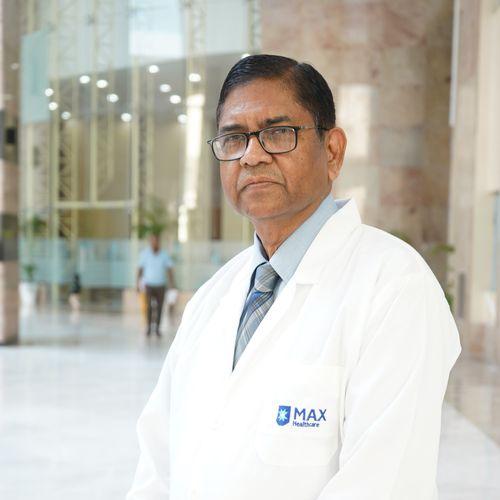
Chairman - Cardiology
Cardiology
New Delhi
41+ Years
Experience
Max Hospital,Gurgaon
Hospital
1500
Fees
احصل على خيارات علاجية شخصية من أفضل مستشفيات الهند. خبراؤنا الطبيون جاهزون لمساعدتك في كل خطوة.