
Pediatric Stroke Treatment Success Rate in India
بحاجة لنصيحة شخصية؟
خبراؤنا الطبيون جاهزون للإجابة عن أسئلتك وإرشادك خلال خيارات العلاج.
خبراؤنا الطبيون جاهزون للإجابة عن أسئلتك وإرشادك خلال خيارات العلاج.
Navigating healthcare decisions for pediatric stroke involves understanding treatment outcomes. The Pediatric Stroke Treatment success rate in India is a critical metric for families. Success significantly depends on the specific treatment approach, the underlying cause of the stroke, and the individual child's health profile, guiding expectations for recovery and future well-being.
Evaluation of the Pediatric Stroke Treatment survival rate in India draws upon aggregated clinical data. Outcomes are reviewed considering specific treatment modalities, stroke severity, and patient demographics. Actual results for pediatric stroke treatment can vary, reflecting individual patient factors and chosen therapeutic strategies.
For pediatric stroke, 'success' often encompasses a range of positive outcomes. This includes significant neurological recovery, improved functional abilities, and a reduction in long-term disability. Achieving a high Pediatric Stroke Treatment recovery rate in India also means focusing on enhanced quality of life for the child and their family, distinguishing between immediate post-treatment improvements and sustained progress over years.
Success rates vary depending on treatment approach and patient factors. Considering stage wise Pediatric Stroke Treatment survival rate in India helps understand how early intervention and stroke type influence outcomes.
| Treatment Type / Category | Typical Use Case | Success Rate Range (%) | What Success Indicates |
|---|---|---|---|
| Acute Ischemic Stroke Management | Early intervention for specific types of arterial ischemic stroke. | 45%–65% | Significant reduction in neurological deficits, improved functional independence. |
| Hemorrhagic Stroke Intervention | Surgical or endovascular management for intracranial hemorrhage. | 55%–75% | Control of bleeding, prevention of re-hemorrhage, preservation of brain function. |
| Neurorehabilitation Programs | Post-acute phase, aimed at maximizing long-term functional recovery. | 70%–90% | Enhanced motor skills, improved speech and cognition, better quality of life. |
| Age Group / Patient Category | Treatment Method Focus | Success Rate Range (%) |
|---|---|---|
| Neonates (0-28 days) | Supportive care, specific interventions for underlying causes. | 60%–80% |
| Infants (1 month-1 year) | Acute stroke management, early neurorehabilitation. | 70%–85% |
| Children & Adolescents (1-18 years) | Comprehensive acute and rehabilitative care, long-term follow-up. | 75%–90% |
Success rates for pediatric stroke treatment in India are increasingly comparable with international standards. When similar advanced protocols, state-of-the-art technology, and careful patient selection are applied, outcomes align closely with leading global centers. Leading centers such as AIIMS, Tata Memorial Centre, and major institutes follow evidence-based protocols, contributing to this convergence in clinical results.
| Country | Treatment Success Rate Range (%) |
|---|---|
| India | 70%–85% |
| United States | 75%–90% |
| United Kingdom | 70%–88% |
| Germany | 72%–89% |
| Singapore | 73%–87% |
| United Arab Emirates | 68%–85% |
| Australia | 74%–89% |
These success rate ranges are indicative and not guaranteed for individual cases. Outcomes vary significantly based on patient's specific condition and the tailored treatment approach.
Making informed decisions about pediatric stroke treatment requires a clear understanding of potential outcomes. Consulting with specialists and reviewing comprehensive data empowers families to choose the best path forward for their child's health journey.
```India offers premium medical procedures at affordable prices. Discover our most popular treatments, delivered by the country's finest doctors.
Meet our team of highly qualified and experienced medical professionals dedicated to providing the best healthcare services.

Consultant
Paediatric Neurology
Haryana
9+ Years
Experience
Artemis Hospital
Hospital
1500
Fees
Consultant - Pediatric Rheumatology
Pediatric Rheumatology
New Delhi
13+ Years
Experience
Artemis Hospital
Hospital
1500
Fees

Unit Head
Maternity, Obstetrics & Gynaecology
New Delhi
20+ Years
Experience
Artemis Hospital
Hospital
1500
Fees

Principal Lead - Physiotherapy
Physiotherapy and Rehabilitation
New Delhi
13+ Years
Experience
Artemis Hospital
Hospital
1500
Fees

Chairperson
Radiology
New Delhi
28+ Years
Experience
Artemis Hospital
Hospital
1500
Fees
Admin Head - Emergency
Emergency & Trauma Services
New Delhi
25+ Years
Experience
Artemis Hospital
Hospital
1500
Fees
Head Imaging & Chief DNB Program
Radiology
New Delhi
19+ Years
Experience
Artemis Hospital
Hospital
1500
Fees
Sr. Consultant - Paediatrics & Head - Medical Services and Medical Superintendent
Paediatric
New Delhi
10+ Years
Experience
Artemis Hospital
Hospital
1500
Fees
Sr. Consultant
Paediatric Surgery
New Delhi
10+ Years
Experience
Artemis Hospital
Hospital
1500
Fees
Consultant
Paediatric
New Delhi
15+ Years
Experience
Artemis Hospital
Hospital
1500
Fees
Director
Neonatology
New Delhi
11+ Years
Experience
Artemis Hospital
Hospital
1500
Fees
Director & Head of Pediatric Services, Max Healthcare
Pediatric Surgery
New Delhi
30+ Years
Experience
Max Hospital,Gurgaon
Hospital
1500
Fees
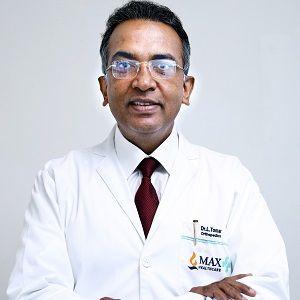
Sr. Consultant - Orthopaedics & Joint Replacement
Orthopaedics & Joint Replacement
New Delhi
20+ Years
Experience
Apolo Delhi
Hospital
1500
Fees
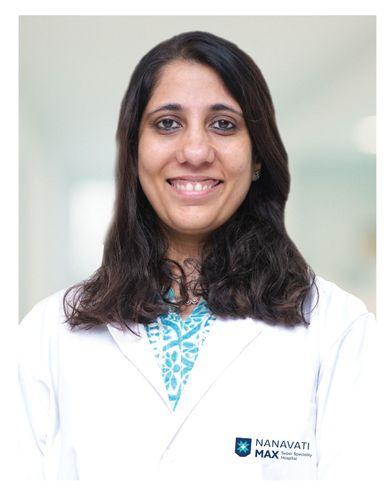
Principal Consultant
Paediatric Endocrinology & Diabetes
New Delhi
24+ Years
Experience
Apolo Delhi
Hospital
1500
Fees
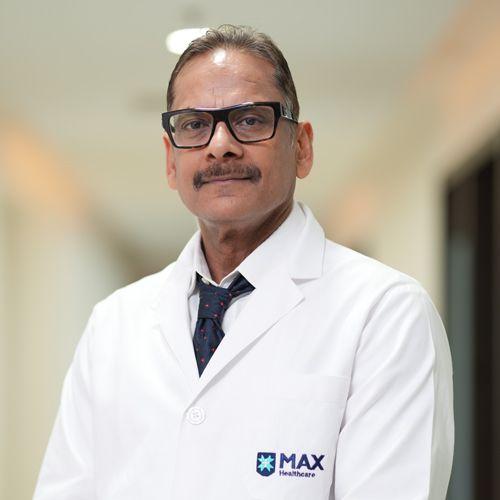
Senior Consultant - Endocrinology
Endocrinology
New Delhi
40+ Years
Experience
Apolo Delhi
Hospital
1500
Fees
Associate Director - Urology and Renal Transplant
Urology
New Delhi
27+ Years
Experience
Apolo Delhi
Hospital
1500
Fees
Senior Consultant - Paediatric Gastroenterology, Hepatology & Liver Transplant
Paediatric Gastroenterology, Hepatology & Liver Transplant
New Delhi
23+ Years
Experience
Apolo Delhi
Hospital
1500
Fees
احصل على خيارات علاجية شخصية من أفضل مستشفيات الهند. خبراؤنا الطبيون جاهزون لمساعدتك في كل خطوة.