
Pediatric Stroke Treatment Treatment in India for Ethiopia
بحاجة لنصيحة شخصية؟
خبراؤنا الطبيون جاهزون للإجابة عن أسئلتك وإرشادك خلال خيارات العلاج.
خبراؤنا الطبيون جاهزون للإجابة عن أسئلتك وإرشادك خلال خيارات العلاج.
As parents from Ethiopia, finding advanced, specialized care for a child's pediatric stroke can feel overwhelming. The suddenness and complexity of a stroke in a young one bring unique anxieties, making every decision about their health crucial. You seek the best possible outcome for your child's recovery and future.
Many families facing such critical diagnoses find themselves looking beyond local borders for medical excellence. India has emerged as a preferred destination, offering world-class pediatric neurology and neurosurgery services across its leading cities. Access to diverse medical expertise is a key factor.
India's nationwide medical system, supported by numerous JCI and NABH accredited hospitals, has built a strong reputation for high-quality patient care. These facilities house dedicated pediatric specialists, ensuring comprehensive and compassionate treatment pathways for complex conditions like pediatric stroke.
Ready to explore India’s advanced pediatric stroke care options?
Discover India's leading hospitals for pediatric stroke treatment.
Reach out to our patient support team for personalized guidance.
Pediatric stroke treatment focuses on managing a stroke that occurs in children from birth through age 18. It involves immediate medical interventions to minimize brain damage and long-term therapies to aid recovery. The goal is to restore function, prevent future strokes, and help the child achieve their developmental potential. Treatment plans are highly individualized, addressing the specific cause, type, and impact of the stroke on the child's developing brain.
The treatment approach for pediatric stroke is highly dependent on the child's specific condition, the type of stroke, and its underlying cause.
In cases of acute ischemic stroke, treatments may include intravenous thrombolysis (clot-busting medication) for eligible children or endovascular thrombectomy to mechanically remove a clot. Hemorrhagic strokes require managing intracranial pressure, controlling bleeding, and sometimes surgical intervention to remove hematomas or repair vessel abnormalities like aneurysms or AVMs.
After the acute phase, children often receive medications to prevent future strokes, such as antiplatelet agents (e.g., aspirin) or anticoagulants. Medications may also be prescribed to manage seizures, spasticity, or other neurological symptoms.
A crucial component is intensive rehabilitation. Physical therapy helps improve motor skills and strength. Occupational therapy focuses on fine motor skills and daily activities. Speech therapy addresses communication, feeding, and swallowing difficulties. Neuropsychological evaluation and support are also provided to manage cognitive and behavioral challenges.
If an underlying condition like sickle cell disease, vasculitis, or a heart defect is identified as the cause, specific treatments for these conditions are integrated into the overall care plan to reduce stroke recurrence risk.
Recovery from pediatric stroke is a long and dynamic journey, varying greatly among children. It involves ongoing intensive rehabilitation, including physical, occupational, and speech therapies, often for months or even years. Regular follow-up appointments with neurologists and rehabilitation specialists are essential to monitor progress, adjust therapies, and manage any emerging complications. The goal is to maximize functional independence and reintegrate the child into their school and social environments.
The success rate for pediatric stroke treatment has significantly improved with advances in diagnosis and intervention. While complete recovery is not always possible, early and comprehensive treatment can lead to substantial functional improvements and a good quality of life for many children. Outcomes depend on factors like stroke severity, promptness of treatment, age of the child, and consistent adherence to rehabilitation. Long-term success is measured by the child's ability to participate in daily activities and continue their development.
The cost of pediatric stroke treatment in India is notably more affordable compared to many Western countries, without compromising on quality. Several factors influence the final cost, including the specific type of stroke, the complexity of necessary interventions (medical vs. surgical), the duration of hospital stay, the choice of hospital facility, and the expertise of the attending pediatric specialists.
Generally, pediatric stroke treatment in India can range from approximately INR 6,00,000 to INR 16,00,000, depending on the comprehensive care plan required.
| City in India | Estimated Cost (INR) |
|---|---|
| Delhi | 7,00,000 - 15,00,000 |
| Mumbai | 8,00,000 - 16,00,000 |
| Chennai | 7,50,000 - 15,50,000 |
| Bangalore | 7,20,000 - 15,20,000 |
| Hyderabad | 6,80,000 - 14,80,000 |
| Kolkata | 6,50,000 - 14,50,000 |
| Ahmedabad | 6,00,000 - 14,00,000 |
| Pune | 6,90,000 - 14,90,000 |
| Country | Estimated Cost (USD) |
|---|---|
| India | $7,000 - $20,000 |
| United States | $50,000 - $150,000 |
| United Kingdom | $45,000 - $130,000 |
| Singapore | $40,000 - $120,000 |
| Thailand | $30,000 - $90,000 |
| Germany | $40,000 - $120,000 |
Planning your child's treatment? Get a personalized cost estimate today.
Connect with top pediatric neurologists in India for an expert opinion.
Choosing the right path for your child’s pediatric stroke treatment is a profound decision. India offers advanced medical care coupled with compassionate support for Ethiopian families seeking hope and effective solutions.
India offers premium medical procedures at affordable prices. Discover our most popular treatments, delivered by the country's finest doctors.
Meet our team of highly qualified and experienced medical professionals dedicated to providing the best healthcare services.

Consultant
Paediatric Neurology
Haryana
9+ Years
Experience
Artemis Hospital
Hospital
1500
Fees

Sr. Consultant – Women Imaging
Radiology
New Delhi
15+ Years
Experience
Artemis Hospital
Hospital
1500
Fees
Co-Head Psychological Services
Mental Health and Behavioural Sciences
New Delhi
15+ Years
Experience
Artemis Hospital
Hospital
1500
Fees
Head of Department - Gynae Endocrinology & DNB Program Director - Obs & Gynae
Gynaecological Endocrinology, Maternity, Obstetrics & Gynaecology
New Delhi
35+ Years
Experience
Artemis Hospital
Hospital
1500
Fees

Senior Consultant - ENT
ENT and Head & Neck Surgery
New Delhi
24+ Years
Experience
Artemis Hospital
Hospital
1500
Fees

Consultant (Head & Neck Surgery) - Surgical Oncology
Head and Neck Surgical Oncology
New Delhi
10+ Years
Experience
Artemis Hospital
Hospital
1500
Fees

Chairperson - Gynae Oncology
Gynaecological Oncology
New Delhi
16+ Years
Experience
Artemis Hospital
Hospital
1500
Fees
Unit Head - Reproductive Medicine (Unit II)
IVF, Reproductive Medicine, Obstetrics & Gynecology
New Delhi
20+ Years
Experience
Artemis Hospital
Hospital
1500
Fees
Sr. Consultant - Obs & Gynae
Maternity, Obstetrics & Gynaecology
New Delhi
15+ Years
Experience
Artemis Hospital
Hospital
1500
Fees

Unit Head - Obs & Gynae
Maternity, Obstetrics & Gynaecology
New Delhi
19+ Years
Experience
Artemis Hospital
Hospital
1500
Fees
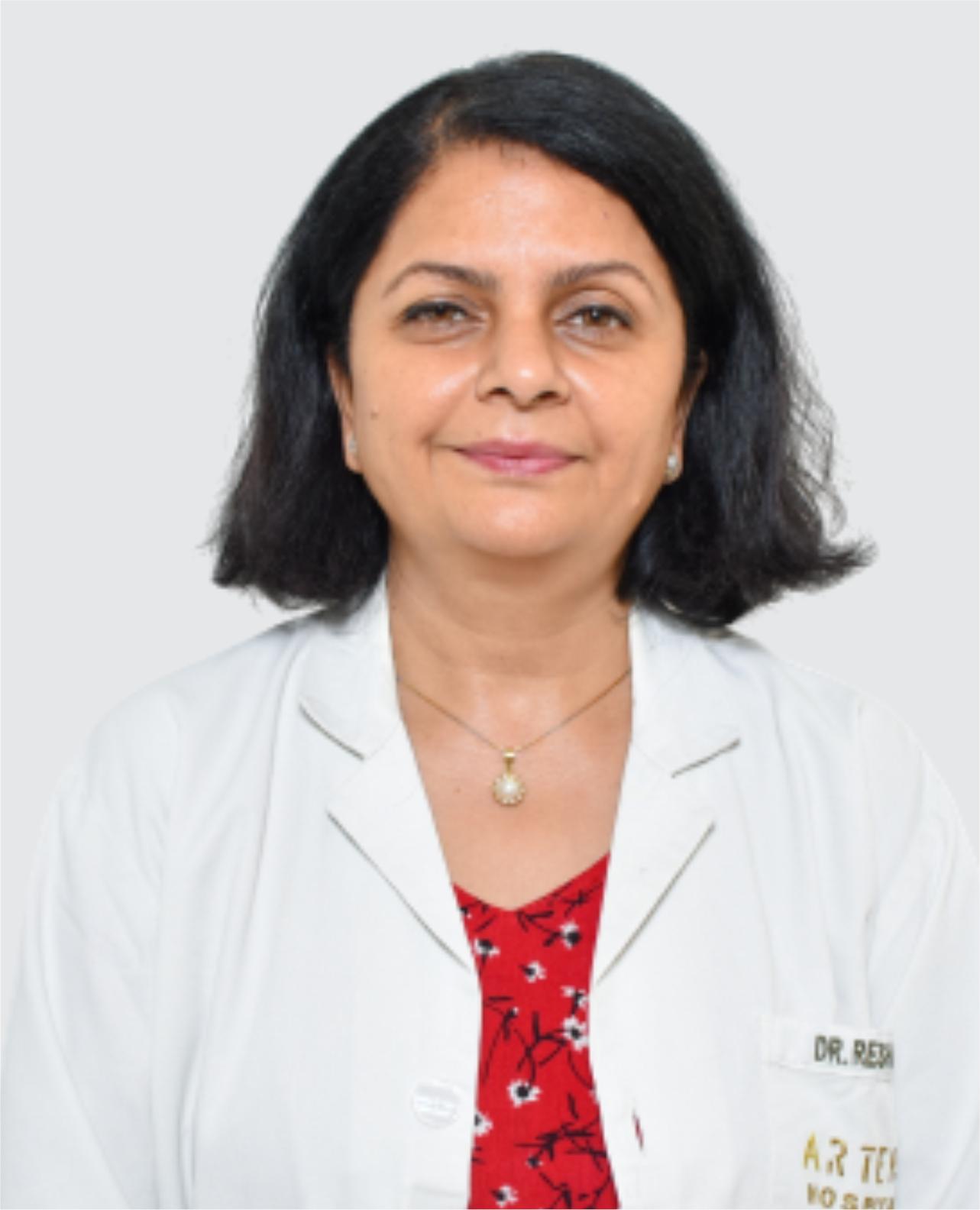
Director
Obstetrics and Gynaecology
New Delhi
19+ Years
Experience
Artemis Hospital
Hospital
1500
Fees
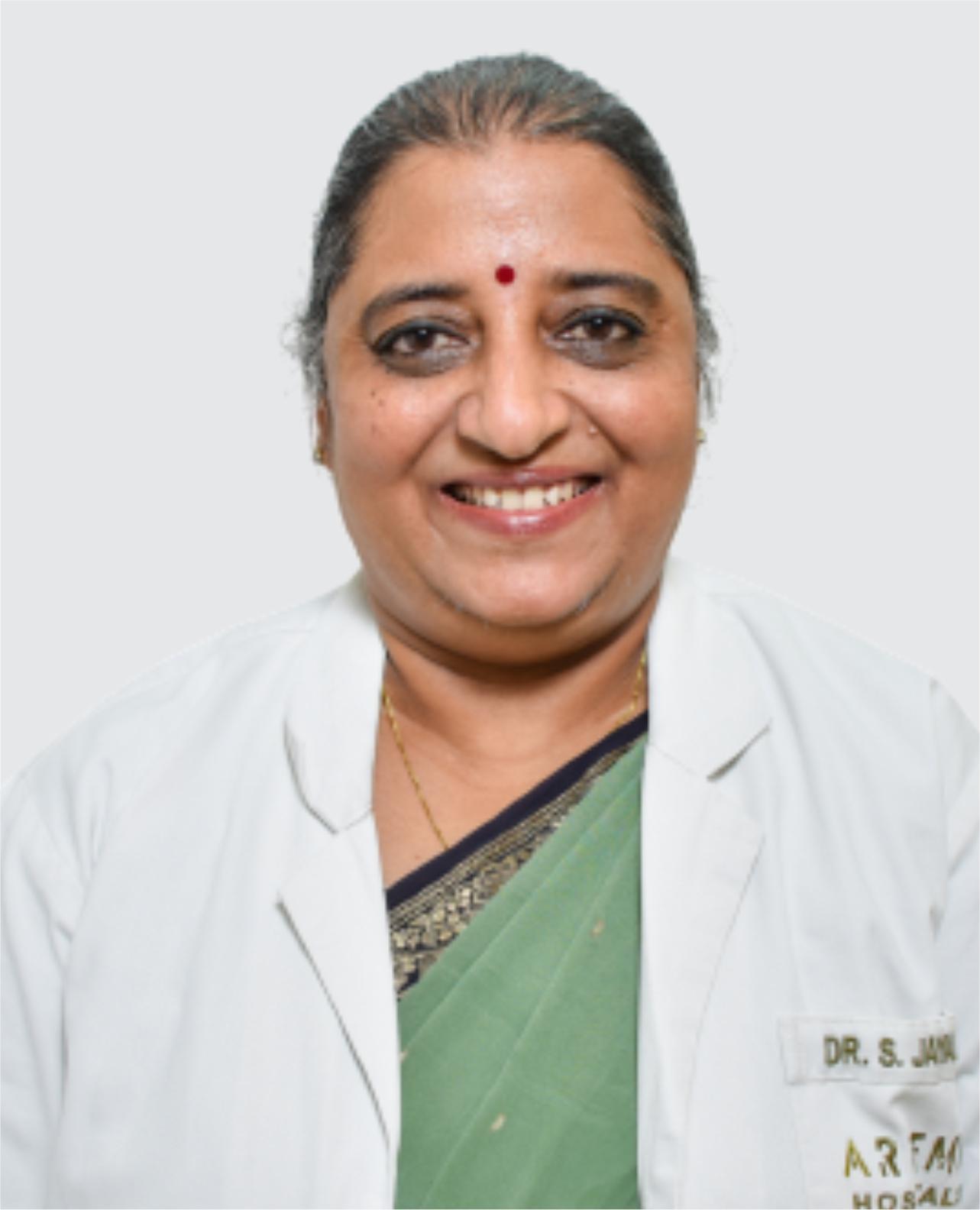
Head - Radiation Oncology & CyberKnife Centre (Unit II)
Oncology
New Delhi
23+ Years
Experience
Artemis Hospital
Hospital
1500
Fees
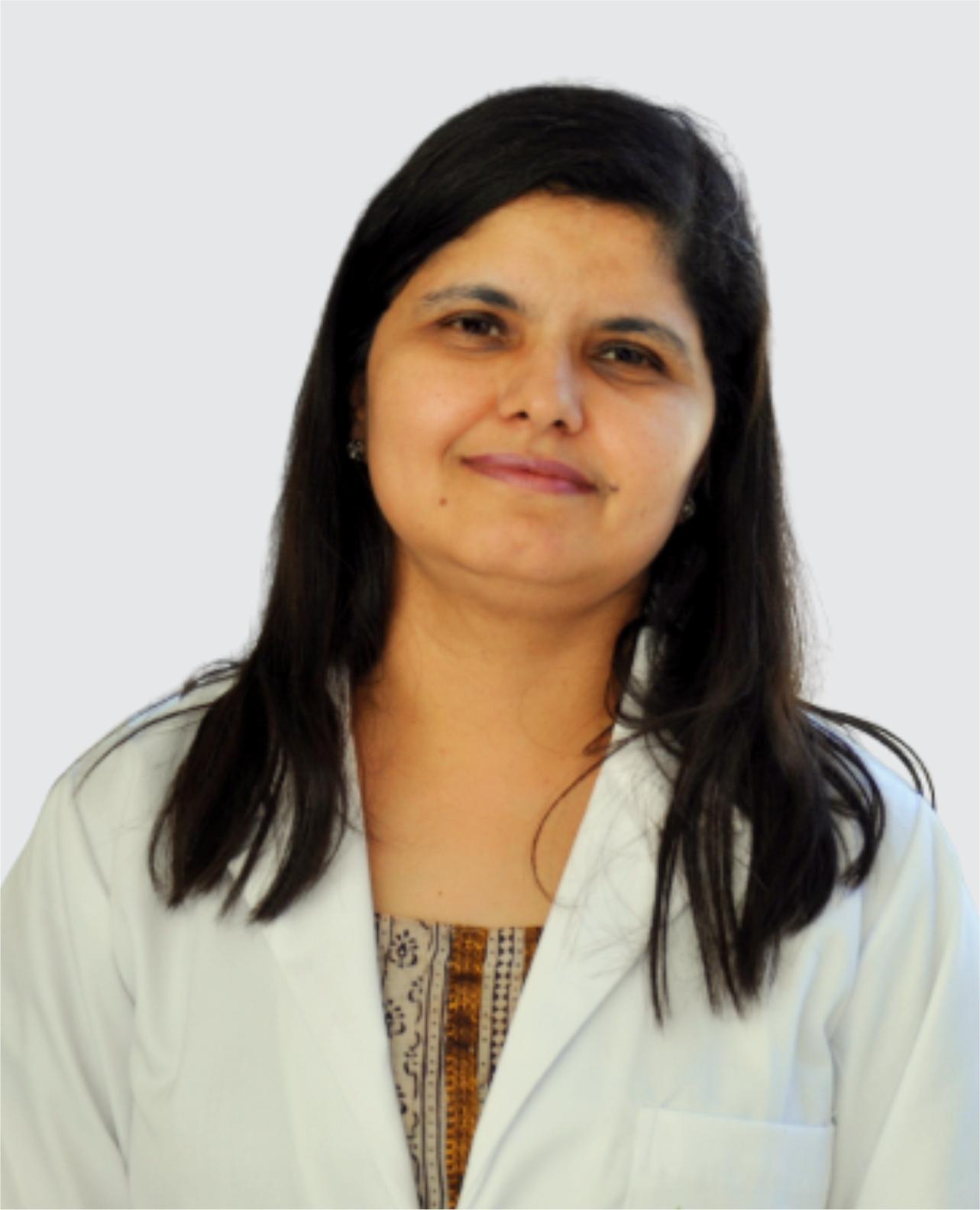
Unit Head & Sr. Consultant - Internal Medicine
Internal Medicine
New Delhi
14+ Years
Experience
Artemis Hospital
Hospital
1500
Fees
Sr. Consultant - Gynaecology & Obstetrics
Gynaecology & Obstetrics
New Delhi
15+ Years
Experience
Apolo Delhi
Hospital
1500
Fees
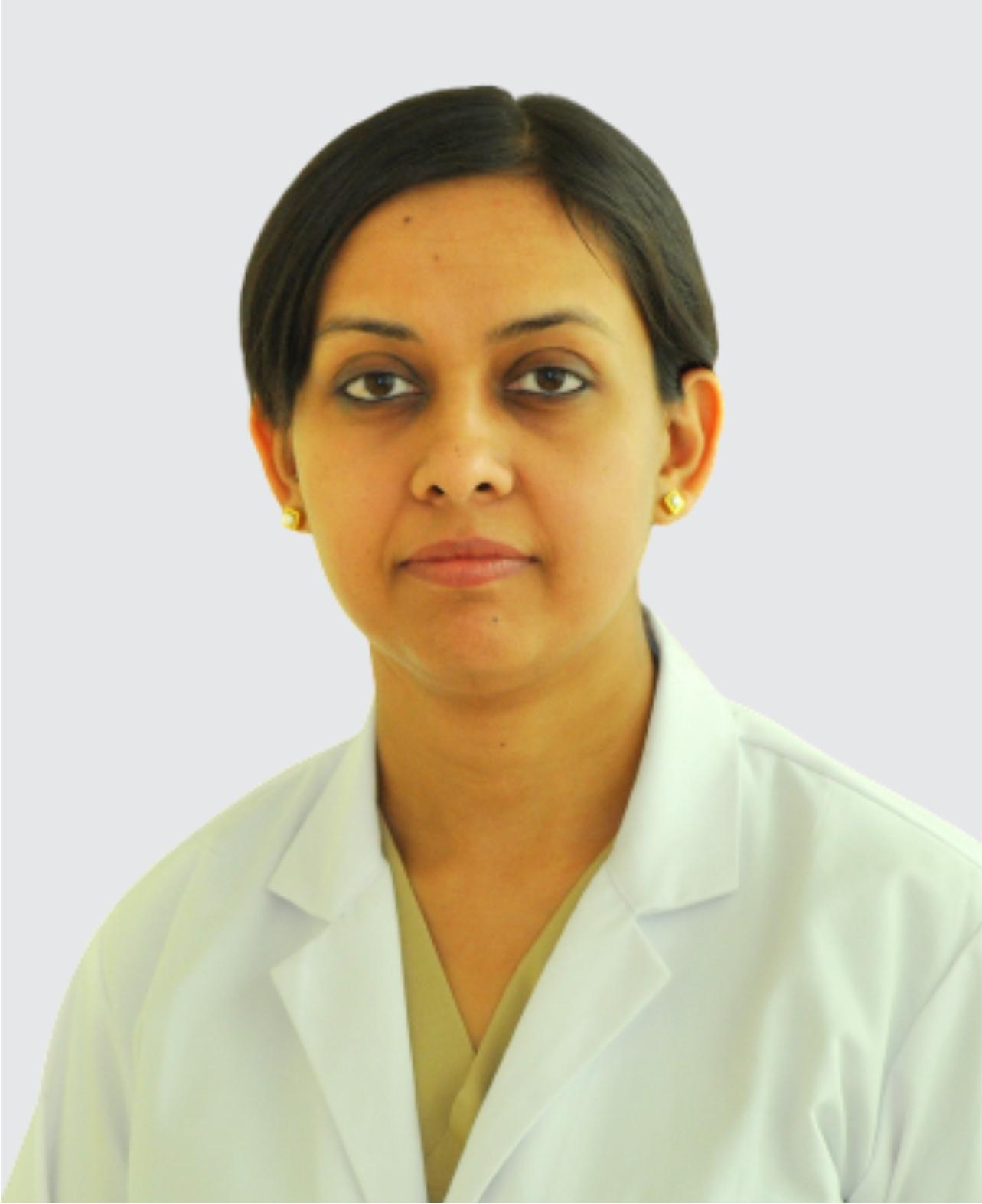
Director
Obstetrics & Gynaecology
New Delhi
15+ Years
Experience
Artemis Hospital
Hospital
1500
Fees
Classified Consultant
Obstetrics & Gynaecology, Maternity, Women's Health
New Delhi
8+ Years
Experience
Artemis Hospital
Hospital
1500
Fees
Consultant
Obstetrics & Gynaecology
New Delhi
8+ Years
Experience
Artemis Hospital
Hospital
1500
Fees
Director, Medical Oncology
Medical Oncology and Haematology
New Delhi
26+ Years
Experience
Max Hospital,Gurgaon
Hospital
1500
Fees
Vice Chairman - Nephrology
Nephrology & Renal Transplant Medicine
New Delhi
17+ Years
Experience
Max Hospital,Gurgaon
Hospital
1500
Fees
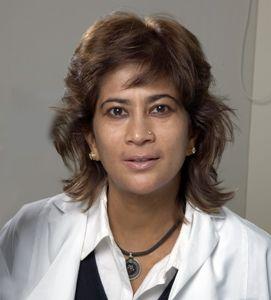
Principal Director - Max Lab & Blood Bank Services
Laboratory Medicine, Transfusion Medicine, Pathology
New Delhi
32+ Years
Experience
Max Hospital,Gurgaon
Hospital
1500
Fees
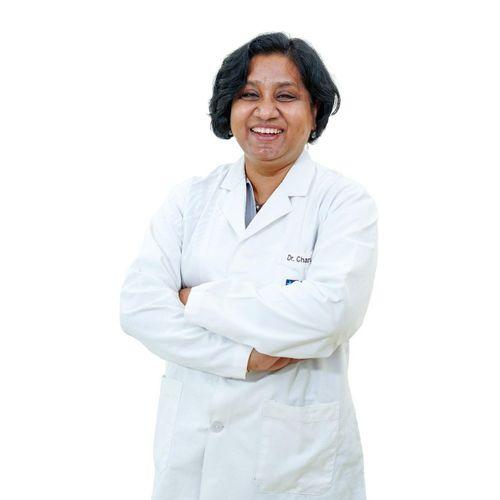
Principal Director - Radiation Oncology
Radiation Oncology
New Delhi
23+ Years
Experience
Max Hospital,Gurgaon
Hospital
1500
Fees
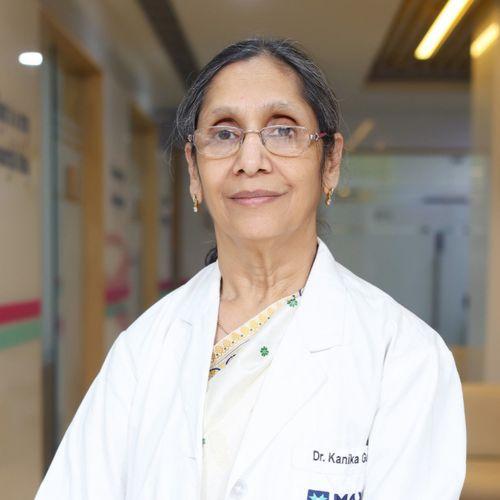
Principal Director – Surgical Oncology (Gynae & Robotic Surgery)
Gynecologic Oncology, Robotic & Laparoscopic Surgery, Gynae Cancer Care, Surgical Oncology
New Delhi
39+ Years
Experience
Max Hospital,Gurgaon
Hospital
1500
Fees
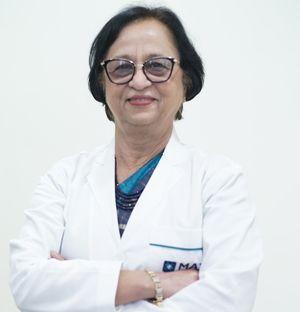
Principal Director & HOD
Paediatrics (Ped)
New Delhi
30+ Years
Experience
Max Hospital,Gurgaon
Hospital
1500
Fees
Principal Director (Obstetrics & Gynaecology) & Head of Unit
Obstetrics, Gynaecology, Gynaecologic Laparoscopy, High-Risk Pregnancy, Endoscopy Surgery
New Delhi
44+ Years
Experience
Max Hospital,Gurgaon
Hospital
1500
Fees
Principal Director - Obstetrics & Gynaecology
Obstetrics And Gynaecology, Robotic Surgery, Gynaecologic Laparoscopy
New Delhi
33+ Years
Experience
Max Hospital,Gurgaon
Hospital
1500
Fees
Sr. Consultant
Obstetrics & Gynaecology
New Delhi
20+ Years
Experience
Apolo Delhi
Hospital
1500
Fees
Sr. Consultant
Obstetrics And Gynaecology
New Delhi
15+ Years
Experience
Apolo Delhi
Hospital
1500
Fees
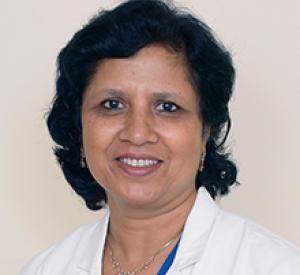
Senior Consultant - Obstetrics and Gynaecology
Obstetrics and Gynaecology
New Delhi
24+ Years
Experience
Apolo Delhi
Hospital
1500
Fees
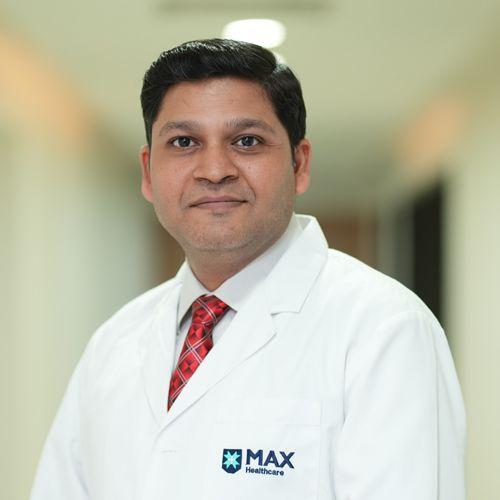
Director - Obstetrics & Gynaecology
Obstetrics & Gynaecology
New Delhi
18+ Years
Experience
Apolo Delhi
Hospital
1500
Fees
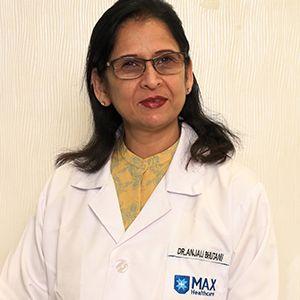
Senior Consultant
Obstetrics & Gynaecology
New Delhi
22+ Years
Experience
Apolo Delhi
Hospital
1500
Fees
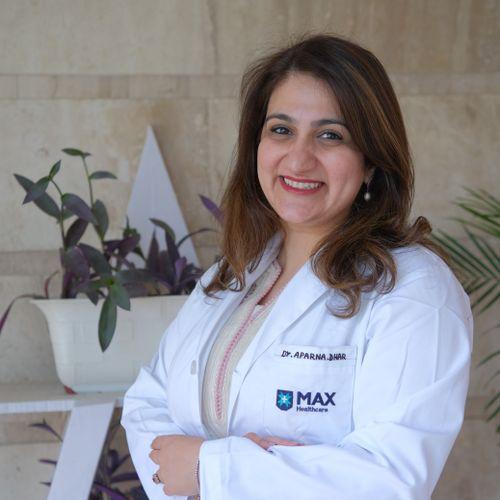
Senior Consultant - Obstetrics & Gynaecology
Obstetrics & Gynaecology
New Delhi
23+ Years
Experience
Apolo Delhi
Hospital
1500
Fees
Senior Consultant
Obstetrics and Gynaecology
New Delhi
24+ Years
Experience
Apolo Delhi
Hospital
1500
Fees
Director
Obstetrics & Gynaecology
New Delhi
20+ Years
Experience
Apolo Delhi
Hospital
1500
Fees
Director
Obstetrics & Gynaecology
New Delhi
22+ Years
Experience
Apolo Delhi
Hospital
1500
Fees
Senior Consultant
Obstetrics and Gynaecology
New Delhi
15+ Years
Experience
Apolo Delhi
Hospital
1500
Fees
Director
Obstetrics & Gynaecology
New Delhi
18+ Years
Experience
Apolo Delhi
Hospital
1500
Fees
Director & Chief of Service - Obstetrics & Gynaecology
Obstetrics & Gynaecology
New Delhi
24+ Years
Experience
Apolo Delhi
Hospital
1500
Fees
Director
Obstetrics & Gynaecology
New Delhi
18+ Years
Experience
Apolo Delhi
Hospital
1500
Fees
احصل على خيارات علاجية شخصية من أفضل مستشفيات الهند. خبراؤنا الطبيون جاهزون لمساعدتك في كل خطوة.