
بحاجة لنصيحة شخصية؟
خبراؤنا الطبيون جاهزون للإجابة عن أسئلتك وإرشادك خلال خيارات العلاج.
خبراؤنا الطبيون جاهزون للإجابة عن أسئلتك وإرشادك خلال خيارات العلاج.
Parents in Bangladesh seeking advanced pediatric epilepsy surgery for their children often face significant concerns. The uncertainty surrounding complex brain procedures, specialist availability, and post-operative care can be overwhelming. Finding a trusted medical destination is a critical part of their child's treatment journey.
Many families choose to explore medical options beyond their home country when specialized care is needed. Bengaluru stands out as a preferred hub, offering a unique blend of cutting-edge medical technology and highly skilled neurosurgical teams dedicated to pediatric cases. This city provides a comprehensive care environment for international patients.
Bengaluru's leading hospitals are equipped with advanced diagnostic tools and state-of-the-art operating theaters, staffed by internationally trained neurosurgeons and pediatric neurologists. The city’s medical infrastructure is designed to support not just the surgery, but also extensive pre-operative evaluations and long-term follow-up care, ensuring continuity and peace of mind.
Bengaluru provides a well-coordinated and accessible pathway for pediatric epilepsy surgery.
Pediatric epilepsy surgery is a specialized neurosurgical procedure performed on children to stop or significantly reduce seizures when medication fails to control them effectively. This intervention aims to identify and remove or alter the area of the brain causing the seizures. The goal is to improve the child's quality of life, allowing for better cognitive development, social interaction, and overall well-being by achieving seizure freedom or substantial seizure reduction. It is typically considered for children with drug-resistant epilepsy, where at least two appropriate anti-seizure medications have failed.
Different surgical approaches are available, tailored to the specific type of epilepsy and its origin in the brain:
The specific surgical procedure for pediatric epilepsy depends entirely on the child's diagnosis, the location of the seizure focus, and the overall treatment plan.
Most epilepsy surgeries involve meticulous planning and execution. The child is given general anesthesia. The neurosurgeon then carefully creates an opening in the skull (craniotomy) to access the brain. Using advanced imaging and intraoperative monitoring, the precise area causing seizures is identified. Depending on the type of surgery, this tissue is either removed, disconnected, or ablated. For VNS, a small device is implanted under the skin. After the procedure, the skull opening is closed, and the incision is sutured. The surgical team works diligently to preserve healthy brain tissue and minimize risks.
After pediatric epilepsy surgery, the child will typically spend a few days in the hospital for close monitoring and pain management. Initial recovery involves rest and observation. Depending on the type of surgery, a child may need rehabilitation therapy, such as physical therapy, occupational therapy, or speech therapy, to regain or improve function. Follow-up appointments with the neurologist and neurosurgeon are crucial to monitor seizure activity, adjust medications if necessary, and assess the child's overall progress and development. Healing time varies, but a gradual return to normal activities is usually encouraged under medical guidance.
The success rate of pediatric epilepsy surgery varies significantly depending on the type of epilepsy, its cause, the child's age, and the specific surgical procedure performed. Many children experience significant seizure reduction or even become seizure-free, which can profoundly improve their development and quality of life. However, outcomes are not guaranteed, and some children may still require medication post-surgery. Long-term follow-up is essential to monitor results and manage any ongoing challenges, offering the best possible chance for a positive long-term outlook.
The cost of pediatric epilepsy surgery in Bengaluru can vary based on several factors. These include the specific type of surgery performed, the complexity of the child's condition, the choice of hospital and its facilities, the experience of the surgical team, and the duration of hospital stay, including any required ICU time. Diagnostic tests and post-operative rehabilitation also contribute to the overall expense.
Typically, the cost for Pediatric Epilepsy Surgery in Bengaluru ranges from INR 6,00,000 to INR 20,00,000, depending on the complexity.
Bengaluru offers a significant cost advantage for advanced pediatric neurosurgical procedures compared to many Western countries, without compromising on quality or outcomes. This makes it an attractive destination for families seeking specialized care.
| Location | Estimated Cost (USD) |
|---|---|
| Bengaluru, India | $7,000 - $25,000 |
| United States | $50,000 - $150,000+ |
| United Kingdom | $40,000 - $100,000+ |
| Singapore | $35,000 - $90,000+ |
| Germany | $30,000 - $80,000+ |
Connect with Bengaluru's leading pediatric neurologists and neurosurgeons. Get a personalized consultation and a detailed treatment plan today.
Our team is here to provide clarity and guide you through every step. Reach out for a free medical opinion and treatment plan from Bengaluru's specialists.
Bengaluru offers hope and advanced medical solutions for pediatric epilepsy, ensuring comprehensive care and support for international patients.
India offers premium medical procedures at affordable prices. Discover our most popular treatments, delivered by the country's finest doctors.
Meet our team of highly qualified and experienced medical professionals dedicated to providing the best healthcare services.
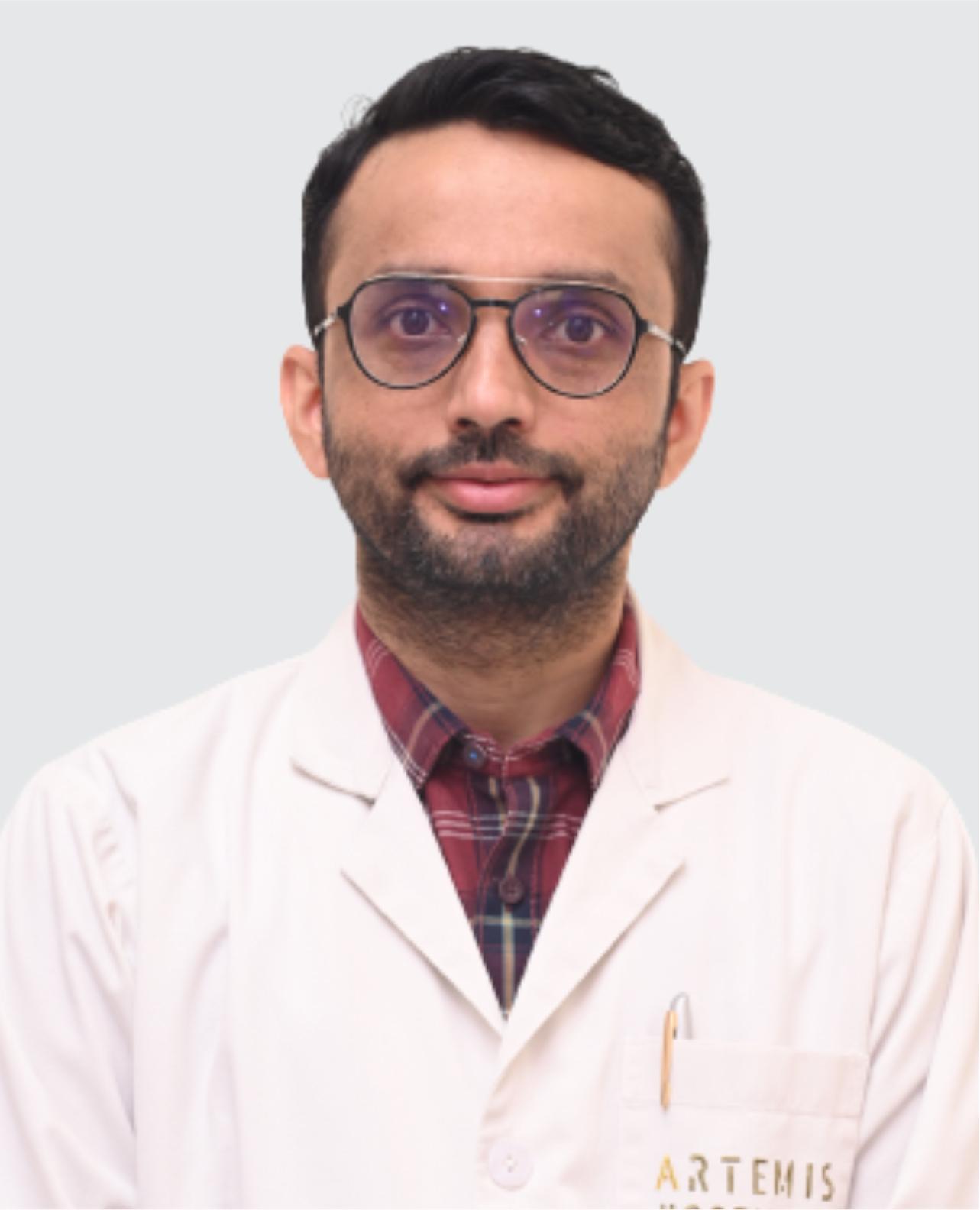
Sr. Consultant-Neurology & Epilepsy
Neurology & Epilepsy
New Delhi
15+ Years
Experience
Artemis Hospital
Hospital
1500
Fees

Consultant
Paediatric Neurology
Haryana
9+ Years
Experience
Artemis Hospital
Hospital
1500
Fees
احصل على خيارات علاجية شخصية من أفضل مستشفيات الهند. خبراؤنا الطبيون جاهزون لمساعدتك في كل خطوة.