
Pediatric Epilepsy Surgery Treatment in Bengaluru for Iraq
بحاجة لنصيحة شخصية؟
خبراؤنا الطبيون جاهزون للإجابة عن أسئلتك وإرشادك خلال خيارات العلاج.
خبراؤنا الطبيون جاهزون للإجابة عن أسئلتك وإرشادك خلال خيارات العلاج.
Families in Iraq facing a diagnosis of pediatric epilepsy for their child often seek the best possible care, frequently wondering if advanced surgical options are truly accessible. The emotional toll of seizures on a child and the uncertainty about long-term well-being can be overwhelming, prompting a search for expert medical intervention beyond local borders.
Many international patients, including those from Iraq, consider cities like Bengaluru in India. This decision is driven by the city's reputation for highly specialized medical care, particularly in neurosurgery. Bengaluru offers a well-established ecosystem of pediatric neurology and epilepsy surgery programs.
The trust in Bengaluru's medical facilities stems from its internationally recognized hospitals and neurosurgeons dedicated to complex pediatric cases. Patients benefit from coordinated care pathways, ensuring seamless diagnostic evaluations, surgical planning, and post-operative follow-up within the city's advanced medical centers.
Is Bengaluru the right choice for your child's epilepsy surgery journey?
Pediatric epilepsy surgery is a specialized neurosurgical procedure performed on children with severe epilepsy when medications fail to control seizures. The goal is to remove or disconnect the area of the brain where seizures originate, aiming to reduce seizure frequency or achieve complete seizure freedom, thereby improving the child's quality of life and developmental potential. This complex treatment requires precise identification of the seizure focus through advanced diagnostics.
Resective Surgery: This involves removing the specific part of the brain causing seizures. Common types include temporal lobectomy and lesionectomy.
Disconnective Surgery: This procedure interrupts the pathways through which seizures spread, without removing brain tissue. Examples include corpus callosotomy and functional hemispherectomy.
Laser Interstitial Thermal Therapy (LITT): A minimally invasive technique using laser energy to ablate the seizure-generating brain tissue.
Neurostimulation: Devices like Vagus Nerve Stimulation (VNS) or Responsive Neurostimulation (RNS) are implanted to modulate brain activity and reduce seizures, often used when resective surgery is not an option.
The specific surgical procedure chosen depends on the child's condition, the type of epilepsy, and the precise location of the seizure focus identified during evaluation.
The child undergoes general anesthesia. Neurosurgeons use advanced imaging guidance to precisely locate and remove the identified seizure-generating brain tissue. This can involve a craniotomy where a section of the skull is temporarily removed. Careful monitoring of brain function often occurs during the procedure.
Similar to resective surgery, this also involves a craniotomy under general anesthesia. Instead of removing tissue, the surgeon makes incisions to sever nerve pathways that allow seizures to spread, effectively isolating the seizure focus or preventing its propagation across hemispheres.
For LITT, a small incision is made, and a thin laser probe is guided to the seizure focus using real-time MRI. The laser delivers controlled heat to destroy the abnormal tissue without a large open incision, often leading to a quicker recovery.
This involves surgically implanting a small device under the skin, usually in the chest (for VNS) or within the skull (for RNS), with electrodes connected to specific nerves or brain areas. The device then delivers controlled electrical pulses to modulate brain activity.
Recovery time varies significantly depending on the type of surgery and the child's overall health. Initially, children will spend time in the intensive care unit for close monitoring. Post-operative care involves pain management, careful observation for any complications, and gradual return to normal activities. Physical therapy, occupational therapy, and speech therapy may be crucial components of rehabilitation to help the child regain functions affected by the surgery or long-standing epilepsy. Regular follow-up appointments with the neurosurgeon and neurologist are essential to monitor progress, adjust medications, and support the child's long-term development.
The success rate for achieving seizure freedom varies widely, typically ranging from 50% to 80%, depending on the type of epilepsy, the specific surgical procedure, and how clearly the seizure focus was identified and removed. For many children, even if complete seizure freedom is not achieved, a significant reduction in seizure frequency and severity can dramatically improve their quality of life. Long-term outcomes are continuously monitored, with ongoing medical management and rehabilitation playing a crucial role in maximizing the child's developmental potential.
The cost of pediatric epilepsy surgery in Bengaluru is influenced by several factors. These include the specific surgical technique chosen, the duration of hospital stay, the complexity of the child's condition, the type of hospital facility (e.g., multi-specialty versus specialized neurology center), the experience of the surgical team, and the extent of pre-operative diagnostics and post-operative rehabilitation required.
In Bengaluru, the estimated cost for pediatric epilepsy surgery can range from approximately INR 7,00,000 to INR 25,00,000.
Patients from Iraq often find the cost of pediatric epilepsy surgery in Bengaluru significantly more affordable compared to Western countries, without compromising on quality or advanced technology.
| Location | Estimated Cost (USD) |
|---|---|
| Bengaluru, India | $8,500 - $30,000 |
| United States | $50,000 - $150,000+ |
| United Kingdom | $45,000 - $100,000+ |
| Germany | $40,000 - $90,000+ |
| Singapore | $35,000 - $80,000+ |
Connect with our expert medical coordinators to discuss pediatric epilepsy surgery in Bengaluru. We provide personalized information and guidance tailored to your child's needs.
Learn more about hospitals and specialist availability today.
Our dedicated team is here to guide you through every step of arranging pediatric epilepsy surgery in Bengaluru. Let us help you connect with leading specialists and world-class facilities.
Request a personalized treatment plan and cost estimate today.
Choosing pediatric epilepsy surgery is a significant decision. Bengaluru offers a compassionate environment with advanced medical expertise, dedicated to providing the best possible outcomes for children from Iraq seeking specialized care.
India offers premium medical procedures at affordable prices. Discover our most popular treatments, delivered by the country's finest doctors.
Meet our team of highly qualified and experienced medical professionals dedicated to providing the best healthcare services.
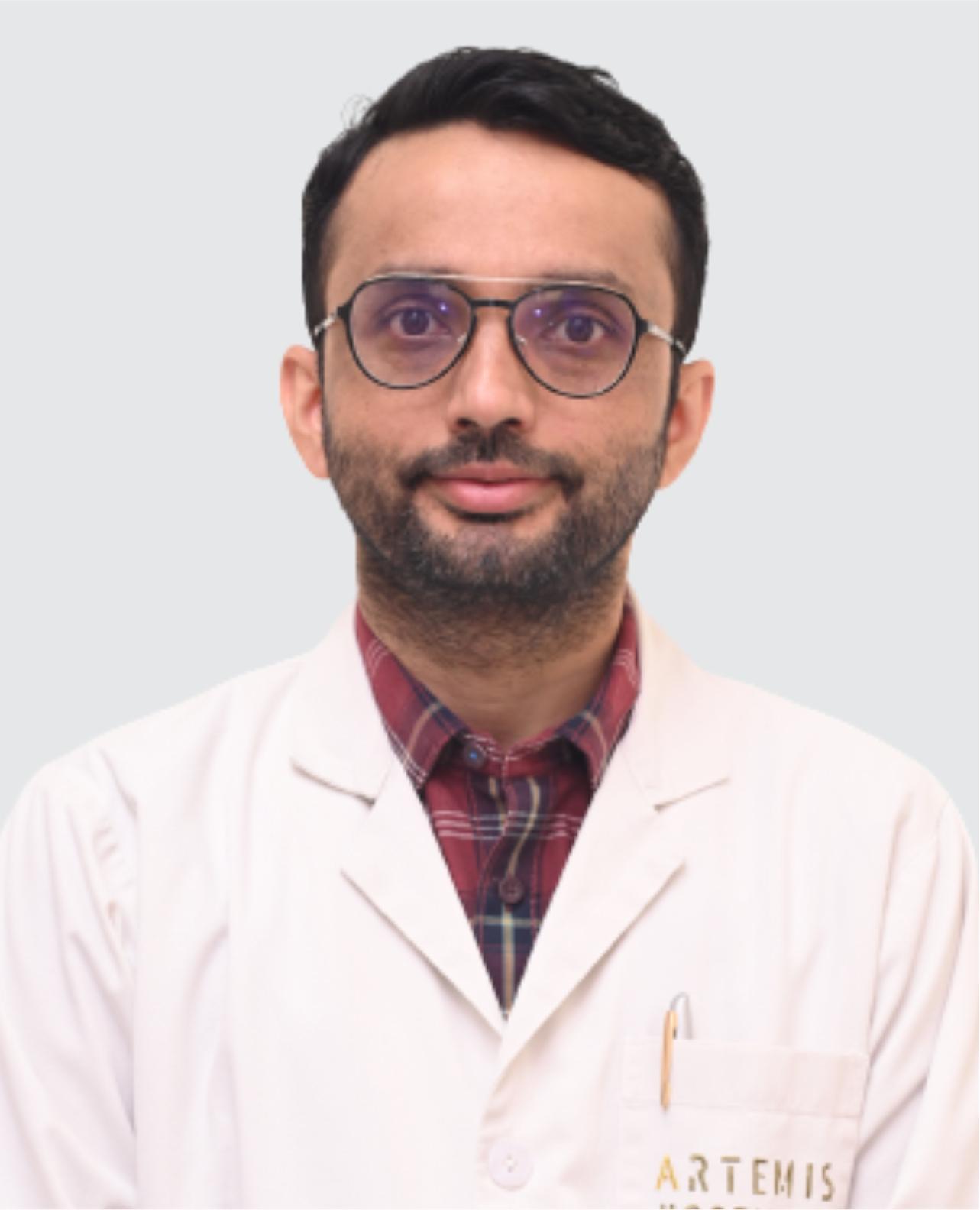
Sr. Consultant-Neurology & Epilepsy
Neurology & Epilepsy
New Delhi
15+ Years
Experience
Artemis Hospital
Hospital
1500
Fees

Consultant
Paediatric Neurology
Haryana
9+ Years
Experience
Artemis Hospital
Hospital
1500
Fees
احصل على خيارات علاجية شخصية من أفضل مستشفيات الهند. خبراؤنا الطبيون جاهزون لمساعدتك في كل خطوة.