
Pediatric Epilepsy Surgery Success Rate in Chennai
بحاجة لنصيحة شخصية؟
خبراؤنا الطبيون جاهزون للإجابة عن أسئلتك وإرشادك خلال خيارات العلاج.
خبراؤنا الطبيون جاهزون للإجابة عن أسئلتك وإرشادك خلال خيارات العلاج.
Understanding the Pediatric Epilepsy Surgery success rate in Chennai is vital for families evaluating treatment options. Outcomes vary significantly, influenced by the child's specific condition, the surgical technique employed, and individual patient profiles. This page provides clear insights into potential results, helping to demystify complex medical information so families can make informed decisions about healthcare in Chennai.
In Chennai, Pediatric Epilepsy Surgery outcomes are meticulously reviewed, drawing from aggregated clinical data and detailed treatment-level evaluations. These success rates, like elsewhere globally, depend heavily on the type of epilepsy, its underlying cause, the patient's age, and the severity of the condition. We aim to present these varied outcomes clearly and factually.
For Pediatric Epilepsy Surgery, "success" is generally defined by a significant reduction in seizure frequency, or ideally, complete seizure freedom. Beyond seizure control, success also encompasses improvements in developmental trajectory, cognitive function, and the child’s overall quality of life. Understanding the difference between short-term post-operative seizure control and long-term sustained remission is essential for families considering this intricate procedure.
The Pediatric Epilepsy Surgery success rate in Chennai varies depending on the specific surgical approach and the unique characteristics of the child's epilepsy.
| Treatment Type / Category | Typical Use Case | Seizure-Free Rate (%) | What Success Indicates |
|---|---|---|---|
| Resective Surgery (e.g., lobectomy, lesionectomy) | Well-localized focal epilepsy | 65%–85% | Complete seizure freedom or significant reduction, improved quality of life |
| Hemispherectomy / Hemispherotomy | Severe, drug-resistant epilepsy affecting one hemisphere | 50%–75% | Seizure freedom, cessation of epileptic spasms, improved neurodevelopment |
| Corpus Callosotomy | Atonic, tonic, and generalized seizures without focal origin | 30%–60% reduction | Reduction in severe drop attacks, enhanced safety, and quality of life |
| Vagus Nerve Stimulation (VNS) Therapy | Non-resectable or generalized epilepsy, adjunct therapy | 35%–55% reduction | Decrease in seizure frequency and severity, improved alertness |
Outcomes for Pediatric Epilepsy Surgery in Chennai demonstrate variations based on a child’s age at the time of surgery and the stage or complexity of their epileptic condition. These observations are consistent with international trends, where younger age groups, especially infants and toddlers, often show promising results when surgery targets the seizure-generating area effectively. This alignment helps establish the reliability of the Pediatric Epilepsy Surgery survival rate by age in Chennai.
| Age Group / Patient Category | Associated Epilepsy Complexity | Seizure-Free Rate (%) |
|---|---|---|
| Infants (0-2 years) | Early-onset, often due to focal cortical dysplasia | 70%–88% |
| Early Childhood (3-6 years) | Focal onset, less diffuse, amenable to resection | 60%–80% |
| School Age (7-12 years) | Varied etiologies, potential for longer epilepsy duration | 55%–75% |
| Adolescents (13-18 years) | Complex or multifocal epilepsy, longer disease course | 50%–70% |
Analyzing the stage wise Pediatric Epilepsy Surgery survival rate in Chennai reveals that patients with clearly defined, localized lesions tend to have better outcomes compared to those with widespread or cryptogenic epilepsies. The timely identification and intervention play a critical role in enhancing long-term prospects. Early diagnosis, combined with advanced imaging, supports more precise surgical planning.
The Pediatric Epilepsy Surgery survival rate in Chennai is generally comparable with international standards, particularly when similar treatment protocols, advanced technology, and rigorous patient selection criteria are applied. Chennai's medical centers strive to align with global benchmarks in managing complex pediatric neurological conditions.
| Region / Country | Typical Seizure-Free Rate (%) for Resective Surgery |
|---|---|
| Chennai (India) | 65%–85% |
| United States | 68%–87% |
| United Kingdom | 62%–84% |
| Germany | 67%–86% |
| Singapore | 60%–80% |
| Australia | 63%–85% |
These rates are indicative and can fluctuate based on specific patient demographics and the complexity of cases treated. Outcomes are influenced by the unique clinical context of each child.
Understanding these outcome trends empowers families researching pediatric epilepsy surgery. Data-driven insights support confident, informed healthcare decisions, ensuring the best possible path for each child's future.
India offers premium medical procedures at affordable prices. Discover our most popular treatments, delivered by the country's finest doctors.
Meet our team of highly qualified and experienced medical professionals dedicated to providing the best healthcare services.
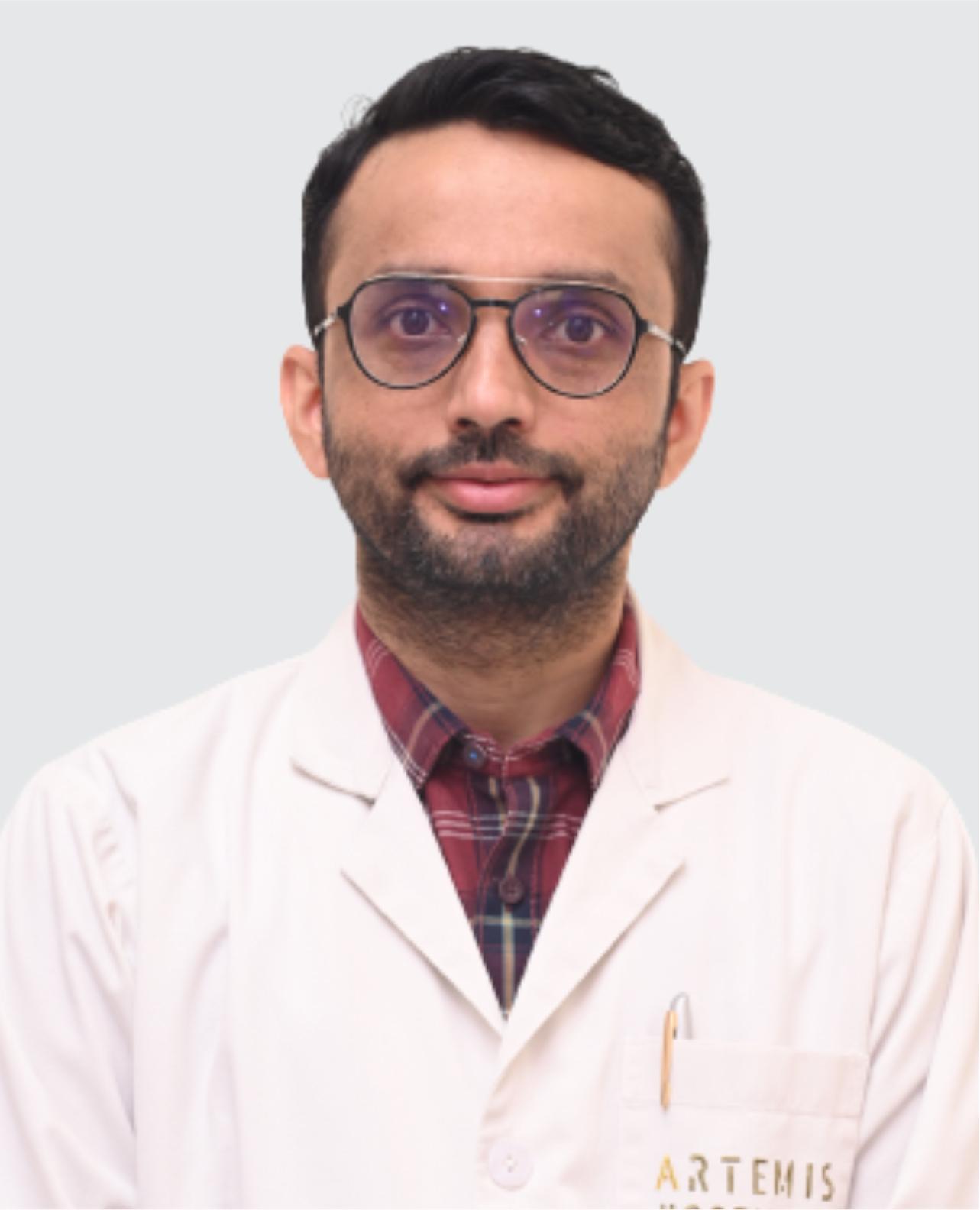
Sr. Consultant-Neurology & Epilepsy
Neurology & Epilepsy
New Delhi
15+ Years
Experience
Artemis Hospital
Hospital
1500
Fees

Sr. Consultant – Women Imaging
Radiology (Specializing in Women's Imaging)
Haryana
15+ Years
Experience
Artemis Hospital
Hospital
1500
Fees

Consultant
Paediatric Neurology
Haryana
9+ Years
Experience
Artemis Hospital
Hospital
1500
Fees
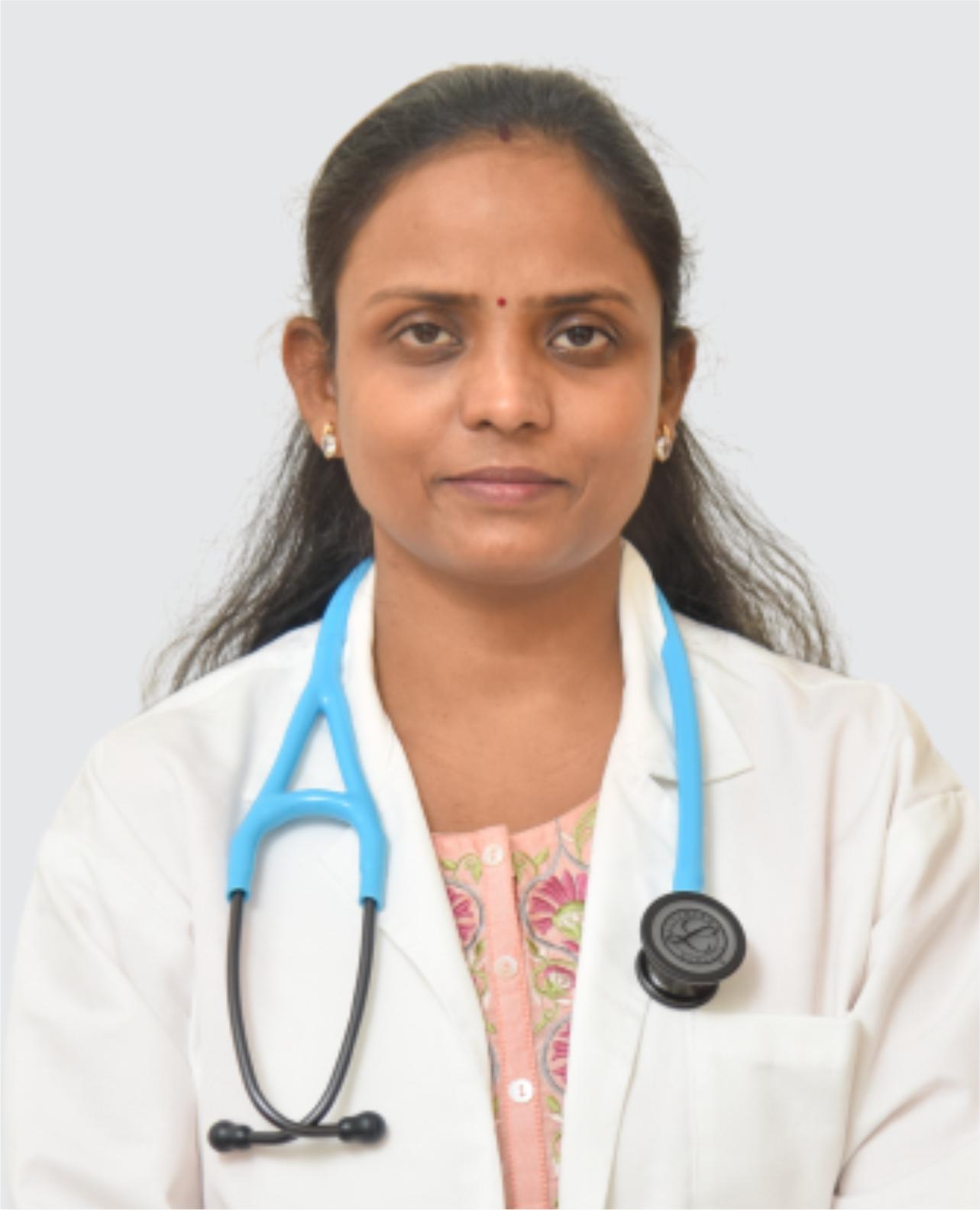
Consultant - Pediatric Rheumatology
Pediatric Rheumatology
New Delhi
13+ Years
Experience
Artemis Hospital
Hospital
1500
Fees
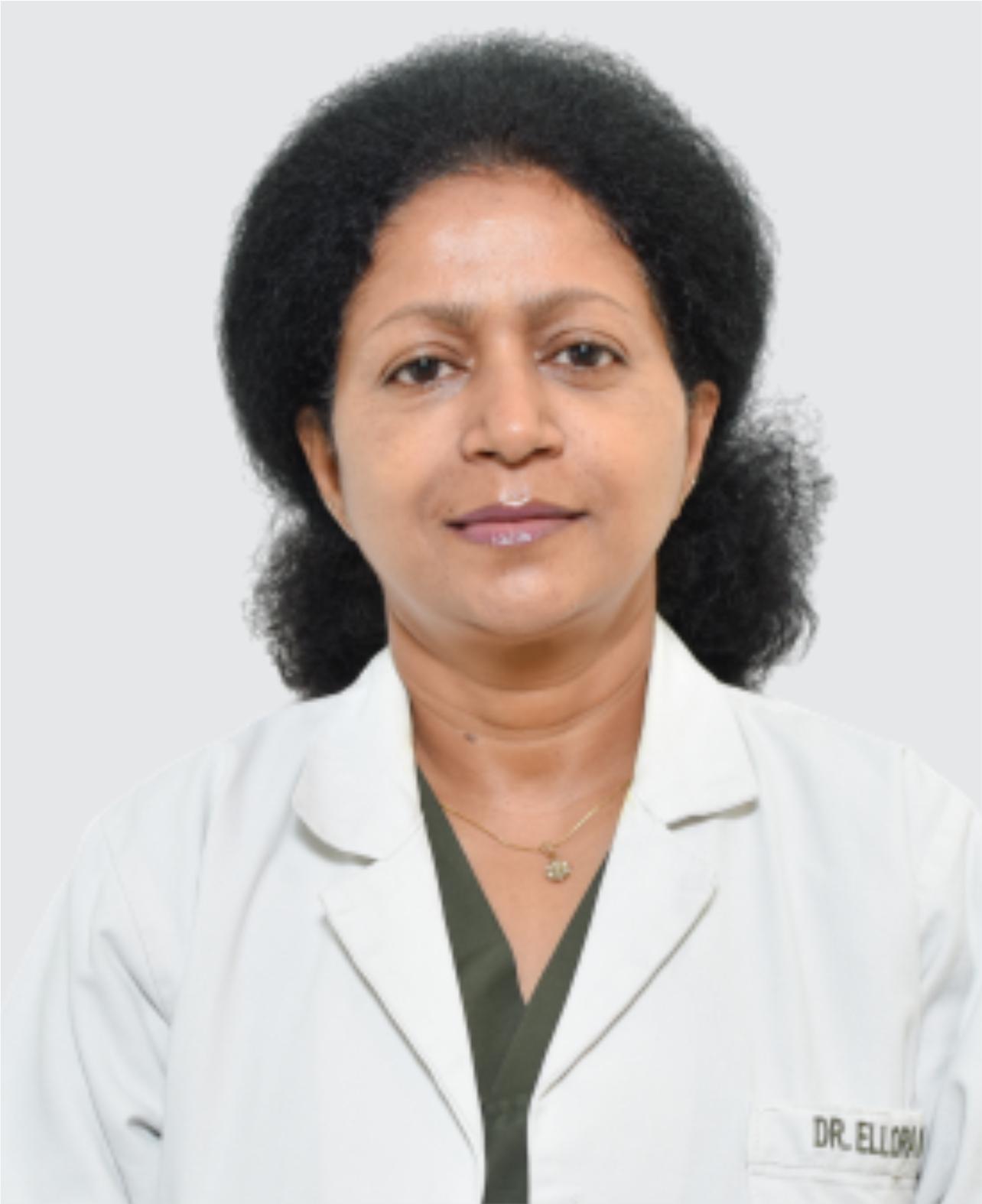
Admin Head - Emergency
Emergency & Trauma Services
New Delhi
25+ Years
Experience
Artemis Hospital
Hospital
1500
Fees
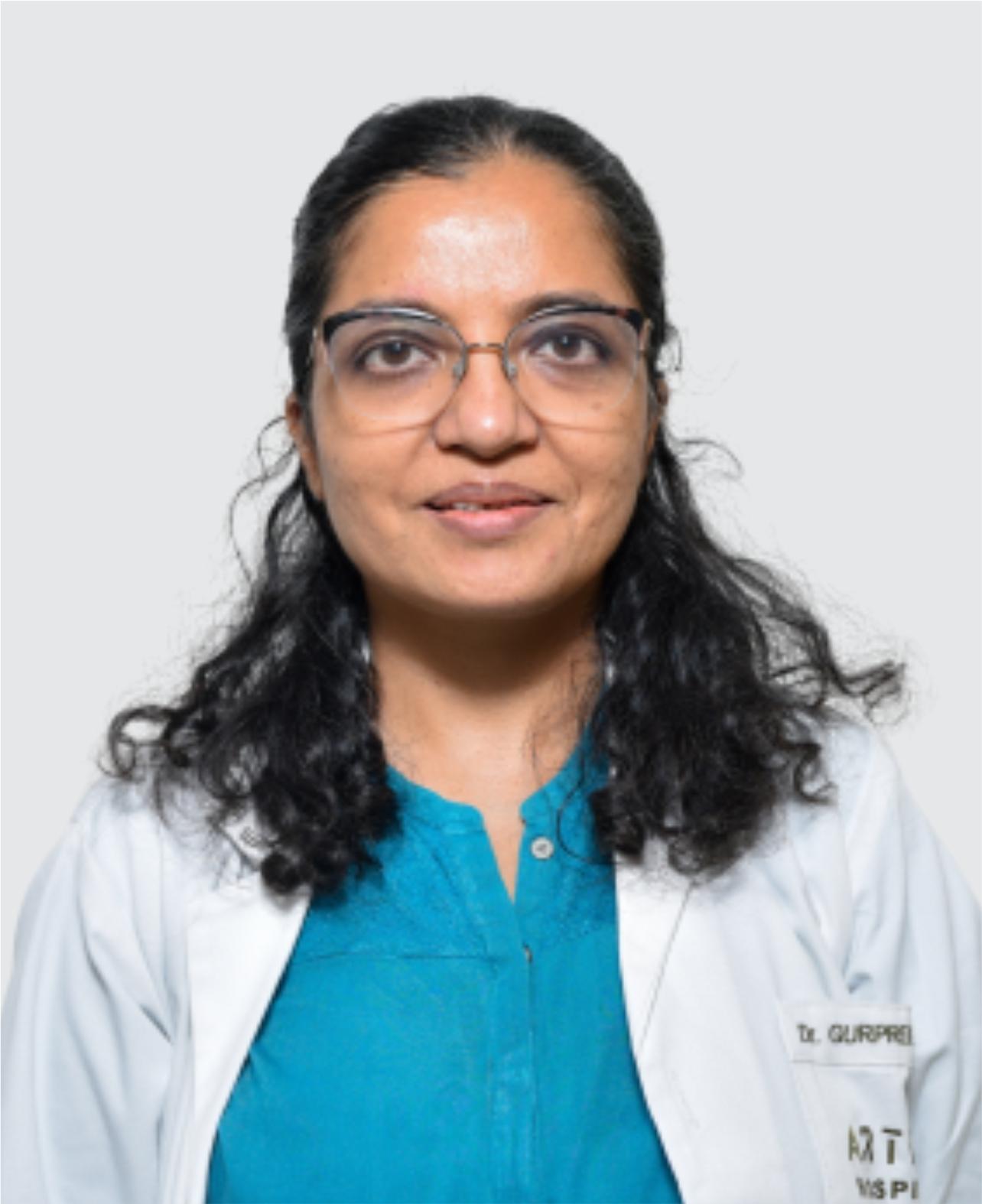
Head Imaging & Chief DNB Program
Radiology
New Delhi
19+ Years
Experience
Artemis Hospital
Hospital
1500
Fees
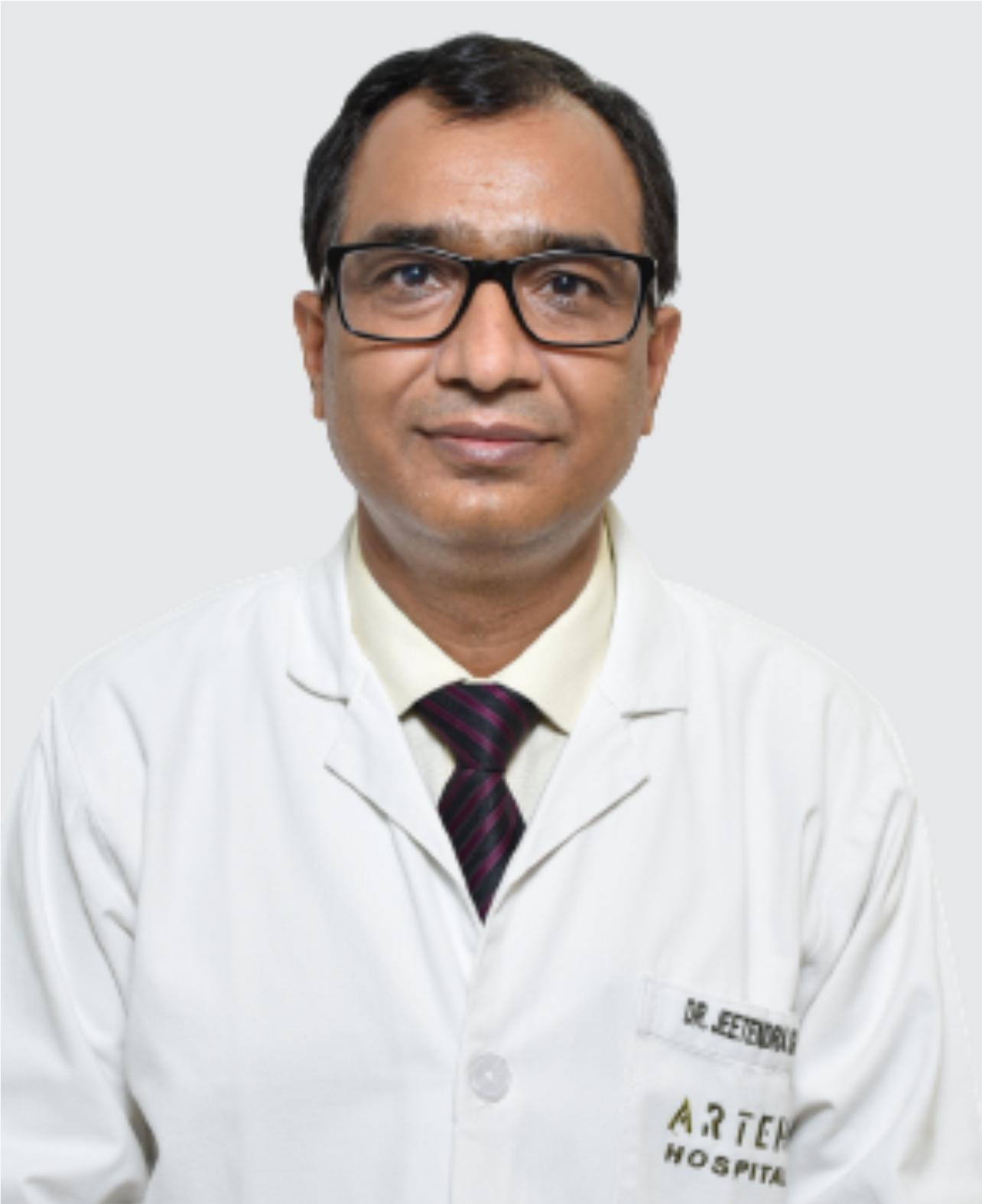
Chief - Critical Care (Unit II) & Chief- Medical Quality
Critical Care & ICU
New Delhi
15+ Years
Experience
Artemis Hospital
Hospital
1500
Fees
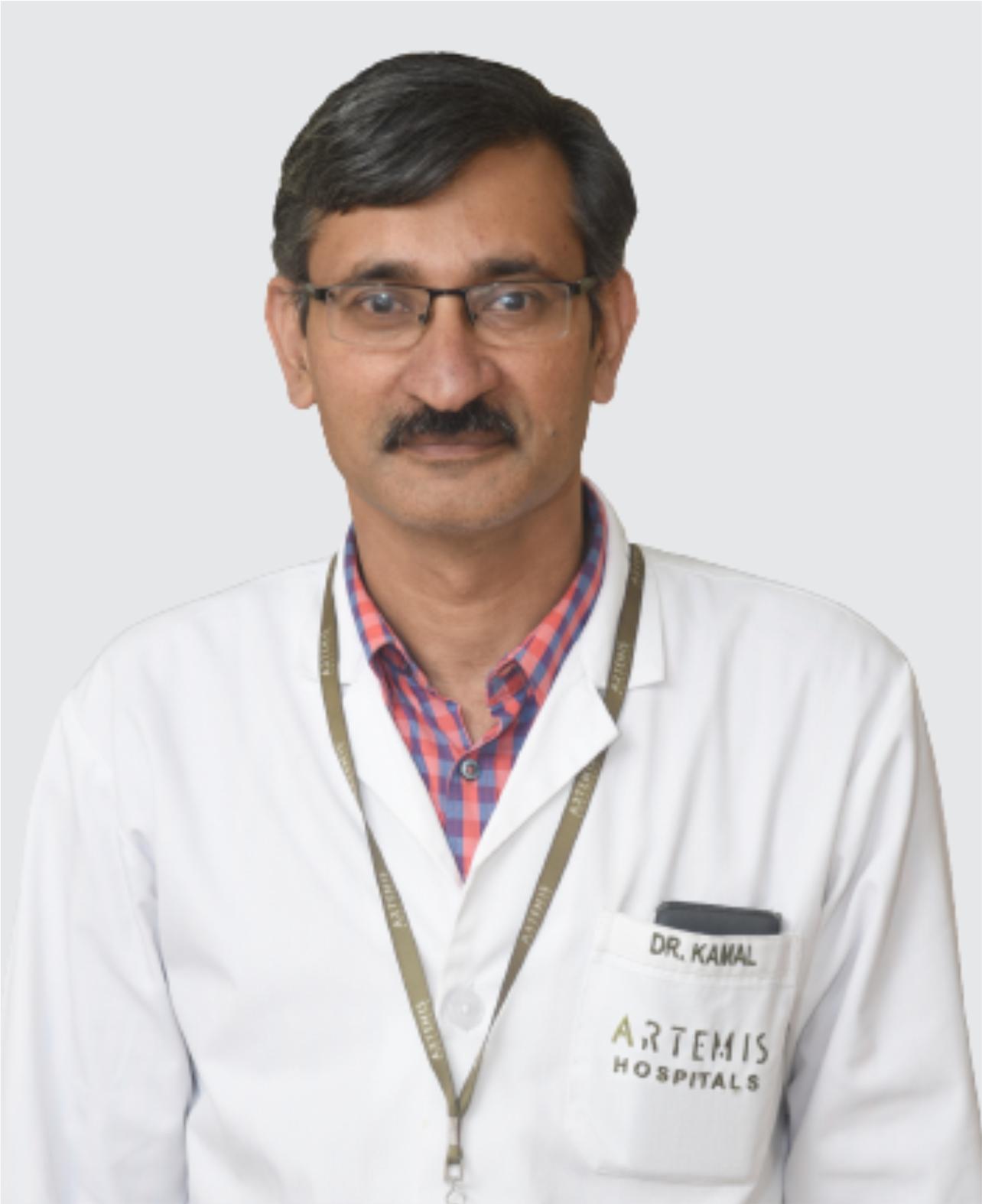
Sr. Consultant - Radiation Oncology
Radiation Oncology
New Delhi
15+ Years
Experience
Artemis Hospital
Hospital
1500
Fees
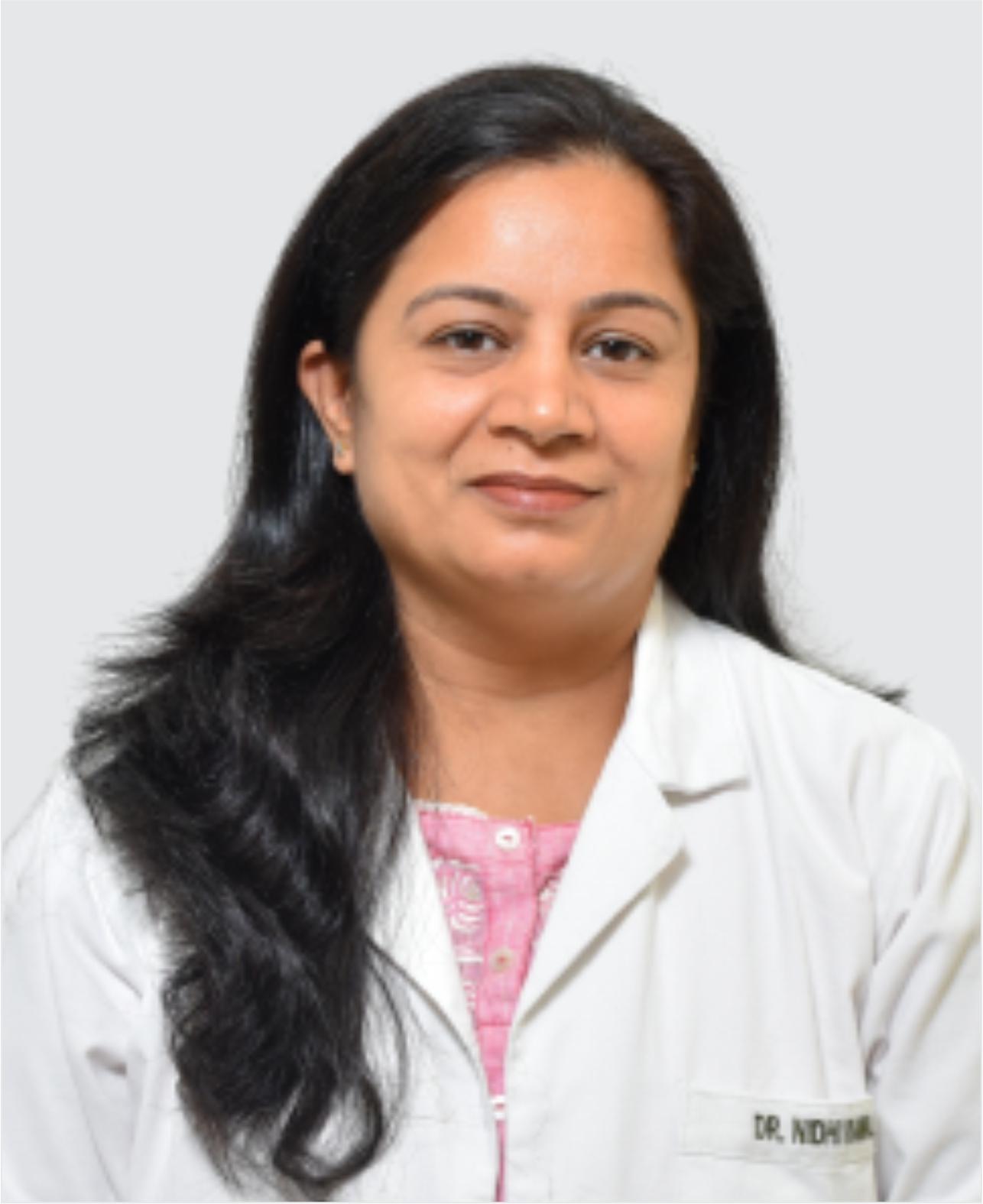
Chief - Paediatric Cardiology
Paediatric Cardiology
New Delhi
18+ Years
Experience
Artemis Hospital
Hospital
1500
Fees
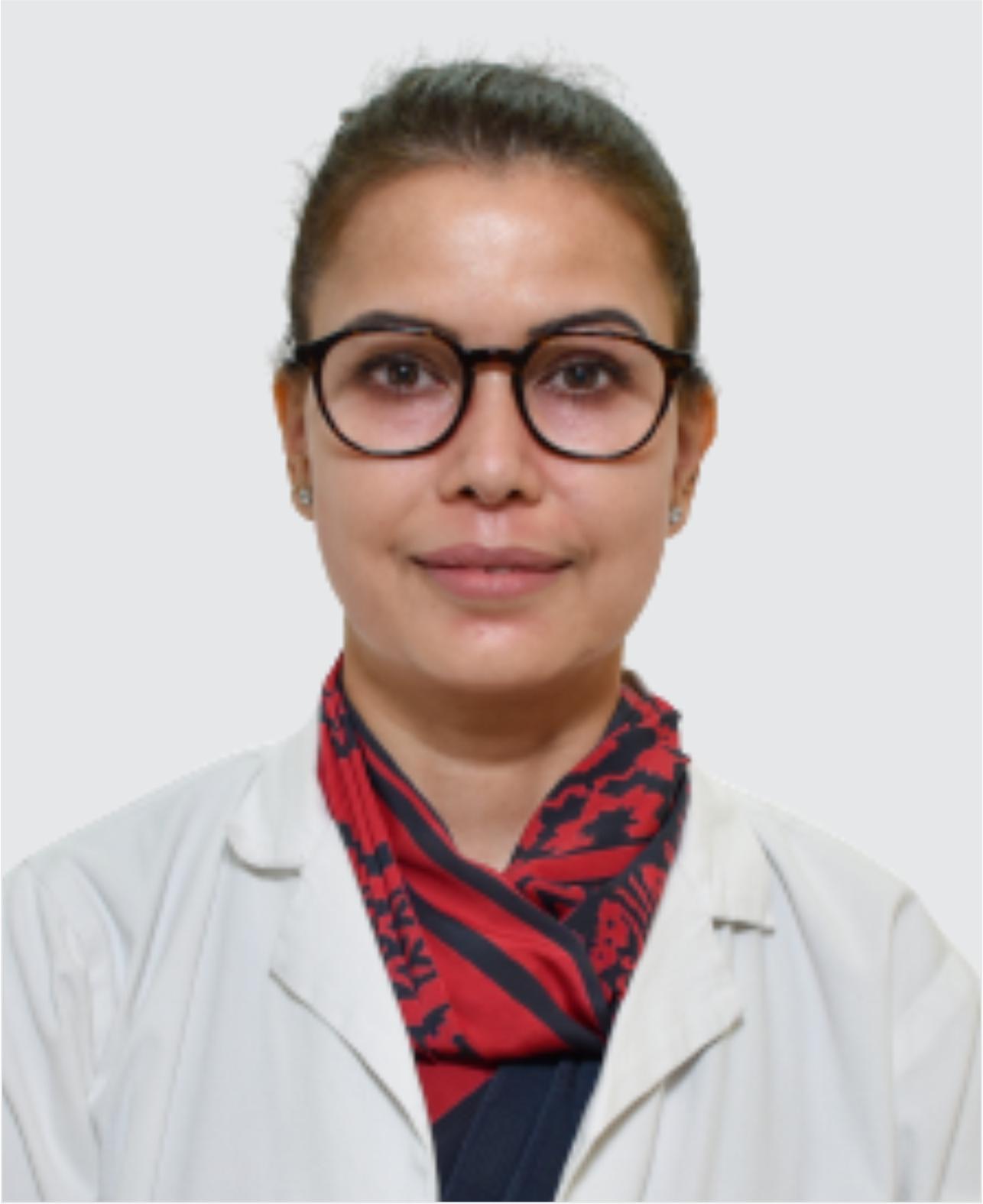
Chairperson - Nuclear Medicine & Radio-Theranostics
Nuclear Medicine
New Delhi
15+ Years
Experience
Artemis Hospital
Hospital
1500
Fees
Sr. Consultant
Radiology
New Delhi
12+ Years
Experience
Artemis Hospital
Hospital
1500
Fees
Associate Director
Pulmonology
New Delhi
20+ Years
Experience
Apolo Delhi
Hospital
1500
Fees
Director - Pulmonology
Pulmonology
New Delhi
34+ Years
Experience
Apolo Delhi
Hospital
1500
Fees
Associate Director
Pulmonology
New Delhi
22+ Years
Experience
Apolo Delhi
Hospital
1500
Fees
Director - Oncology
Oncology
New Delhi
22+ Years
Experience
Apolo Delhi
Hospital
1500
Fees
احصل على خيارات علاجية شخصية من أفضل مستشفيات الهند. خبراؤنا الطبيون جاهزون لمساعدتك في كل خطوة.