
بحاجة لنصيحة شخصية؟
خبراؤنا الطبيون جاهزون للإجابة عن أسئلتك وإرشادك خلال خيارات العلاج.
خبراؤنا الطبيون جاهزون للإجابة عن أسئلتك وإرشادك خلال خيارات العلاج.
Families from Bangladesh seeking specialized care for pediatric epilepsy often face difficult choices. Understanding the best path for your child's complex condition, especially when considering surgery, can be overwhelming and filled with uncertainty about outcomes and quality of care.
Many families choose to explore options outside their home country due to the need for advanced facilities and highly specialized neurological expertise. Mumbai has emerged as a preferred destination, known for its leading pediatric neurosurgical centers and integrated epilepsy care programs.
Mumbai's medical institutions house dedicated teams of pediatric neurologists, neurosurgeons, and intensivists. These hospitals offer comprehensive care, from precise diagnostic evaluations to advanced surgical techniques and meticulous post-operative support, ensuring a coordinated approach for children.
Mumbai provides advanced pediatric epilepsy surgery options for international patients.
Pediatric epilepsy surgery is a highly specialized procedure performed on children to control or cure epilepsy that does not respond to medication. It involves precisely locating and removing or disconnecting the area of the brain where seizures originate. The goal is to improve the child's quality of life, reduce seizure frequency, or eliminate seizures entirely, thereby enhancing their developmental potential and overall well-being. This complex treatment requires a multi-disciplinary team approach to ensure the best possible outcomes for young patients.
Several types of pediatric epilepsy surgery are performed, tailored to the child's specific condition and the location of seizure onset:
The specific surgical procedure for pediatric epilepsy depends entirely on the child's individual condition and the detailed pre-surgical evaluation plan developed by the specialized medical team.
For resective or disconnection surgeries:
Before surgery, the surgical team uses advanced imaging and diagnostic data to create a precise map of the child's brain, identifying the seizure focus and critical functional areas to be avoided. This ensures maximal seizure control with minimal impact on neurological function.
During the surgery, the child is under general anesthesia. The neurosurgeon carefully accesses the brain, guided by the pre-operative mapping. The identified epileptogenic tissue is then either removed, or specific pathways are disconnected, depending on the chosen surgical approach. Intraoperative monitoring, such as electrocorticography (ECoG), may be used to confirm the extent of the tissue to be removed and ensure complete resection of the seizure focus.
Following surgery, the child is monitored closely in the intensive care unit. Pain management, neurological checks, and prevention of complications like infection are paramount. Early mobilization and rehabilitation begin as soon as it is safe, under the guidance of pediatric rehabilitation specialists.
Recovery from pediatric epilepsy surgery varies for each child. Typically, the initial hospital stay ranges from 5 to 10 days. During this time, the focus is on pain control, monitoring for complications, and ensuring stable neurological function. Upon discharge, children will continue on anti-seizure medications, which may be gradually tapered by their neurologist over time if seizures remain controlled. Physical therapy, occupational therapy, and speech therapy are often part of the recovery process to help the child regain strength, coordination, and address any cognitive or developmental needs. Regular follow-up appointments with the neurosurgeon and neurologist are essential to monitor progress and adjust care plans as needed for several months to years.
The success rates for pediatric epilepsy surgery vary widely depending on the type of surgery, the underlying cause of epilepsy, and the child's specific condition. For some types of resective surgery, particularly when a clear focal lesion is removed, success rates for complete seizure freedom can be as high as 60-80%. For other procedures, the goal might be significant seizure reduction rather than complete freedom. Long-term outcomes are continually evaluated, and while many children experience life-changing improvements, ongoing medical management and therapy are often part of their care journey.
The cost of pediatric epilepsy surgery in Mumbai is influenced by several factors. These include the specific type of surgery performed, the complexity of the child's condition, the duration of hospitalization, the extent of pre-operative diagnostic evaluations, and the post-operative rehabilitation required. The choice of hospital and the experience of the surgical team also play a role in the overall expenditure.
For Pediatric Epilepsy Surgery, the estimated cost range in Mumbai typically falls between INR 6,00,000 to INR 15,00,000.
Mumbai provides a cost-effective alternative for pediatric epilepsy surgery compared to many Western countries, without compromising on medical standards or technology.
| Location | Estimated Cost (USD) |
| Mumbai, India | $7,000 - $18,000 |
| United States | $50,000 - $120,000 |
| United Kingdom | $40,000 - $90,000 |
| Germany | $35,000 - $80,000 |
| Singapore | $30,000 - $70,000 |
Connect with our expert medical team for a personalized assessment and detailed cost estimate for pediatric epilepsy surgery in Mumbai. We are here to guide you.
Reach out to us to understand how pediatric epilepsy surgery in Mumbai can offer new hope for your family. We are here to answer your questions and facilitate your journey.
Choosing pediatric epilepsy surgery is a significant decision. Our team is dedicated to providing comprehensive, compassionate care and clear guidance every step of the way.
India offers premium medical procedures at affordable prices. Discover our most popular treatments, delivered by the country's finest doctors.
Meet our team of highly qualified and experienced medical professionals dedicated to providing the best healthcare services.
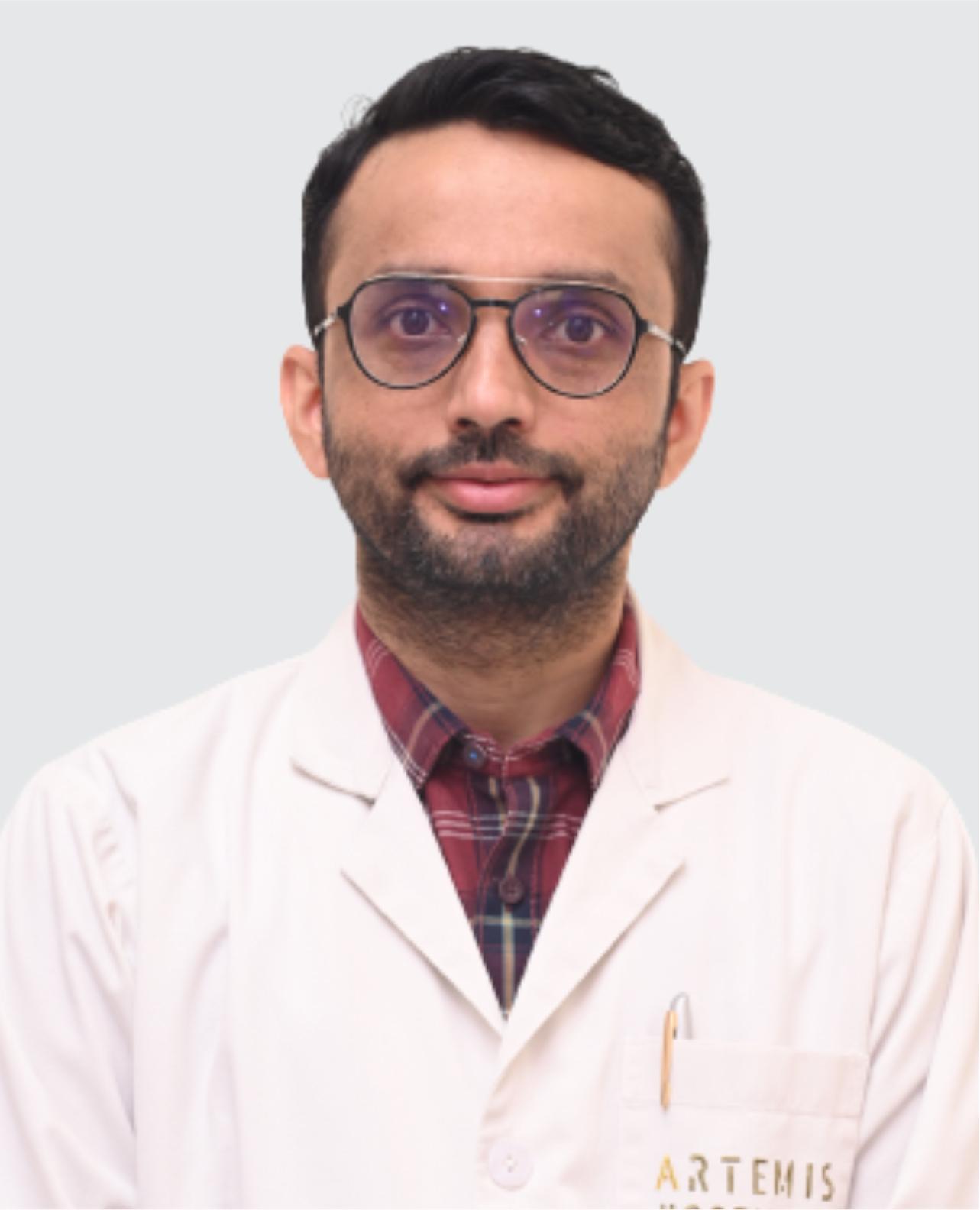
Sr. Consultant-Neurology & Epilepsy
Neurology & Epilepsy
New Delhi
15+ Years
Experience
Artemis Hospital
Hospital
1500
Fees

Consultant
Paediatric Neurology
Haryana
9+ Years
Experience
Artemis Hospital
Hospital
1500
Fees
احصل على خيارات علاجية شخصية من أفضل مستشفيات الهند. خبراؤنا الطبيون جاهزون لمساعدتك في كل خطوة.