
Pediatric Epilepsy Surgery Treatment in India for Iraq
بحاجة لنصيحة شخصية؟
خبراؤنا الطبيون جاهزون للإجابة عن أسئلتك وإرشادك خلال خيارات العلاج.
خبراؤنا الطبيون جاهزون للإجابة عن أسئلتك وإرشادك خلال خيارات العلاج.
Families from Iraq often face deep concern when their child experiences uncontrolled seizures. The relentless worry about their little one’s health, development, and future can be overwhelming. Finding a precise, lasting solution for pediatric epilepsy becomes a paramount search for many parents.
When local medical options are limited for such specialized care, looking abroad becomes a necessary step. India stands out as a strong choice, offering advanced medical treatments across many cities. Its reputation for complex neurological surgeries attracts international patients seeking quality healthcare.
India’s nationwide healthcare system provides extensive access to leading pediatric neurosurgeons and state-of-the-art facilities. Across various medical hubs, specialized children's hospitals are equipped with the latest technology to manage intricate cases of epilepsy, ensuring comprehensive care.
Could India be the definitive destination for your child's epilepsy treatment?
Pediatric epilepsy surgery is a highly specialized procedure performed on children whose seizures are not controlled by medication. The goal is to either remove the part of the brain causing the seizures or to modify brain activity to stop seizures from spreading. It offers a chance for significant seizure reduction or even complete seizure freedom, improving a child's quality of life and developmental trajectory.
Different surgical approaches are tailored to the child's specific condition:
The surgical procedure chosen for a child depends significantly on the specific type of epilepsy, the seizure focus, and the overall treatment plan developed by a multidisciplinary team.
Before the surgery, the child will undergo general anesthesia. The surgical team ensures precise localization of the seizure focus using pre-operative imaging and intra-operative navigation systems.
For resective surgeries, the neurosurgeon carefully removes the identified part of the brain causing seizures. This often involves techniques to protect surrounding healthy brain tissue and critical functional areas, guided by intra-operative monitoring.
In disconnection surgeries like corpus callosotomy, the connections between brain hemispheres are severed to prevent seizures from spreading. For multiple subpial transections, shallow cuts are made in the brain's surface to disrupt seizure pathways.
For vagus nerve stimulation (VNS), a small device is implanted under the skin in the chest, with a lead connected to the vagus nerve in the neck. For responsive neurostimulation (RNS), electrodes are placed directly on or in the brain, connected to a generator implanted in the skull.
Recovery from pediatric epilepsy surgery varies based on the type of procedure and the child's individual condition. Immediately after surgery, the child will spend time in an intensive care unit for close monitoring. Hospital stays can range from a few days to several weeks. Initial recovery involves managing pain and monitoring for complications. Rehabilitation, including physiotherapy, occupational therapy, and speech therapy, often begins in the hospital and continues at home to help the child regain strength and adapt to any neurological changes. Regular follow-up appointments with the neurosurgeon and neurologist are crucial to adjust medications and monitor long-term outcomes. Complete healing and stabilization of seizure control can take several months.
The success rate of pediatric epilepsy surgery varies significantly depending on the child's specific epilepsy type, the precision of seizure focus localization, and the type of surgery performed. For well-selected candidates with a clearly defined seizure focus, a significant reduction in seizure frequency or complete seizure freedom can be achieved in a high percentage of cases. While not every child becomes completely seizure-free, many experience a substantial improvement in their quality of life, often with reduced medication dependence. Long-term outcomes are continuously monitored, with ongoing medical management and rehabilitation playing a vital role.
Connect with leading pediatric neurosurgeons in India for an initial consultation and personalized treatment plan.
We are here to help guide your family through every step.
The cost of pediatric epilepsy surgery in India is influenced by several factors. These include the complexity of the procedure, the specific surgical technique required, the reputation and accreditation of the hospital, the experience of the surgical team, the length of hospital stay, and the need for extensive pre-operative diagnostics or post-operative rehabilitation. India generally offers significantly more affordable options compared to many Western countries.
Typically, pediatric epilepsy surgery in India can range from INR 6,000,000 to INR 1,500,000,000, depending on the factors mentioned.
| City | Cost Range (INR) |
|---|---|
| Delhi | 6,000,000 - 1,200,000,000 |
| Mumbai | 6,500,000 - 1,300,000,000 |
| Chennai | 5,800,000 - 1,150,000,000 |
| Bangalore | 6,200,000 - 1,250,000,000 |
| Hyderabad | 5,500,000 - 1,100,000,000 |
| Kolkata | 5,000,000 - 1,000,000,000 |
| Pune | 5,700,000 - 1,120,000,000 |
| Region/Country | Cost Range (USD) |
|---|---|
| India | 7,000 - 18,000 |
| United States | 50,000 - 150,000+ |
| United Kingdom | 40,000 - 100,000 |
| Germany | 35,000 - 90,000 |
| Thailand | 15,000 - 40,000 |
Our dedicated team is here to provide clarity and support. Reach out today to start your child's journey toward a seizure-free life.
Making a decision about your child’s health is significant. We are committed to offering the expertise and care required for successful pediatric epilepsy surgery.
India offers premium medical procedures at affordable prices. Discover our most popular treatments, delivered by the country's finest doctors.
Meet our team of highly qualified and experienced medical professionals dedicated to providing the best healthcare services.
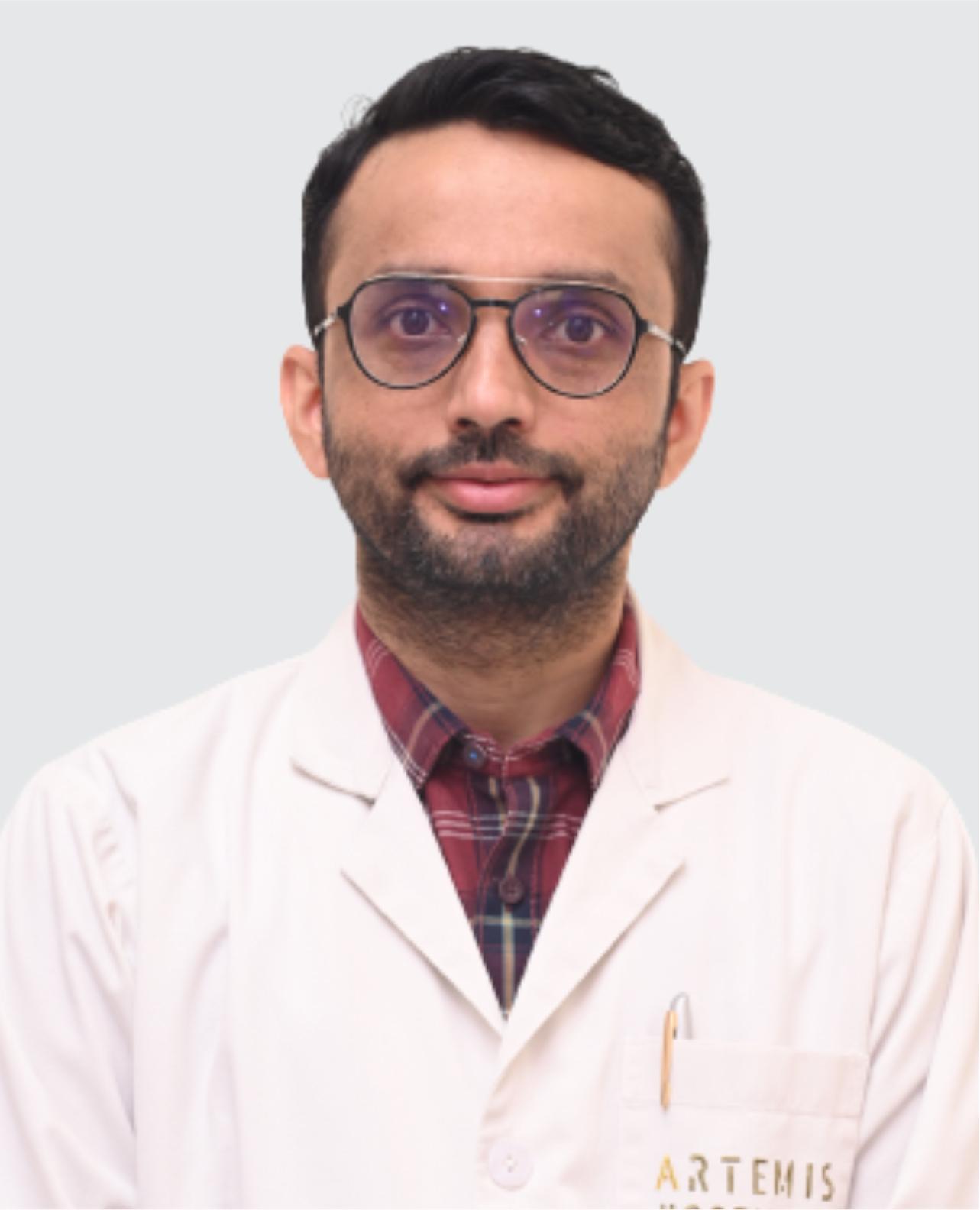
Sr. Consultant-Neurology & Epilepsy
Neurology & Epilepsy
New Delhi
15+ Years
Experience
Artemis Hospital
Hospital
1500
Fees

Consultant
Paediatric Neurology
Haryana
9+ Years
Experience
Artemis Hospital
Hospital
1500
Fees
احصل على خيارات علاجية شخصية من أفضل مستشفيات الهند. خبراؤنا الطبيون جاهزون لمساعدتك في كل خطوة.