
Pediatric Epilepsy Surgery Treatment in Bengaluru for Ethiopia
بحاجة لنصيحة شخصية؟
خبراؤنا الطبيون جاهزون للإجابة عن أسئلتك وإرشادك خلال خيارات العلاج.
خبراؤنا الطبيون جاهزون للإجابة عن أسئلتك وإرشادك خلال خيارات العلاج.
Families in Ethiopia facing a child's epilepsy diagnosis often carry immense worry. The search for effective, lasting treatment for conditions like pediatric epilepsy can be challenging, especially when standard medications do not provide sufficient relief. Understanding available advanced surgical options can feel like a complex journey, filled with questions about care quality and accessibility.
When local treatment options are limited or access to specialized pediatric neurological care is difficult, many parents consider medical travel. Bengaluru, known as India's "Silicon Valley," has emerged as a hub for advanced medical treatments, including highly specialized pediatric neurosurgery. Patients often choose Bengaluru for its combination of expert medical teams and state-of-the-art facilities dedicated to complex conditions.
The medical ecosystem within Bengaluru fosters trust through its accredited hospitals and a concentration of highly skilled pediatric neurologists and neurosurgeons. These specialists are experienced in international patient care, ensuring a smooth process from initial consultation through surgery and post-operative follow-up within the city's robust healthcare infrastructure.
Could Bengaluru offer the specialized care your child needs for epilepsy?
Pediatric epilepsy surgery is a highly specialized procedure designed to treat children whose seizures are not controlled by medication. The goal of this surgery is to either remove or disconnect the small area of the brain where seizures originate, or to interrupt the pathways through which seizures spread, ultimately aiming to reduce seizure frequency or achieve seizure freedom. This decision is made after extensive evaluation by a multidisciplinary team.
Different surgical approaches are available, tailored to the specific type and location of the child's epilepsy:
The specific surgical procedure chosen depends entirely on the child's individual condition, the type of epilepsy, and the results of the pre-surgical evaluation.
These procedures are performed under general anesthesia. The neurosurgeon carefully accesses the brain, guided by advanced imaging and intraoperative monitoring. The identified seizure focus or connection pathway is then precisely removed or disconnected. Neurophysiological monitoring during surgery helps protect vital brain functions. The duration varies based on complexity, from a few hours to an entire day.
For VNS, a small device is surgically implanted under the skin in the chest, with a wire tunneled and wrapped around the vagus nerve in the neck. For RNS, electrodes are placed directly on or within the brain in the seizure-generating areas, connected to a neurostimulator implanted in the skull. These procedures are less invasive than open brain surgery.
Recovery from pediatric epilepsy surgery varies significantly depending on the type of procedure. Children typically spend a few days in the intensive care unit (ICU) followed by a week or more in a regular hospital room. Post-surgery, pain management is provided, and neurological function is closely monitored. Rehabilitation, including physical, occupational, and speech therapy, often begins in the hospital and continues for several months after discharge to help the child regain any affected skills. Regular follow-up appointments with the neurologist and neurosurgeon are essential to monitor seizure control, medication adjustments, and overall development.
The success rate of pediatric epilepsy surgery in achieving seizure freedom or significant reduction varies from 50% to 80%, depending on factors such as the child's specific epilepsy syndrome, the precise localization of the seizure focus, and the type of surgery performed. Outcomes are generally better when the seizure focus is well-defined and completely removable. Long-term expectations often include improved seizure control, a reduction in medication, and enhanced developmental potential and quality of life for the child.
Connect with Bengaluru's leading pediatric neurosurgery specialists for an expert opinion and comprehensive treatment plan.
The cost of pediatric epilepsy surgery in Bengaluru is influenced by several factors. These include the complexity of the surgical procedure, the specific type of surgery (e.g., resective surgery, LITT, or device implantation), the hospital's reputation and facilities, the surgeon's experience, the length of hospital stay, and the need for post-operative rehabilitation. Diagnostic evaluations, medication, and follow-up care also contribute to the overall expenditure.
For Pediatric Epilepsy Surgery in Bengaluru, the cost can typically range from INR 6,50,000 to INR 18,00,000.
Bengaluru offers a significant cost advantage for advanced pediatric neurosurgical procedures compared to many Western countries, without compromising on quality or technology.
| Location | Approximate Cost (USD) |
|---|---|
| Bengaluru, India | $8,000 - $22,000 |
| United States | $50,000 - $150,000 |
| United Kingdom | $40,000 - $100,000 |
| Germany | $35,000 - $90,000 |
| Singapore | $30,000 - $75,000 |
Reach out to us for a personalized consultation and a detailed estimate for pediatric epilepsy surgery.
Choosing pediatric epilepsy surgery is a significant decision. Bengaluru's specialized hospitals and experienced medical professionals are dedicated to providing the best possible care for your child's journey toward better health and a life free from the burden of intractable epilepsy.
India offers premium medical procedures at affordable prices. Discover our most popular treatments, delivered by the country's finest doctors.
Meet our team of highly qualified and experienced medical professionals dedicated to providing the best healthcare services.
Sr. Consultant-Neurology & Epilepsy
Neurology & Epilepsy
New Delhi
15+ Years
Experience
Artemis Hospital
Hospital
1500
Fees

Consultant
Paediatric Neurology
Haryana
9+ Years
Experience
Artemis Hospital
Hospital
1500
Fees

Sr. Consultant – Women Imaging
Radiology
New Delhi
15+ Years
Experience
Artemis Hospital
Hospital
1500
Fees
Co-Head Psychological Services
Mental Health and Behavioural Sciences
New Delhi
15+ Years
Experience
Artemis Hospital
Hospital
1500
Fees
Head of Department - Gynae Endocrinology & DNB Program Director - Obs & Gynae
Gynaecological Endocrinology, Maternity, Obstetrics & Gynaecology
New Delhi
35+ Years
Experience
Artemis Hospital
Hospital
1500
Fees

Senior Consultant - ENT
ENT and Head & Neck Surgery
New Delhi
24+ Years
Experience
Artemis Hospital
Hospital
1500
Fees

Consultant (Head & Neck Surgery) - Surgical Oncology
Head and Neck Surgical Oncology
New Delhi
10+ Years
Experience
Artemis Hospital
Hospital
1500
Fees

Chairperson - Gynae Oncology
Gynaecological Oncology
New Delhi
16+ Years
Experience
Artemis Hospital
Hospital
1500
Fees
Unit Head - Reproductive Medicine (Unit II)
IVF, Reproductive Medicine, Obstetrics & Gynecology
New Delhi
20+ Years
Experience
Artemis Hospital
Hospital
1500
Fees
Sr. Consultant - Obs & Gynae
Maternity, Obstetrics & Gynaecology
New Delhi
15+ Years
Experience
Artemis Hospital
Hospital
1500
Fees

Unit Head - Obs & Gynae
Maternity, Obstetrics & Gynaecology
New Delhi
19+ Years
Experience
Artemis Hospital
Hospital
1500
Fees
Director
Obstetrics and Gynaecology
New Delhi
19+ Years
Experience
Artemis Hospital
Hospital
1500
Fees
Head - Radiation Oncology & CyberKnife Centre (Unit II)
Oncology
New Delhi
23+ Years
Experience
Artemis Hospital
Hospital
1500
Fees
Unit Head & Sr. Consultant - Internal Medicine
Internal Medicine
New Delhi
14+ Years
Experience
Artemis Hospital
Hospital
1500
Fees
Sr. Consultant - Gynaecology & Obstetrics
Gynaecology & Obstetrics
New Delhi
15+ Years
Experience
Apolo Delhi
Hospital
1500
Fees
Director
Obstetrics & Gynaecology
New Delhi
15+ Years
Experience
Artemis Hospital
Hospital
1500
Fees
Classified Consultant
Obstetrics & Gynaecology, Maternity, Women's Health
New Delhi
8+ Years
Experience
Artemis Hospital
Hospital
1500
Fees
Consultant
Obstetrics & Gynaecology
New Delhi
8+ Years
Experience
Artemis Hospital
Hospital
1500
Fees
Director, Medical Oncology
Medical Oncology and Haematology
New Delhi
26+ Years
Experience
Max Hospital,Gurgaon
Hospital
1500
Fees
Vice Chairman - Nephrology
Nephrology & Renal Transplant Medicine
New Delhi
17+ Years
Experience
Max Hospital,Gurgaon
Hospital
1500
Fees
Principal Director - Max Lab & Blood Bank Services
Laboratory Medicine, Transfusion Medicine, Pathology
New Delhi
32+ Years
Experience
Max Hospital,Gurgaon
Hospital
1500
Fees
Principal Director - Radiation Oncology
Radiation Oncology
New Delhi
23+ Years
Experience
Max Hospital,Gurgaon
Hospital
1500
Fees
Principal Director – Surgical Oncology (Gynae & Robotic Surgery)
Gynecologic Oncology, Robotic & Laparoscopic Surgery, Gynae Cancer Care, Surgical Oncology
New Delhi
39+ Years
Experience
Max Hospital,Gurgaon
Hospital
1500
Fees
Principal Director & HOD
Paediatrics (Ped)
New Delhi
30+ Years
Experience
Max Hospital,Gurgaon
Hospital
1500
Fees
Principal Director (Obstetrics & Gynaecology) & Head of Unit
Obstetrics, Gynaecology, Gynaecologic Laparoscopy, High-Risk Pregnancy, Endoscopy Surgery
New Delhi
44+ Years
Experience
Max Hospital,Gurgaon
Hospital
1500
Fees
Principal Director - Obstetrics & Gynaecology
Obstetrics And Gynaecology, Robotic Surgery, Gynaecologic Laparoscopy
New Delhi
33+ Years
Experience
Max Hospital,Gurgaon
Hospital
1500
Fees
Sr. Consultant
Obstetrics & Gynaecology
New Delhi
20+ Years
Experience
Apolo Delhi
Hospital
1500
Fees
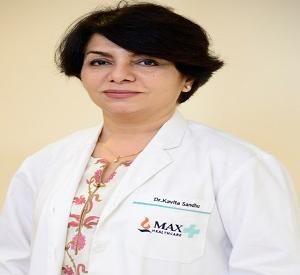
Sr. Consultant
Obstetrics And Gynaecology
New Delhi
15+ Years
Experience
Apolo Delhi
Hospital
1500
Fees
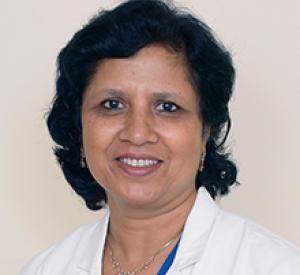
Senior Consultant - Obstetrics and Gynaecology
Obstetrics and Gynaecology
New Delhi
24+ Years
Experience
Apolo Delhi
Hospital
1500
Fees
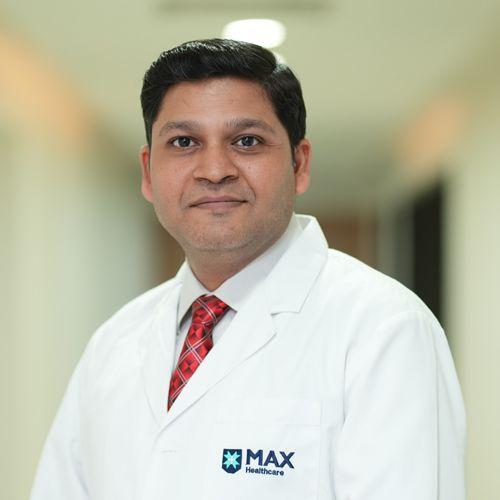
Director - Obstetrics & Gynaecology
Obstetrics & Gynaecology
New Delhi
18+ Years
Experience
Apolo Delhi
Hospital
1500
Fees
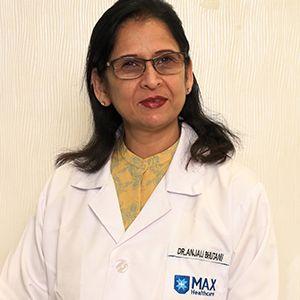
Senior Consultant
Obstetrics & Gynaecology
New Delhi
22+ Years
Experience
Apolo Delhi
Hospital
1500
Fees
Senior Consultant - Obstetrics & Gynaecology
Obstetrics & Gynaecology
New Delhi
23+ Years
Experience
Apolo Delhi
Hospital
1500
Fees
Senior Consultant
Obstetrics and Gynaecology
New Delhi
24+ Years
Experience
Apolo Delhi
Hospital
1500
Fees
Director
Obstetrics & Gynaecology
New Delhi
20+ Years
Experience
Apolo Delhi
Hospital
1500
Fees
Director
Obstetrics & Gynaecology
New Delhi
22+ Years
Experience
Apolo Delhi
Hospital
1500
Fees
Senior Consultant
Obstetrics and Gynaecology
New Delhi
15+ Years
Experience
Apolo Delhi
Hospital
1500
Fees
Director
Obstetrics & Gynaecology
New Delhi
18+ Years
Experience
Apolo Delhi
Hospital
1500
Fees
Director & Chief of Service - Obstetrics & Gynaecology
Obstetrics & Gynaecology
New Delhi
24+ Years
Experience
Apolo Delhi
Hospital
1500
Fees
Director
Obstetrics & Gynaecology
New Delhi
18+ Years
Experience
Apolo Delhi
Hospital
1500
Fees
احصل على خيارات علاجية شخصية من أفضل مستشفيات الهند. خبراؤنا الطبيون جاهزون لمساعدتك في كل خطوة.