
بحاجة لنصيحة شخصية؟
خبراؤنا الطبيون جاهزون للإجابة عن أسئلتك وإرشادك خلال خيارات العلاج.
خبراؤنا الطبيون جاهزون للإجابة عن أسئلتك وإرشادك خلال خيارات العلاج.
For parents in Bangladesh, the journey with a child facing epilepsy can be filled with uncertainty. The search for highly specialized care often extends beyond national borders, aiming to give their child the best chance for a life free from seizures and developmental challenges.
Pune has emerged as a preferred destination for complex medical procedures like pediatric epilepsy surgery. Its hospitals offer advanced neurosurgical units and a dedicated ecosystem for international patient support, ensuring a seamless experience from arrival to recovery.
The city's medical facilities house experienced pediatric neurologists and neurosurgeons renowned for their expertise in epilepsy management. Patients benefit from comprehensive pre-surgical evaluations and structured post-operative follow-ups within Pune's trusted healthcare network.
Pune provides a reliable and integrated pathway for children needing epilepsy surgery.
Pediatric epilepsy surgery is a specialized neurosurgical procedure designed to treat children whose seizures are not controlled by medication. This treatment aims to remove or disconnect the area of the brain where seizures originate, or to interrupt the pathways through which seizures spread. The goal is to reduce or eliminate seizures, improve the child's quality of life, and support their cognitive and developmental potential. It is a complex decision made after thorough evaluation by a multidisciplinary team.
There are several types of surgical procedures, chosen based on the child's specific condition and the location of the seizure focus:
The specific surgical procedure depends entirely on the child's type of epilepsy, the location of the seizure focus, and the comprehensive surgical plan developed by the medical team.
During resective surgery, the child is under general anesthesia. The neurosurgeon makes an incision in the scalp and temporarily removes a small piece of the skull (craniotomy). Using advanced navigation systems and sometimes intraoperative monitoring, the identified seizure-producing brain tissue is carefully removed. The skull piece is then replaced, and the scalp is closed.
For procedures like corpus callosotomy or hemispherotomy, the neurosurgeon meticulously severs the specific nerve connections responsible for spreading seizures. This is done with precision to minimize damage to other functional areas of the brain, under general anesthesia and often with detailed brain mapping.
If a device is chosen, such as VNS or RNS, a minor surgical procedure is performed to implant the generator and connect electrodes to the vagus nerve or directly to the brain. These devices are then programmed and periodically adjusted to deliver therapeutic electrical stimulation.
Recovery from pediatric epilepsy surgery varies significantly depending on the type of procedure performed and the individual child's health. Typically, a hospital stay of several days to a week is expected. Initial recovery involves managing pain, monitoring neurological status, and slowly resuming activities. Physical therapy, occupational therapy, and speech therapy are often crucial components of rehabilitation to help the child regain strength and adapt. Follow-up appointments with the neurosurgeon and neurologist are essential for monitoring progress, adjusting anti-seizure medications, and planning long-term care. Full recovery and assessment of seizure freedom can take several months.
The success rate of pediatric epilepsy surgery in achieving seizure freedom varies widely, generally ranging from 50% to 80%, depending on the specific type of epilepsy, the child's age, and the exact surgical procedure. For some focal epilepsies, rates can be higher. Even if complete seizure freedom is not achieved, many children experience a significant reduction in seizure frequency and severity, leading to an improved quality of life, better developmental outcomes, and a reduction in medication burden. Long-term outcomes are influenced by consistent follow-up care and adherence to post-operative recommendations.
The cost of pediatric epilepsy surgery in Pune is influenced by several factors. These include the specific surgical technique chosen, the duration of the hospital stay, the use of advanced technologies, the experience of the surgical team, and the need for intensive care or rehabilitation services. Pre-surgical evaluations, including various imaging and monitoring tests, also contribute to the overall expenditure.
For Pediatric Epilepsy Surgery, the estimated cost range in Pune typically falls between INR 6,50,000 to INR 15,00,000.
Patients considering pediatric epilepsy surgery often evaluate costs across different regions. Pune offers a significantly more affordable option compared to many Western countries, without compromising on quality or advanced medical care.
| Location | Estimated Cost Range (USD) |
|---|---|
| Pune, India | $8,000 - $18,000 |
| United States | $70,000 - $150,000 |
| United Kingdom | $55,000 - $100,000 |
| Thailand | $20,000 - $45,000 |
| Singapore | $40,000 - $80,000 |
Considering pediatric epilepsy surgery in Pune? Connect with our team for personalized guidance and cost estimates.
Ready to take the next step towards managing your child's epilepsy? Contact us for expert advice and support.
Choosing pediatric epilepsy surgery is a significant decision. Our team in Pune is here to provide clarity, support, and world-class medical care for your child.
India offers premium medical procedures at affordable prices. Discover our most popular treatments, delivered by the country's finest doctors.
Meet our team of highly qualified and experienced medical professionals dedicated to providing the best healthcare services.
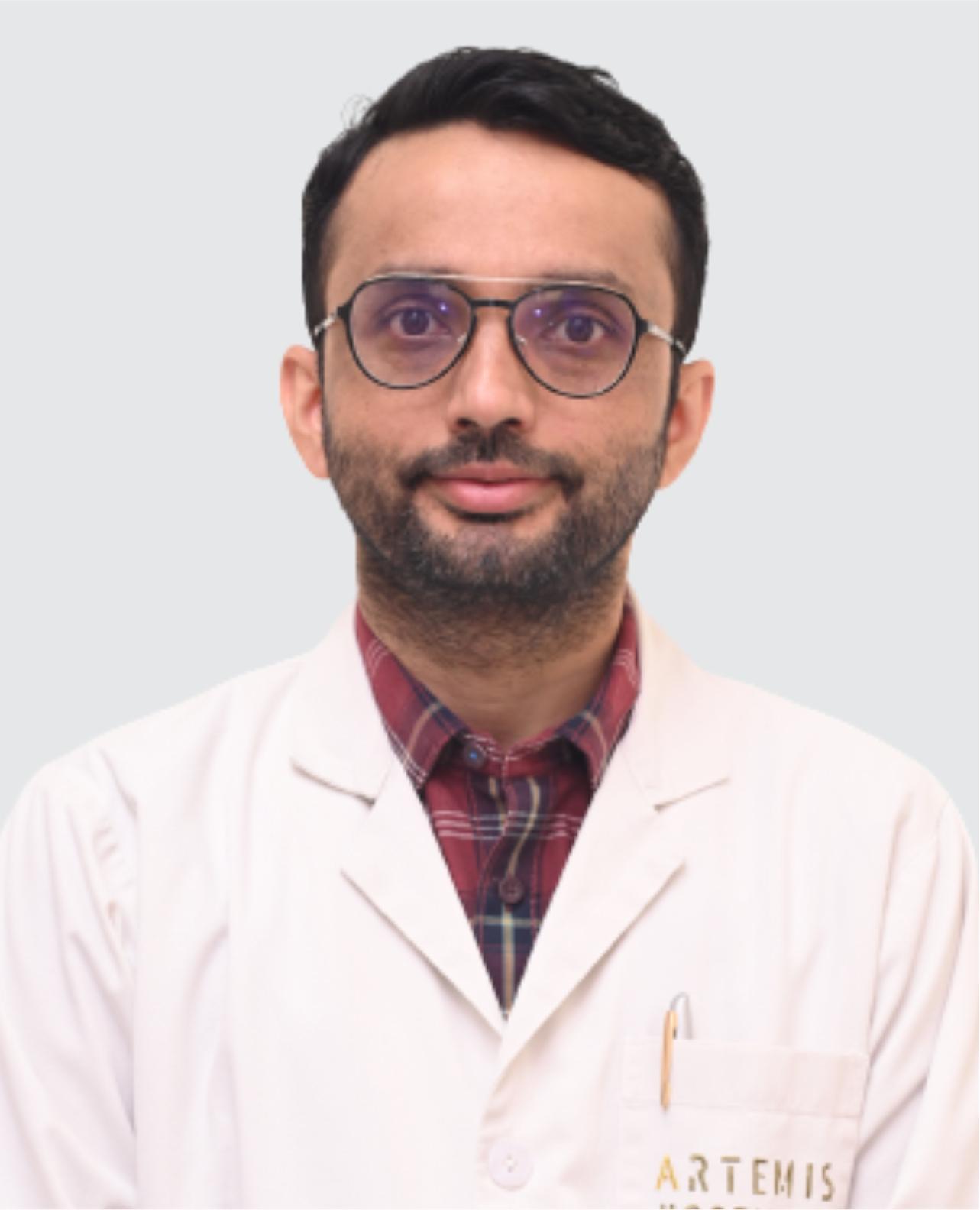
Sr. Consultant-Neurology & Epilepsy
Neurology & Epilepsy
New Delhi
15+ Years
Experience
Artemis Hospital
Hospital
1500
Fees

Consultant
Paediatric Neurology
Haryana
9+ Years
Experience
Artemis Hospital
Hospital
1500
Fees
احصل على خيارات علاجية شخصية من أفضل مستشفيات الهند. خبراؤنا الطبيون جاهزون لمساعدتك في كل خطوة.