
Pediatric Epilepsy Surgery Treatment in New Delhi for UAE
بحاجة لنصيحة شخصية؟
خبراؤنا الطبيون جاهزون للإجابة عن أسئلتك وإرشادك خلال خيارات العلاج.
خبراؤنا الطبيون جاهزون للإجابة عن أسئلتك وإرشادك خلال خيارات العلاج.
Families in the UAE facing a child's intractable epilepsy often feel overwhelmed. The search for effective, lasting treatment can be challenging, especially when local options are limited or surgical intervention is considered. You want the best possible outcome for your child.
New Delhi has become a leading choice for advanced pediatric neurosurgery. Patients are drawn to its specialized centers known for integrated care pathways and experienced teams focused solely on complex neurological conditions in children. The city offers advanced medical infrastructure.
The city's hospitals provide a trusted environment with world-class specialists in pediatric neurology and neurosurgery. Here, continuity of care is seamless, ensuring thorough follow-ups and comprehensive support throughout your child's journey in a single location.
Could New Delhi be the optimal choice for your child's epilepsy surgery?
Pediatric epilepsy surgery is a highly specialized procedure designed to treat children whose seizures cannot be controlled by medication alone, a condition known as drug-resistant epilepsy. The goal of this surgery is to remove or disconnect the specific area of the brain where seizures originate, aiming to stop or significantly reduce seizure frequency and severity. This can dramatically improve a child's quality of life, cognitive development, and overall well-being. The approach is carefully chosen based on extensive pre-surgical evaluation to pinpoint the exact seizure focus without harming critical brain functions.
Different surgical techniques are employed depending on the location and nature of the child's epilepsy:
The specific surgical procedure depends entirely on the child's unique condition, the type of epilepsy, and the findings from the comprehensive pre-surgical evaluation.
Most epilepsy surgeries involve several key phases:
Before surgery, the child undergoes general anesthesia. The surgical site on the scalp is carefully prepared and sterilized. Neurosurgeons use advanced imaging and navigation systems to precisely guide their instruments to the identified seizure focus.
For resective surgeries, a craniotomy is performed, where a small section of the skull is temporarily removed to access the brain. Using microsurgical techniques, the identified epileptogenic zone is carefully excised. In disconnection procedures, specific neural pathways are interrupted without tissue removal. For VNS or RNS, a small incision is made to implant the device and connect it to the nerve or brain region. LITT involves a small burr hole through which a laser fiber is inserted to ablate the target area.
Once the primary objective of the surgery is achieved, the skull bone is typically replaced (in craniotomy), and the scalp is closed with sutures. The child is then carefully monitored as they recover from anesthesia.
Connect with leading pediatric neurosurgeons in New Delhi. Get a personalized medical opinion and understand the best path forward for your child's condition.
Reach out to us for a free consultation.
Recovery from pediatric epilepsy surgery varies greatly depending on the type of procedure and the child's individual health. Immediately after surgery, the child will be closely monitored in an intensive care unit for a few days before moving to a regular ward. Post-operative pain is managed with medication. Most children remain in the hospital for about 5-10 days. Restrictions may include avoiding strenuous activities, head injuries, and certain sports for several weeks. Physical therapy, occupational therapy, and speech therapy often begin soon after surgery to support recovery and adaptation. Follow-up appointments with the neurosurgeon and neurologist are crucial to monitor progress, adjust medications, and assess long-term seizure control and developmental milestones. Full recovery can take several months.
The success rates of pediatric epilepsy surgery are generally high, especially for carefully selected candidates. Many studies report that 50-70% of children achieve significant reduction in seizures, with a substantial number becoming seizure-free, particularly for resective surgeries involving a clear focal lesion. Outcomes vary based on the type of epilepsy, the child's age, the surgical technique used, and the precision of pre-surgical localization. Long-term expectations include improved seizure control, better cognitive function, and enhanced quality of life, although continuous monitoring and management remain important.
The cost of pediatric epilepsy surgery in New Delhi is influenced by several factors, including the specific type of surgery performed, the complexity of the child's condition, the hospital chosen, the experience of the surgical team, and the length of hospital stay. Diagnostic evaluations prior to surgery also contribute to the overall expenditure.
Generally, pediatric epilepsy surgery in New Delhi can range from approximately INR 800,000 to INR 2,500,000.
New Delhi offers a significant cost advantage for advanced pediatric neurosurgical procedures compared to many Western countries, without compromising on quality or outcomes. Below is a comparative overview:
| Location | Estimated Cost (USD) |
|---|---|
| New Delhi | $10,000 - $30,000 |
| United States | $80,000 - $150,000+ |
| United Kingdom | $50,000 - $90,000 |
| Singapore | $45,000 - $75,000 |
| Thailand | $25,000 - $45,000 |
Our team is here to guide UAE patients through every stage of planning pediatric epilepsy surgery in New Delhi. From initial inquiry to post-operative support, we ensure a smooth, worry-free experience.
Enquire now to begin your journey.
Choosing the right path for your child’s epilepsy can be life-changing. Let us help you explore the advanced care available in New Delhi.
India offers premium medical procedures at affordable prices. Discover our most popular treatments, delivered by the country's finest doctors.
Meet our team of highly qualified and experienced medical professionals dedicated to providing the best healthcare services.
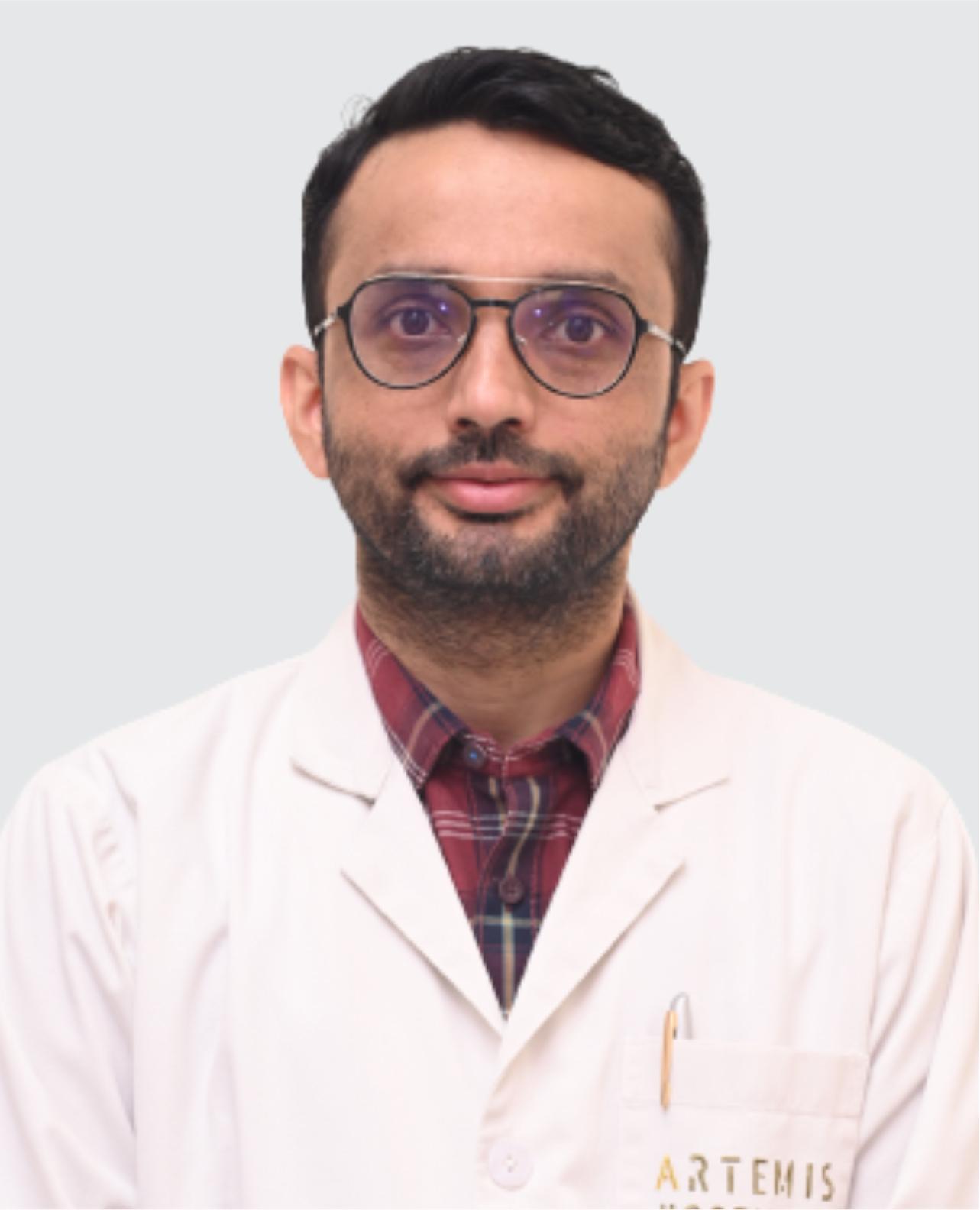
Sr. Consultant-Neurology & Epilepsy
Neurology & Epilepsy
New Delhi
15+ Years
Experience
Artemis Hospital
Hospital
1500
Fees

Consultant
Paediatric Neurology
Haryana
9+ Years
Experience
Artemis Hospital
Hospital
1500
Fees
احصل على خيارات علاجية شخصية من أفضل مستشفيات الهند. خبراؤنا الطبيون جاهزون لمساعدتك في كل خطوة.