
Pediatric Epilepsy Surgery Treatment in New Delhi for Iraq
بحاجة لنصيحة شخصية؟
خبراؤنا الطبيون جاهزون للإجابة عن أسئلتك وإرشادك خلال خيارات العلاج.
خبراؤنا الطبيون جاهزون للإجابة عن أسئلتك وإرشادك خلال خيارات العلاج.
Families in Iraq seeking pediatric epilepsy surgery for their children often face a challenging search for specialized care. The journey to find effective treatment, balancing medical excellence with practical considerations, can be deeply worrying for parents.
Many families exploring international options discover New Delhi as a leading destination. Its advanced medical infrastructure, coupled with a highly skilled pool of pediatric neurologists and neurosurgeons, offers a focused environment for complex procedures like epilepsy surgery.
New Delhi's renowned hospitals provide a trusted framework for intricate pediatric neurosurgical interventions. The city ensures seamless patient care, from initial consultations to post-operative follow-ups, making the entire treatment process manageable for international families.
Considering New Delhi for your child's epilepsy surgery is a significant step; what makes it the right choice?
Pediatric epilepsy surgery involves removing or disconnecting a specific area of the brain responsible for causing seizures when medication proves ineffective. The primary goal is to significantly reduce seizure frequency, achieve seizure freedom, and improve the child’s developmental potential and overall quality of life.
Different surgical approaches are tailored to the child's unique condition:
The precise method of pediatric epilepsy surgery varies significantly depending on the child's specific condition and the brain region involved.
Before surgery, the child receives general anesthesia. The surgical area on the scalp is prepared, which may involve shaving a portion of the head. Advanced imaging and navigation systems are used to precisely map the seizure focus.
A craniotomy is performed, where a section of the skull bone is temporarily removed to access the brain. Intraoperative monitoring, such as electrocorticography (ECoG), may be used to confirm the seizure-generating area in real-time.
The identified brain tissue causing seizures is carefully removed (resection) or pathways allowing seizure spread are interrupted (disconnection). The neurosurgeon takes utmost care to preserve surrounding healthy brain tissue and critical functions.
After the procedure, the skull bone is replaced and secured, and the scalp is sutured. The child is then moved to a specialized intensive care unit for close monitoring during the initial recovery phase.
Recovery typically begins with a stay in the hospital's pediatric ICU, followed by transfer to a regular ward for several days. Immediate post-operative care focuses on pain management and monitoring for complications. Physical, occupational, and speech therapy often begin during hospitalization and continue post-discharge to help the child regain function. Medication adjustments will be made by the neurologist. Long-term follow-up is crucial to monitor seizure control, cognitive development, and overall well-being. Gradual reintegration into school and daily activities is planned based on the child's progress.
Connect with our expert team in New Delhi to discuss a personalized treatment plan and receive detailed information.
The success rate for pediatric epilepsy surgery, defined as seizure freedom, typically ranges from 50% to 80%, depending on the type of epilepsy, the precise location of the seizure focus, and the completeness of the resection. Even if complete seizure freedom is not achieved, many children experience a significant reduction in seizure frequency and severity, leading to improved quality of life and better developmental outcomes. Ongoing medication and neurological monitoring are usually necessary even after successful surgery.
The cost of pediatric epilepsy surgery in New Delhi is influenced by several factors, including the chosen hospital's reputation, the specific surgical technique required, the length of hospital stay, and the surgeon's fees. Advanced diagnostics and post-operative rehabilitation also contribute to the overall expense.
Families from Iraq can expect a cost range for pediatric epilepsy surgery in New Delhi typically between USD 8,000 to USD 25,000.
New Delhi offers a significantly more affordable option for pediatric epilepsy surgery compared to many Western countries, without compromising on medical standards.
| Location | Estimated Cost Range (USD) |
|---|---|
| New Delhi, India | $8,000 - $25,000 |
| United States | $50,000 - $150,000 |
| United Kingdom | $40,000 - $100,000 |
| Germany | $35,000 - $90,000 |
| Turkey | $15,000 - $45,000 |
Our team is here to provide personalized guidance and support for your child's journey to better health.
We are committed to guiding you through every step, ensuring the best possible outcome for your child's health.
India offers premium medical procedures at affordable prices. Discover our most popular treatments, delivered by the country's finest doctors.
Meet our team of highly qualified and experienced medical professionals dedicated to providing the best healthcare services.
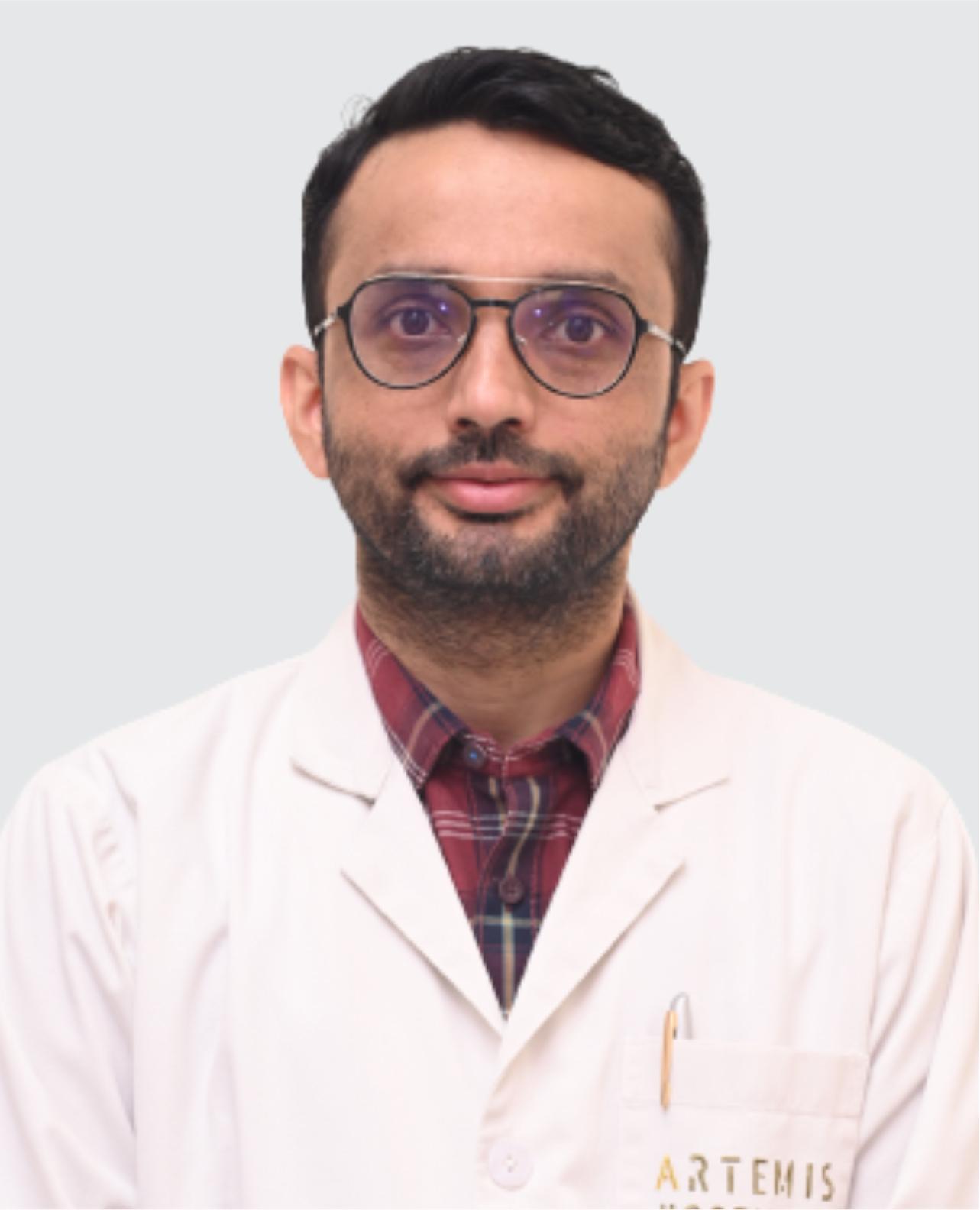
Sr. Consultant-Neurology & Epilepsy
Neurology & Epilepsy
New Delhi
15+ Years
Experience
Artemis Hospital
Hospital
1500
Fees

Consultant
Paediatric Neurology
Haryana
9+ Years
Experience
Artemis Hospital
Hospital
1500
Fees
احصل على خيارات علاجية شخصية من أفضل مستشفيات الهند. خبراؤنا الطبيون جاهزون لمساعدتك في كل خطوة.