
بحاجة لنصيحة شخصية؟
خبراؤنا الطبيون جاهزون للإجابة عن أسئلتك وإرشادك خلال خيارات العلاج.
خبراؤنا الطبيون جاهزون للإجابة عن أسئلتك وإرشادك خلال خيارات العلاج.
Parents in Bangladesh seeking specialized care for their child's epilepsy often face difficult choices. The journey to find effective treatment, especially when conventional methods prove insufficient, brings understandable anxiety. Identifying a place offering advanced surgical options with proven expertise is a primary concern.
Many families turn their attention to New Delhi, a major medical hub in India, known for its leading pediatric neurology and neurosurgery departments. The city offers a well-developed healthcare infrastructure and specialized hospitals, making it a focused destination for complex conditions like pediatric epilepsy.
Trust in New Delhi's medical community is built on its concentrated network of super-specialty hospitals and highly experienced pediatric neurosurgeons. These facilities are equipped for intricate procedures and offer coordinated care pathways, ensuring comprehensive support from initial consultation to post-operative follow-up within the city.
New Delhi provides a dedicated environment for advanced pediatric epilepsy surgery.
Pediatric epilepsy surgery is a treatment option for children whose seizures cannot be controlled by medication. It involves carefully removing or modifying the part of the brain where seizures originate. The goal is to reduce or eliminate seizures and improve the child's quality of life, allowing for better development and participation in daily activities. This type of surgery is considered when extensive medical treatment has not been successful.
Different surgical approaches are available, tailored to the specific type and location of the child's epilepsy:
The specific surgical procedure chosen depends on the child's individual condition, the type of epilepsy, and the precise location of the seizure focus in the brain.
Before surgery, the child undergoes extensive evaluation to map the seizure focus. During the procedure, under general anesthesia, the neurosurgeon performs a craniotomy to access the brain. Using advanced navigation systems and intraoperative monitoring, the identified area of the brain causing seizures is either removed or disconnected, depending on the chosen surgical type. The goal is to maximize seizure control while preserving essential brain functions. The bone flap is then replaced, and the incision is closed.
Following surgery, children are closely monitored in a pediatric intensive care unit. Pain management and neurological assessments are critical. Rehabilitation therapies, such as physical therapy, occupational therapy, and speech therapy, often begin soon after to support recovery and adaptation.
Recovery from pediatric epilepsy surgery varies for each child. Typically, the hospital stay ranges from a few days to a couple of weeks, depending on the complexity of the surgery. Initial recovery involves managing pain and monitoring for complications. Once home, children will require continued rest and may have restrictions on activities. Rehabilitation is a crucial part of the recovery process, helping to regain strength, coordination, and cognitive functions. Regular follow-up appointments with the pediatric neurologist and neurosurgeon are essential to monitor seizure control, medication adjustments, and overall progress.
The success rates for pediatric epilepsy surgery vary significantly based on the type of epilepsy, the child's age, and the specific surgical procedure performed. Many children experience a substantial reduction in seizure frequency, with a significant number achieving complete seizure freedom. Outcomes are generally best when a clear seizure focus can be identified and safely removed. Long-term expectations often include improved cognitive development and overall quality of life, although ongoing neurological care and monitoring remain important.
The cost of pediatric epilepsy surgery in New Delhi can vary depending on several factors. These include the reputation and facilities of the hospital, the experience of the pediatric neurosurgeon, the specific type of surgical procedure required, the duration of hospital stay, and any additional diagnostic tests or rehabilitation services needed.
In New Delhi, the estimated cost for pediatric epilepsy surgery typically ranges from INR 6,50,000 to INR 18,00,000.
New Delhi offers a cost-effective option for pediatric epilepsy surgery when compared to many Western countries, without compromising on quality or advanced medical technology.
| Location | Estimated Cost (USD) |
|---|---|
| New Delhi, India | $8,000 - $22,000 |
| United States | $50,000 - $100,000+ |
| United Kingdom | $35,000 - $70,000+ |
| Singapore | $30,000 - $60,000+ |
| Thailand | $15,000 - $35,000+ |
Ready to explore advanced treatment options for your child? Connect with New Delhi's leading pediatric neurologists and neurosurgeons.
Get a personalized treatment plan and cost estimate today.
Understanding all available options is the first step. Expert medical guidance in New Delhi is ready to assist you.
Seek comprehensive medical advice regarding pediatric epilepsy surgery in New Delhi.
Connect with a specialist for a thorough consultation today.
India offers premium medical procedures at affordable prices. Discover our most popular treatments, delivered by the country's finest doctors.
Meet our team of highly qualified and experienced medical professionals dedicated to providing the best healthcare services.
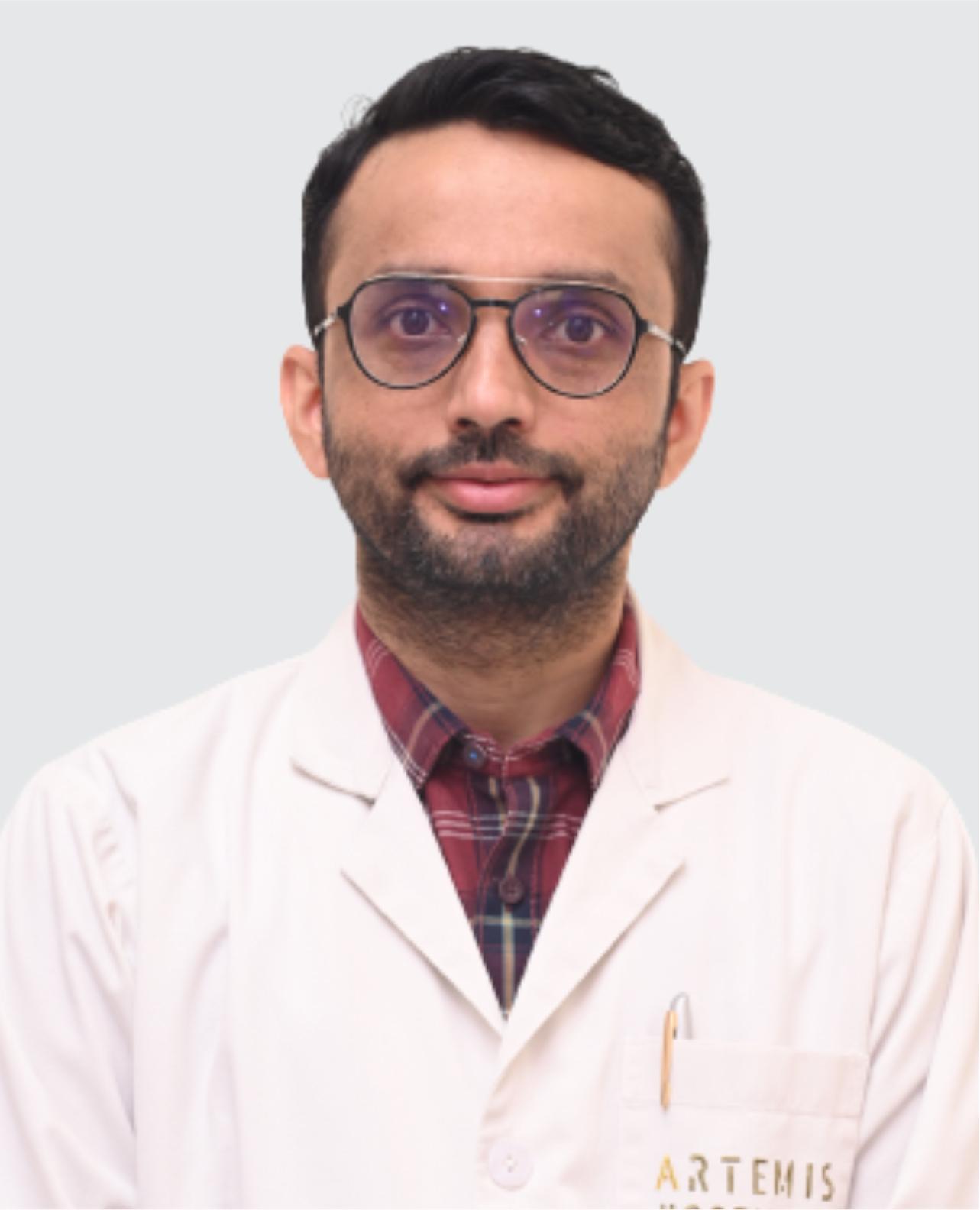
Sr. Consultant-Neurology & Epilepsy
Neurology & Epilepsy
New Delhi
15+ Years
Experience
Artemis Hospital
Hospital
1500
Fees

Consultant
Paediatric Neurology
Haryana
9+ Years
Experience
Artemis Hospital
Hospital
1500
Fees
احصل على خيارات علاجية شخصية من أفضل مستشفيات الهند. خبراؤنا الطبيون جاهزون لمساعدتك في كل خطوة.