
Pediatric Epilepsy Surgery Treatment in Mumbai for UAE
بحاجة لنصيحة شخصية؟
خبراؤنا الطبيون جاهزون للإجابة عن أسئلتك وإرشادك خلال خيارات العلاج.
خبراؤنا الطبيون جاهزون للإجابة عن أسئلتك وإرشادك خلال خيارات العلاج.
Navigating a child's epilepsy diagnosis and treatment can be an overwhelming journey, especially when considering highly specialized surgery. Families in the UAE often explore advanced medical options globally, seeking the best possible care for their children. The thought of complex brain surgery for a child naturally raises many questions and hopes for a brighter, seizure-free future.
Mumbai has emerged as a prominent destination for advanced pediatric neurological care, attracting international patients. The city's medical infrastructure offers a supportive environment with dedicated pediatric neurosurgeons and integrated care teams. This structured approach helps make the journey for international families seeking complex treatments more manageable and less stressful.
Within Mumbai, leading hospitals house specialized pediatric epilepsy centers, equipped with state-of-the-art diagnostic and surgical facilities. These institutions ensure seamless coordination from the initial comprehensive evaluation to post-operative follow-up. This provides a continuous and reassuring circle of care right in the heart of the city for young patients.
Is Mumbai the right choice for your child’s specialized epilepsy surgery?
Pediatric epilepsy surgery is a highly specialized procedure performed on children to control seizures that do not respond to medication. The primary goal is to either remove the specific area of the brain causing the seizures or to interrupt the nerve pathways responsible for their spread. This intervention aims to significantly reduce seizure frequency, achieve seizure freedom, and improve the child’s quality of life and developmental trajectory.
Different surgical approaches are available, tailored to the child’s specific condition and the location of seizure origin:
The specific surgical procedure for pediatric epilepsy depends on the type of epilepsy, the location of the seizure focus, and the overall treatment plan.
Generally, the process involves:
Recovery from pediatric epilepsy surgery varies significantly by child and procedure. Typically, a hospital stay of several days to a week is expected for close monitoring. Initial recovery involves managing pain and observing for any post-surgical complications. Physical and cognitive rehabilitation often begins in the hospital and continues post-discharge, including occupational therapy, physical therapy, and speech therapy. Regular follow-up appointments with the neurosurgeon and neurologist are crucial to monitor healing, adjust medications, and assess seizure control.
The success rate for pediatric epilepsy surgery, defined as significant reduction or complete freedom from seizures, varies greatly depending on the child's specific condition and the type of surgery. For carefully selected candidates, seizure freedom rates can range from 50% to 80% or higher. Factors like the precise localization of the seizure focus and the child's overall health influence the outcome. The goal is always to improve the child's developmental potential and quality of life in the long term.
The cost of pediatric epilepsy surgery in Mumbai is influenced by several factors, including the chosen hospital’s accreditation, the complexity of the surgical technique, the expertise of the neurosurgeon, and the duration of the hospital stay. Advanced diagnostic tests and post-operative rehabilitation also contribute to the overall expenditure. Mumbai hospitals offer high-quality care at a fraction of international prices.
Generally, pediatric epilepsy surgery in Mumbai can range from INR 6,00,000 to INR 18,00,000.
Mumbai provides a compelling cost advantage for advanced pediatric neurological procedures without compromising on medical standards. Here's a comparative overview with other global medical centers.
| Location | Estimated Cost (USD) |
|---|---|
| Mumbai, India | $8,000 - $25,000 |
| United Kingdom | $40,000 - $80,000 |
| United States | $60,000 - $120,000 |
| Singapore | $35,000 - $70,000 |
Empower your child's health journey with world-class pediatric epilepsy surgery expertise in Mumbai. Reach out today to explore how we can assist you.
India offers premium medical procedures at affordable prices. Discover our most popular treatments, delivered by the country's finest doctors.
Meet our team of highly qualified and experienced medical professionals dedicated to providing the best healthcare services.
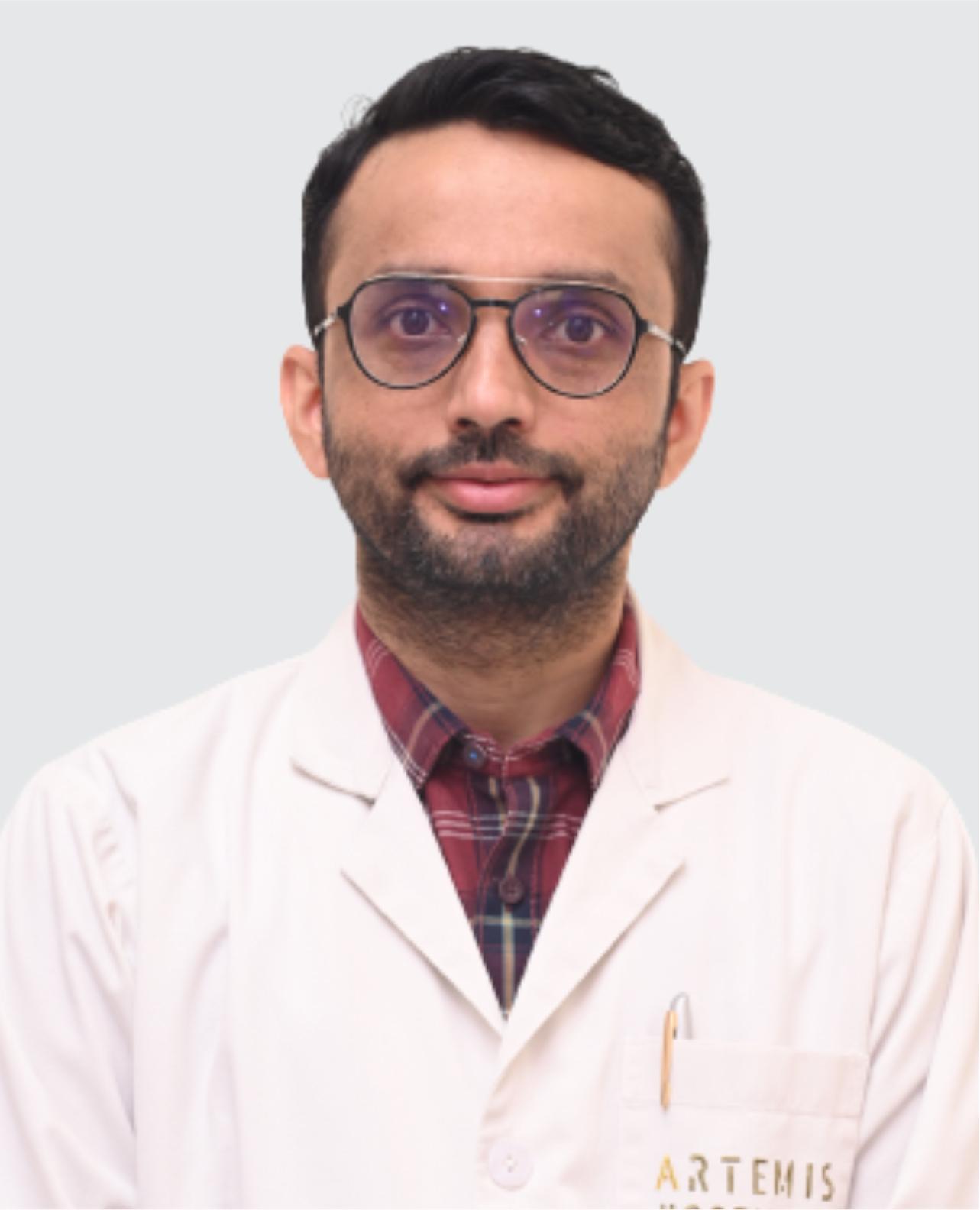
Sr. Consultant-Neurology & Epilepsy
Neurology & Epilepsy
New Delhi
15+ Years
Experience
Artemis Hospital
Hospital
1500
Fees

Consultant
Paediatric Neurology
Haryana
9+ Years
Experience
Artemis Hospital
Hospital
1500
Fees
احصل على خيارات علاجية شخصية من أفضل مستشفيات الهند. خبراؤنا الطبيون جاهزون لمساعدتك في كل خطوة.