
Pediatric Epilepsy Surgery Success Rate in Bengaluru
بحاجة لنصيحة شخصية؟
خبراؤنا الطبيون جاهزون للإجابة عن أسئلتك وإرشادك خلال خيارات العلاج.
خبراؤنا الطبيون جاهزون للإجابة عن أسئلتك وإرشادك خلال خيارات العلاج.
Understanding the Pediatric Epilepsy Surgery success rate in Bengaluru is crucial for families considering treatment options. Outcome statistics offer valuable insights into potential results, helping to guide informed decisions for children affected by intractable epilepsy. Success rates in this specialized field often depend on various factors, including the specific surgical approach and the patient's individual clinical profile.
In Bengaluru, outcomes for pediatric epilepsy surgery are meticulously reviewed through aggregated clinical data and treatment-level evaluations. This careful assessment helps compare local results against broader benchmarks. It is essential to recognize that individual patient outcomes can vary significantly based on factors like the underlying cause of epilepsy, its duration, and the child's overall health status.
For pediatric epilepsy surgery, "success" is generally defined by a significant reduction in seizure frequency or, ideally, complete seizure freedom. Beyond this, success also encompasses improvements in developmental progress, cognitive function, and the child's overall quality of life. Evaluating outcomes involves assessing both short-term post-operative effects and long-term remission trends, considering the child's ongoing growth and development.
The Pediatric Epilepsy Surgery recovery rate in Bengaluru varies considerably depending on the surgical technique employed and the characteristics of the child's epilepsy. Each surgical approach is tailored to the specific type and location of the epileptic focus, influencing the expected recovery trajectory and long-term outcomes for patients.
| Treatment Type / Category | Typical Use Case | Success Rate Range (%) | What Success Indicates |
|---|---|---|---|
| Focal Resection (e.g., Lesionectomy) | Well-localized epileptic focus, often due to a cortical malformation or tumor. | 60%–85% | Significant reduction or complete freedom from seizures. |
| Hemispherectomy / Hemispherotomy | Severe, intractable epilepsy affecting one entire cerebral hemisphere. | 50%–75% | Substantial seizure reduction, often leading to seizure freedom, and improved functional outcomes. |
| Corpus Callosotomy | Drop attacks (atonic or tonic seizures) unresponsive to medication, typically non-resectable. | 40%–60% | Reduction in severity and frequency of disabling generalized seizures. |
| Vagal Nerve Stimulation (VNS) | Adjunctive therapy for children with intractable epilepsy not suitable for resective surgery. | 30%–50% | Reduction in seizure frequency and severity, not typically seizure freedom. |
The Pediatric Epilepsy Surgery survival rate by age in Bengaluru demonstrates variations, reflecting similar trends observed globally. The child's age at the time of surgery, along with the complexity or type of epilepsy – which can be considered akin to stage wise Pediatric Epilepsy Surgery survival rate in Bengaluru variations – significantly influences outcomes. Younger children, particularly infants, sometimes exhibit greater brain plasticity, potentially aiding recovery and adaptation.
| Age Group | Typical Epilepsy Considerations | Success Rate Range (%) |
|---|---|---|
| Infants (0-2 years) | Early diagnosis and intervention for severe, often developmental, epilepsies. | 65%–80% |
| Young Children (3-12 years) | Diverse epilepsy types, focusing on preserving developing cognitive functions. | 60%–75% |
| Adolescents (13-18 years) | Epilepsy with longer duration or complex localization, balancing maturity with plasticity. | 55%–70% |
The Pediatric Epilepsy Surgery survival rate in Bengaluru is generally comparable to international standards when advanced diagnostic tools, skilled neurosurgical teams, and comprehensive post-operative care are implemented. Leading medical institutions across India uphold rigorous clinical protocols, aligning with global standards for patient safety and outcome optimization. Outcomes are often consistent with those reported from prominent centers worldwide.
| Region/Country | Pediatric Epilepsy Surgery Success Rate Range (%) |
|---|---|
| Bengaluru / India | 55%–80% |
| United States | 60%–85% |
| United Kingdom | 58%–82% |
| Germany | 57%–83% |
| Canada | 59%–81% |
| Australia | 56%–79% |
Success rates are indicative averages and not guaranteed for individual cases. Patient-specific conditions and treatment approaches significantly influence actual outcomes.
Understanding these outcome trends empowers families to engage in confident and data-backed discussions about pediatric epilepsy surgery. Thoughtful consideration of all available information supports optimal healthcare choices for children needing specialized treatment.
``````htmlUnderstanding the Pediatric Epilepsy Surgery success rate in Bengaluru is crucial for families considering treatment options. Outcome statistics offer valuable insights into potential results, helping to guide informed decisions for children affected by intractable epilepsy. Success rates in this specialized field often depend on various factors, including the specific surgical approach and the patient's individual clinical profile.
In Bengaluru, outcomes for pediatric epilepsy surgery are meticulously reviewed through aggregated clinical data and treatment-level evaluations. This careful assessment helps compare local results against broader benchmarks. It is essential to recognize that individual patient outcomes can vary significantly based on factors like the underlying cause of epilepsy, its duration, and the child's overall health status.
For pediatric epilepsy surgery, "success" is generally defined by a significant reduction in seizure frequency or, ideally, complete seizure freedom. Beyond this, success also encompasses improvements in developmental progress, cognitive function, and the child's overall quality of life. Evaluating outcomes involves assessing both short-term post-operative effects and long-term remission trends, considering the child's ongoing growth and development.
The Pediatric Epilepsy Surgery recovery rate in Bengaluru varies considerably depending on the surgical technique employed and the characteristics of the child's epilepsy. Each surgical approach is tailored to the specific type and location of the epileptic focus, influencing the expected recovery trajectory and long-term outcomes for patients.
| Treatment Type / Category | Typical Use Case | Success Rate Range (%) | What Success Indicates |
|---|---|---|---|
| Focal Resection (e.g., Lesionectomy) | Well-localized epileptic focus, often due to a cortical malformation or tumor. | 60%–85% | Significant reduction or complete freedom from seizures. |
| Hemispherectomy / Hemispherotomy | Severe, intractable epilepsy affecting one entire cerebral hemisphere. | 50%–75% | Substantial seizure reduction, often leading to seizure freedom, and improved functional outcomes. |
| Corpus Callosotomy | Drop attacks (atonic or tonic seizures) unresponsive to medication, typically non-resectable. | 40%–60% | Reduction in severity and frequency of disabling generalized seizures. |
| Vagal Nerve Stimulation (VNS) | Adjunctive therapy for children with intractable epilepsy not suitable for resective surgery. | 30%–50% | Reduction in seizure frequency and severity, not typically seizure freedom. |
The Pediatric Epilepsy Surgery survival rate by age in Bengaluru demonstrates variations, reflecting similar trends observed globally. The child's age at the time of surgery, along with the complexity or type of epilepsy – which can be considered akin to stage wise Pediatric Epilepsy Surgery survival rate in Bengaluru variations – significantly influences outcomes. Younger children, particularly infants, sometimes exhibit greater brain plasticity, potentially aiding recovery and adaptation.
| Age Group | Typical Epilepsy Considerations | Success Rate Range (%) |
|---|---|---|
| Infants (0-2 years) | Early diagnosis and intervention for severe, often developmental, epilepsies. | 65%–80% |
| Young Children (3-12 years) | Diverse epilepsy types, focusing on preserving developing cognitive functions. | 60%–75% |
| Adolescents (13-18 years) | Epilepsy with longer duration or complex localization, balancing maturity with plasticity. | 55%–70% |
The Pediatric Epilepsy Surgery survival rate in Bengaluru is generally comparable to international standards when advanced diagnostic tools, skilled neurosurgical teams, and comprehensive post-operative care are implemented. Leading medical institutions across India uphold rigorous clinical protocols, aligning with global standards for patient safety and outcome optimization. Outcomes are often consistent with those reported from prominent centers worldwide.
| Region/Country | Pediatric Epilepsy Surgery Success Rate Range (%) |
|---|---|
| Bengaluru / India | 55%–80% |
| United States | 60%–85% |
| United Kingdom | 58%–82% |
| Germany | 57%–83% |
| Canada | 59%–81% |
| Australia | 56%–79% |
Success rates are indicative averages and not guaranteed for individual cases. Patient-specific conditions and treatment approaches significantly influence actual outcomes.
Understanding these outcome trends empowers families to engage in confident and data-backed discussions about pediatric epilepsy surgery. Thoughtful consideration of all available information supports optimal healthcare choices for children needing specialized treatment.
```India offers premium medical procedures at affordable prices. Discover our most popular treatments, delivered by the country's finest doctors.

766, SFS 3145, SFS Road, 7th Sector, HSR Layout, Bengaluru, Karnataka 560102, India
White Lotus Hospital
Meet our team of highly qualified and experienced medical professionals dedicated to providing the best healthcare services.
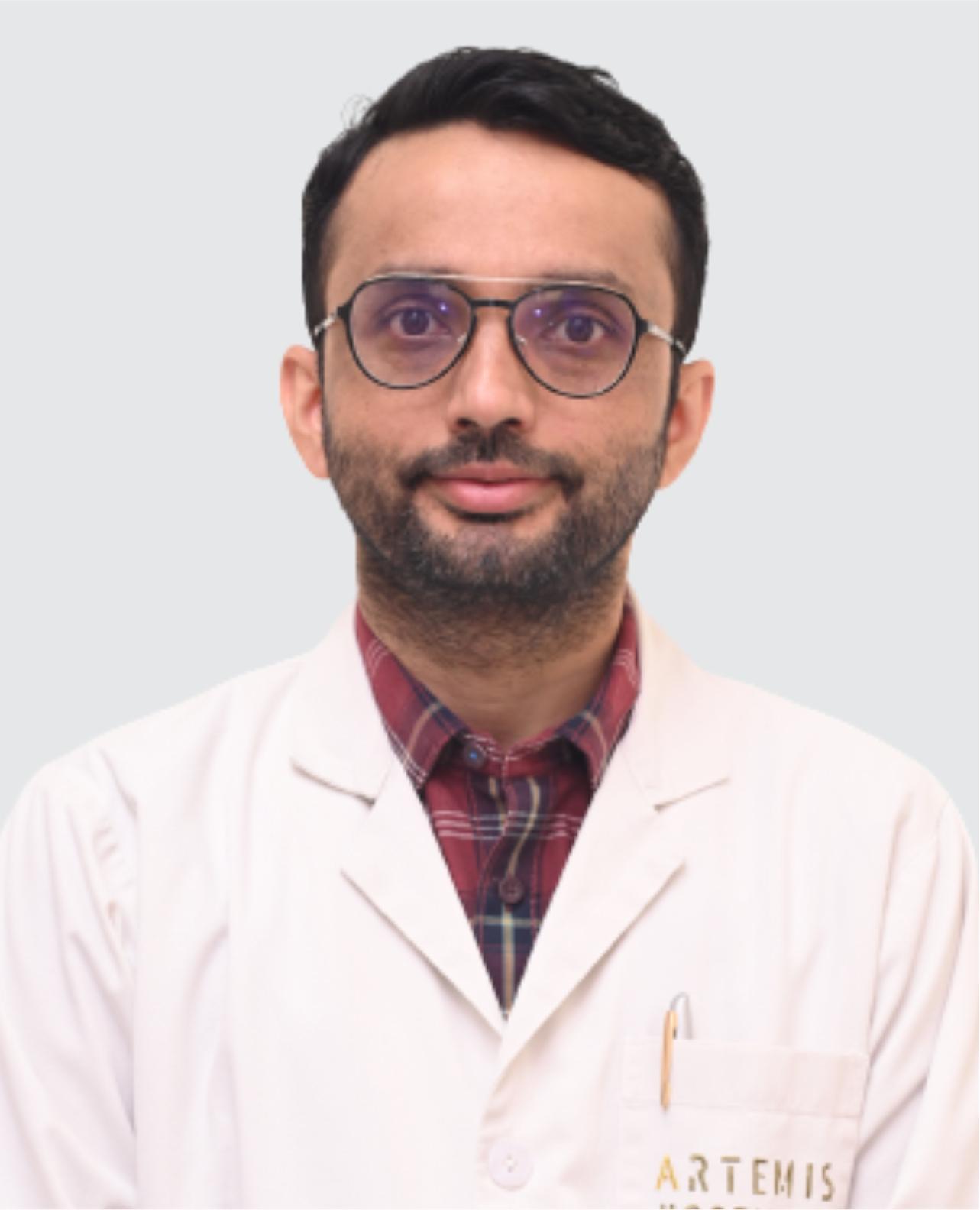
Sr. Consultant-Neurology & Epilepsy
Neurology & Epilepsy
New Delhi
15+ Years
Experience
Artemis Hospital
Hospital
1500
Fees

Consultant
Paediatric Neurology
Haryana
9+ Years
Experience
Artemis Hospital
Hospital
1500
Fees

Head - Histopathology & Cytology Lab
Laboratory Services
New Delhi
21+ Years
Experience
Artemis Hospital
Hospital
1500
Fees

Senior Consultant - Orthopedics (Unit VI)
Orthopaedics
New Delhi
10+ Years
Experience
Artemis Hospital
Hospital
1500
Fees

Senior Consultant - Ortho Spine Surgery
Orthopaedic Surgery, Spine Surgery
New Delhi
12+ Years
Experience
Artemis Hospital
Hospital
1500
Fees

Head - Cosmetic & Plastic Surgery
Cosmetic & Plastic Surgery
New Delhi
17+ Years
Experience
Artemis Hospital
Hospital
1500
Fees

Sr. Consultant
Neurosurgery
New Delhi
23+ Years
Experience
Artemis Hospital
Hospital
1500
Fees
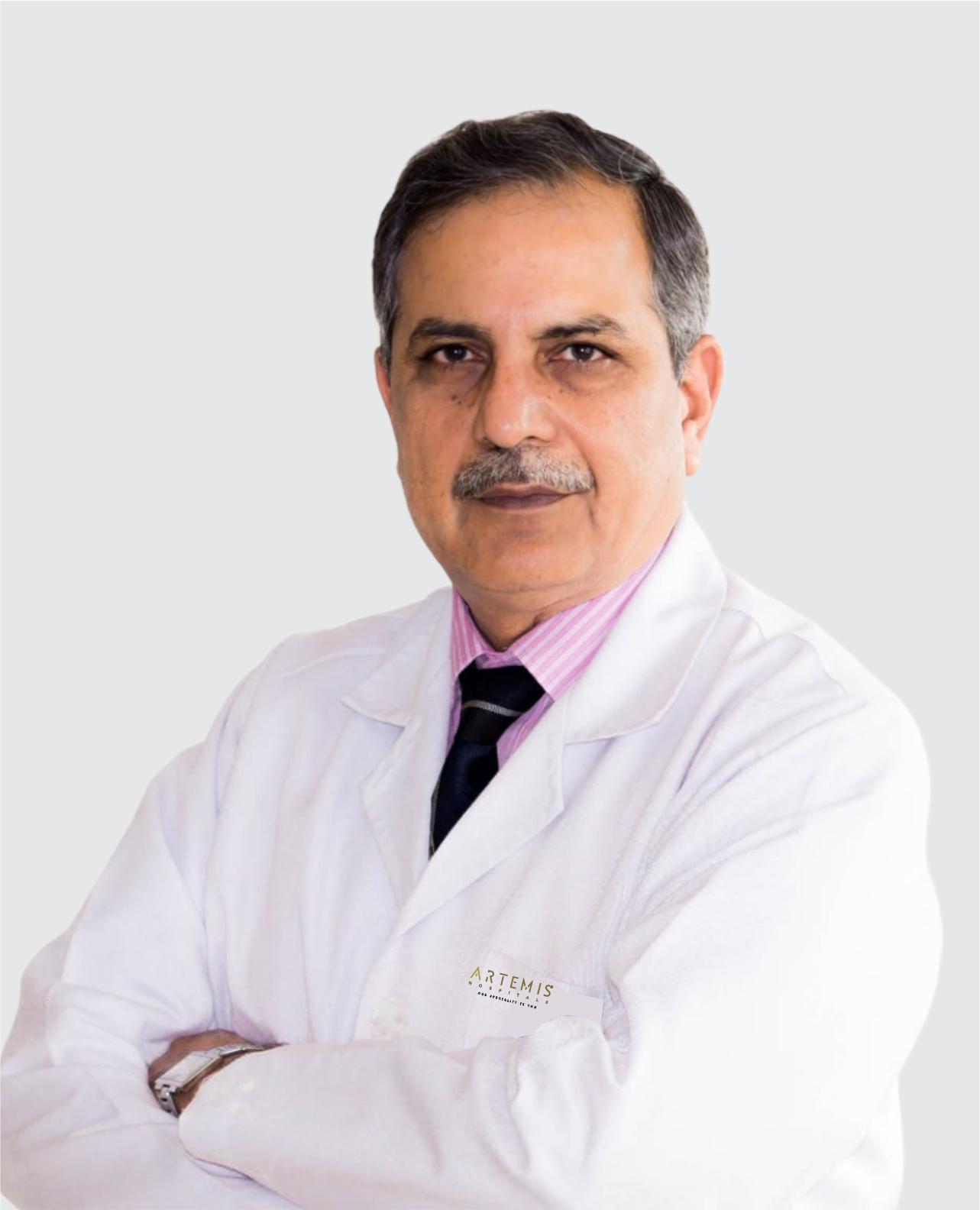
Sr. Consultant & Unit Incharge (Unit III)
General & Minimally Invasive Surgery
New Delhi
37+ Years
Experience
Artemis Hospital
Hospital
1500
Fees
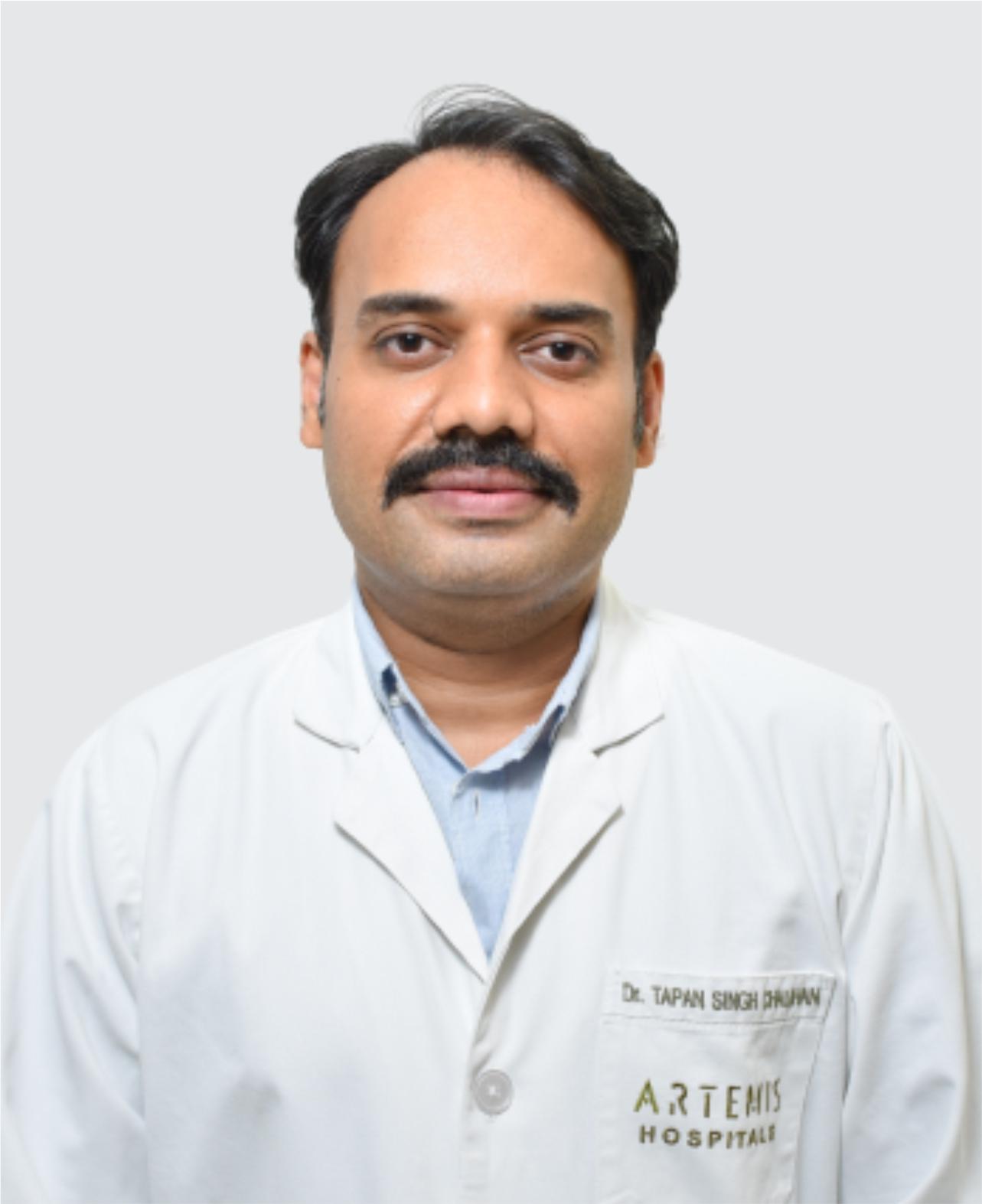
Sr. Consultant - Surgical Oncology, Robotics, GI & HPB, Gynae & Peritoneal Surface Oncology
Oncology, Robotic Surgery
New Delhi
15+ Years
Experience
Artemis Hospital
Hospital
1500
Fees
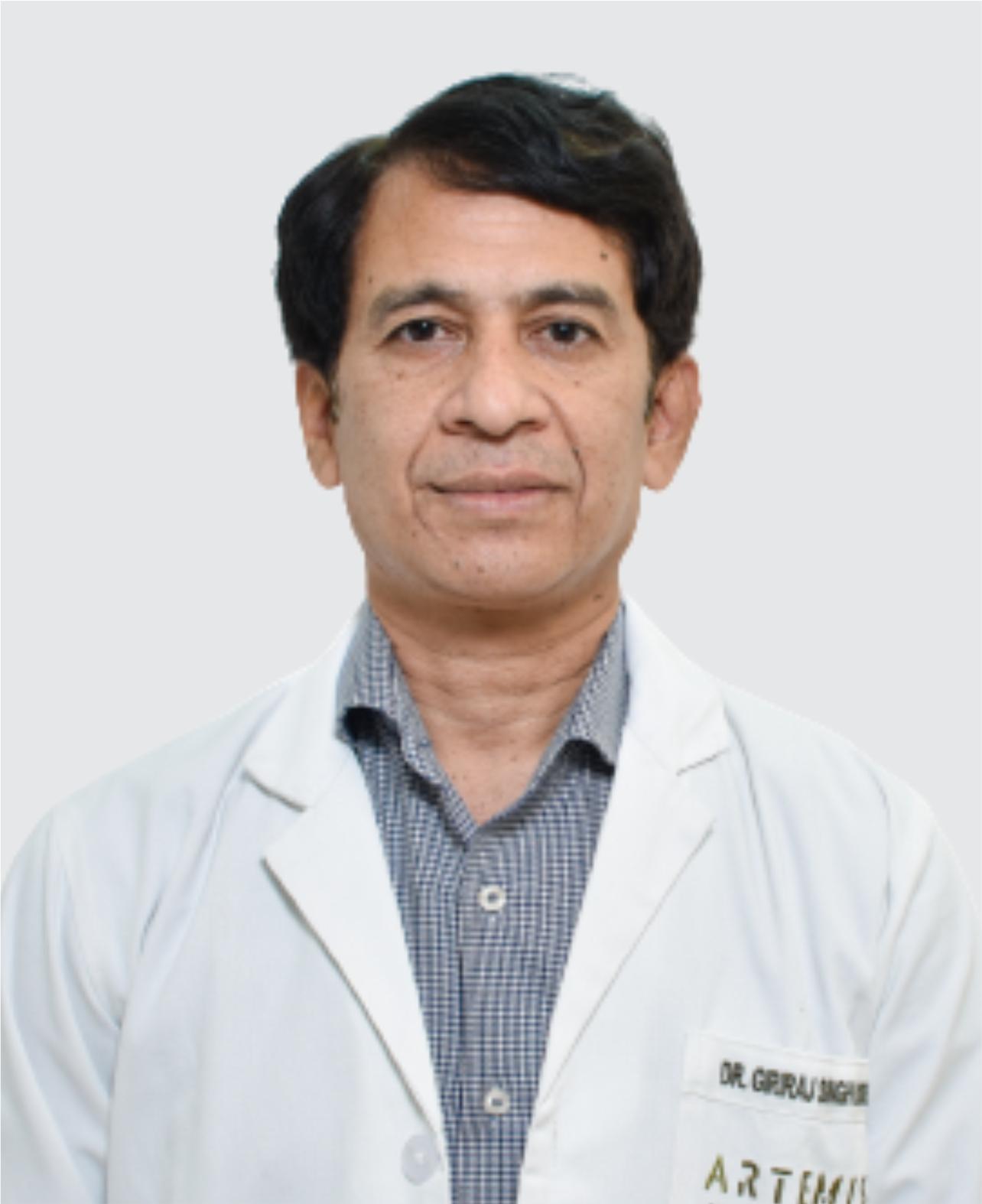
Chief - Liver Transplant & Sr. Consultant - GI & HPB Surgery
Liver and Biliary Sciences, Organ Transplant
New Delhi
15+ Years
Experience
Artemis Hospital
Hospital
1500
Fees
Head Lab medicine – Head Histopathology & Cytology
Laboratory Services
New Delhi
24+ Years
Experience
Artemis Hospital
Hospital
1500
Fees
Sr. Consultant
Paediatric Surgery
New Delhi
10+ Years
Experience
Artemis Hospital
Hospital
1500
Fees
Consultant
Paediatric
New Delhi
15+ Years
Experience
Artemis Hospital
Hospital
1500
Fees
Director
Gastroenterology
New Delhi
19+ Years
Experience
Artemis Hospital
Hospital
1500
Fees
Group Chairman - Max Institute of Laparoscopic, Endoscopic, Bariatric & Gastrointestinal Surgery
Laparoscopic, Endoscopic, Bariatric & Gastrointestinal Surgery
New Delhi
49+ Years
Experience
Max Hospital,Gurgaon
Hospital
1500
Fees
Professor & Robotic Joint Replacement Surgeon
Orthopaedic & Robotic Joint Replacement Surgery
New Delhi
33+ Years
Experience
Max Hospital,Gurgaon
Hospital
1500
Fees
Chairman - Interventional Cardiology - Cardiology & Structural Heart Disease
Cardiac Sciences, Cardiology, Interventional Cardiology, Cardiac Electrophysiology-Pacemaker
New Delhi
15+ Years
Experience
Max Hospital,Gurgaon
Hospital
1500
Fees
Chairman, Cardiac Sciences, Cardiac Surgery (CTVS)
Cardiothoracic and Vascular Surgery (CTVS), Cardiac Sciences
New Delhi
46+ Years
Experience
Max Hospital,Gurgaon
Hospital
1500
Fees
Principal Director - Laparoscopic & Robotic General Surgery
General Surgery, Laparoscopic / Minimal Access Surgery, Robotic Surgery
New Delhi
37+ Years
Experience
Max Hospital,Gurgaon
Hospital
1500
Fees
Senior Director, Cardiology Department
Interventional Cardiology
New Delhi
15+ Years
Experience
Max Hospital,Gurgaon
Hospital
1500
Fees
Chairman, Institute of Bariatric & Metabolic Surgery
Bariatric & Metabolic Surgery
New Delhi
25+ Years
Experience
Apolo Delhi
Hospital
1500
Fees
Director & Head
Minimal Access, Bariatric & GI Surgery
New Delhi
38+ Years
Experience
Apolo Delhi
Hospital
1500
Fees

Principal Consultant
Gastroenterology
New Delhi
25+ Years
Experience
Apolo Delhi
Hospital
1500
Fees
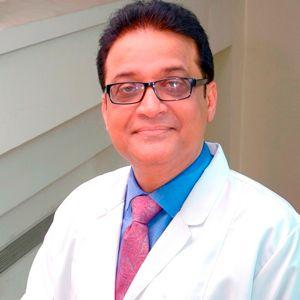
Principal Consultant
Minimal Access, Bariatric & GI Surgery
New Delhi
23+ Years
Experience
Apolo Delhi
Hospital
1500
Fees
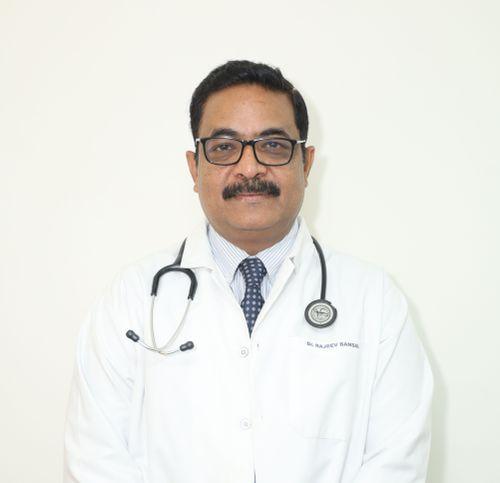
Sr. Consultant
General Surgery, GI & Bariatric Surgery
New Delhi
28+ Years
Experience
Apolo Delhi
Hospital
1500
Fees
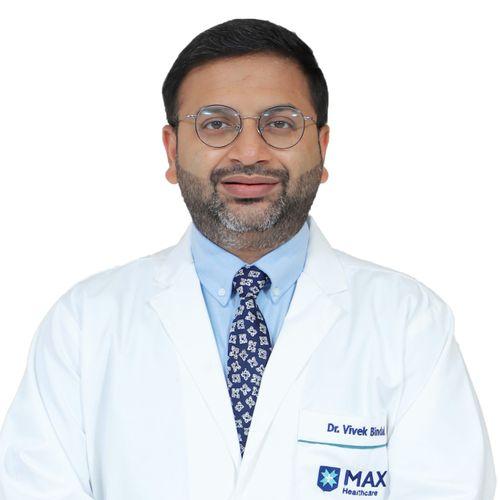
Chairman - Minimal Access, Bariatric & GI Surgery
Minimal Access, Bariatric & GI Surgery
New Delhi
29+ Years
Experience
Apolo Delhi
Hospital
1500
Fees
Senior Director - General Surgery and Bariatric Surgery
General Surgery, Bariatric Surgery, Minimal Access Surgery, Laparoscopic Surgery
New Delhi
28+ Years
Experience
Apolo Delhi
Hospital
1500
Fees

Consultant - Internal Medicine
Internal Medicine
New Delhi
12+ Years
Experience
Apolo Delhi
Hospital
1500
Fees
Senior Consultant - Paediatric Gastroenterology, Hepatology & Liver Transplant
Paediatric Gastroenterology, Hepatology & Liver Transplant
New Delhi
23+ Years
Experience
Apolo Delhi
Hospital
1500
Fees
General Physician
Internal Medicine
New Delhi
15+ Years
Experience
Apolo Delhi
Hospital
1500
Fees
Director & HOD
Gastroenterology & Hepatology
New Delhi
15+ Years
Experience
Apolo Delhi
Hospital
1500
Fees
Senior Consultant
Gastroenterology
New Delhi
14+ Years
Experience
Apolo Delhi
Hospital
1500
Fees
Senior Consultant
Gastroenterology
New Delhi
14+ Years
Experience
Apolo Delhi
Hospital
1500
Fees
Director
Gastroenterology & Therapeutic Endoscopy
New Delhi
20+ Years
Experience
Apolo Delhi
Hospital
1500
Fees
احصل على خيارات علاجية شخصية من أفضل مستشفيات الهند. خبراؤنا الطبيون جاهزون لمساعدتك في كل خطوة.