
Pediatric Epilepsy Surgery Treatment in Gurugram for UAE
بحاجة لنصيحة شخصية؟
خبراؤنا الطبيون جاهزون للإجابة عن أسئلتك وإرشادك خلال خيارات العلاج.
خبراؤنا الطبيون جاهزون للإجابة عن أسئلتك وإرشادك خلال خيارات العلاج.
Families in the UAE facing the challenges of pediatric epilepsy often seek the very best treatment options for their children. The concern for a child's health and future, especially when seizures remain uncontrolled, leads many to explore advanced medical solutions available internationally. This journey can feel overwhelming, filled with questions about care quality and accessibility.
Gurugram has emerged as a preferred destination for complex pediatric neurological conditions. Its reputation for highly specialized care, state-of-the-art facilities, and a collaborative medical environment draws patients from across the globe. Families often choose Gurugram for its dedicated pediatric epilepsy programs that integrate advanced diagnostics with expert surgical teams.
The trust placed in Gurugram's hospitals and neurological specialists is built on a foundation of successful outcomes and patient-centered care. Renowned institutions in the city are equipped with cutting-edge technology and experienced medical professionals. These facilities ensure comprehensive care, from initial evaluation to long-term follow-up, all within a well-coordinated healthcare system.
Could Gurugram offer the effective pediatric epilepsy solution your child needs?
Pediatric epilepsy surgery is a specialized neurosurgical procedure performed on children to treat severe, uncontrollable seizures that do not respond to medication. The primary goal is to remove or modify the area of the brain where seizures originate, aiming to reduce or eliminate seizure activity and improve the child's quality of life and developmental trajectory. This complex intervention is typically considered when conventional drug therapies have proven ineffective, and the child's epilepsy significantly impacts their cognitive and physical development.
Different surgical approaches are available, tailored to the specific type and location of the child's seizures:
The specific surgical procedure depends entirely on the child's unique condition, the type of epilepsy, and the precise location of the seizure focus.
The child will undergo extensive pre-surgical testing to accurately map the brain and identify the seizure origin. Anesthesia is administered to ensure the child is comfortable and pain-free throughout the surgery.
The neurosurgeon carefully creates an opening in the skull (craniotomy) to access the brain. Using advanced navigation systems and intraoperative monitoring, the identified seizure-generating tissue is precisely removed or disconnected. The surgical team works meticulously to preserve surrounding healthy brain tissue and critical functional areas. The skull bone is then replaced, and the incision is closed.
For VNS, a small incision is made in the chest to implant the generator, and electrodes are carefully threaded to wrap around the vagus nerve in the neck. For RNS, electrodes are placed directly on or within the seizure-onset zone in the brain, and the device is implanted in the skull. Both procedures involve connecting the device for subsequent programming.
After surgery, the child is moved to a recovery area for close monitoring. Pain management and infection prevention are prioritized. The hospital stay duration varies based on the type of surgery and the child's recovery progress.
The recovery period following pediatric epilepsy surgery is a gradual process. Immediately after surgery, the child will likely experience some pain, swelling, and fatigue. Hospital stays typically range from a few days to a week, depending on the complexity of the procedure. Post-operative care includes pain management, monitoring for complications, and careful observation of neurological function. Rehabilitation, including physical therapy, occupational therapy, and speech therapy, often begins during hospitalization and continues for several months to support the child's healing and development. Regular follow-up appointments with the neurosurgeon and neurologist are crucial to monitor seizure control, adjust medications, and assess overall progress.
The success rate for pediatric epilepsy surgery varies significantly depending on the type of epilepsy, the exact location of the seizure focus, and the specific surgical procedure performed. For well-selected candidates, studies show that a significant percentage of children experience substantial reduction or complete elimination of seizures. Many children achieve long-term seizure freedom, leading to improved cognitive function and quality of life. Outcomes are optimized when surgery is performed at specialized centers by experienced pediatric neurosurgical teams.
Considering Pediatric Epilepsy Surgery for your child? Connect with Gurugram's leading specialists today.
Get a personalized treatment plan and cost estimate.
The cost of pediatric epilepsy surgery in Gurugram is generally more affordable compared to many Western countries, without compromising on quality of care. Several factors influence the final cost, including the specific type of surgery (resective, disconnective, device implantation), the hospital chosen, the surgeon's experience, the duration of hospital stay, and the need for post-operative rehabilitation and medications.
In Gurugram, the estimated cost for Pediatric Epilepsy Surgery can range from INR 7,00,000 to INR 25,00,000, depending on the complexity.
Gurugram offers a highly competitive option for advanced pediatric neurosurgical care when compared to medical centers in other developed nations.
| Location | Estimated Cost (USD) |
|---|---|
| Gurugram, India | $8,500 - $30,000 |
| United States | $60,000 - $150,000+ |
| United Kingdom | $45,000 - $90,000+ |
| Singapore | $35,000 - $80,000+ |
Ready to explore advanced care options in Gurugram for your child's epilepsy?
Contact us for a seamless, supported treatment experience.
Choosing the right path for your child’s health is a profound decision. Gurugram's expert medical teams are here to guide you with compassion and advanced care every step of the way.
India offers premium medical procedures at affordable prices. Discover our most popular treatments, delivered by the country's finest doctors.
Meet our team of highly qualified and experienced medical professionals dedicated to providing the best healthcare services.
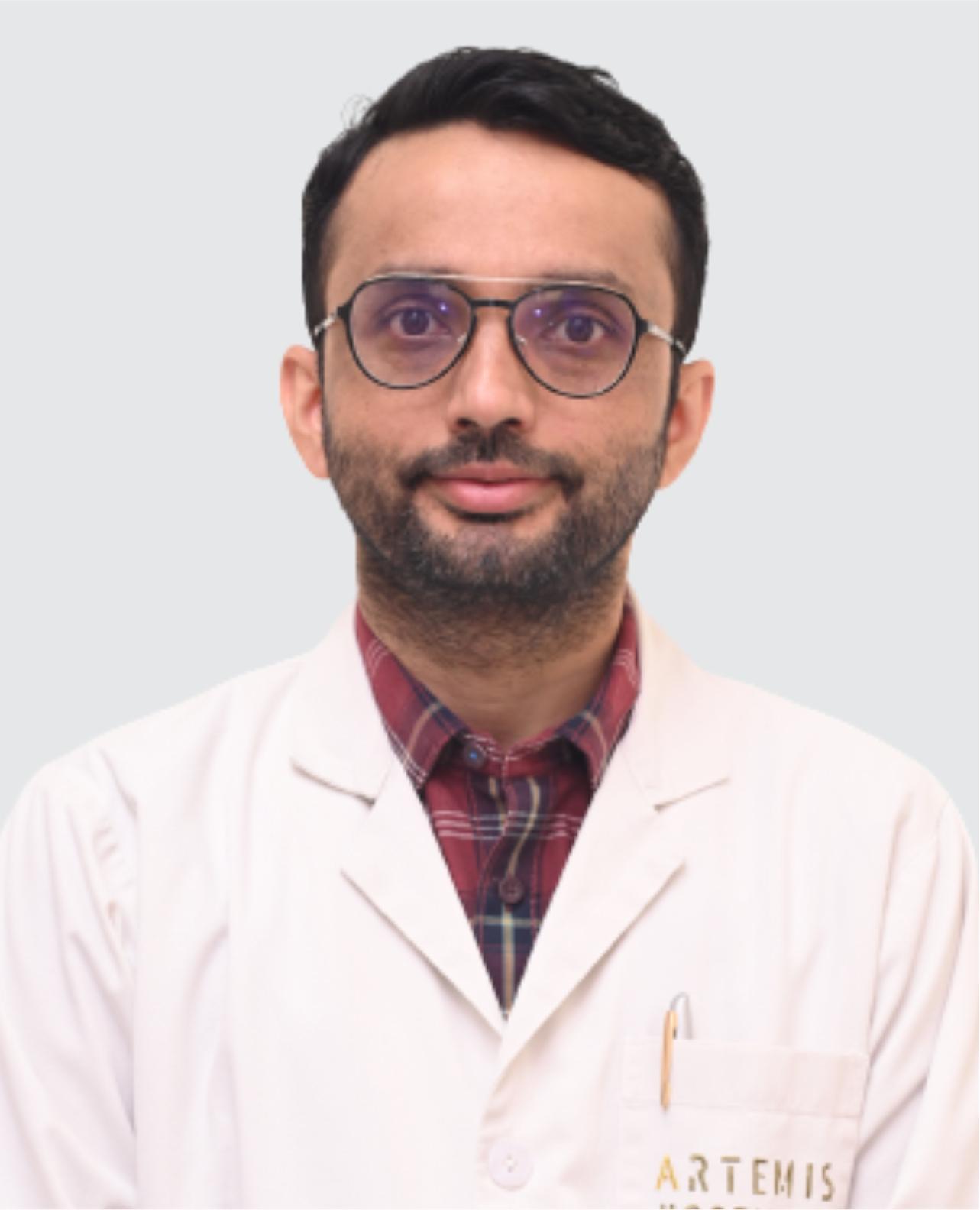
Sr. Consultant-Neurology & Epilepsy
Neurology & Epilepsy
New Delhi
15+ Years
Experience
Artemis Hospital
Hospital
1500
Fees

Consultant
Paediatric Neurology
Haryana
9+ Years
Experience
Artemis Hospital
Hospital
1500
Fees
احصل على خيارات علاجية شخصية من أفضل مستشفيات الهند. خبراؤنا الطبيون جاهزون لمساعدتك في كل خطوة.