
Pediatric Epilepsy Surgery Treatment in Chennai for Ethiopia
بحاجة لنصيحة شخصية؟
خبراؤنا الطبيون جاهزون للإجابة عن أسئلتك وإرشادك خلال خيارات العلاج.
خبراؤنا الطبيون جاهزون للإجابة عن أسئلتك وإرشادك خلال خيارات العلاج.
For parents in Ethiopia, the diagnosis of pediatric epilepsy can bring profound worry, especially when seizures persist despite medication. The search for advanced, specialized care that offers a real chance at a seizure-free life often leads families to consider options beyond their home country.
Many families exploring such critical medical pathways find themselves looking towards destinations like Chennai. This city has emerged as a hub for complex pediatric neurological care, known for its integrated approach to patient treatment and a robust environment designed to support international visitors.
Chennai’s hospitals house dedicated teams of pediatric neurosurgeons, neurologists, and support staff who are highly experienced in managing intricate cases of childhood epilepsy. The city's medical infrastructure is built to ensure continuity of care, from initial consultation through surgery and subsequent follow-ups.
Could Chennai offer the specialized expertise your child needs?
Pediatric epilepsy surgery is a highly specialized neurosurgical procedure performed on children with severe, drug-resistant epilepsy. The goal is to remove or disconnect the area of the brain where seizures originate, or to interrupt the pathways through which seizures spread, thereby reducing or eliminating seizure activity. This type of surgery is typically considered when medication proves ineffective in controlling a child's seizures, and when the seizure focus can be precisely identified without causing significant neurological deficits. It offers a chance for improved quality of life, better developmental outcomes, and a potential reduction or elimination of anti-seizure medications.
Resective Surgery: This is the most common type, involving the removal of the specific part of the brain that generates seizures. Examples include temporal lobectomy, lesionectomy, and neocortical resection.
Hemispherectomy: Reserved for severe cases where one entire hemisphere of the brain is causing debilitating seizures, such as in Rasmussen's encephalitis. The affected hemisphere is functionally disconnected or removed.
Corpus Callosotomy: This procedure involves severing the corpus callosum, the band of nerve fibers connecting the two brain hemispheres. It helps prevent seizures from spreading from one side of the brain to the other, particularly effective for atonic (drop) seizures.
Vagus Nerve Stimulation (VNS): Not strictly a surgery that removes brain tissue, VNS involves implanting a device under the skin in the chest that sends regular electrical pulses to the vagus nerve in the neck, which then sends signals to the brain to help reduce seizure frequency.
Multiple Subpial Transections (MST): This technique involves making a series of shallow cuts in the brain's surface to disrupt seizure pathways without removing essential brain tissue, often used for seizure foci located in eloquent areas (e.g., speech centers).
The specific surgical procedure for pediatric epilepsy depends heavily on the child's condition, the type of epilepsy, and the precise location of the seizure focus. A multidisciplinary team of specialists carefully plans each step.
Pre-operative Planning: Extensive imaging and monitoring are used to create a detailed map of the child's brain, precisely locating the seizure focus and its relationship to critical brain functions like speech and movement. This often involves advanced neuroimaging techniques and sometimes intracranial electrode placement.
Surgical Approach: The neurosurgeon makes an incision in the scalp and removes a section of the skull (craniotomy) to access the brain. Using microsurgical techniques and real-time navigation, the identified seizure-generating tissue is either removed (resective surgery) or functionally disconnected (e.g., callosotomy, hemispherectomy). In some cases, a neuromodulation device like a VNS is implanted.
Closure: Once the procedure is complete, the bone flap is carefully replaced and secured, and the scalp incision is closed. The child is then moved to a specialized recovery unit for close monitoring. The duration of the surgery can vary significantly based on its complexity.
Recovery after pediatric epilepsy surgery is a gradual process tailored to each child. Immediately after surgery, children are closely monitored in an intensive care unit. Healing time for the surgical site typically takes a few weeks. Restrictions on physical activities are usually in place for several months to allow for proper recovery. Most children will require continued anti-seizure medication for a period, which may be gradually tapered under medical supervision. Comprehensive rehabilitation, including physical, occupational, and speech therapy, is often crucial to help the child regain strength, coordination, and cognitive skills. Regular follow-up appointments with the pediatric neurology team are essential to monitor progress, adjust medications, and assess long-term outcomes.
The success rates of pediatric epilepsy surgery vary widely depending on the type of surgery, the underlying cause of epilepsy, and the child's specific condition. For some resective surgeries where the seizure focus is clearly identified and removed, 50-70% of children may achieve complete seizure freedom, while others experience a significant reduction in seizure frequency and severity. Outcomes are often best when surgery is performed at an earlier age in appropriately selected candidates. Long-term expectations focus on improving seizure control, enhancing cognitive development, and allowing the child to lead a more fulfilling life, even if complete seizure freedom is not achieved.
The cost of pediatric epilepsy surgery in Chennai is influenced by several key factors. These include the specific type of surgical procedure chosen, the complexity of the child's condition, the duration of the hospital stay, the extent of pre-operative evaluations and post-operative care, and the hospital's reputation and facilities. The experience of the surgical team and the use of advanced technology also play a role in the overall expenditure.
For pediatric epilepsy surgery in Chennai, the estimated cost can range from INR 6,00,000 to INR 20,00,000, depending on the specific surgical approach and associated care.
Chennai offers a distinct advantage in terms of cost-effectiveness for advanced medical procedures like pediatric epilepsy surgery, without compromising on quality or outcomes. Below is a comparison of estimated costs in Chennai against other prominent medical destinations.
| Location | Estimated Cost (USD) |
|---|---|
| Chennai, India | $7,000 - $25,000 |
| United States | $80,000 - $150,000 |
| United Kingdom | $50,000 - $90,000 |
| Singapore | $40,000 - $70,000 |
| Thailand | $25,000 - $50,000 |
Considering pediatric epilepsy surgery for your child? Reach out for a detailed cost estimate and personalized treatment plan.
Have questions about your child's treatment journey? Our team is ready to provide guidance and support every step of the way.
Taking the step towards advanced medical care for your child requires careful consideration and trusted partners. Chennai offers an encouraging path forward, combining expert medical teams with comprehensive patient support, helping families from Ethiopia find hope and healing.
India offers premium medical procedures at affordable prices. Discover our most popular treatments, delivered by the country's finest doctors.
Meet our team of highly qualified and experienced medical professionals dedicated to providing the best healthcare services.
Sr. Consultant-Neurology & Epilepsy
Neurology & Epilepsy
New Delhi
15+ Years
Experience
Artemis Hospital
Hospital
1500
Fees

Consultant
Paediatric Neurology
Haryana
9+ Years
Experience
Artemis Hospital
Hospital
1500
Fees

Sr. Consultant – Women Imaging
Radiology
New Delhi
15+ Years
Experience
Artemis Hospital
Hospital
1500
Fees
Co-Head Psychological Services
Mental Health and Behavioural Sciences
New Delhi
15+ Years
Experience
Artemis Hospital
Hospital
1500
Fees
Head of Department - Gynae Endocrinology & DNB Program Director - Obs & Gynae
Gynaecological Endocrinology, Maternity, Obstetrics & Gynaecology
New Delhi
35+ Years
Experience
Artemis Hospital
Hospital
1500
Fees

Senior Consultant - ENT
ENT and Head & Neck Surgery
New Delhi
24+ Years
Experience
Artemis Hospital
Hospital
1500
Fees

Consultant (Head & Neck Surgery) - Surgical Oncology
Head and Neck Surgical Oncology
New Delhi
10+ Years
Experience
Artemis Hospital
Hospital
1500
Fees

Chairperson - Gynae Oncology
Gynaecological Oncology
New Delhi
16+ Years
Experience
Artemis Hospital
Hospital
1500
Fees
Unit Head - Reproductive Medicine (Unit II)
IVF, Reproductive Medicine, Obstetrics & Gynecology
New Delhi
20+ Years
Experience
Artemis Hospital
Hospital
1500
Fees
Sr. Consultant - Obs & Gynae
Maternity, Obstetrics & Gynaecology
New Delhi
15+ Years
Experience
Artemis Hospital
Hospital
1500
Fees

Unit Head - Obs & Gynae
Maternity, Obstetrics & Gynaecology
New Delhi
19+ Years
Experience
Artemis Hospital
Hospital
1500
Fees
Director
Obstetrics and Gynaecology
New Delhi
19+ Years
Experience
Artemis Hospital
Hospital
1500
Fees
Head - Radiation Oncology & CyberKnife Centre (Unit II)
Oncology
New Delhi
23+ Years
Experience
Artemis Hospital
Hospital
1500
Fees
Unit Head & Sr. Consultant - Internal Medicine
Internal Medicine
New Delhi
14+ Years
Experience
Artemis Hospital
Hospital
1500
Fees
Sr. Consultant - Gynaecology & Obstetrics
Gynaecology & Obstetrics
New Delhi
15+ Years
Experience
Apolo Delhi
Hospital
1500
Fees
Director
Obstetrics & Gynaecology
New Delhi
15+ Years
Experience
Artemis Hospital
Hospital
1500
Fees
Classified Consultant
Obstetrics & Gynaecology, Maternity, Women's Health
New Delhi
8+ Years
Experience
Artemis Hospital
Hospital
1500
Fees
Consultant
Obstetrics & Gynaecology
New Delhi
8+ Years
Experience
Artemis Hospital
Hospital
1500
Fees
Director, Medical Oncology
Medical Oncology and Haematology
New Delhi
26+ Years
Experience
Max Hospital,Gurgaon
Hospital
1500
Fees
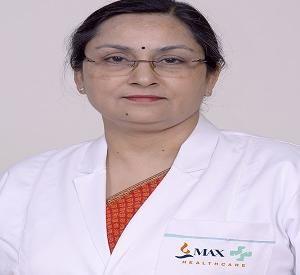
Vice Chairman - Nephrology
Nephrology & Renal Transplant Medicine
New Delhi
17+ Years
Experience
Max Hospital,Gurgaon
Hospital
1500
Fees
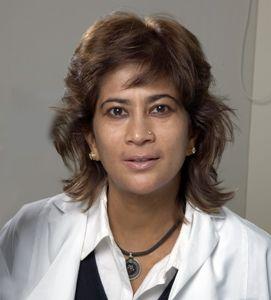
Principal Director - Max Lab & Blood Bank Services
Laboratory Medicine, Transfusion Medicine, Pathology
New Delhi
32+ Years
Experience
Max Hospital,Gurgaon
Hospital
1500
Fees
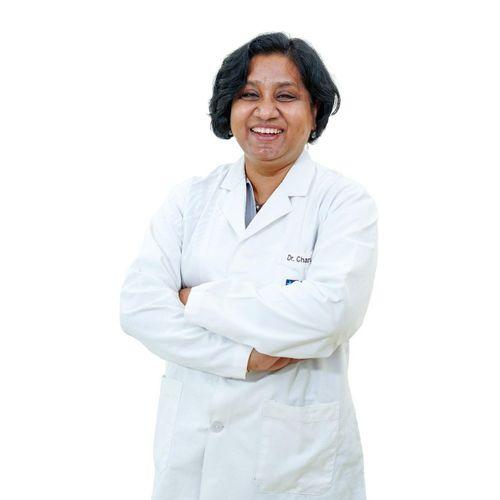
Principal Director - Radiation Oncology
Radiation Oncology
New Delhi
23+ Years
Experience
Max Hospital,Gurgaon
Hospital
1500
Fees
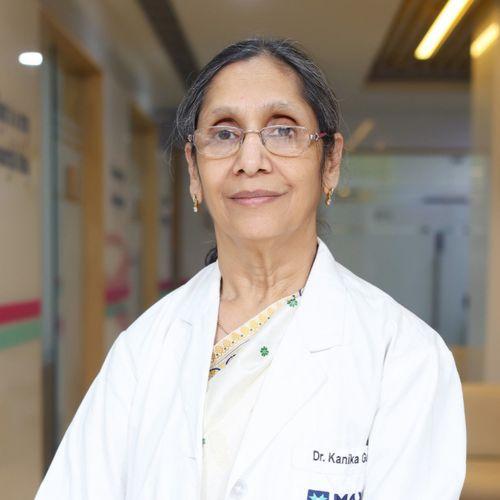
Principal Director – Surgical Oncology (Gynae & Robotic Surgery)
Gynecologic Oncology, Robotic & Laparoscopic Surgery, Gynae Cancer Care, Surgical Oncology
New Delhi
39+ Years
Experience
Max Hospital,Gurgaon
Hospital
1500
Fees
Principal Director & HOD
Paediatrics (Ped)
New Delhi
30+ Years
Experience
Max Hospital,Gurgaon
Hospital
1500
Fees
Principal Director (Obstetrics & Gynaecology) & Head of Unit
Obstetrics, Gynaecology, Gynaecologic Laparoscopy, High-Risk Pregnancy, Endoscopy Surgery
New Delhi
44+ Years
Experience
Max Hospital,Gurgaon
Hospital
1500
Fees
Principal Director - Obstetrics & Gynaecology
Obstetrics And Gynaecology, Robotic Surgery, Gynaecologic Laparoscopy
New Delhi
33+ Years
Experience
Max Hospital,Gurgaon
Hospital
1500
Fees
Sr. Consultant
Obstetrics & Gynaecology
New Delhi
20+ Years
Experience
Apolo Delhi
Hospital
1500
Fees
Sr. Consultant
Obstetrics And Gynaecology
New Delhi
15+ Years
Experience
Apolo Delhi
Hospital
1500
Fees
Senior Consultant - Obstetrics and Gynaecology
Obstetrics and Gynaecology
New Delhi
24+ Years
Experience
Apolo Delhi
Hospital
1500
Fees
Director - Obstetrics & Gynaecology
Obstetrics & Gynaecology
New Delhi
18+ Years
Experience
Apolo Delhi
Hospital
1500
Fees
Senior Consultant
Obstetrics & Gynaecology
New Delhi
22+ Years
Experience
Apolo Delhi
Hospital
1500
Fees
Senior Consultant - Obstetrics & Gynaecology
Obstetrics & Gynaecology
New Delhi
23+ Years
Experience
Apolo Delhi
Hospital
1500
Fees
Senior Consultant
Obstetrics and Gynaecology
New Delhi
24+ Years
Experience
Apolo Delhi
Hospital
1500
Fees
Director
Obstetrics & Gynaecology
New Delhi
20+ Years
Experience
Apolo Delhi
Hospital
1500
Fees
Director
Obstetrics & Gynaecology
New Delhi
22+ Years
Experience
Apolo Delhi
Hospital
1500
Fees
Senior Consultant
Obstetrics and Gynaecology
New Delhi
15+ Years
Experience
Apolo Delhi
Hospital
1500
Fees
Director
Obstetrics & Gynaecology
New Delhi
18+ Years
Experience
Apolo Delhi
Hospital
1500
Fees
Director & Chief of Service - Obstetrics & Gynaecology
Obstetrics & Gynaecology
New Delhi
24+ Years
Experience
Apolo Delhi
Hospital
1500
Fees
Director
Obstetrics & Gynaecology
New Delhi
18+ Years
Experience
Apolo Delhi
Hospital
1500
Fees
احصل على خيارات علاجية شخصية من أفضل مستشفيات الهند. خبراؤنا الطبيون جاهزون لمساعدتك في كل خطوة.