
Pediatric Epilepsy Surgery Treatment in Chennai for UAE
بحاجة لنصيحة شخصية؟
خبراؤنا الطبيون جاهزون للإجابة عن أسئلتك وإرشادك خلال خيارات العلاج.
خبراؤنا الطبيون جاهزون للإجابة عن أسئلتك وإرشادك خلال خيارات العلاج.
Parents in the UAE facing a child's epilepsy diagnosis often carry immense worry, seeking the most effective and safest treatment options. The journey to find relief for their little one, especially when medications are not enough, can feel overwhelming. Many wonder if specialized surgical intervention is the right path, and where to find world-class care.
When considering advanced treatments like pediatric epilepsy surgery, families from the UAE often look beyond their home country for specialized expertise and comprehensive care environments. Chennai has emerged as a preferred destination, known for its focused medical hubs that offer highly coordinated and patient-centric services for complex pediatric conditions.
Chennai's hospitals and pediatric neurological specialists have built a strong reputation, attracting international patients due to their advanced surgical facilities, experienced teams, and dedicated post-operative care. The city's medical infrastructure supports seamless treatment pathways, ensuring continuity of care and easy access to follow-up consultations within a supportive setting.
Is Chennai the right choice for your child's pediatric epilepsy surgery?
Pediatric epilepsy surgery is a specialized neurosurgical procedure performed on children when medication fails to control seizures. The goal is to either remove the area of the brain causing the seizures or to interrupt the nerve pathways that allow seizures to spread. This treatment aims to reduce seizure frequency, severity, or eliminate them entirely, significantly improving a child's quality of life and developmental potential. It requires a precise understanding of brain function and the seizure focus.
The type of surgery recommended depends on the child's specific condition and the location of the seizure focus:
The specific surgical procedure for pediatric epilepsy depends entirely on the child's seizure type, the location of the epileptic focus, and the findings from the comprehensive pre-surgical evaluation.
Before surgery, an extensive team involving neurosurgeons, neurologists, neuropsychologists, and neuroradiologists reviews all diagnostic data. Functional mapping may be performed to identify critical brain areas (e.g., for language or motor function) that must be avoided during surgery. This meticulous planning ensures maximum seizure control with minimal impact on essential brain functions.
The surgery is performed under general anesthesia. The neurosurgeon makes an incision in the scalp and creates an opening in the skull (craniotomy) to access the brain. Depending on the planned procedure, the surgeon will either remove the identified seizure-generating tissue, make precise disconnections, or implant a neuromodulation device. Intraoperative monitoring, such as electrocorticography, may be used to confirm the extent of seizure focus removal.
Once the surgical goals are achieved, the skull bone is replaced, and the scalp is closed. The child is then moved to a specialized recovery area, often a pediatric intensive care unit (PICU), for close monitoring as they wake up from anesthesia.
Recovery after pediatric epilepsy surgery varies significantly depending on the type of procedure and the child's overall health. Initially, children will spend a few days in the hospital, often in a PICU, for close observation of vital signs and neurological status. Pain management is a priority. Over the next few weeks to months, physical and occupational therapy, as well as speech therapy, may be crucial to help the child regain strength, coordination, and cognitive skills. Follow-up appointments with the neurology and neurosurgery teams are essential to monitor seizure control, medication adjustments, and overall progress. Full recovery can take several months, with continuous support and rehabilitation playing a key role.
The success rate of pediatric epilepsy surgery, defined as a significant reduction in seizures or complete seizure freedom, varies widely depending on the type of epilepsy, the child's age, and the specific surgical procedure. For well-selected candidates, especially those with focal epilepsy caused by a clear lesion, success rates for seizure freedom can range from 50% to over 80%. Even if complete seizure freedom is not achieved, many children experience a significant reduction in seizure frequency and severity, leading to improved development and quality of life. Long-term outcomes are continuously monitored to ensure the best possible results.
The cost of pediatric epilepsy surgery in Chennai is influenced by several factors, including the complexity of the procedure, the type of surgery performed, the hospital's infrastructure and technology, the experience of the surgical team, and the length of the hospital stay. Pre-operative evaluations and post-operative rehabilitation also contribute to the overall expenditure.
For families from the UAE, Chennai offers a significant cost advantage compared to many Western countries, often providing advanced care at a fraction of the price.
Chennai is recognized for delivering high-quality pediatric neurological care at competitive rates. The city's medical centers combine cutting-edge technology with experienced specialists, making advanced treatments more accessible without compromising on standards.
| Location | Estimated Cost Range (USD) |
|---|---|
| Chennai, India | $8,000 - $25,000 |
| United States | $70,000 - $150,000+ |
| United Kingdom | $50,000 - $100,000 |
| Germany | $45,000 - $90,000 |
| Singapore | $35,000 - $75,000 |
Considering Pediatric Epilepsy Surgery for your child?
Get a personalized treatment plan and cost estimate from Chennai's top specialists.
Connect with our patient care team today.
Ready to explore treatment options in Chennai for your child?
Contact us to connect with leading pediatric epilepsy specialists.
We are here to guide you every step of the way.
Making a decision about pediatric epilepsy surgery is significant. Chennai offers a beacon of hope with its advanced medical care, compassionate teams, and cost-effective solutions. Let us help you navigate this journey with confidence and support.
India offers premium medical procedures at affordable prices. Discover our most popular treatments, delivered by the country's finest doctors.
Meet our team of highly qualified and experienced medical professionals dedicated to providing the best healthcare services.
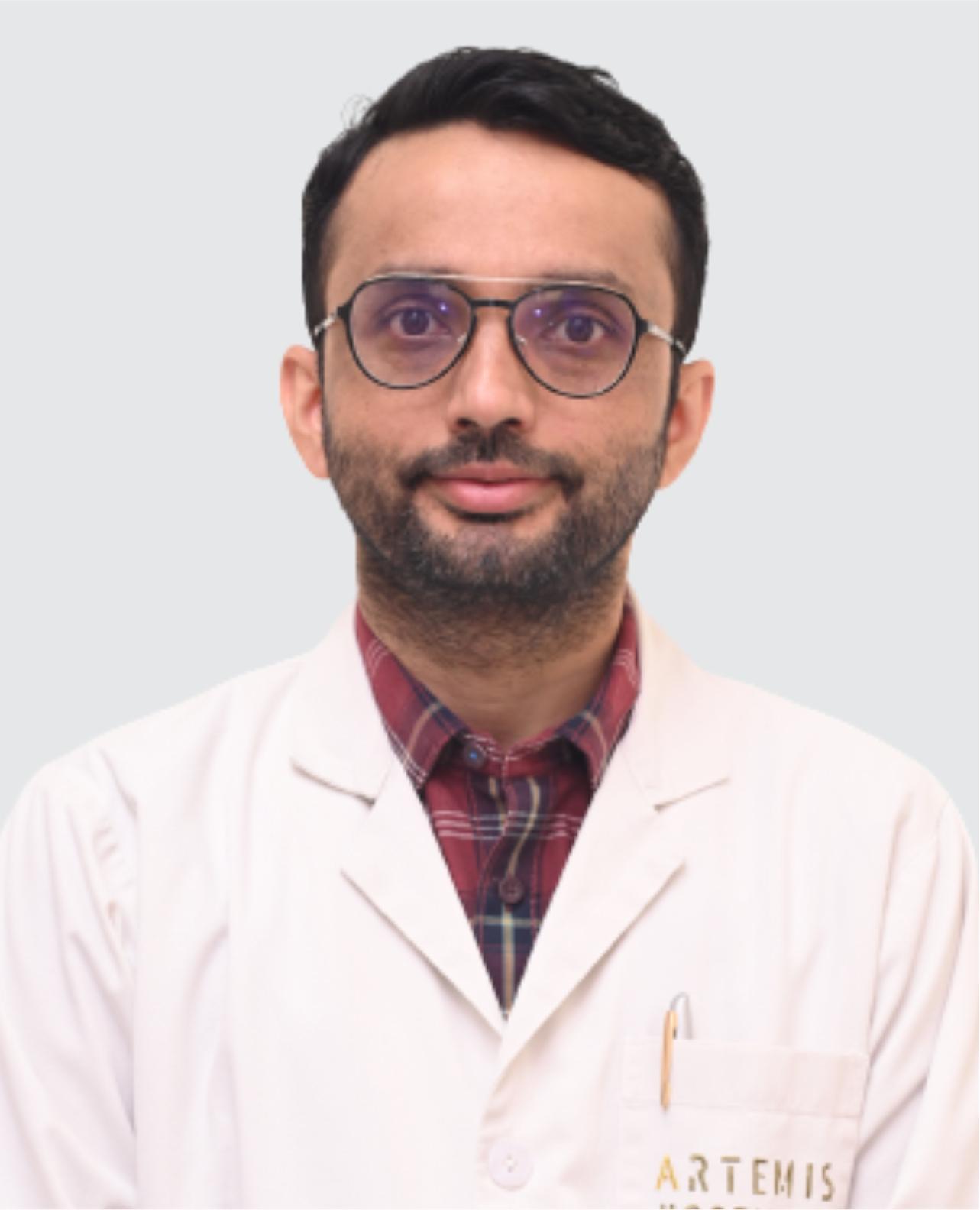
Sr. Consultant-Neurology & Epilepsy
Neurology & Epilepsy
New Delhi
15+ Years
Experience
Artemis Hospital
Hospital
1500
Fees

Consultant
Paediatric Neurology
Haryana
9+ Years
Experience
Artemis Hospital
Hospital
1500
Fees
احصل على خيارات علاجية شخصية من أفضل مستشفيات الهند. خبراؤنا الطبيون جاهزون لمساعدتك في كل خطوة.